


 Eng
Eng 
 中文简体
中文简体

The Workhorse’s Stop: Understanding the Volvo 200 Series Brake Shoe
 2025.12.05
 Industry News
The Volvo 200 series—a lineup that includes the legendary 240 and 260 models—is celebrated for its safety, durability, and boxy, timeless design. These cars weren’t just vehicles; they were workhorses that defined an era of Scandinavian engineering. But no matter how reliable a car is, its most crucial feature is its ability to stop. This brings us to a small, yet mighty component: the brake shoe.
Content
The Two Worlds of Braking: Discs vs. Drums
To understand the Volvo 200 brake shoe, you first need to know the two primary types of braking systems used in cars: disc brakes and drum brakes.
Disc Brakes: The Modern Standard
Most modern cars use disc brakes on all four wheels. In this system, a caliper clamps a pair of pads onto a spinning rotor (or disc), much like the handbrakes on a bicycle. Disc brakes are excellent at dissipating heat, making them ideal for high-speed or heavy braking.
Drum Brakes: The Volvo 200’s Rear Anchor
While the front wheels of the Volvo 200 series typically featured modern disc brakes, the rear wheels often employed the older, but still highly effective, drum brake system.
- The Drum: This is a hollow, metal cylinder that rotates with the wheel.
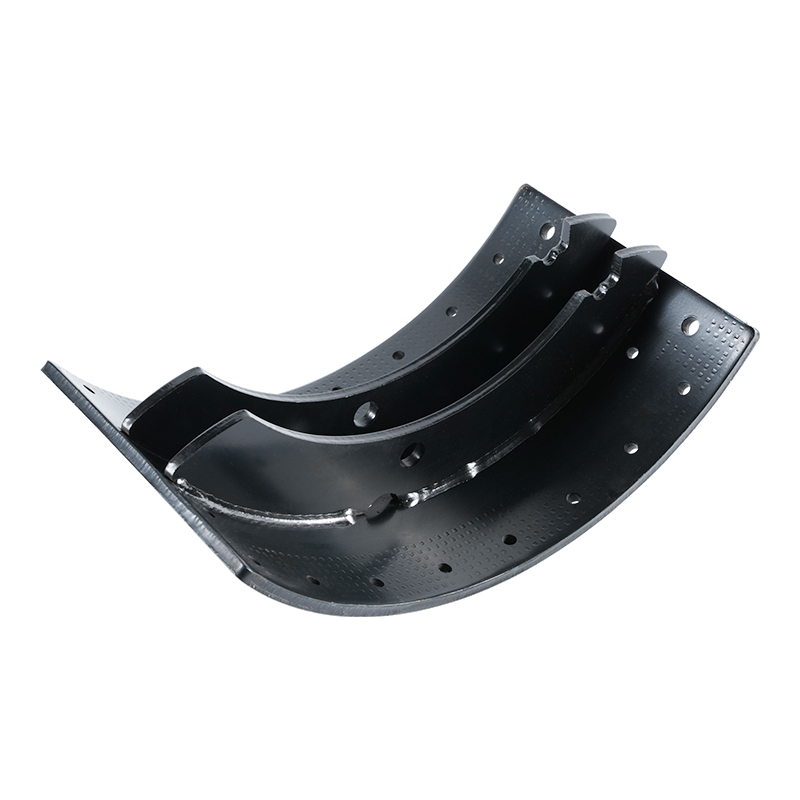
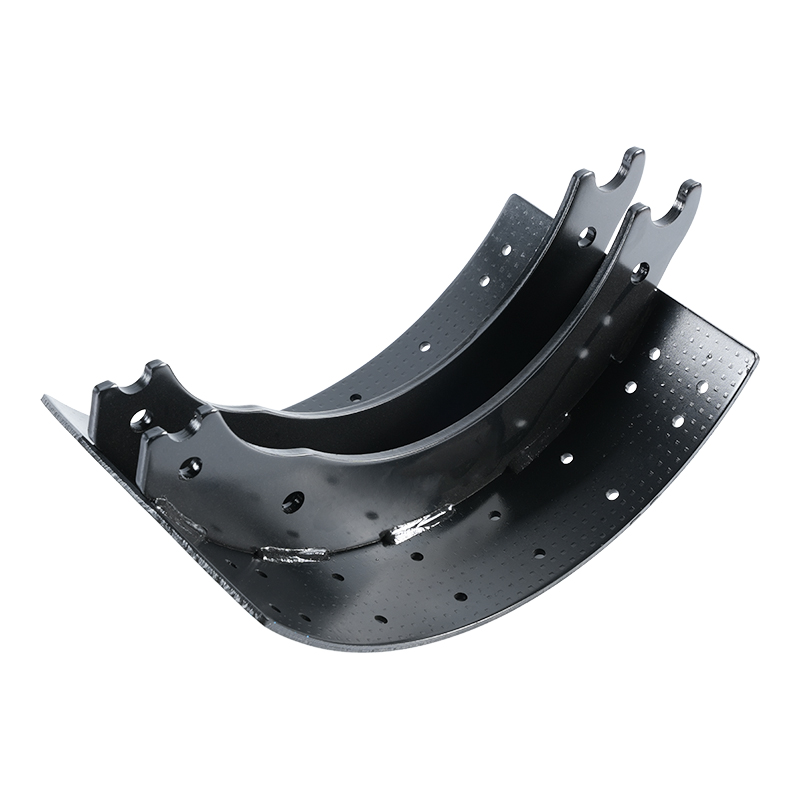
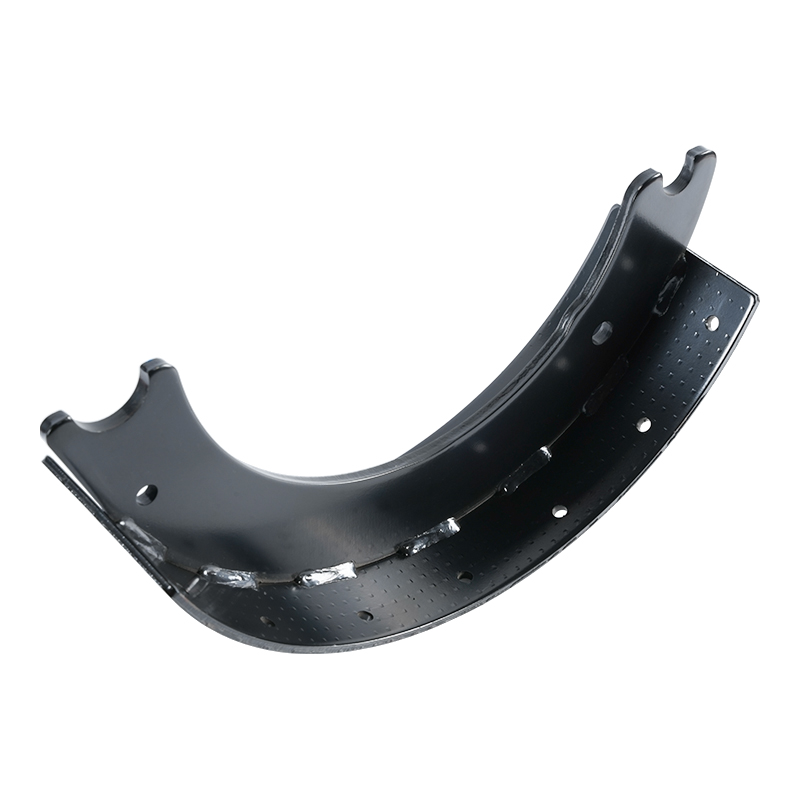
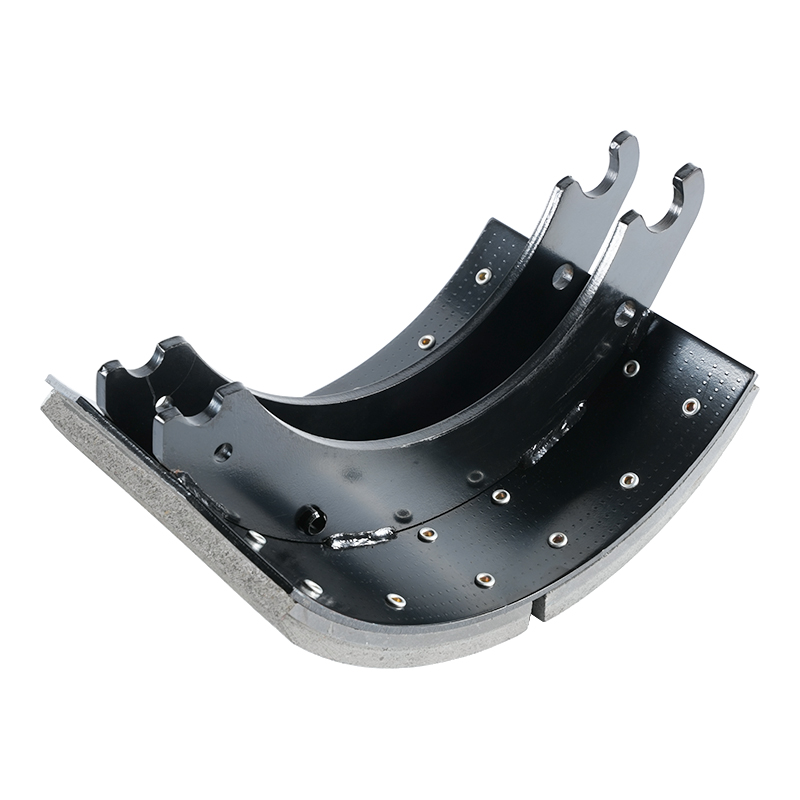
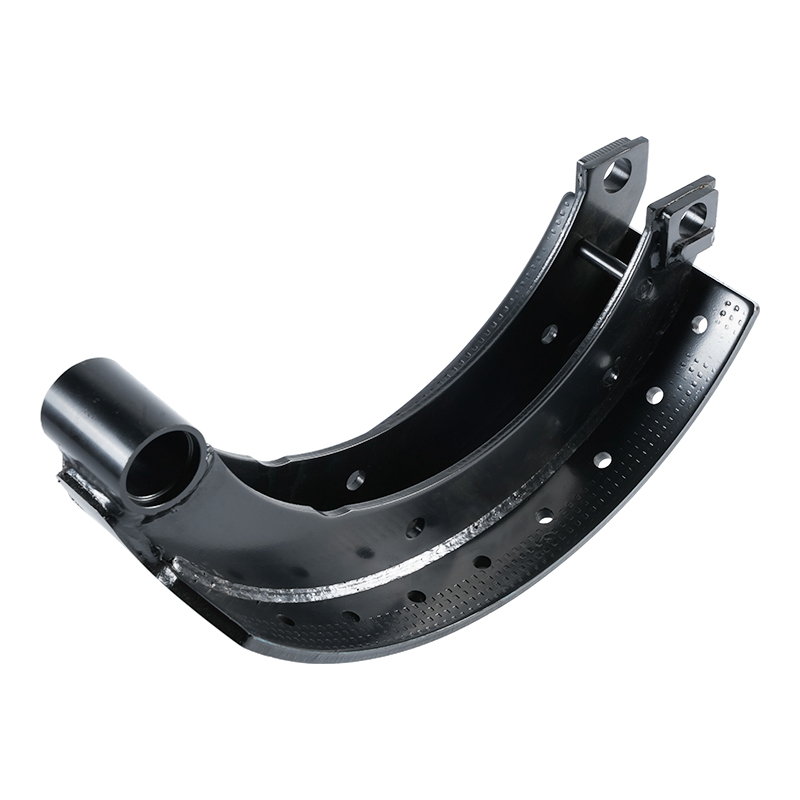
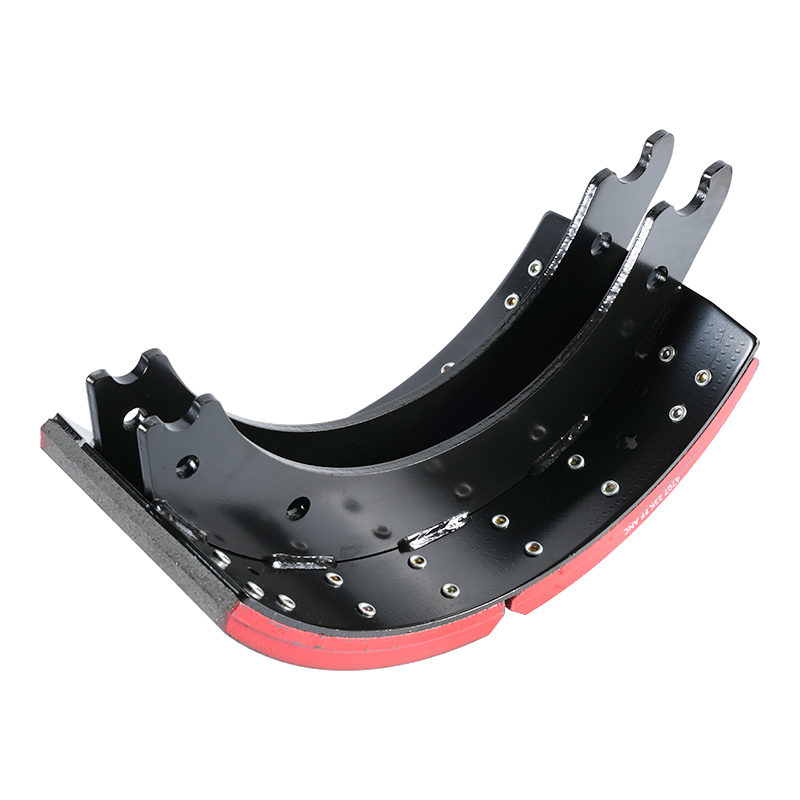
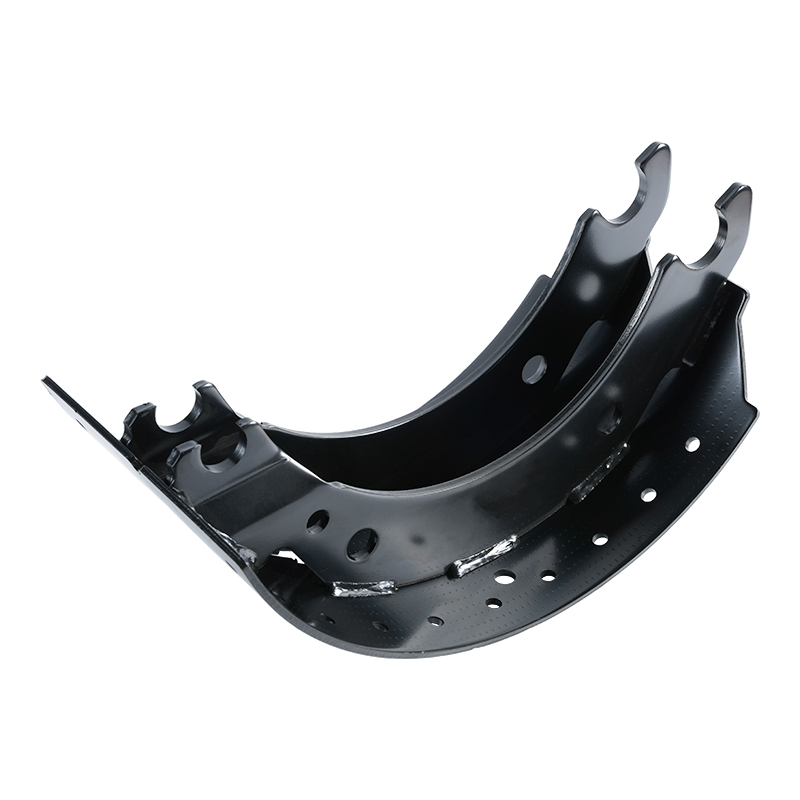
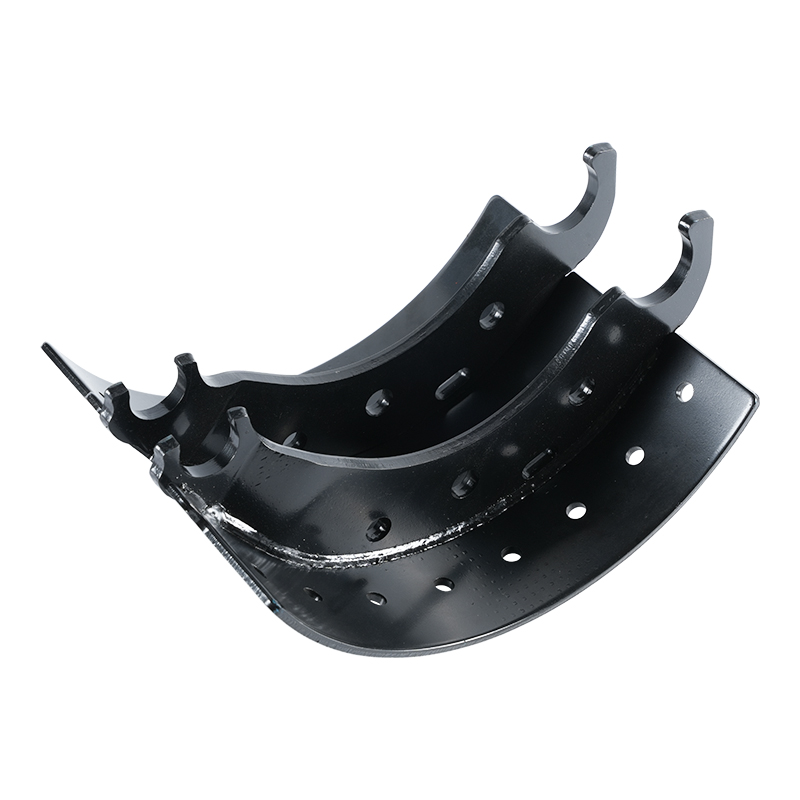
- The Shoe: This is the key component. It’s a curved piece of metal with a thick layer of friction material (the brake lining) riveted or bonded to it.
[Image of an exploded view of a drum brake assembly]
How the Brake Shoe Puts the Brakes on the Volvo 200
The way a brake shoe works is surprisingly simple yet incredibly effective for a rear-wheel application, especially in a sturdy vehicle like the Volvo 200.
The Stopping Mechanism
- Driver Presses Pedal: When the driver steps on the brake pedal, hydraulic fluid is forced into the wheel cylinder located inside the brake drum assembly.
- Shoe Expands: The pressure from the fluid pushes against pistons in the wheel cylinder. These pistons then force the two curved brake shoes outward.
- Friction is Applied: The friction material on the shoes presses firmly against the inside surface of the rotating brake drum.
- Deceleration: The resulting friction converts the kinetic energy of the moving wheel into heat, slowing and eventually stopping the car.
Self-Actuating Power
One clever aspect of the drum brake design is its self-actuating nature. As the brake shoe is pressed against the spinning drum, the rotation of the drum itself can help wedge the shoe further into the lining, increasing the braking force. This “servo effect” means that a small amount of force from the driver can create a significant stopping power, which is beneficial for the rear wheels.
Why the Brake Shoe is Crucial for Safety and Maintenance
While they may be out of sight, the brake shoes are a critical safety component, and their design in the Volvo 200 series impacts both performance and maintenance.
The Parking Brake Connection
In many cars, the rear drum brakes serve a dual purpose: they are the primary brake for the rear wheels and they house the parking brake mechanism. When you pull the parking brake lever in a Volvo 200, a cable mechanically forces the brake shoes outward, locking the rear wheels in place. If the shoes are worn, the parking brake will be less effective.
Longevity and Maintenance
Because the front disc brakes do the majority of the stopping work (due to weight transfer during braking), the rear brake shoes in the Volvo 200 typically last much longer than the front brake pads.
- Inspection: The main maintenance required is periodic inspection for wear and ensuring the adjuster mechanism is working correctly to keep the shoes close to the drum for efficient braking.
- Replacement: When the friction material on the shoe wears too thin, the shoes must be replaced. Ignoring this can lead to the metal backing plate contacting the drum, causing noise, damage to the drum, and a dangerous loss of braking ability.
The simple, robust brake shoe on the back of a classic Volvo 200 series is a testament to the effectiveness of time-tested engineering—a perfect match for a car built to withstand the test of time.

 Home
Home +86-158-6900-2386 / +86-0571-61075636
 zjlrqp@163.com
 No. 518, Nanhu Road, Tianzihu Town, Anji County, Zhejiang Province, China
Copyright © Zhejiang Langrun Auto Parts Co., Ltd. All rights reserved. Heavy-Duty Brake Shoe Manufacturer in China

