


 Eng
Eng 
 中文简体
中文简体
 Home / News / Industry News / Brake Linings: What They Are, How They Work, and When You Actually Need to Replace Them
 Brake Linings: What They Are, How They Work, and When You Actually Need to Replace Them
 2026.04.01
 Industry News
Content
- 1 What Brake Linings Are and How They Fit Into Your Braking System
- 2 The Composition of Brake Lining Materials and Why It Matters
- 3 Types of Brake Linings Available and How They Compare
- 4 How Brake Linings Wear and What Accelerates That Process
- 5 Warning Signs That Your Brake Linings Need Replacing
- 6 The Brake Lining Replacement Process: What's Actually Involved
- 7 Choosing the Right Brake Linings for Your Vehicle and Usage
- 8 Brake Lining Standards, Certifications, and What They Actually Guarantee
What Brake Linings Are and How They Fit Into Your Braking System
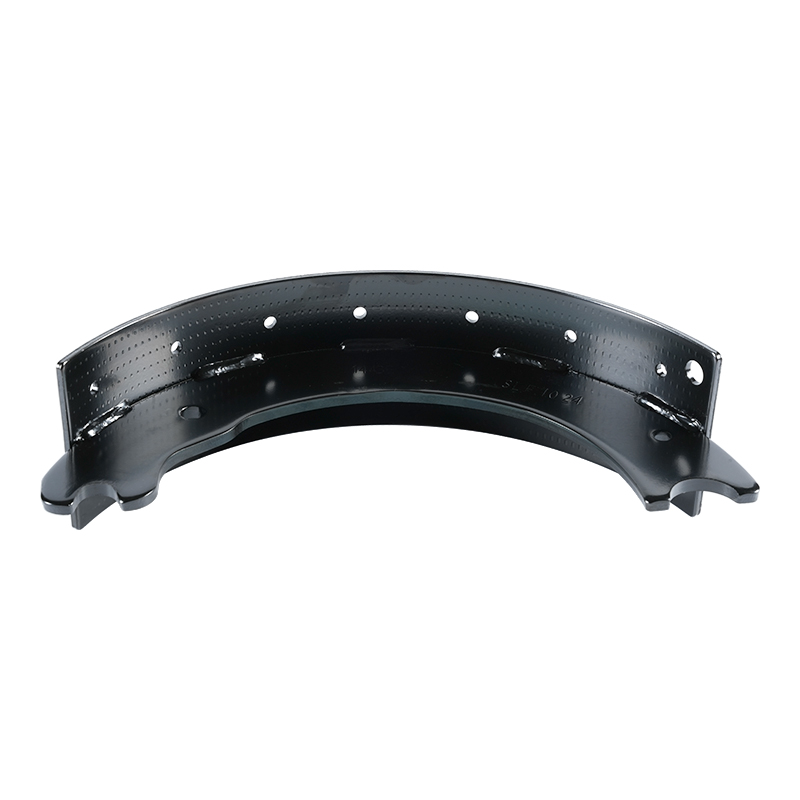
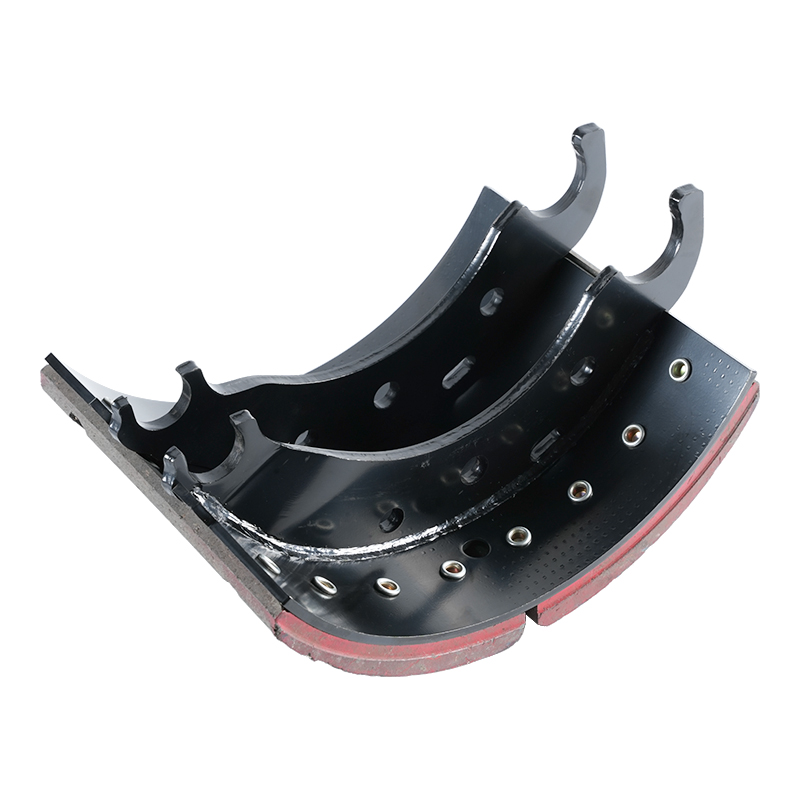
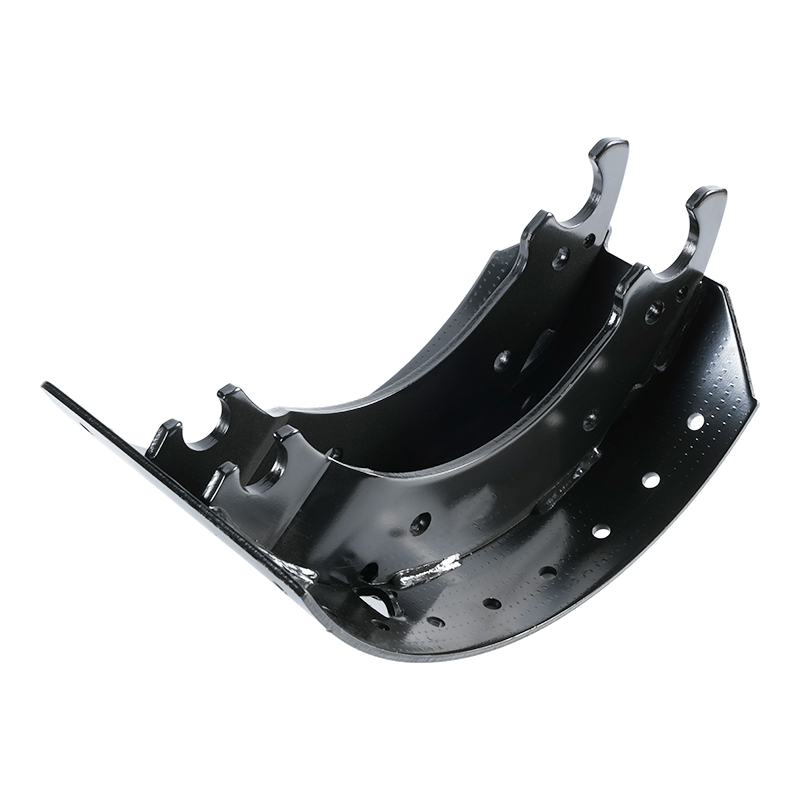
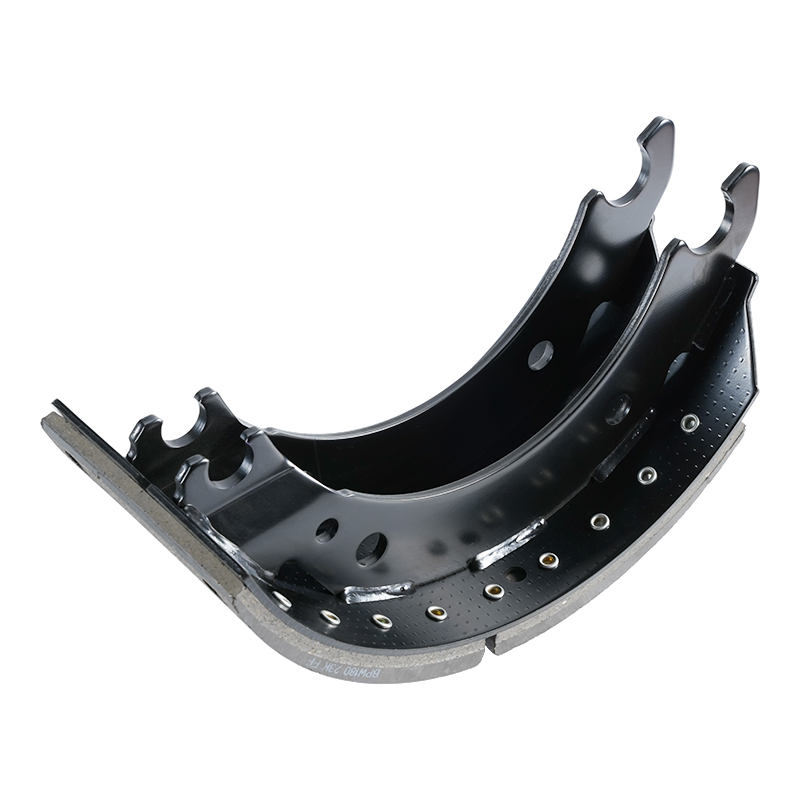
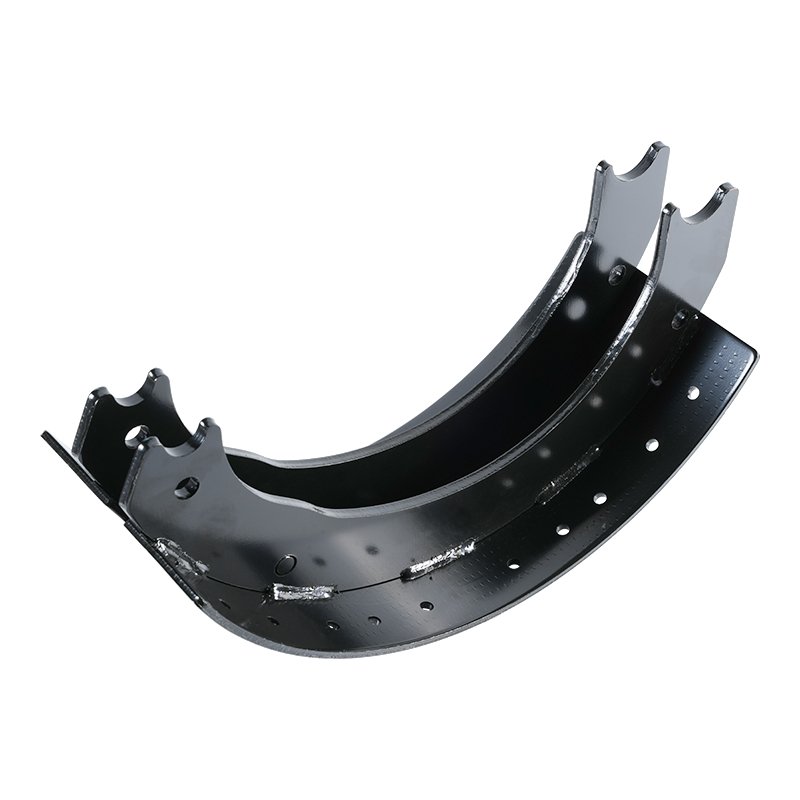
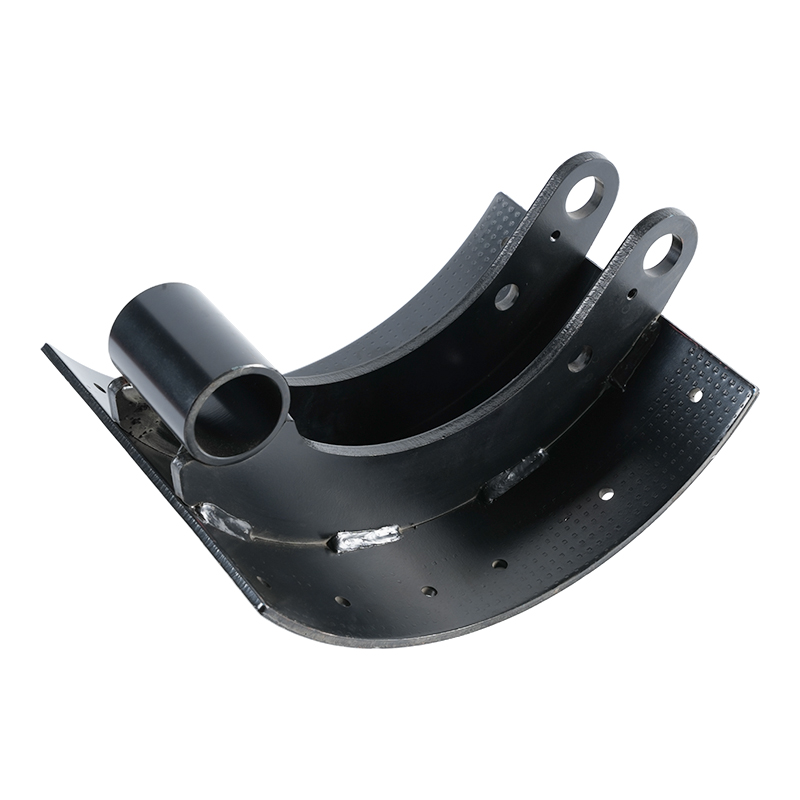
Brake linings are the friction material bonded or riveted to the metal backing plate of a brake shoe in a drum brake system. When you press the brake pedal, hydraulic pressure forces the brake shoes outward against the inside surface of the rotating brake drum, and it is the lining material — not the metal shoe itself — that makes contact with the drum and generates the friction force that slows the vehicle. The lining acts as a sacrificial wear layer specifically engineered to provide consistent, controllable friction across a wide range of temperatures, speeds, and loads while protecting the metal drum from direct metal-to-metal contact that would cause rapid and destructive wear.
It is worth clarifying the distinction between brake linings and brake pads, since the two terms are frequently confused or used interchangeably in casual conversation. Brake pads are the friction components used in disc brake systems, where a caliper squeezes two pads against a rotating disc rotor. Brake linings specifically refer to the friction material used in drum brake assemblies. Many modern passenger vehicles use disc brakes on all four wheels and therefore have brake pads rather than linings, but drum brakes with brake linings remain very common on the rear axles of economy cars, light trucks, and commercial vehicles, and are the predominant system on heavy trucks, buses, trailers, agricultural equipment, and industrial machinery worldwide. Understanding this distinction matters when ordering replacement parts or diagnosing brake system problems.
The Composition of Brake Lining Materials and Why It Matters
Brake lining formulation is a complex materials engineering challenge. The friction material must maintain a stable and predictable coefficient of friction across a temperature range that can span from below freezing to several hundred degrees Celsius, resist wear at a rate that provides acceptable service life without generating excessive dust or noise, have sufficient mechanical strength to withstand the clamping and shear forces of braking without cracking or delaminating from the shoe, and meet increasingly stringent environmental and health regulations regarding hazardous constituent materials. These competing requirements explain why brake lining compounds contain a carefully balanced mixture of multiple material categories, each contributing specific properties to the overall performance profile.
Friction Modifiers
Friction modifiers are the ingredients that establish and stabilize the coefficient of friction of the lining material. They include both abrasive materials that maintain friction at higher temperatures — such as alumina, zirconia, and hard mineral particles — and lubricating materials that prevent the friction from becoming too aggressive or inconsistent, such as graphite, molybdenum disulfide, and various metal sulfides. The balance between abrasive and lubricating components is the primary lever for tuning the friction coefficient and its stability across the operating temperature range of the lining.
Binders and Reinforcing Fibers
The binder holds the friction compound together and provides the structural matrix that gives the lining its mechanical integrity. Phenolic resin, often modified with rubber or other polymers for improved flexibility and heat resistance, is the dominant binder material in modern brake linings. Reinforcing fibers are dispersed through the binder matrix to improve tensile strength, thermal stability, and resistance to cracking under thermal cycling. Steel fiber, aramid fiber, glass fiber, and ceramic fiber are all used depending on the performance and cost requirements of the lining grade. The progressive elimination of asbestos fibers — once the dominant reinforcement in brake linings due to their exceptional heat resistance — from all brake friction materials is now essentially complete in developed markets following decades of health-driven regulatory action, though asbestos-containing brake products unfortunately persist in some developing market supply chains.
Fillers and Other Additives
Fillers such as barium sulfate, calcium carbonate, and various metal powders are incorporated to adjust density, compressibility, thermal conductivity, and cost. Rubber particles or powder are added to improve the damping characteristics of the lining, reducing the tendency to generate brake squeal. Metal powders — most commonly copper, brass, and iron — contribute to thermal conductivity, which helps dissipate the heat generated during braking and prevents thermal buildup that can cause fade. The ongoing regulatory drive to eliminate copper from brake friction materials in North America and Europe, driven by concerns about copper contamination of waterways from brake dust, is reshaping lining formulations in these markets and accelerating the development of copper-free alternatives.
Types of Brake Linings Available and How They Compare
The brake lining market broadly categorizes products into several material families, each representing a different approach to balancing the competing performance requirements of friction stability, wear resistance, noise, and cost. The right choice depends on the vehicle type, operating conditions, and the priorities of the vehicle owner or fleet operator.
| Lining Type | Composition | Key Strengths | Limitations | Typical Applications |
| Non-asbestos organic (NAO) | Organic fibers, rubber, carbon, filler in phenolic resin | Quiet, gentle on drums, low dust | Faster wear, lower heat resistance | Light passenger vehicles, low-stress use |
| Semi-metallic | 30–65% steel fiber/wool in resin matrix | High heat tolerance, long wear life, consistent performance | Noisier, harder on drums, less effective when cold | Performance cars, trucks, towing applications |
| Low-metallic NAO | 10–30% steel or copper fiber in organic matrix | Better heat transfer than pure organic, good bite | More noise and dust than NAO | Mid-range passenger and light commercial vehicles |
| Ceramic | Ceramic fibers, non-ferrous metals, bonding agents | Very quiet, minimal dust, excellent fade resistance | Higher cost, less initial bite when cold | Premium passenger vehicles, comfort-focused drivers |
| Heavy-duty sintered metallic | Sintered metal powder composite, no organic binder | Extreme heat and load capacity, maximum durability | Aggressive on drums, high cost, noisy | Heavy trucks, buses, aircraft, industrial machinery |
How Brake Linings Wear and What Accelerates That Process
Understanding what causes brake lining wear helps vehicle owners and fleet operators make more informed decisions about maintenance intervals, driving habits, and product selection. Lining wear is not simply a function of distance traveled — it is driven by a combination of thermal, mechanical, and chemical factors that vary enormously depending on how and where a vehicle is used.
Heat as the Primary Driver of Lining Degradation
The conversion of kinetic energy to heat is the fundamental mechanism of drum braking, and heat is the primary enemy of brake lining service life. Every braking event raises the temperature of the lining material, and repeated high-temperature cycles gradually degrade the phenolic resin binder, reduce the effectiveness of lubricating friction modifiers, and cause progressive thermal decomposition of organic components. When lining temperatures exceed the design operating range of the material — which varies by formulation but typically begins above 300–400°C for standard grades — the rate of binder degradation accelerates dramatically. This is why heavy vehicles descending long mountain grades, performance vehicles used on track days, and delivery vehicles making frequent stops in urban environments all consume brake linings at rates several times higher than the same vehicles in highway cruise conditions.
Abrasive Wear at the Friction Interface
At the contact interface between the lining and the drum, wear occurs through abrasive cutting of the softer lining surface by hard particles — both from the lining's own abrasive friction modifier content and from hard particles transferred from or embedded in the drum surface. The rate of abrasive wear is strongly influenced by contact pressure, sliding speed, and the hardness contrast between the lining material and the drum surface. Severely worn or grooved brake drums with rough surface finishes accelerate lining wear significantly because the irregular surface creates point contacts with much higher local contact pressures than a smooth drum surface. This is why fitting new brake linings onto worn, grooved, or out-of-round drums is poor practice — the drums should be machined to a smooth surface or replaced simultaneously with the linings.
Factors That Shorten Brake Lining Service Life
- Frequent heavy braking: Stop-and-go urban driving, mountain descents, and towing heavy loads all generate far more heat per distance traveled than steady highway driving, dramatically increasing wear rates compared to mixed-use or highway-dominated driving patterns.
- Incorrect lining-to-drum fit: Linings that are not properly arc-ground to match the drum radius make contact only at a small portion of their surface area, concentrating braking forces and heat generation in a small zone, accelerating local wear and potentially causing glazing or cracking.
- Contamination with oil or brake fluid: Even small amounts of oil, grease, or brake fluid contaminating the lining surface dramatically reduce friction and cause unpredictable braking behavior. Contaminated linings must always be replaced — cleaning is not effective because the contaminant penetrates the porous lining structure.
- Brake drag: A brake shoe that does not fully retract when the pedal is released creates continuous low-level contact between the lining and drum, generating heat and accelerating wear even when no intentional braking is occurring. Brake drag can result from a stuck wheel cylinder, weak or broken return springs, or a misadjusted self-adjuster mechanism.
- Water and corrosion: Prolonged exposure to standing water causes surface corrosion on the drum, and the roughened corroded surface then abrades the lining more aggressively. Vehicles stored for extended periods often exhibit accelerated lining wear in the first few braking events after storage due to corrosion buildup on the drum contact surface.
Warning Signs That Your Brake Linings Need Replacing
Recognizing the symptoms of worn or failing brake linings before they reach a safety-critical condition is one of the most important aspects of vehicle maintenance. Many of these warning signs are unmistakable once you know what to look and listen for, and acting on them promptly prevents the more expensive secondary damage that worn-out linings invariably cause to drums and other brake components.
- Grinding or metal-on-metal noise during braking: A harsh grinding or scraping sound when the brakes are applied is the most serious warning sign and indicates that the lining material has worn through completely, leaving the bare metal shoe backing plate contacting the drum directly. This situation requires immediate attention — continued driving will rapidly destroy the drum and potentially cause complete brake failure.
- Squealing or high-pitched noise: A persistent squeal during braking can indicate linings worn to or near their minimum thickness. Many brake linings incorporate wear indicator tabs — small metal protrusions that begin to contact the drum when the lining thickness falls to the replacement threshold, producing a characteristic squealing sound as an audible warning.
- Reduced braking effectiveness or longer stopping distances: If the vehicle takes noticeably longer to stop from the same speed, or requires significantly more pedal effort than usual to achieve normal deceleration, worn or glazed brake linings are a likely cause. Glazing — a hardened, smooth surface layer on the lining caused by overheating — dramatically reduces the friction coefficient without necessarily wearing the lining to minimum thickness.
- Vehicle pulling to one side under braking: If the vehicle pulls left or right when the brakes are applied, one side's linings are generating more friction than the other. This can be caused by uneven wear between sides, oil contamination on one side, a seized wheel cylinder on one side, or mismatched lining grades between left and right.
- Vibration or pulsation through the pedal or vehicle body: Pulsation during braking often indicates an out-of-round brake drum or uneven lining thickness. As the drum rotates, the varying contact between drum and lining produces cyclic variations in braking force that are felt as a pulsation through the brake pedal or vehicle body.
- Visual inspection showing lining thickness at or below minimum: On many drum brake designs, the brake assembly can be inspected through an inspection port in the backing plate or by removing the drum. Brake lining thickness should be measured and compared against the vehicle manufacturer's minimum specification — typically 1.5–3mm of remaining lining material — and replacement scheduled before the minimum is reached.
The Brake Lining Replacement Process: What's Actually Involved
Replacing brake linings is a more involved process than replacing brake pads in a disc brake system, and understanding what the job entails helps vehicle owners evaluate repair quotes and have informed conversations with their mechanics. While a skilled DIY mechanic can perform drum brake shoe replacement, the work requires more steps, more tools, and more attention to detail than disc brake pad replacement, and errors in reassembly have direct safety consequences.
Drum Removal and Inspection
The brake drum must be removed to access the shoes and linings. On many vehicles, the drum simply slides off the axle flange once the wheel is removed, but on others it may be retained by the wheel bearing arrangement or corroded onto the hub, requiring careful use of a drum puller. Once removed, the drum interior surface must be inspected for wear grooves, scoring, heat checking (fine surface cracks from thermal cycling), out-of-roundness, and overall drum diameter. A drum that has been worn oversize — measured with a drum micrometer and compared against the maximum diameter stamped on the drum — must be replaced rather than reused, even with new linings. A drum within specification can be machined on a brake lathe to restore a smooth, round surface, removing the minimum necessary material to achieve this.
Shoe and Hardware Replacement
Brake shoes are typically replaced as a complete axle set — both sides simultaneously — to maintain balanced braking performance between left and right wheels. The shoe assembly involves numerous small hardware components: return springs that retract the shoes when braking force is released, hold-down springs and pins that locate the shoes on the backing plate, self-adjuster mechanisms that maintain the correct shoe-to-drum clearance as the linings wear, and the wheel cylinder that provides the hydraulic force to actuate the shoes. All of this hardware should be replaced or at minimum carefully inspected during lining replacement. Return springs in particular weaken and take a set over time, and reusing fatigued springs is a common cause of brake drag and premature lining wear after a rebuild. The wheel cylinder must be inspected for leaks and internal corrosion, and replaced if any seepage is found.
Bedding In New Brake Linings
New brake linings require a bedding-in period after installation to achieve their full friction performance. The bedding process involves a series of controlled moderate braking applications from progressively higher speeds that allow the lining surface to seat against the drum profile, transfer a thin, uniform layer of friction material onto the drum surface, and burn off any surface contaminants or curing compounds from the new lining. Avoiding heavy or prolonged braking during the first 200–500 kilometers after lining replacement allows this process to occur correctly. Aggressive braking with cold, unbedded linings can cause uneven transfer film deposition that leads to judder, noise, and inconsistent friction performance throughout the lining's service life.
Choosing the Right Brake Linings for Your Vehicle and Usage
With a wide range of brake lining products available at different price points and performance levels, selecting the most appropriate option for your specific vehicle and driving pattern requires thinking through several practical considerations rather than simply buying the cheapest available replacement or defaulting to the most expensive premium option.
- Match the lining to the operating conditions: A standard NAO lining is perfectly adequate for a compact car used primarily in light urban driving. The same lining on a heavily loaded commercial vehicle or a car regularly used for towing would overheat and wear rapidly. Matching the lining heat rating and friction category to the actual thermal demands of the application is the most important selection criterion.
- Verify friction coefficient compatibility: Brake linings are assigned a friction coefficient code — typically two letters indicating the nominal and hot friction coefficient, such as EE, FF, or GG — by standards such as SAE J661. The vehicle's braking system is designed and calibrated around a specific friction coefficient range, and fitting linings with a significantly different coefficient can result in brakes that are either less effective than designed or more aggressive than the hydraulic system and driver expectation anticipate.
- Always replace in axle sets: Never replace the linings on only one side of an axle. Unequal friction between left and right will cause the vehicle to pull under braking, creating a safety hazard and uneven secondary wear on the side with the older lining.
- Consider OEM vs. aftermarket carefully: Genuine OEM brake linings are formulated and validated specifically for the vehicle model and braking system they are designed for. Quality aftermarket linings from reputable manufacturers — those meeting OEM equivalent specifications and carrying recognized certifications — can offer equal performance at lower cost. Unbranded or very low-cost linings from unknown sources should be treated with significant caution, as friction material formulation and quality control directly affect both braking performance and safety.
- For heavy commercial vehicles, prioritize compliance and certification: Heavy truck and bus brake linings are subject to type approval regulations in most markets, including ECE R90 in Europe and FMVSS 121 in the United States. These regulations require that replacement friction materials meet defined performance criteria relative to the original equipment. Using certified, compliant lining products on commercial vehicles is both a legal requirement and a fundamental safety obligation.
Brake Lining Standards, Certifications, and What They Actually Guarantee
The brake friction material industry operates under a framework of national and international standards that establish minimum performance requirements for replacement brake linings. Understanding what these standards test and what they guarantee — and equally, what they do not guarantee — helps buyers make more informed judgments about product quality.
ECE Regulation R90 is the primary European standard for replacement brake lining assemblies for road vehicles. It requires that replacement linings demonstrate friction performance within a defined tolerance of the original equipment materials across a standardized test sequence that includes cold performance, effectiveness, fade resistance, and recovery after fade. Achieving R90 certification requires independent laboratory testing and periodic production conformity checks, providing meaningful assurance that a certified lining will behave predictably in the braking system it is installed in. In North America, FMVSS 121 establishes performance standards for air brake systems on heavy commercial vehicles, while SAE J661 provides the standard test method for characterizing friction coefficient — the basis of the friction coding system used to communicate lining friction characteristics.
What these standards do not fully address is long-term wear life, noise characteristics, dust generation, and compatibility with every possible drum condition and vehicle model. A lining can be fully certified under applicable standards and still produce more noise, wear faster, or generate more dust than a competing product that exceeds the minimum requirements by a larger margin. For demanding applications, the most reliable quality indicator beyond certification is the track record of a specific product in real-world use under comparable conditions — which is why fleet operators and professional mechanics who replace linings regularly develop strong, experience-based brand and product preferences that go beyond regulatory compliance alone.

 Home
Home +86-158-6900-2386 / +86-0571-61075636
 zjlrqp@163.com
 No. 518, Nanhu Road, Tianzihu Town, Anji County, Zhejiang Province, China
Copyright © Zhejiang Langrun Auto Parts Co., Ltd. All rights reserved. Heavy-Duty Brake Shoe Manufacturer in China

