


 Eng
Eng 
 中文简体
中文简体
 Home / News / Industry News / Brake Shoes vs. Brake Pads: A Comprehensive Guide to Diagnostics, Lifespan, and Maintenance
 Brake Shoes vs. Brake Pads: A Comprehensive Guide to Diagnostics, Lifespan, and Maintenance
 2026.01.27
 Industry News
Content
Understanding the Mechanism of Brake Shoes in Drum Systems
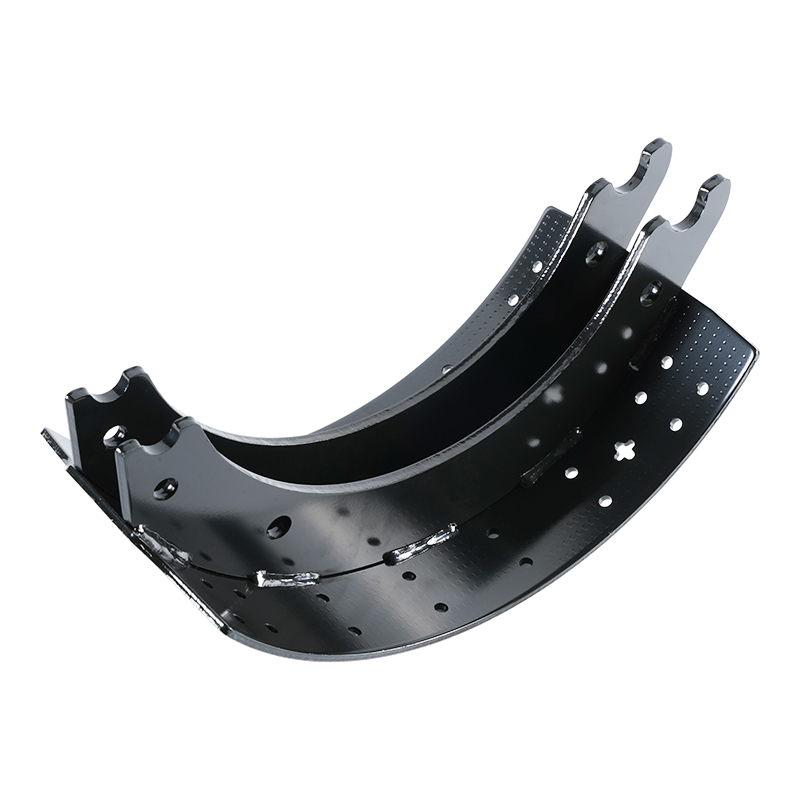
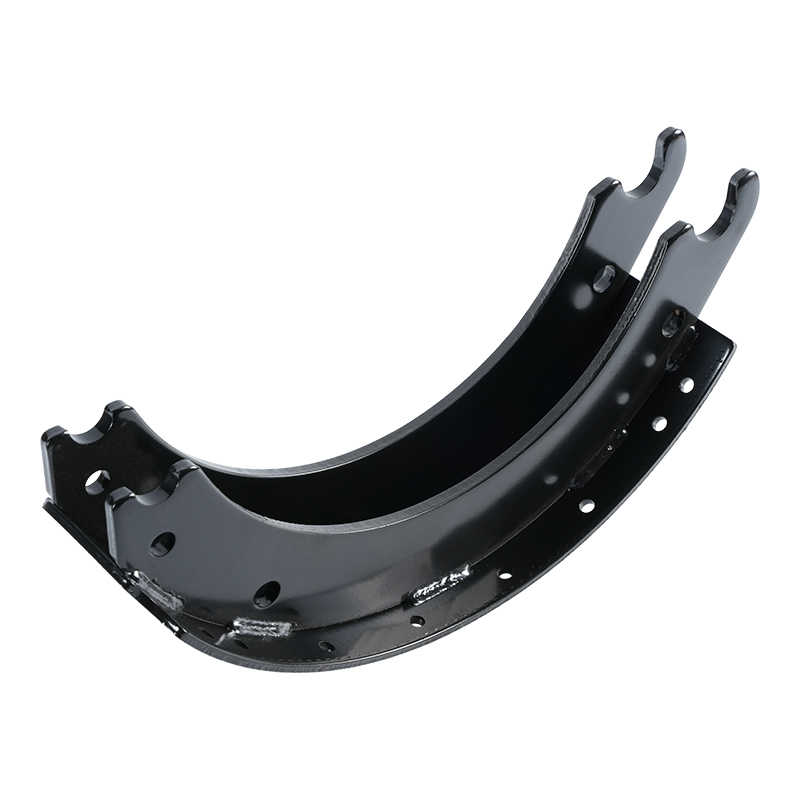
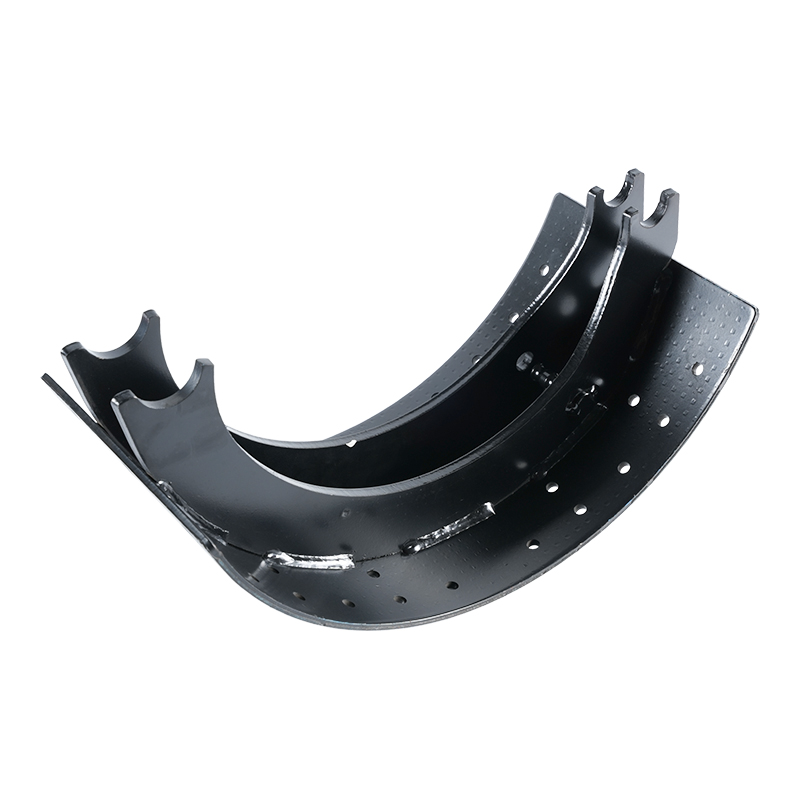
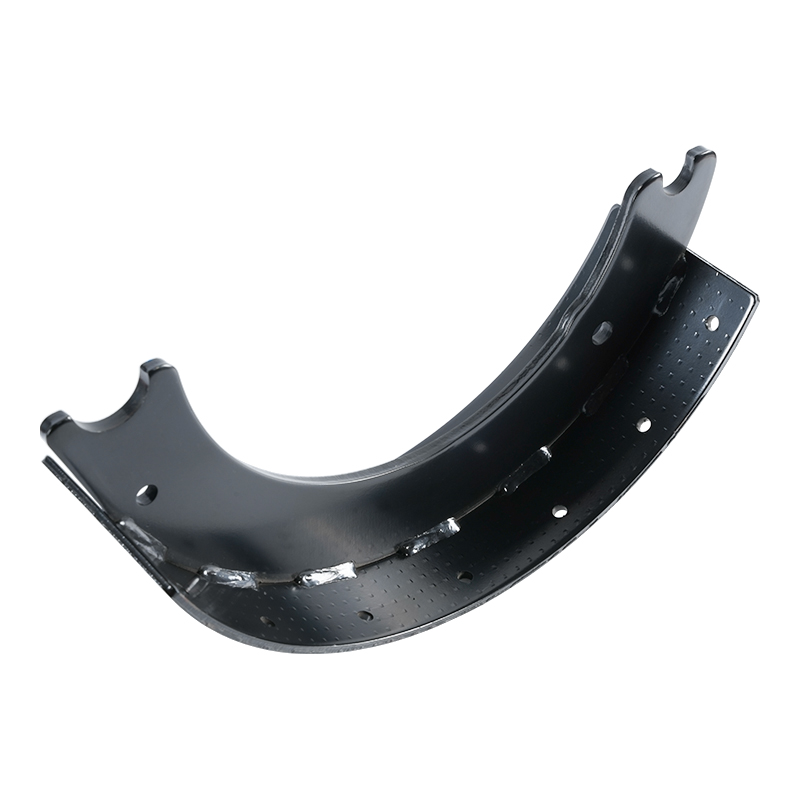
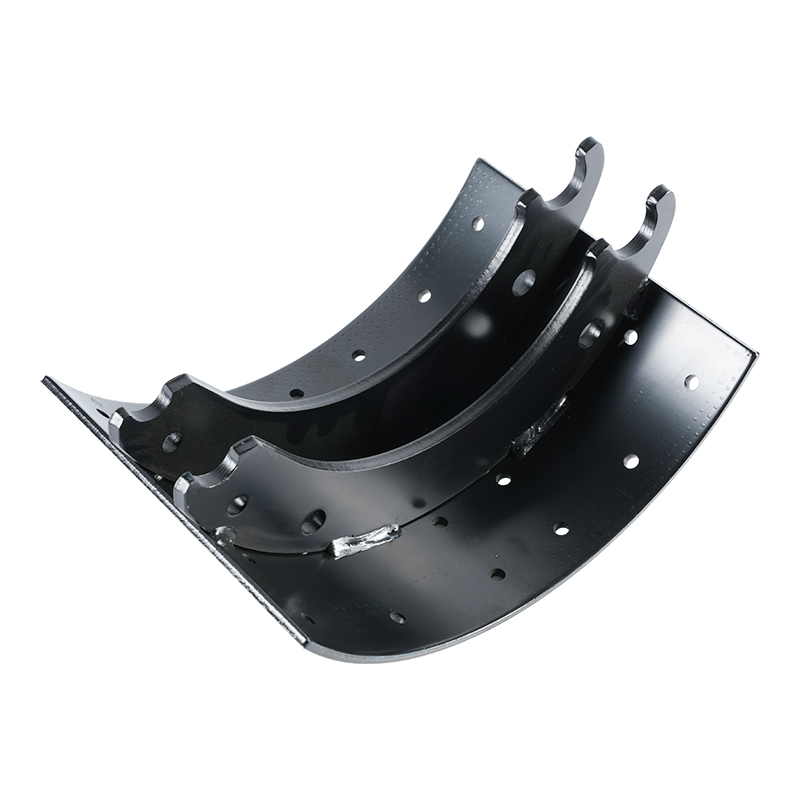
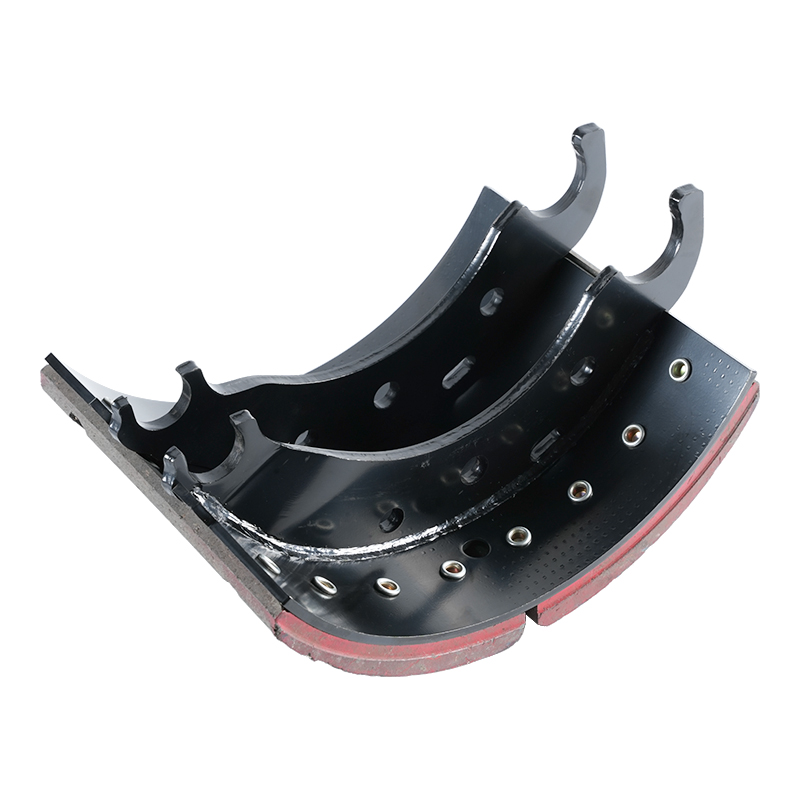
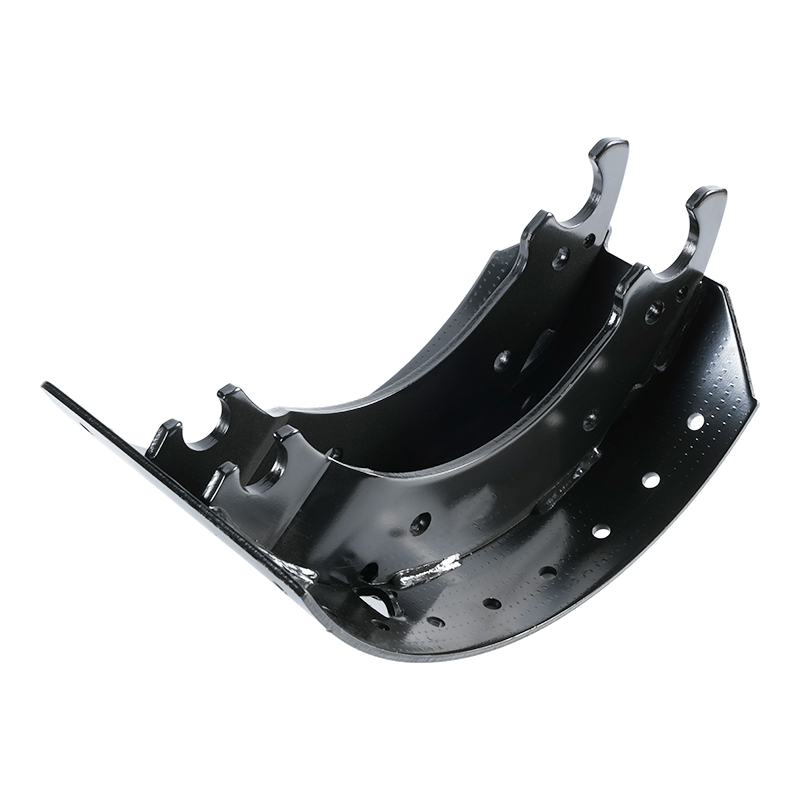
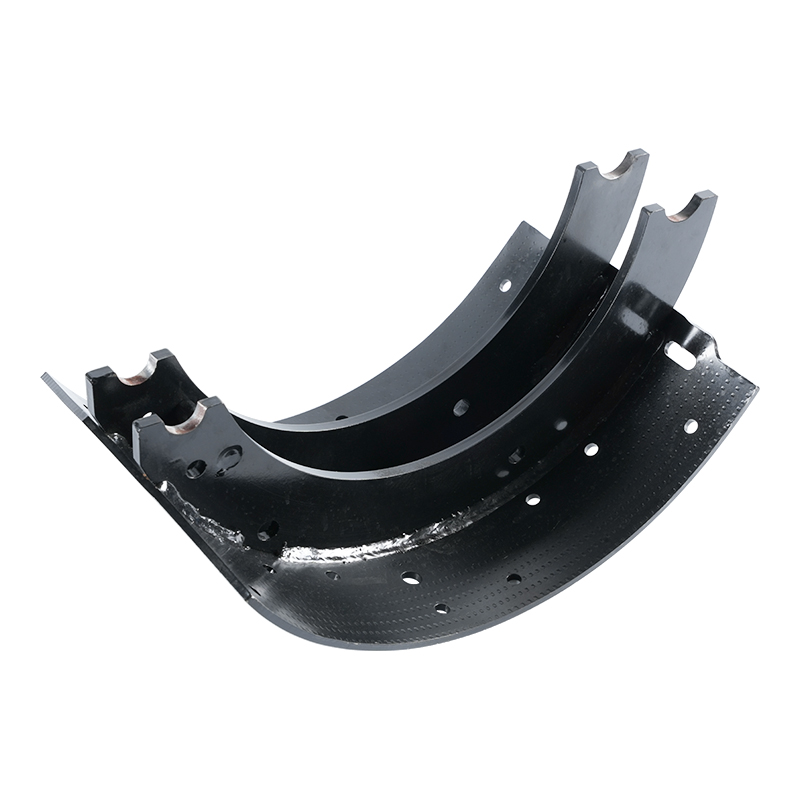
To truly maintain your vehicle, it is essential to distinguish between brake shoes and brake pads. Brake shoes are the friction elements used specifically within drum brake systems, which are commonly found on the rear axles of many trucks, SUVs, and economy cars. Unlike brake pads that squeeze a rotor, brake shoes are crescent-shaped components typically made of steel with friction material bonded or riveted to one side. When you press the brake pedal, a wheel cylinder pushes these shoes outward against the inside of a spinning drum. This outward force creates the friction necessary to slow down and stop the vehicle.
Because they are enclosed inside the drum, brake shoes are better protected from road debris and mud compared to exposed disc brakes. However, this enclosure can also retain heat and brake dust, which may affect performance over time. Understanding this internal expansion mechanism is key to diagnosing issues, as the wear patterns on shoes differ significantly from pads. The "self-energizing" effect of some drum designs means the rotation of the drum drags the shoe into tighter contact, providing substantial stopping power without excessive hydraulic pressure.
Critical Symptoms of Worn or Failing Brake Shoes
Audible Scraping and Clicking Sounds
One of the earliest indicators of brake shoe failure is distinct noise. Unlike the high-pitched squeal of a brake pad wear indicator, worn brake shoes often produce a scraping or grinding sound from the rear of the vehicle. This noise generally indicates that the friction material has worn down completely, causing the metal backing plate of the shoe to grind directly against the metal drum. Additionally, a clicking noise appearing while braking at low speeds can suggest that the hold-down springs or hardware securing the shoes have become loose or broken.
Reduced Parking Brake Effectiveness
Since the parking brake (or emergency brake) usually engages the rear brake shoes mechanically, the condition of the shoes directly impacts the handbrake's performance. If you notice that you need to pull the handbrake lever higher than usual to hold the car on an incline, or if the car rolls slightly even when the brake is engaged, it is a strong practical sign that the brake shoes are worn thin. The self-adjuster mechanism may have reached its limit, preventing the shoes from expanding enough to lock the drum securely.
Comparative Analysis: Brake Shoes vs. Brake Pads
While both components serve the same ultimate purpose—stopping the vehicle—their operational environments and maintenance needs are distinct. Brake shoes generally have a longer lifespan than pads because they are typically used on the rear axle, which bears less of the braking load (usually about 30%) compared to the front axle. The table below outlines the key practical differences to help you decide on the right maintenance schedule.
| Feature | Brake Shoes | Brake Pads |
| Position | Inside a Brake Drum | Surrounding a Brake Rotor |
| Typical Lifespan | 35,000 - 50,000 miles | 25,000 - 40,000 miles |
| Heat Dissipation | Lower (Enclosed system) | Higher (Exposed to air) |
| Main Application | Rear axles, Heavy-duty braking | Front axles, Performance braking |
Choosing the Right Friction Material
When replacing brake shoes, the choice of friction material dictates braking feel, noise levels, and durability. Most modern vehicles use one of two types of bonding methods for the material: riveted or bonded. Riveted shoes are more flexible and quieter but can score the drum if worn down to the rivets. Bonded shoes (glued) offer a longer life but can be brittle. In terms of composition, you will generally encounter three categories:
- Non-Asbestos Organic (NAO): These are made from materials like fiber, glass, and rubber bonded with resin. They are the quietest and softest option, making them ideal for daily city driving where noise reduction is a priority, though they wear out faster and produce more dust.
- Semi-Metallic: Containing between 30% to 65% metal (copper, steel, iron), these shoes are durable and offer excellent heat transfer. They are the standard choice for trucks and SUVs that tow loads, as they resist brake fade better than organics, though they are noisier.
- Ceramic: While less common for shoes than pads, ceramic options exist. They offer a middle ground with low dust, low noise, and good durability, but they are significantly more expensive and generally not necessary for standard rear drum applications.
Best Practices for Brake Shoe Maintenance
Maintaining brake shoes involves more than just swapping them out when they are thin. Because the system is enclosed, brake dust accumulates rapidly inside the drum. It is a constructive practice to remove the brake drum during tire rotations (every 6,000 to 10,000 miles) to clean out this dust using a dedicated brake cleaner. This prevents the dust from acting as an abrasive that wears down the shoe material prematurely.
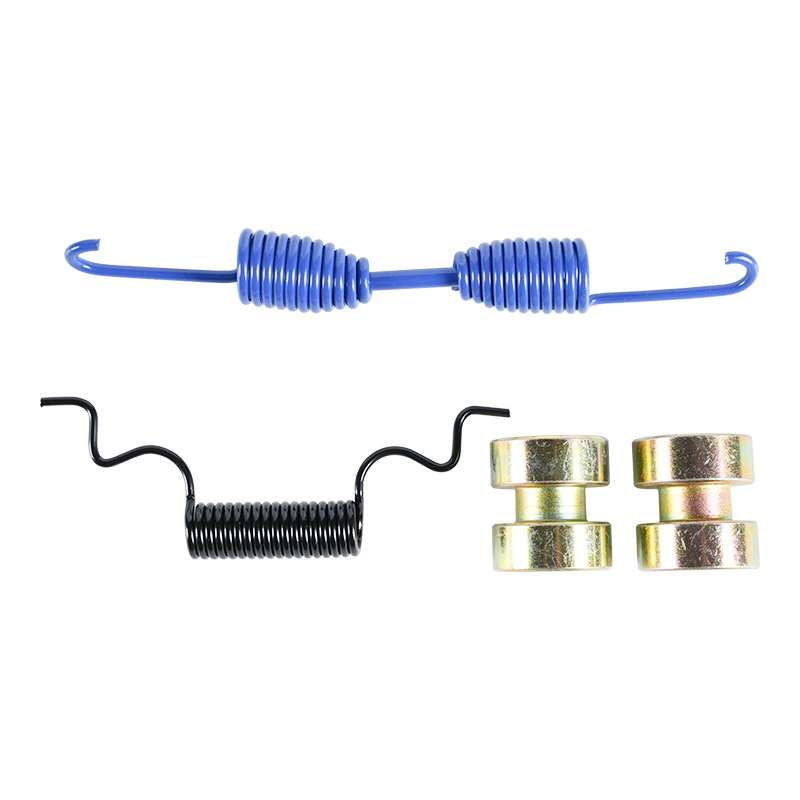
Furthermore, you must inspect the hardware kit—the springs, retainer clips, and self-adjusters. These small metal components are subject to high heat and fatigue. Reusing old springs when installing new brake shoes is a common mistake that leads to uneven wear or dragging brakes. Always replace the hardware kit simultaneously with the shoes to ensure the shoes retract fully when you release the brake pedal.

 Home
Home +86-158-6900-2386 / +86-0571-61075636
 zjlrqp@163.com
 No. 518, Nanhu Road, Tianzihu Town, Anji County, Zhejiang Province, China
Copyright © Zhejiang Langrun Auto Parts Co., Ltd. All rights reserved. Heavy-Duty Brake Shoe Manufacturer in China

