


 Eng
Eng 
 中文简体
中文简体
 Home / News / Industry News / The Complete Guide to Truck Brake Shoe Assembly: Maintenance, Components, and Safety Standards
 The Complete Guide to Truck Brake Shoe Assembly: Maintenance, Components, and Safety Standards
 2026.01.21
 Industry News
Content
Understanding the Anatomy of a Truck Brake Shoe Assembly
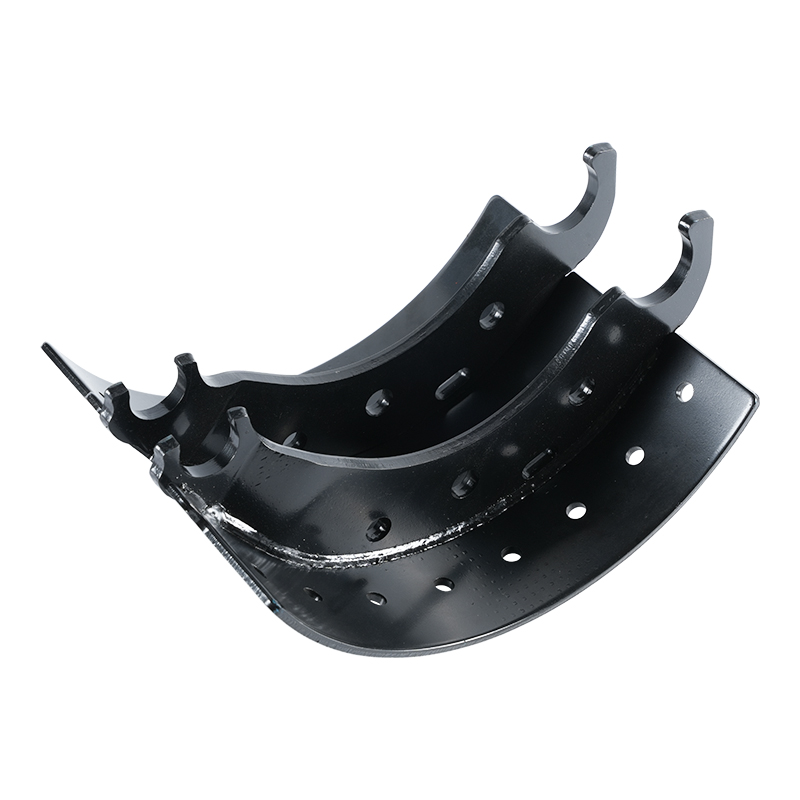
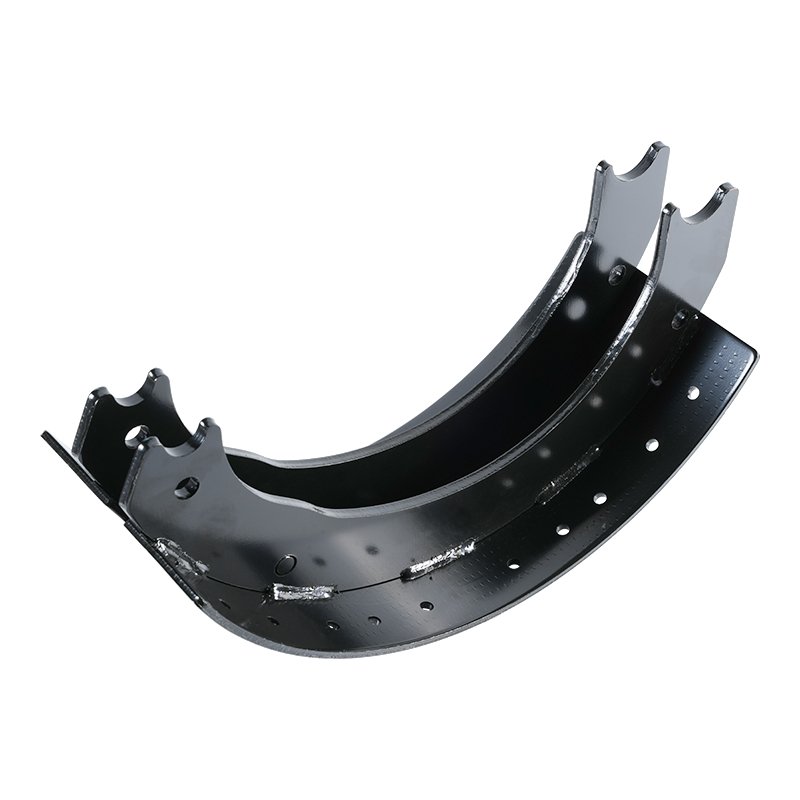
The truck brake shoe assembly is a critical component of the drum braking system, primarily found on the rear axles of medium-duty trucks and across all axles of heavy-duty commercial vehicles. Unlike disc brakes that use calipers to squeeze pads against a rotor, the brake shoe assembly resides inside a circular drum. When the driver applies the brakes, pneumatic or hydraulic pressure forces the brake shoes outward. This creates immense friction against the inner surface of the brake drum, converting kinetic energy into thermal energy to decelerate the vehicle.
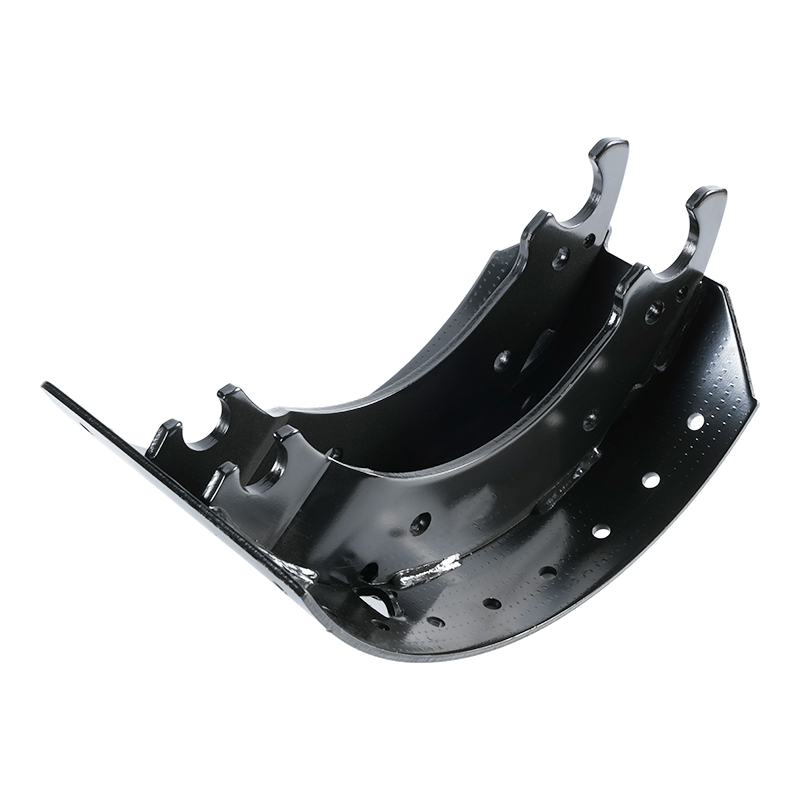
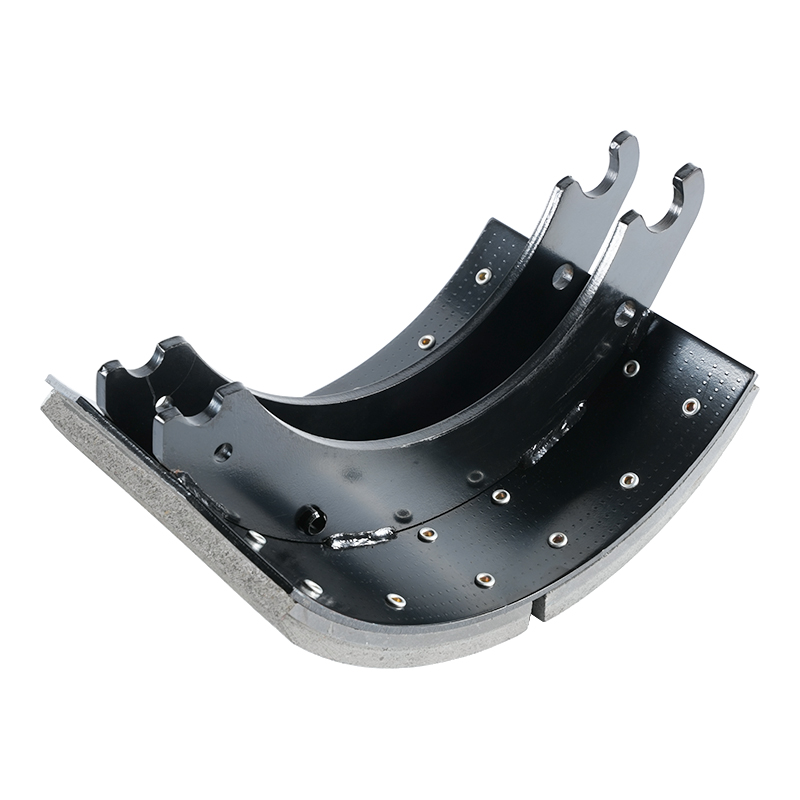
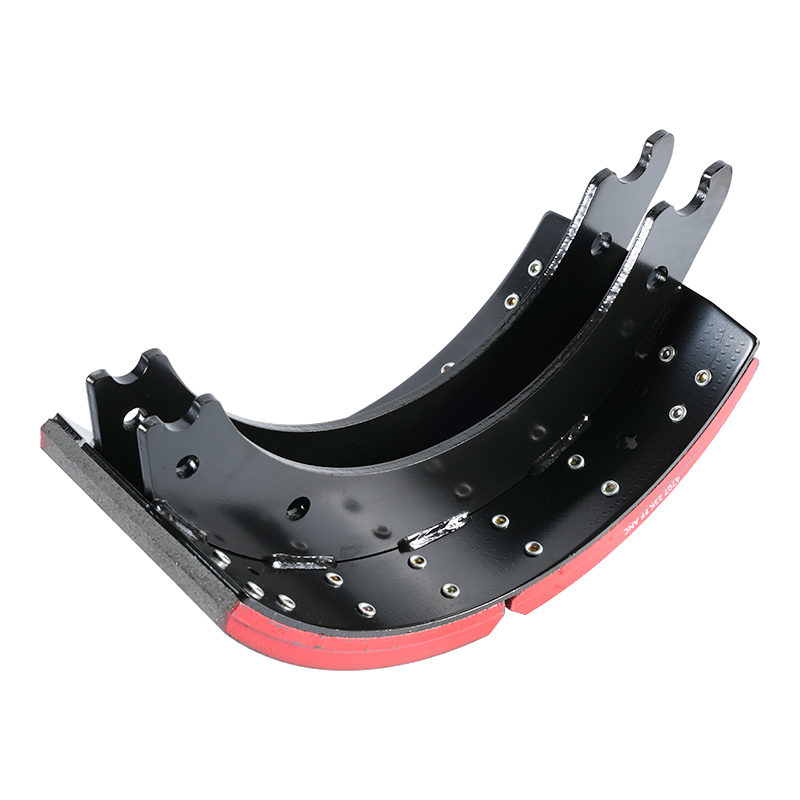
A standard assembly is a complex ecosystem of high-tension springs, anchors, and friction materials. The primary structure is the "table," which supports the friction lining, and the "web," which provides structural rigidity and points of attachment for the return springs. Understanding how these parts interact is essential for diagnosing uneven wear or brake fade, especially under the heavy loads typical of long-haul trucking.
Core Components and Their Functions
To maintain the integrity of a heavy-duty braking system, one must be familiar with the individual parts that make up the assembly. Each piece plays a specific role in ensuring the shoes apply evenly and retract fully when the pedal is released.
Primary and Secondary Shoes
In many configurations, the two shoes in a single wheel assembly are not identical. The primary shoe faces the front of the vehicle, while the secondary shoe faces the rear. The secondary shoe often does more of the braking work due to the self-energizing effect of the drum's rotation.
The Hardware Kit
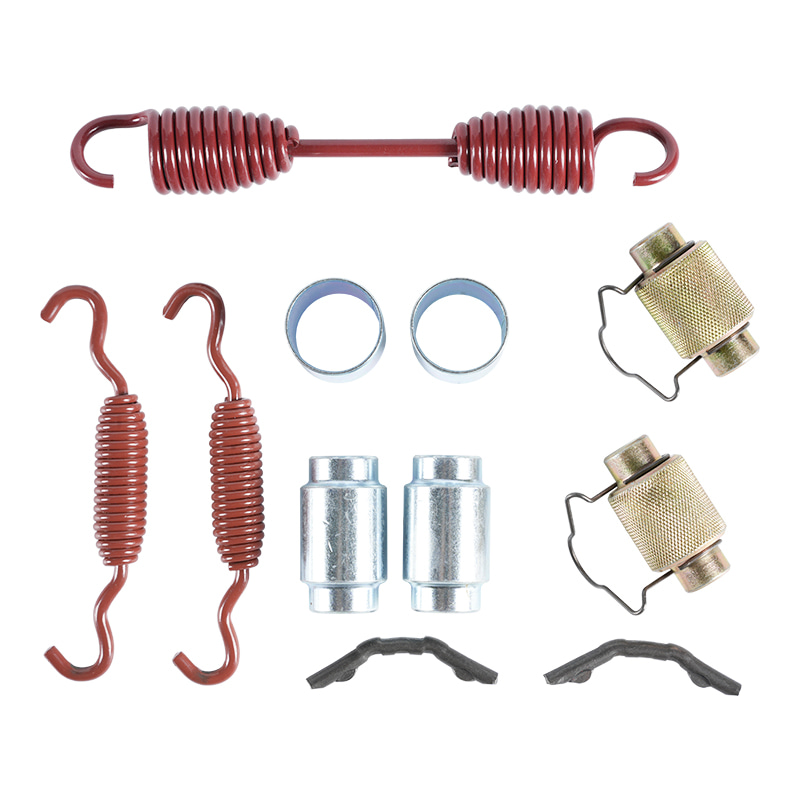
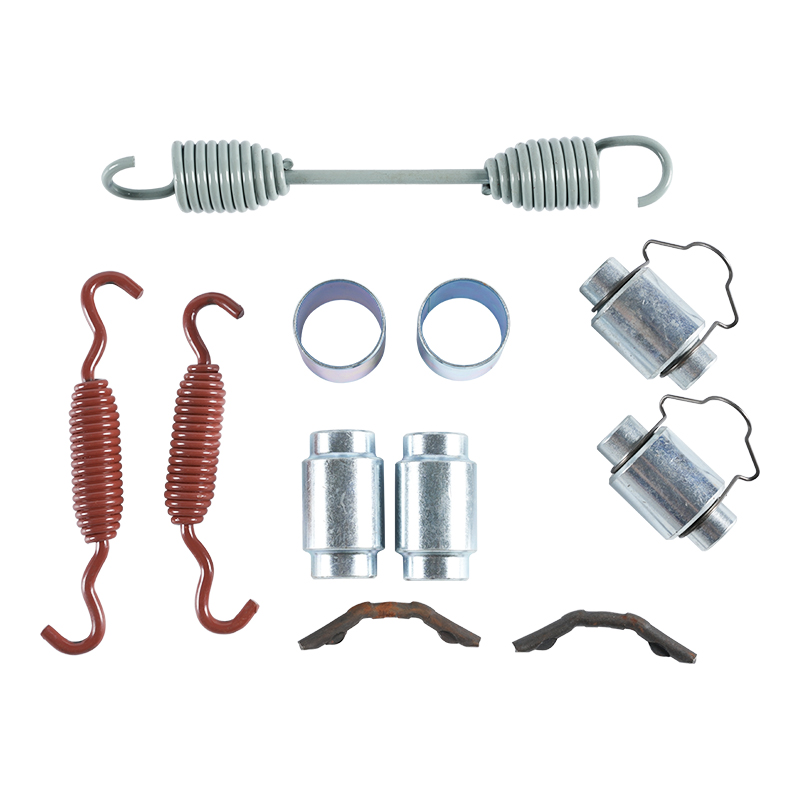
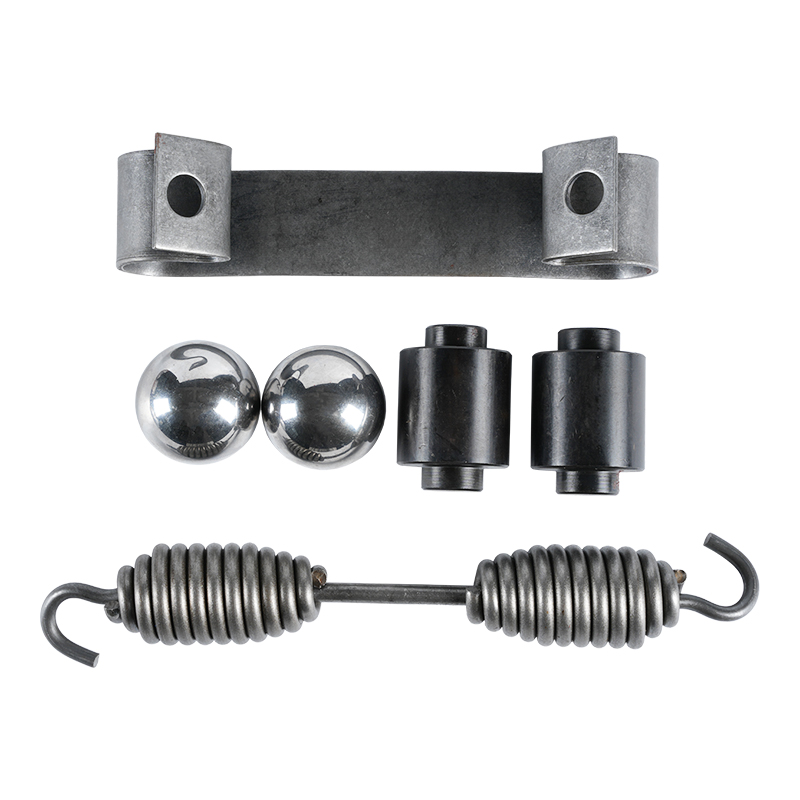
The hardware kit is the "unsung hero" of the assembly, consisting of various springs and pins that manage movement:
- Return Springs: These high-tension springs pull the shoes away from the drum once pressure is released, preventing "dragging" and overheating.
- Hold-Down Springs: These ensure the shoes remain aligned against the backing plate despite road vibrations.
- Anchor Pins: These act as the pivot point for the shoes, allowing them to swing outward effectively.
- Automatic Adjuster (Star Wheel): This mechanism compensates for lining wear by moving the shoes closer to the drum over time.
Friction Material Classification and Comparison
The lining attached to the brake shoe determines the stopping power and the lifespan of the assembly. Manufacturers use different compounds based on the intended load and environment of the truck. Selecting the wrong lining can lead to "glazing," where the material becomes smooth and loses its coefficient of friction.
| Lining Type | Common Application | Key Advantage |
| Non-Asbestos Organic (NAO) | Light to Medium Duty | Quiet operation and low drum wear |
| Semi-Metallic | Heavy Duty / Long Haul | Excellent heat dissipation |
| Sintered Metal | Off-Road / Mining | Extreme durability in harsh debris |
Best Practices for Installation and Maintenance
Proper installation of a truck brake shoe assembly is a safety-critical task. One of the most common errors is failing to lubricate the contact points on the backing plate. These "bosses" should receive a thin layer of high-temperature brake grease to ensure the shoes slide smoothly without binding. Furthermore, technicians should always replace the hardware kit (springs and pins) whenever the shoes are replaced, as metal fatigue in the springs can lead to brake drag.
Regular inspections should focus on the lining thickness and the condition of the drum. If the lining is worn down to the rivets, it will score the drum, requiring an expensive replacement or resurfacing. Look for signs of oil or grease contamination on the shoes, which usually indicates a leaking wheel seal. Contaminated shoes cannot be "cleaned" and must be replaced to ensure consistent braking force across all wheels.
Finally, ensure that the slack adjuster is functioning correctly. In a modern pneumatic system, the slack adjuster regulates the distance between the shoe and the drum. If this is out of sync, the truck may pull to one side during braking, or the stroke of the brake chamber may exceed legal safety limits during a roadside inspection.


 Home
Home +86-158-6900-2386 / +86-0571-61075636
 zjlrqp@163.com
 No. 518, Nanhu Road, Tianzihu Town, Anji County, Zhejiang Province, China
Copyright © Zhejiang Langrun Auto Parts Co., Ltd. All rights reserved. Heavy-Duty Brake Shoe Manufacturer in China

