


 Eng
Eng 
 中文简体
中文简体
 Home / News / Industry News / Everything You Need to Know About Brake Shoes (And When to Replace Them)
 Everything You Need to Know About Brake Shoes (And When to Replace Them)
 2026.05.19
 Industry News
Content
- 1 What Is a Brake Shoe and How Does It Work?
- 2 Brake Shoe vs. Brake Pad: Key Differences at a Glance
- 3 Types of Brake Shoe Lining Materials
- 4 Warning Signs Your Brake Shoes Need Replacing
- 5 How Long Do Brake Shoes Last?
- 6 Brake Shoe Replacement: What to Expect
- 7 The Parking Brake Connection
- 8 Maintenance Tips to Extend Brake Shoe Life
What Is a Brake Shoe and How Does It Work?
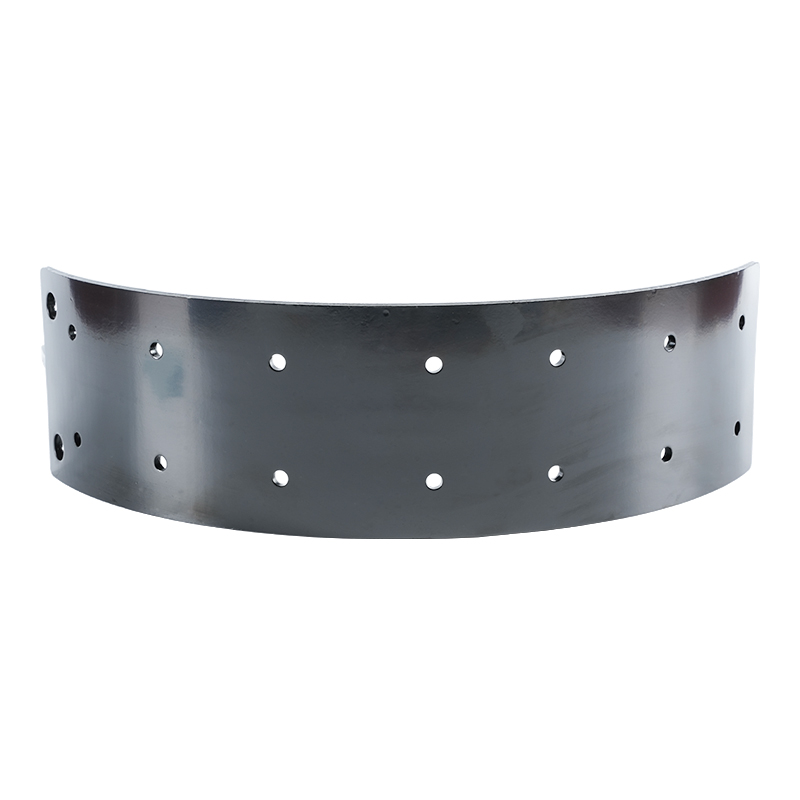
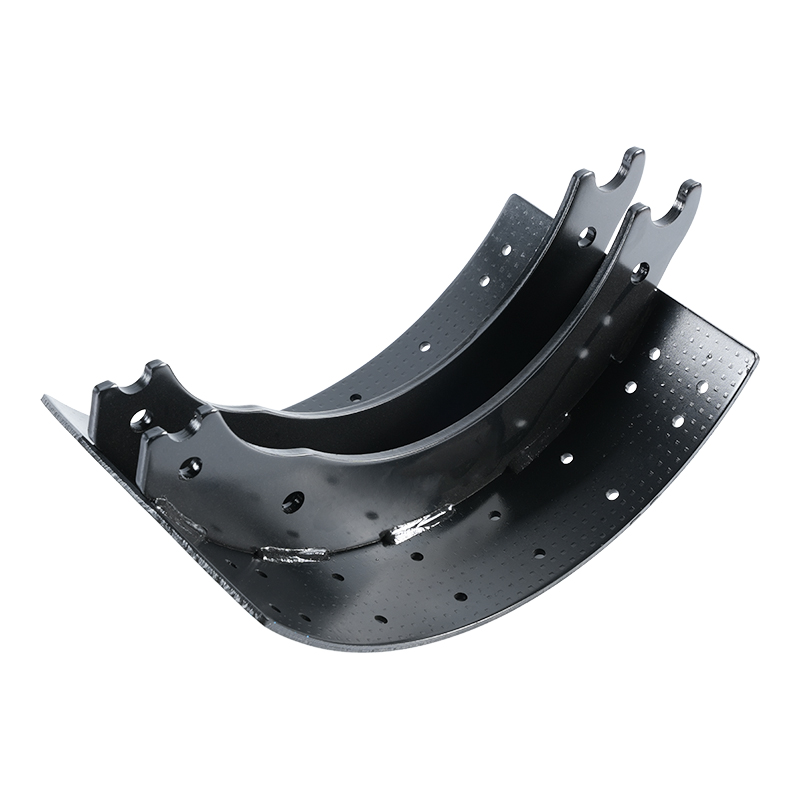
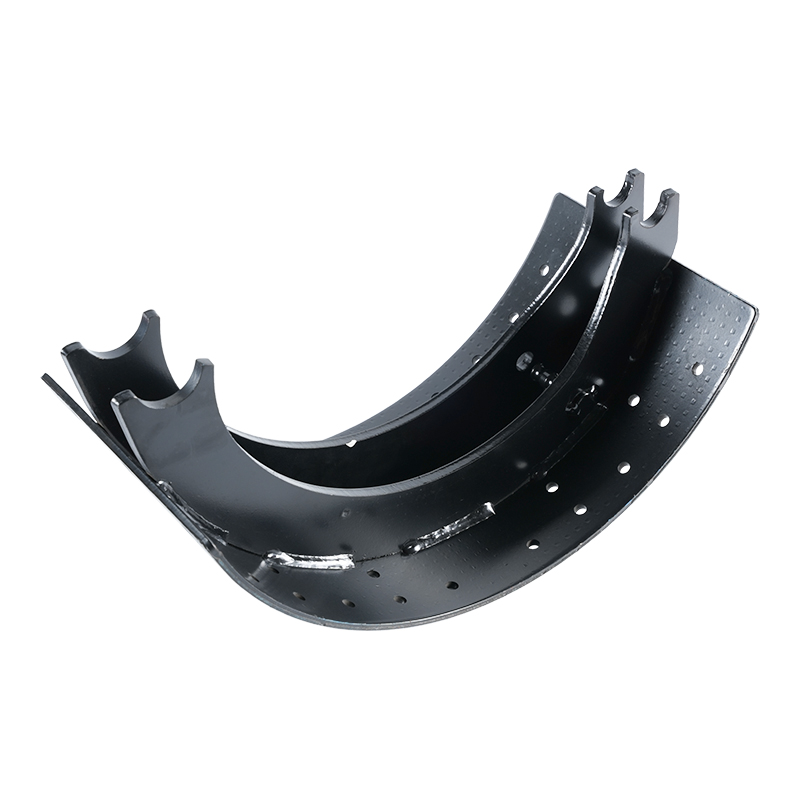
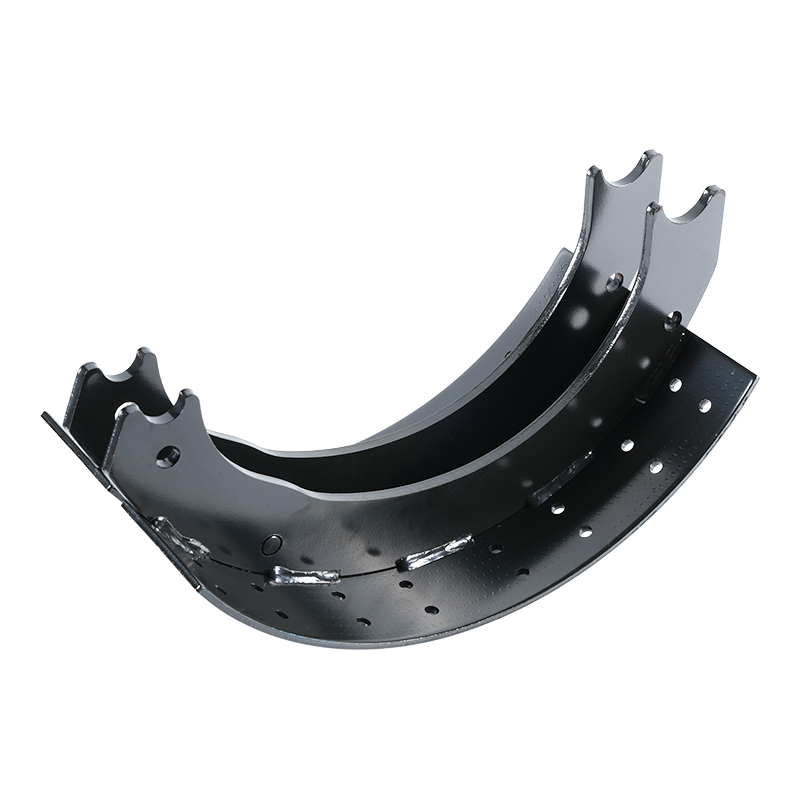
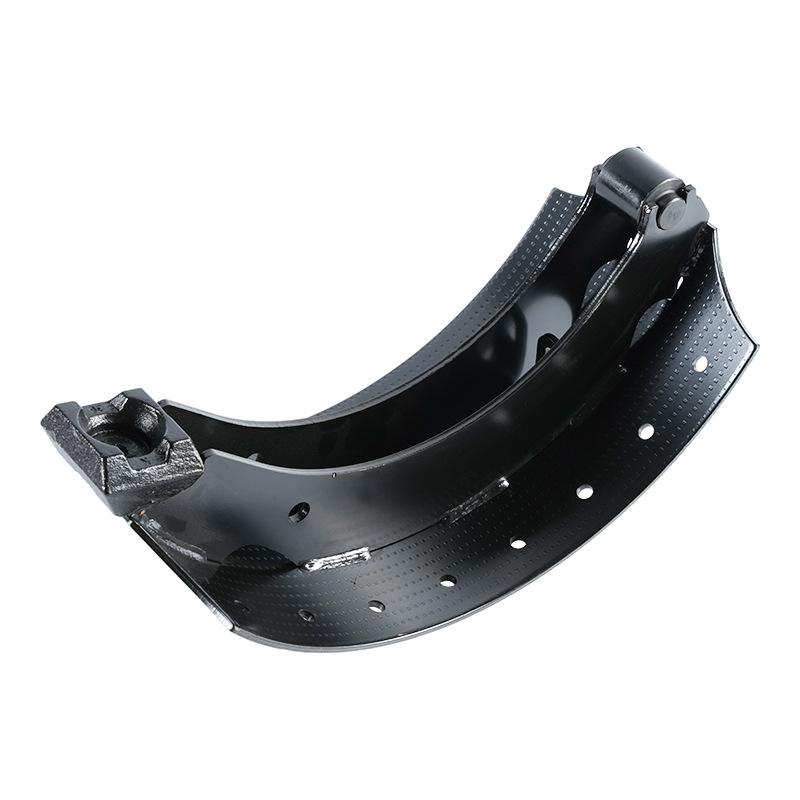
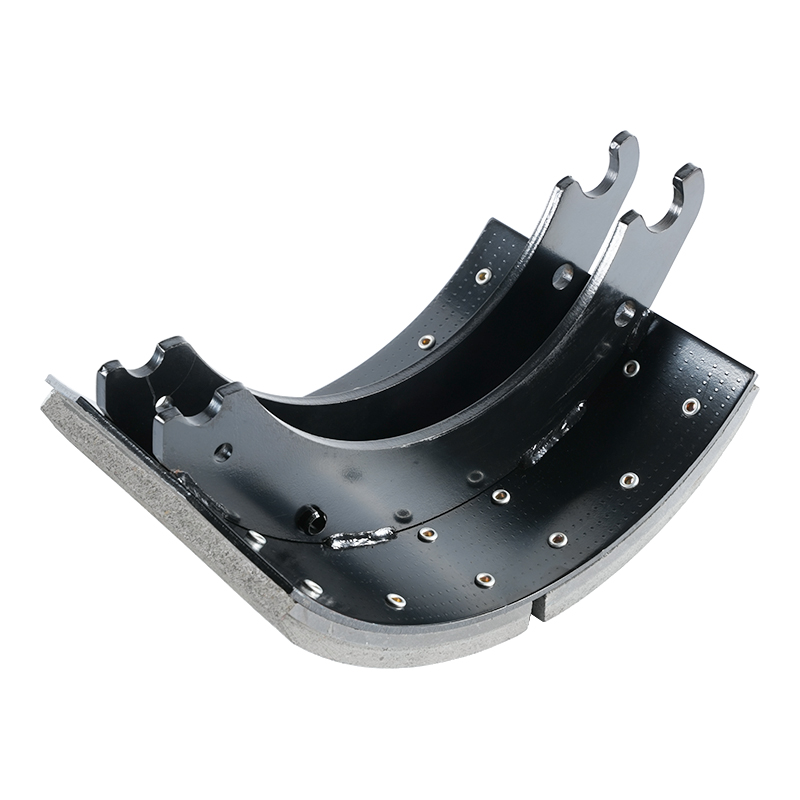
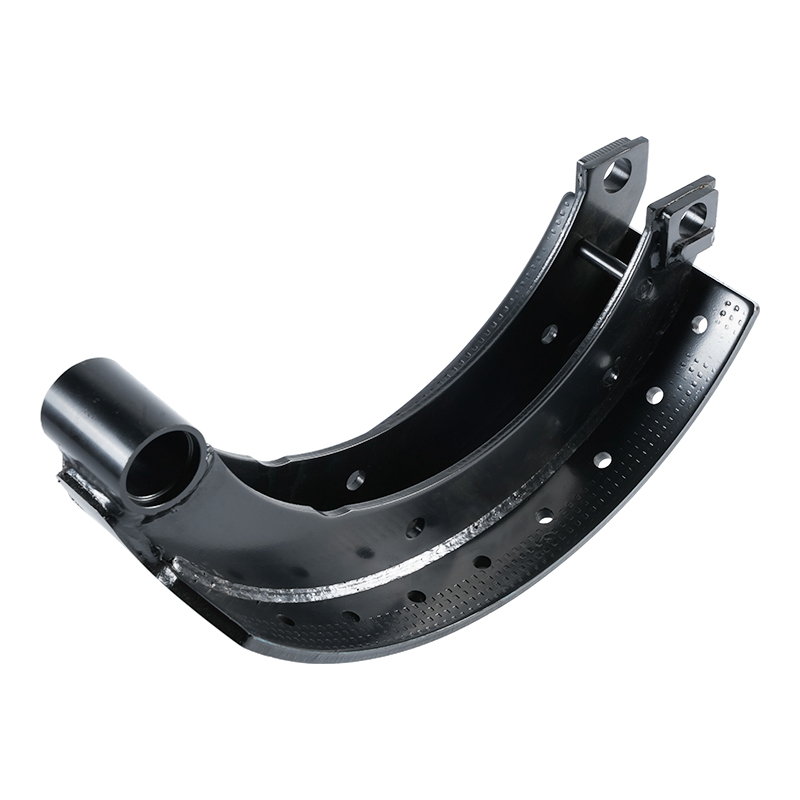
A brake shoe is the friction component inside a drum brake system. It's a curved piece of metal — typically steel — with a layer of friction material bonded or riveted to one side. When you press the brake pedal, hydraulic pressure forces the brake shoes outward against the inner surface of a spinning brake drum, creating the friction needed to slow or stop the wheel.
This outward-pressing action is what sets brake shoes apart from brake pads. While disc brake pads squeeze inward against a rotor from both sides, brake shoes expand from the inside out. The drum traps this friction contact in an enclosed space, which makes the system effective but also means it retains more heat during heavy use.
Drum brakes with brake shoes are most commonly found on the rear axles of smaller cars, light trucks, and older vehicles. Because the front wheels handle the majority of stopping force during most braking events, rear drum systems face less thermal stress — which is one reason they remain viable for cost-sensitive applications.
Brake Shoe vs. Brake Pad: Key Differences at a Glance
Drivers often confuse brake shoes and brake pads because both are friction components in a vehicle's braking system — but they belong to entirely different systems and are not interchangeable.
| Feature | Brake Shoe | Brake Pad |
|---|---|---|
| Brake System | Drum brake | Disc brake |
| Direction of Force | Pushes outward against drum | Squeezes inward against rotor |
| Shape | Curved / crescent arc | Flat rectangular block |
| Typical Location | Rear axle (most cars) | Front axle; many modern cars on all four wheels |
| Average Lifespan | 30,000 – 70,000 miles | 25,000 – 65,000 miles |
| Heat Dissipation | Lower (enclosed drum) | Higher (open disc) |
| Parking Brake Use | Common and effective | Less effective; often needs drum-in-hat setup |
One practical advantage of drum brakes is that the enclosed design protects brake shoes from road debris, mud, and moisture — which is why off-road vehicles and certain commercial trucks still favour them. The downside is that the same enclosure traps heat, which can reduce stopping consistency during repeated hard braking, such as descending a long mountain grade.
Types of Brake Shoe Lining Materials
The metal arc of a brake shoe is only half the story. The friction lining bonded to it determines how well the shoe stops your vehicle, how long it lasts, how noisy it is, and how much it costs. There are three primary lining types used in modern brake shoes.
Organic (Non-Asbestos)
Organic brake shoe linings are made from a blend of natural and synthetic materials — rubber, resin, Kevlar, and glass fibers. They contain very little metal, which makes them gentler on the brake drum surface and significantly quieter during operation. The trade-off is durability: organic linings wear faster than their metallic counterparts and are best suited to normal city and commuter driving where braking loads are moderate.
Semi-Metallic
Semi-metallic linings contain up to 65% metal content — typically a mix of steel, copper, iron, or brass — combined with graphite lubricant and binding fillers. This composition gives them excellent heat dissipation and long service life, making them the preferred choice for trucks, towing vehicles, and drivers who frequently brake hard. The downside: they can be noisier than organic linings and produce more brake dust over time.
Ceramic
Ceramic brake shoe linings incorporate ceramic fibers, fine copper strands, and dense binding compounds. They offer the quietest operation of the three types, produce minimal dust, and perform consistently across a wide range of temperatures. Ceramic linings are typically the most expensive option but deliver excellent value for vehicles that carry heavy loads regularly or operate in hilly terrain where brakes are applied more frequently.
| Lining Type | Noise Level | Drum Wear | Durability | Best For | Cost |
|---|---|---|---|---|---|
| Organic | Low | Minimal | Moderate | Daily commuting | $ |
| Semi-Metallic | Medium–High | Moderate | High | Trucks, towing, sport driving | $$ |
| Ceramic | Very Low | Low | Very High | Heavy loads, hilly terrain | $$$ |
Warning Signs Your Brake Shoes Need Replacing
Brake shoes don't always fail all at once — they usually give clear signals well before they become dangerous. Knowing what to listen and feel for can save you from an expensive repair bill or, worse, a safety incident on the road.
Squealing or Grinding Noises
The most common early warning is a high-pitched squeal when you apply the brakes. This often comes from a built-in wear indicator — a small metal tab that contacts the drum once the lining wears thin. If you ignore that squeal, it progresses to a harsh grinding noise, which means the metal backing of the shoe is now rubbing directly against the drum. At that point, you're looking at drum replacement as well, which significantly raises the repair cost.
Vibrating or Pulsating Brake Pedal
If you feel shuddering through the brake pedal when slowing down, it often points to uneven wear across the brake shoe linings or a warped brake drum caused by heat cycling. Uneven shoe contact creates irregular friction, and that irregular friction transfers directly back to the pedal. Don't dismiss this as minor — inconsistent braking is a safety concern, especially in wet conditions.
Longer Stopping Distances
Worn brake shoe linings provide less friction surface area against the drum. The result is reduced stopping power — your vehicle needs more distance to reach a complete stop than it used to. This is particularly dangerous in emergency situations. If your car feels like it "floats" a little longer before stopping, have the drum brake assembly inspected promptly.
Pulling to One Side During Braking
A vehicle that pulls left or right when you apply the brakes often has one brake shoe wearing faster than its counterpart on the opposite wheel. The side with more friction grips harder, creating an imbalance that pulls the car off course. This symptom can also indicate uneven adjustment or a sticking wheel cylinder, both of which a mechanic can diagnose during a brake inspection.
Visible Lining Thickness
On some vehicles, you can inspect the brake shoes without full disassembly by looking through the inspection hole on the backing plate. A lining thickness below 2 mm is a strong replacement indicator. Many technicians recommend acting at 3 mm as a conservative safety margin, especially on vehicles used for towing or regular hill driving.
How Long Do Brake Shoes Last?
Brake shoe lifespan varies widely. Under normal driving conditions, most brake shoes last between 30,000 and 70,000 miles, though some well-maintained vehicles see shoes last even longer. That range depends heavily on three factors: driving habits, vehicle load, and road type.
- Driving habits: Stop-and-go city traffic puts far more demand on brakes than steady highway cruising. Aggressive braking generates more heat and friction, accelerating lining wear significantly.
- Vehicle load: Heavier vehicles — or cars that frequently carry passengers and cargo near maximum capacity — place more stress on the braking system. Towing is particularly demanding.
- Road conditions: Mountainous routes with frequent downhill braking wear shoes faster than flat terrain. Dusty or off-road environments can also introduce abrasives that degrade lining material.
- Brake adjustment: Drum brakes require periodic adjustment to maintain proper clearance between the shoe and drum. Shoes that are out of adjustment may drag slightly against the drum even when the pedal isn't pressed, accelerating wear.
A good practice is to have the drum brake assembly inspected at every oil change. This adds no significant time to the service and catches wear before it becomes a safety issue.
Brake Shoe Replacement: What to Expect
When it's time to replace brake shoes, there are a few practical points worth knowing before you book a service appointment — or tackle the job yourself.
Always Replace in Pairs
Brake shoes should always be replaced as an axle set — both left and right sides at the same time. If only one side is replaced, the difference in friction between the new and old shoes creates a braking imbalance that pulls the vehicle sideways. Most mechanics will also recommend replacing both rear shoes even if only one wheel has visible wear, since they typically wear at similar rates.
Inspect the Drum Surface
A worn brake shoe often leaves scoring, grooves, or heat spots on the inner surface of the brake drum. The drum has a maximum wear diameter (stamped on its surface), and if it's been worn or machined beyond that limit, the drum must be replaced rather than resurfaced. Fitting new shoes against a damaged drum will result in poor contact, reduced stopping power, and premature lining wear.
Don't Forget the Hardware
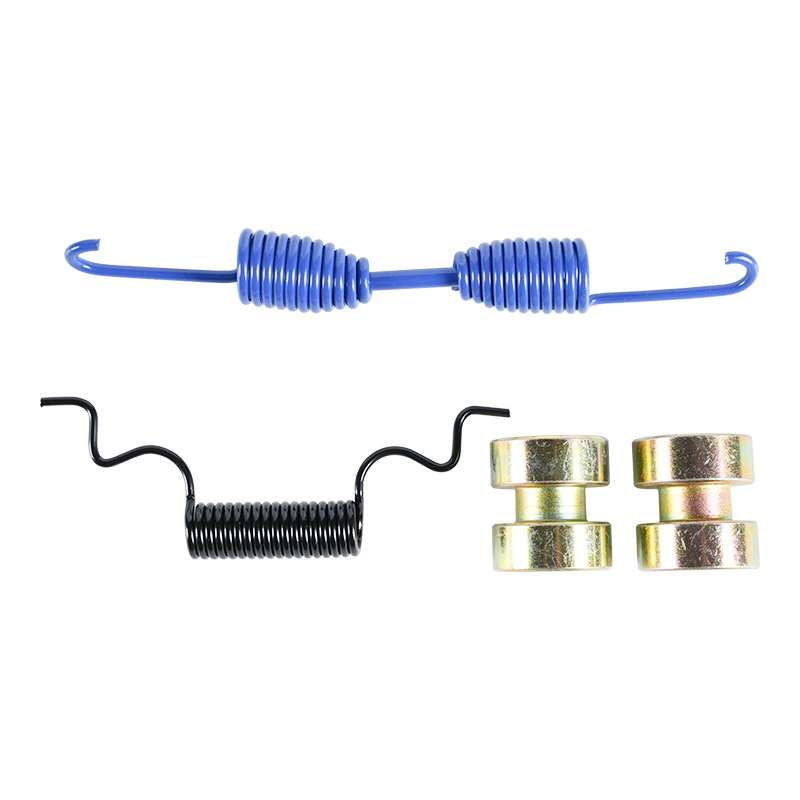
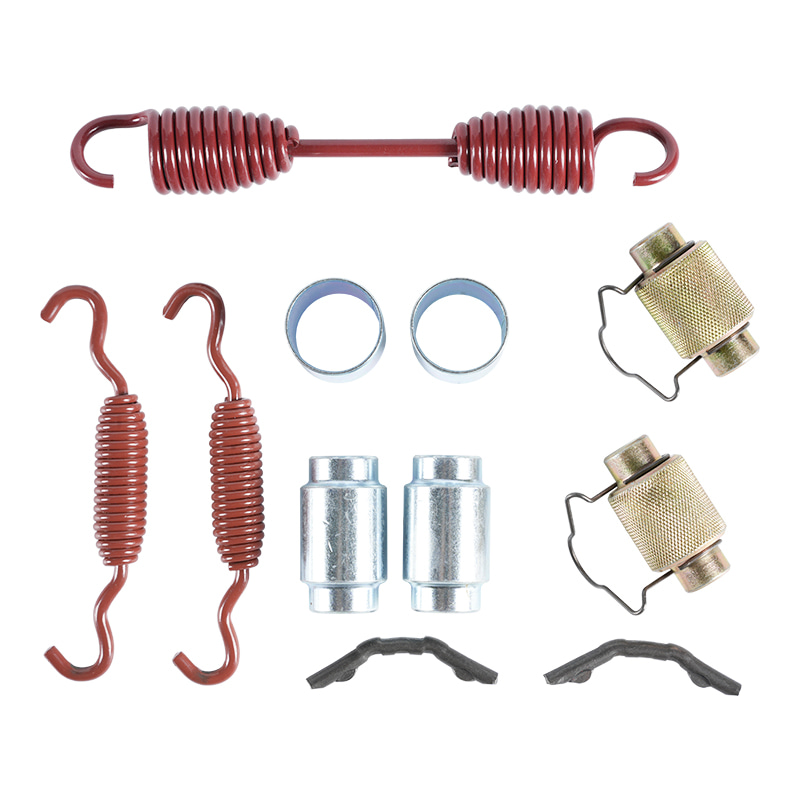
Drum brake systems include return springs, hold-down springs, adjusters, and wheel cylinders. These components are inexpensive but critical. Return springs weaken over time and may not retract the shoes properly after braking, causing constant drag. Most professional brake jobs include replacing this hardware kit alongside the shoes to ensure the system operates correctly after reassembly.
Replacement Cost Estimates
Brake shoe replacement costs vary by vehicle type and whether you're visiting a dealership, independent shop, or doing the work yourself.
- Parts only (DIY): $30 – $80 per axle for most passenger vehicles
- Independent shop (parts + labor): $120 – $200 per axle on average
- Dealership: $260 – $295 per axle is common, depending on brand and model
- Drum replacement (if needed): Add $50 – $150 per drum for machining or replacement
Replacing both rear shoes at once is almost always more economical than doing one side now and the other later, since labor is the dominant cost in this repair.
The Parking Brake Connection
On many modern vehicles equipped with rear disc brakes, a small secondary drum brake assembly is integrated into the center of the rear rotor hub specifically to handle the parking brake function. This drum-in-hat design contains its own small set of brake shoes that operate independently from the main disc brake system.
These parking brake shoes wear very slowly under normal use — they're only engaged when the vehicle is stationary. However, they should still be inspected periodically, especially on older vehicles where the parking brake cable may stick or the shoes may seize against the drum from inactivity. A seized parking brake shoe can make it feel like your rear brakes are dragging even when the pedal is fully released.
Maintenance Tips to Extend Brake Shoe Life
With a few consistent habits, you can get the maximum service life out of your brake shoe linings and keep repair costs down.
- Brake smoothly: Gradual, progressive braking generates less heat than sharp, aggressive stops. Anticipating traffic flow and coasting before braking makes a meaningful difference in lining longevity.
- Avoid riding the brakes downhill: On long descents, use engine braking (downshift or use a lower drive mode) rather than holding a steady brake pressure. Sustained pressure heats the drums and accelerates shoe wear.
- Keep the drum brake adjusted: Drum brakes have a self-adjusting mechanism, but it can fail or stick over time. If your brake pedal travel seems to be increasing, a simple adjustment may restore proper shoe-to-drum clearance.
- Schedule inspections annually: Have a mechanic check brake shoe thickness, drum condition, and hardware at least once a year, or every time you notice any of the warning signs described above.
- Match lining material to your use case: Choosing a semi-metallic or ceramic lining for a truck that regularly tows will outlast an organic lining by a significant margin — and provide more consistent stopping power when it matters.

 Home
Home +86-158-6900-2386 / +86-0571-61075636
 zjlrqp@163.com
 No. 518, Nanhu Road, Tianzihu Town, Anji County, Zhejiang Province, China
Copyright © Zhejiang Langrun Auto Parts Co., Ltd. All rights reserved. Heavy-Duty Brake Shoe Manufacturer in China

