


 Eng
Eng 
 中文简体
中文简体

Brake Linings Explained: Types, Uses, and How to Choose the Right One
 2026.05.13
 Industry News
Content
- 1 What Are Brake Linings?
- 2 How Brake Linings Work
- 3 Main Types of Brake Linings
- 4 Common Materials Used in Brake Linings
- 5 Applications of Brake Linings
- 6
- 7 Advantages of High-Quality Brake Linings
- 8 Signs That Brake Linings Need Replacement
- 9 How to Choose the Right Brake Linings
- 10 Maintenance Tips for Brake Linings
- 11 Future Trends in Brake Lining Technology
- 12 Conclusion
What Are Brake Linings?
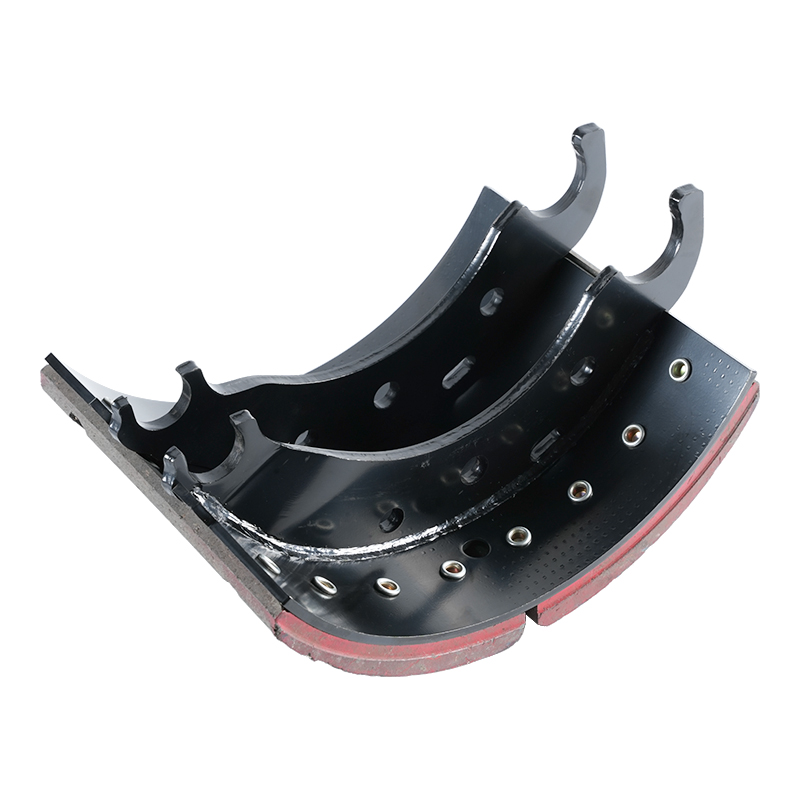
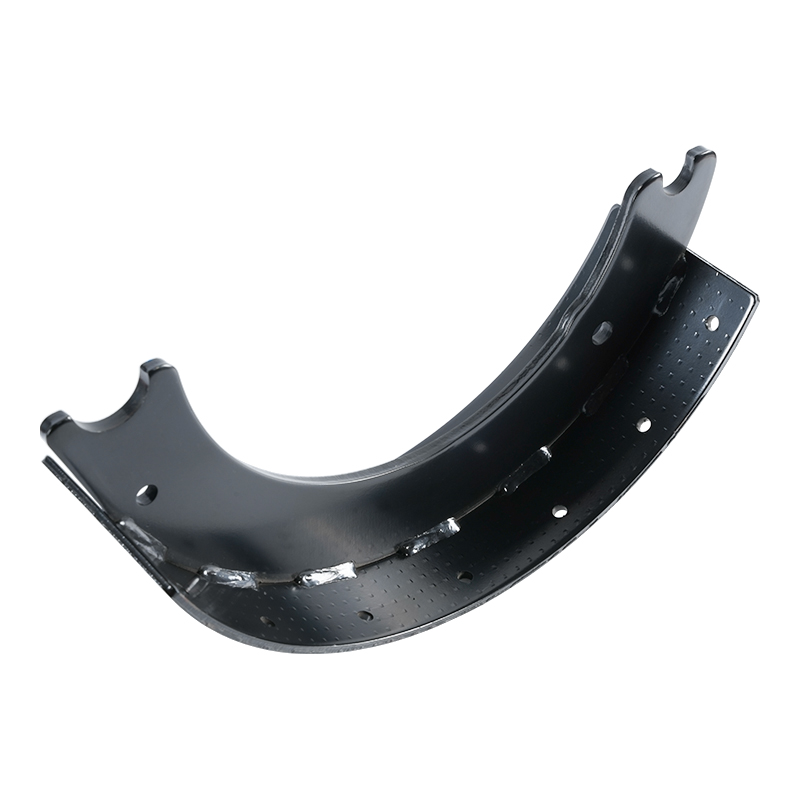
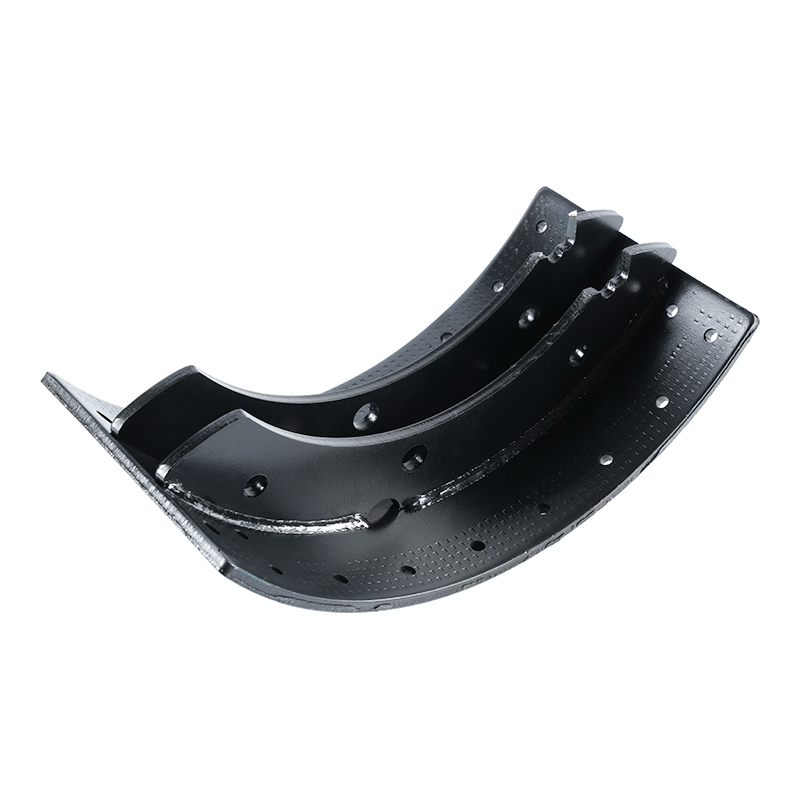
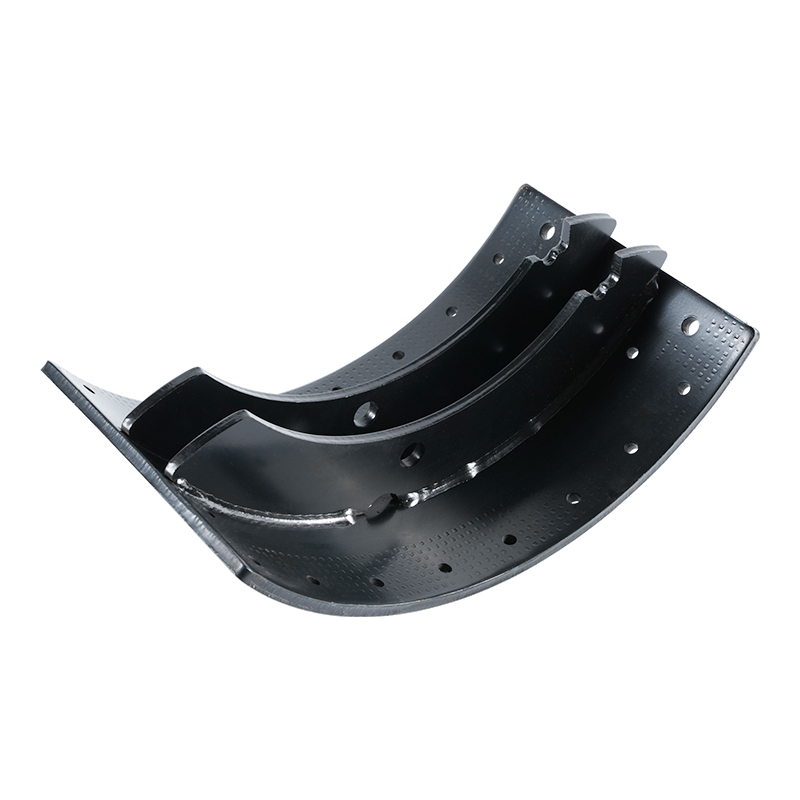
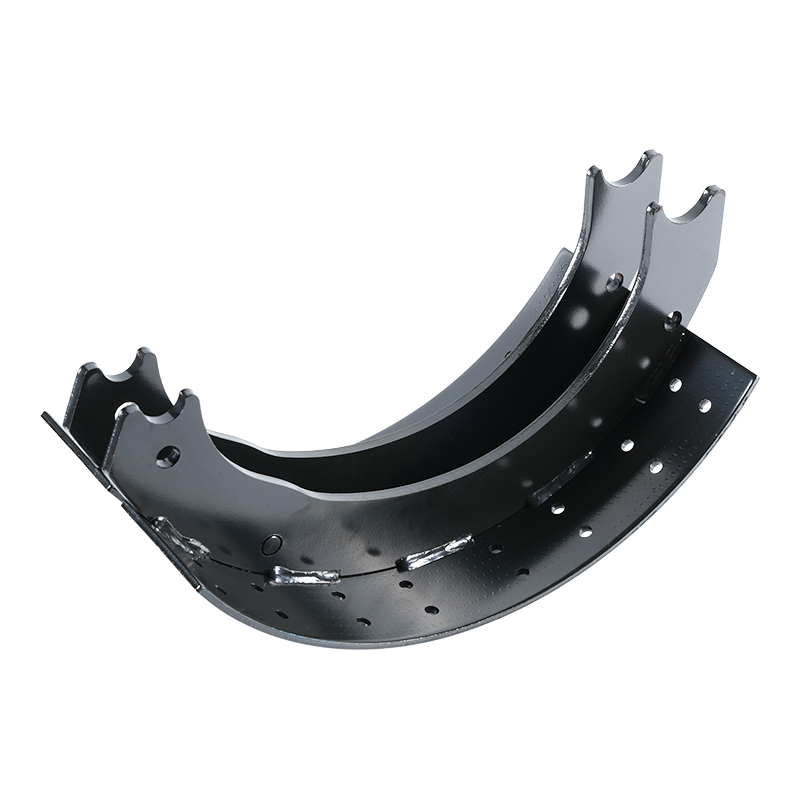
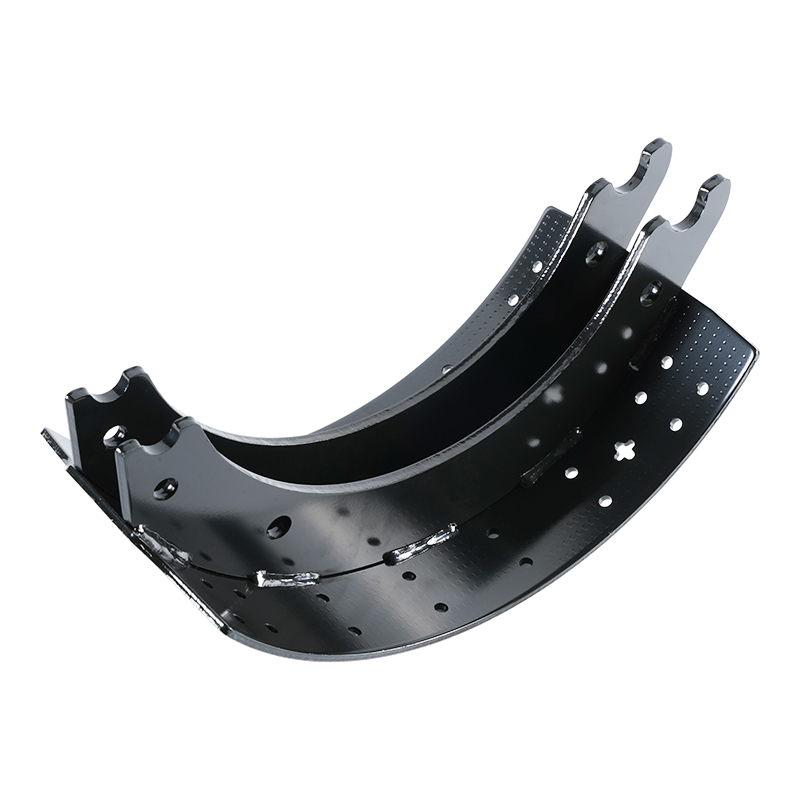
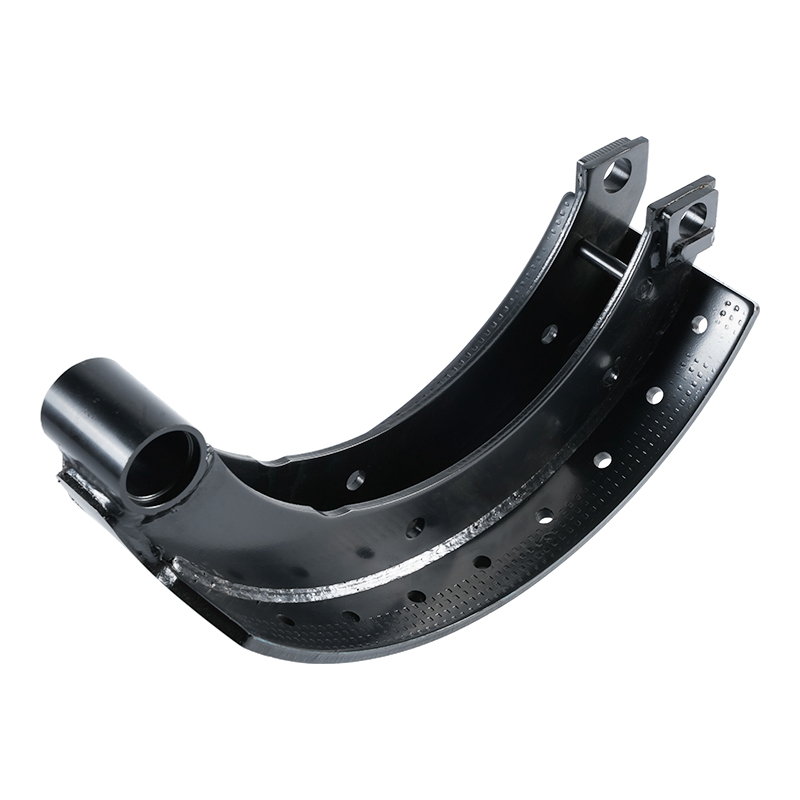
Brake linings are friction materials attached to brake shoes or brake pads that help slow down or stop moving vehicles and machinery. When the brake system is activated, the brake lining presses against a rotating drum or disc to create friction, converting kinetic energy into heat. This friction process allows safe and controlled braking.
Brake linings are widely used in passenger cars, trucks, buses, motorcycles, trains, construction equipment, industrial machinery, and agricultural vehicles. The quality of the lining directly affects braking performance, durability, noise levels, and driving safety.
How Brake Linings Work
The braking process depends on friction between the brake lining and the rotating surface. In drum brake systems, the brake lining contacts the inner surface of the brake drum. In disc brake systems, friction material on brake pads presses against the brake rotor.
During braking, heat is generated quickly. High-quality friction brake linings are designed to withstand high temperatures while maintaining stable braking performance. Good brake linings also reduce vibration, noise, and excessive wear.
Main Types of Brake Linings
Organic Brake Linings
Organic brake linings are made from fibers, rubber, carbon compounds, and resins. They are softer and quieter than other materials, making them common in passenger vehicles. These linings provide smooth braking but may wear faster under heavy loads.
Semi-Metallic Brake Linings
Semi-metallic brake linings contain metal particles such as steel, copper, or iron mixed with friction materials. They offer excellent heat resistance and durability, making them suitable for heavy-duty vehicles and high-performance applications.
Ceramic Brake Linings
Ceramic brake linings are known for low noise, minimal dust, and stable braking performance. They can handle high temperatures efficiently and are commonly used in modern passenger cars and premium vehicles.
Sintered Brake Linings
Sintered brake linings are manufactured using metal powders compressed under high heat and pressure. These linings are highly durable and perform well in extreme environments such as racing motorcycles, mining equipment, and industrial machinery.
Common Materials Used in Brake Linings
| Material | Main Features | Typical Applications |
| Aramid Fiber | Heat resistant and durable | Passenger vehicles |
| Steel Fiber | Strong friction performance | Heavy-duty trucks |
| Ceramic Compound | Low noise and low dust | Luxury cars |
| Copper Powder | Improved heat transfer | Industrial brakes |
| Resin Binder | Holds friction materials together | General brake lining production |
Applications of Brake Linings
Brake linings are essential in many transportation and industrial systems because reliable braking is critical for safety and operational efficiency.
- Passenger cars and SUVs
- Commercial trucks and buses
- Motorcycles and racing vehicles
- Construction and mining equipment
- Agricultural machinery
- Railway transportation systems
- Industrial cranes and hoists
- Marine and offshore equipment
Advantages of High-Quality Brake Linings
Improved Safety
Reliable automotive brake linings provide stable braking performance under different driving conditions, helping reduce stopping distances and improving overall vehicle safety.
Longer Service Life
Durable brake lining materials resist wear and high temperatures, reducing maintenance frequency and replacement costs.
Reduced Noise and Vibration
Modern friction brake linings are designed to minimize squealing and vibration during braking, improving driver comfort.
Better Heat Dissipation
High-performance brake linings effectively manage heat buildup during repeated braking, preventing brake fade and maintaining consistent performance.
Signs That Brake Linings Need Replacement
Worn brake linings can reduce braking efficiency and increase safety risks. Recognizing early warning signs helps avoid costly damage and accidents.
- Squealing or grinding noises during braking
- Reduced braking performance
- Longer stopping distances
- Brake pedal vibration
- Visible wear on brake pads or shoes
- Brake warning light activation
How to Choose the Right Brake Linings
Consider Vehicle Type
Passenger cars, commercial trucks, and industrial machinery require different brake lining specifications. Always select products designed for the intended application.
Check Operating Conditions
Vehicles operating under heavy loads, mountainous terrain, or frequent braking conditions need heavy-duty brake linings with excellent heat resistance.
Evaluate Material Performance
Different materials provide different benefits. Ceramic linings are quieter, while semi-metallic options offer stronger stopping power for demanding applications.
Look for Quality Certifications
Reliable manufacturers often comply with international standards and quality certifications to ensure product consistency and safety performance.
Maintenance Tips for Brake Linings
Proper maintenance helps extend the lifespan of brake systems and ensures consistent braking performance.
- Inspect brake linings regularly for wear
- Replace worn brake components promptly
- Avoid excessive braking whenever possible
- Keep brake systems clean and free from contamination
- Use compatible brake fluids and parts
Future Trends in Brake Lining Technology
The brake lining industry continues to develop new materials with improved environmental performance, durability, and braking efficiency. Manufacturers are increasingly focusing on low-copper and asbestos-free brake linings to meet environmental regulations and reduce harmful emissions.
Advanced composite materials and smart braking technologies are also improving the overall safety and performance of modern vehicles and industrial equipment.
Conclusion
Brake linings play a critical role in vehicle and machinery safety by providing the friction needed for effective braking. Choosing the right brake lining materials can improve braking efficiency, reduce maintenance costs, and enhance overall system reliability.
Whether for passenger cars, commercial vehicles, or industrial applications, high-quality brake linings offer durability, heat resistance, and dependable performance in demanding operating conditions.

 Home
Home +86-158-6900-2386 / +86-0571-61075636
 zjlrqp@163.com
 No. 518, Nanhu Road, Tianzihu Town, Anji County, Zhejiang Province, China
Copyright © Zhejiang Langrun Auto Parts Co., Ltd. All rights reserved. Heavy-Duty Brake Shoe Manufacturer in China

