


 Eng
Eng 
 中文简体
中文简体

Everything You Need to Know About Your Car's Brake Linings
 2026.03.04
 Industry News
Content
Understanding the Role of Brake Linings in Your Vehicle
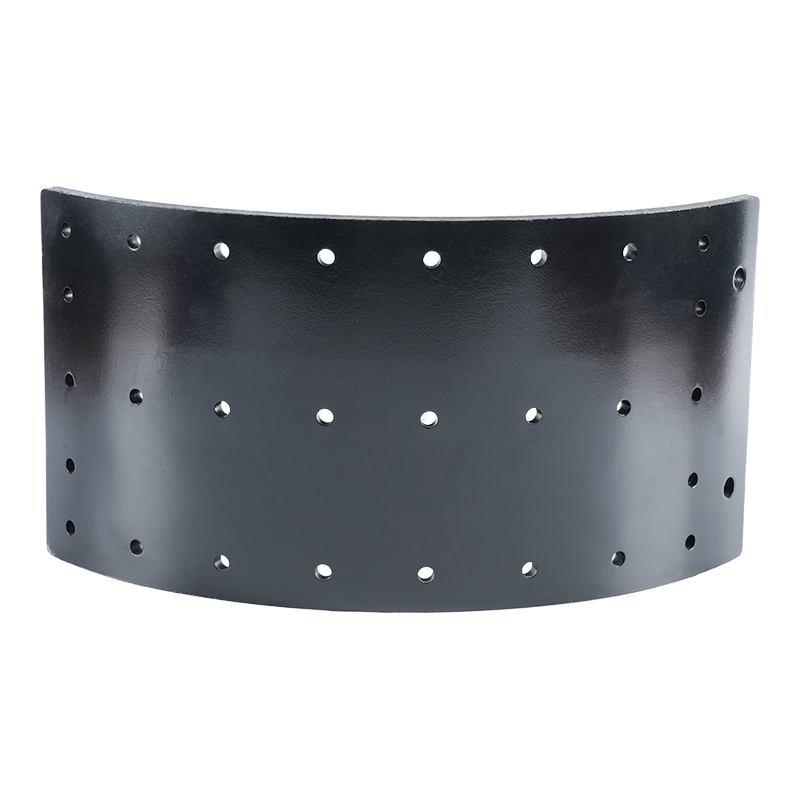
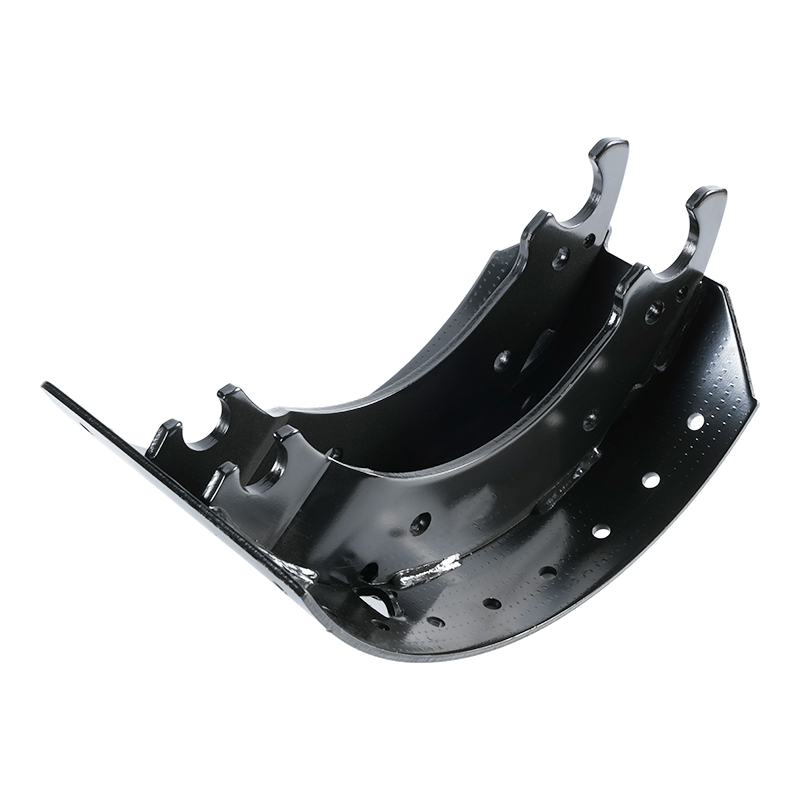
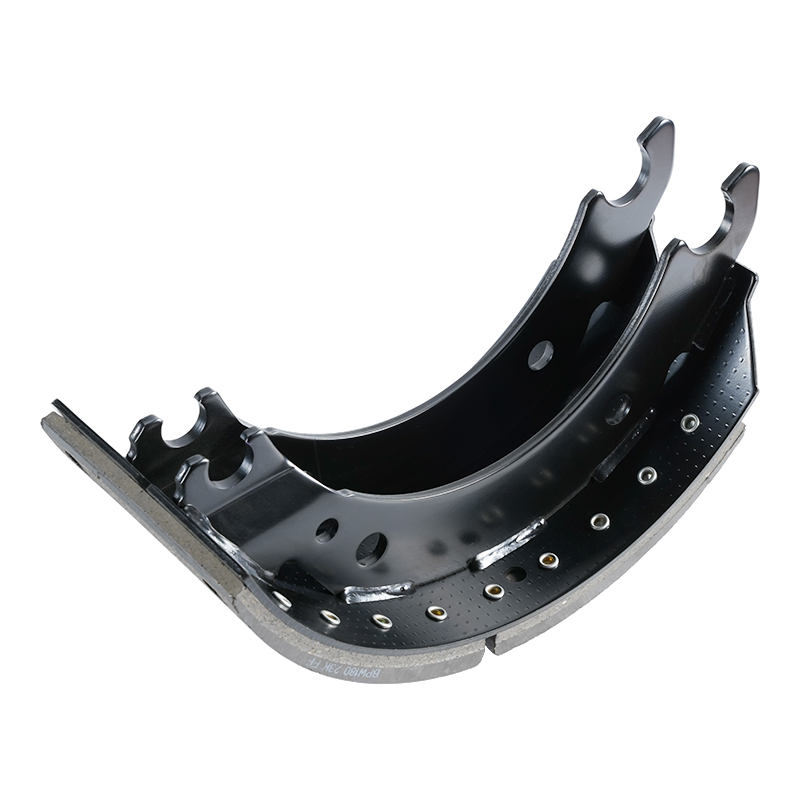
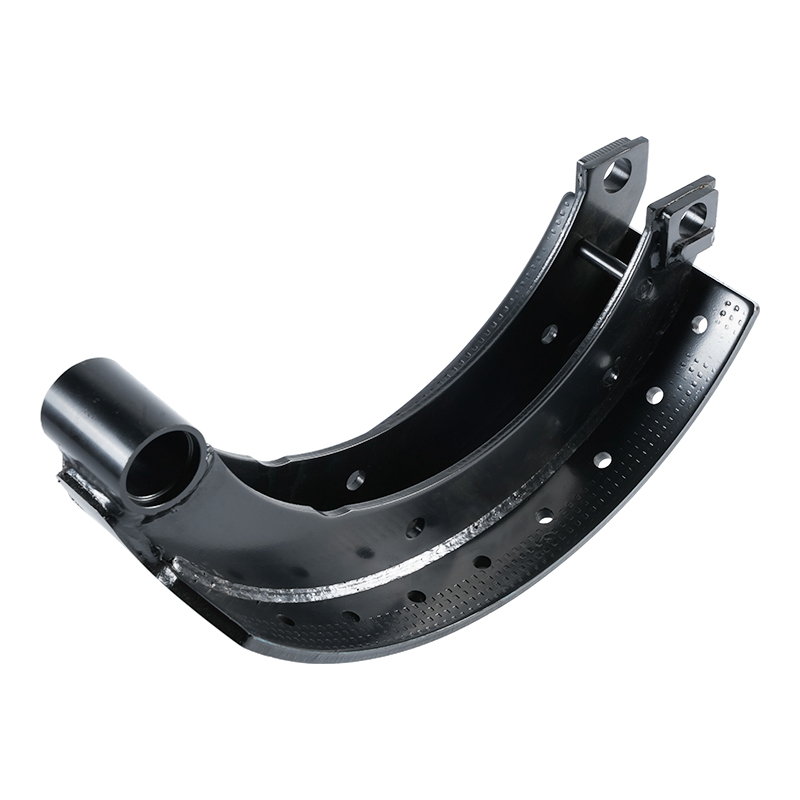
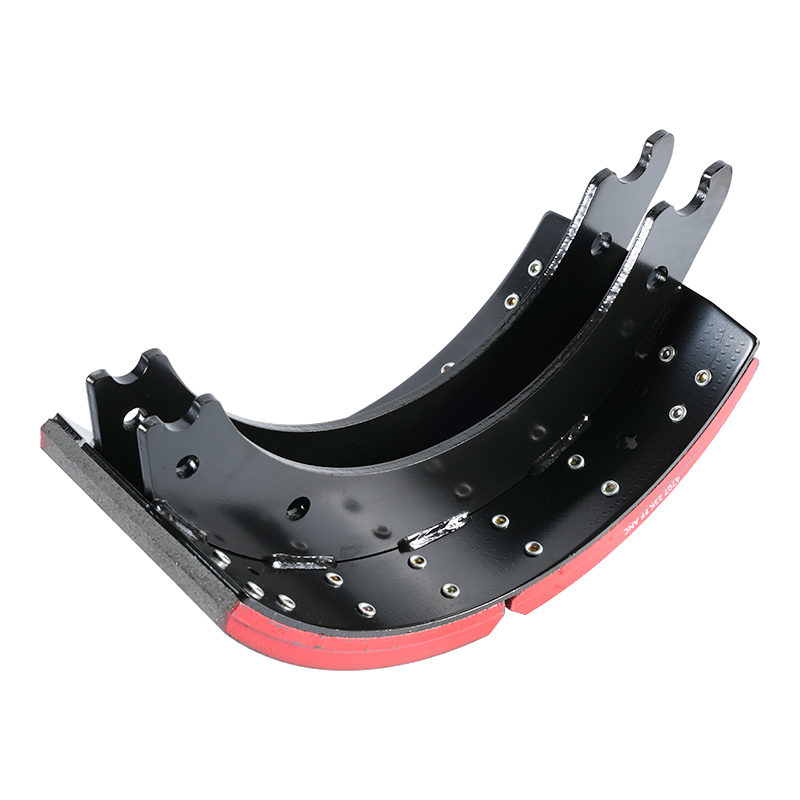
Brake linings are the consumable surfaces in your braking system that do the heavy lifting when you need to slow down or stop. These components are attached to brake pads or brake shoes and are composed of various friction materials designed to withstand extreme heat and pressure. When you press the brake pedal, the linings are forced against a rotating disc or drum. The resulting friction converts the kinetic energy of your moving vehicle into thermal energy, effectively bringing you to a halt. Because they work through constant friction, these linings are designed to wear down over time, making them a critical focus for routine vehicle maintenance.
Without high-quality lining material, your braking system would suffer from metal-on-metal contact, leading to catastrophic failure of the rotors and drums. Modern engineering has evolved these materials to be quieter, cleaner, and more durable than the asbestos-based versions used in the past. Today, drivers can choose from several formulations depending on their driving habits, vehicle weight, and performance needs.
Common Types of Friction Materials
Non-Asbestos Organic (NAO) Linings
Organic brake linings are made from a mix of fibers and fillers such as rubber, glass, carbon, and high-pressure resins. These are generally the softest option available, which makes them very quiet during operation. They are ideal for everyday commuting in smaller vehicles because they don't require much heat to "bite" effectively. However, their softer nature means they tend to wear out faster than other types and can create a significant amount of brake dust on your wheels.
Semi-Metallic Formulations
Semi-metallic linings consist of anywhere from 30% to 65% metal, usually including steel wool, iron powder, or copper. These are the workhorses of the automotive world. They offer excellent heat dissipation and are much more resistant to "brake fade" during heavy use, such as towing or mountain driving. While they are incredibly durable, they are often noisier and can be harder on the brake rotors compared to organic alternatives.
Ceramic Brake Linings
Ceramic options are considered the premium choice for many modern luxury and performance cars. They are composed of dense ceramic material mixed with copper fibers. These linings provide a very consistent brake feel and are famous for being almost silent. Furthermore, the dust they produce is light-colored and doesn't stick to wheels easily. While they are more expensive, their longevity and performance across a wide temperature range often justify the cost for many drivers.
Signs That Your Brake Linings Need Replacement
Detecting worn linings early can save you from expensive repair bills and ensure your safety on the road. Most manufacturers include a small metal tab called a "wear indicator" that emits a high-pitched squeal when the material gets too thin. If you hear this sound, it is a clear signal that your linings are reaching the end of their service life.
In addition to audible warnings, you should be aware of physical changes in how your car handles. Pay attention to the following indicators:
- A "spongy" or soft feeling when you depress the brake pedal.
- The vehicle pulling to one side during braking, indicating uneven wear.
- Vibrations or pulsations felt through the pedal or steering wheel.
- Grinding noises, which suggest the lining is completely gone and metal is hitting metal.
Comparing Lining Characteristics
When choosing new parts for your vehicle, it helps to see how the different materials stack up against one another. This comparison can help you decide which trade-offs you are willing to make regarding noise, dust, and price.
| Lining Type | Durability | Noise Level | Best Use Case |
| Organic | Low | Quiet | Light city driving |
| Semi-Metallic | High | Moderate/Loud | Heavy loads/Towing |
| Ceramic | Very High | Very Quiet | Daily luxury/Performance |
Maintenance Tips for Longer Lasting Brakes
You can significantly extend the life of your brake linings by adjusting your driving habits. Avoid "riding the brakes" on long downhill stretches; instead, downshift to use engine braking. Additionally, practice coasting to a stop when you see a red light ahead rather than braking at the last second. This reduces the heat buildup that causes friction material to degrade prematurely.
Regular inspections are also vital. Most mechanics recommend checking the thickness of your linings every time you rotate your tires (roughly every 5,000 to 7,500 miles). Keeping the rest of the braking system clean and ensuring that calipers are properly lubricated will also prevent the linings from dragging, which causes uneven and rapid wear.

 Home
Home +86-158-6900-2386 / +86-0571-61075636
 zjlrqp@163.com
 No. 518, Nanhu Road, Tianzihu Town, Anji County, Zhejiang Province, China
Copyright © Zhejiang Langrun Auto Parts Co., Ltd. All rights reserved. Heavy-Duty Brake Shoe Manufacturer in China

