


 Eng
Eng 
 中文简体
中文简体

Heavy-Duty Brake Shoes: Keep Your Truck Stopping Safe and Strong
 2026.04.22
 Industry News
Content
Understanding What Heavy-Duty Brake Shoes Actually Do
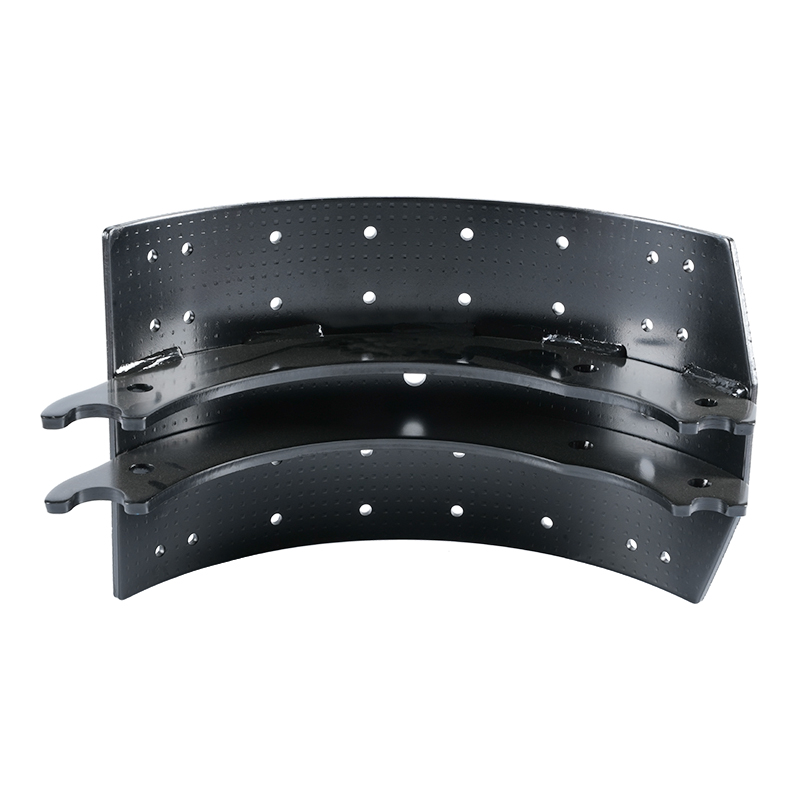
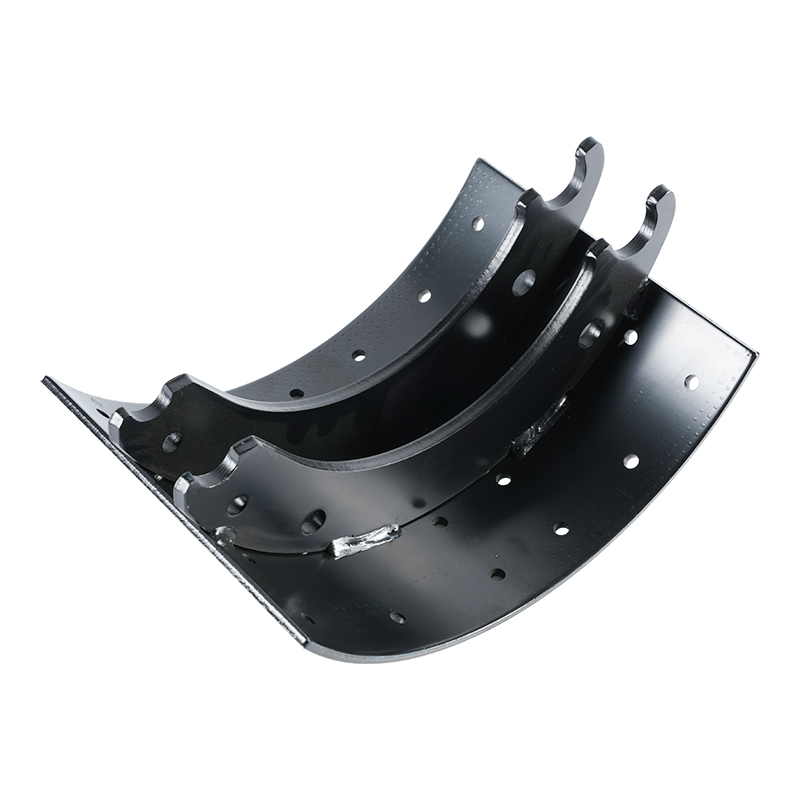
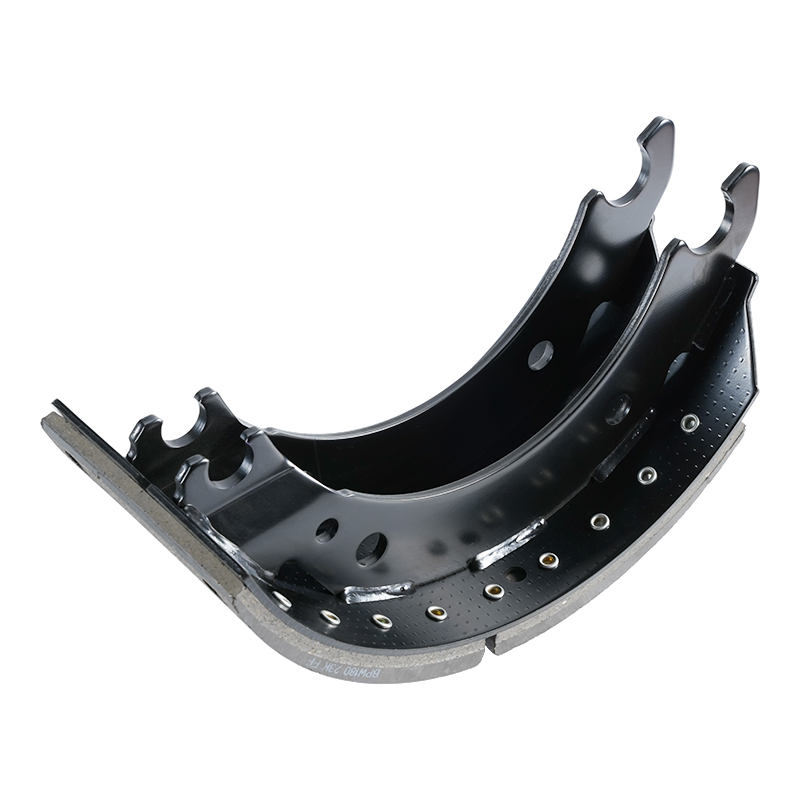
Heavy-duty brake shoes are the critical friction components inside drum brake systems that bring commercial vehicles to a safe stop. Unlike passenger car brakes, truck brake shoe assemblies must handle extreme loads, repeated high-temperature cycles, and thousands of miles of continuous operation. When you press the brake pedal, air or hydraulic pressure pushes the brake shoes outward against the rotating drum, converting kinetic energy into heat through friction. This simple yet demanding process requires commercial vehicle brake shoes engineered with specialized linings, robust steel webs, and precision riveting or bonding to withstand the rigors of fleet operation without fading, cracking, or losing stopping power.
The design of drum brake shoes for heavy trucks incorporates several key features that differentiate them from lighter-duty alternatives. The shoe web—the curved metal backbone—must resist bending under high actuation forces while maintaining precise geometry for even lining contact. Friction linings are formulated with heat-resistant resins, steel fibers, and ceramic compounds to deliver consistent performance across a wide temperature range. Many semi-truck brake components also include integrated wear indicators or chamfered edges that reduce noise and promote smoother engagement. Understanding these fundamentals helps fleet managers and owner-operators make informed decisions when selecting replacement heavy-duty brake shoes for their vehicles.
Key Materials and Construction Features That Matter
Choosing the right high-performance brake linings starts with understanding the trade-offs between different friction formulations. Organic linings offer quiet operation and gentle drum wear but may fade under sustained heavy loads. Semi-metallic compounds provide better heat dissipation and fade resistance, making them ideal for mountainous routes or frequent stop-and-go delivery cycles. Ceramic-based fleet maintenance brake shoes deliver the longest service life and most consistent pedal feel, though at a higher initial cost. The bonding method also matters: riveted linings allow easier inspection and replacement of worn material, while bonded linings offer slightly better heat transfer and reduced noise potential.
Material Comparison for Different Operating Conditions
| Lining Type | Best Application | Heat Resistance | Drum Wear | Service Life |
| Organic | Light regional hauling | Moderate | Low | Standard |
| Semi-Metallic | Mountain routes, frequent stops | High | Moderate | Extended |
| Ceramic | Long-haul, high-mileage fleets | Very High | Low | Maximum |
| Low-Steel | Urban delivery, noise-sensitive areas | Moderate-High | Low-Moderate | Extended |
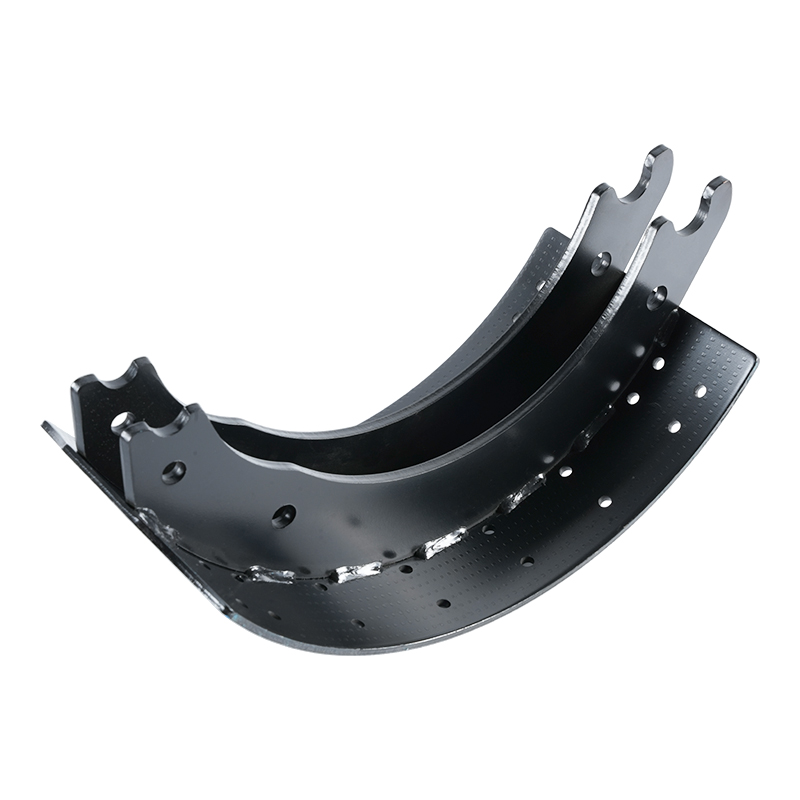
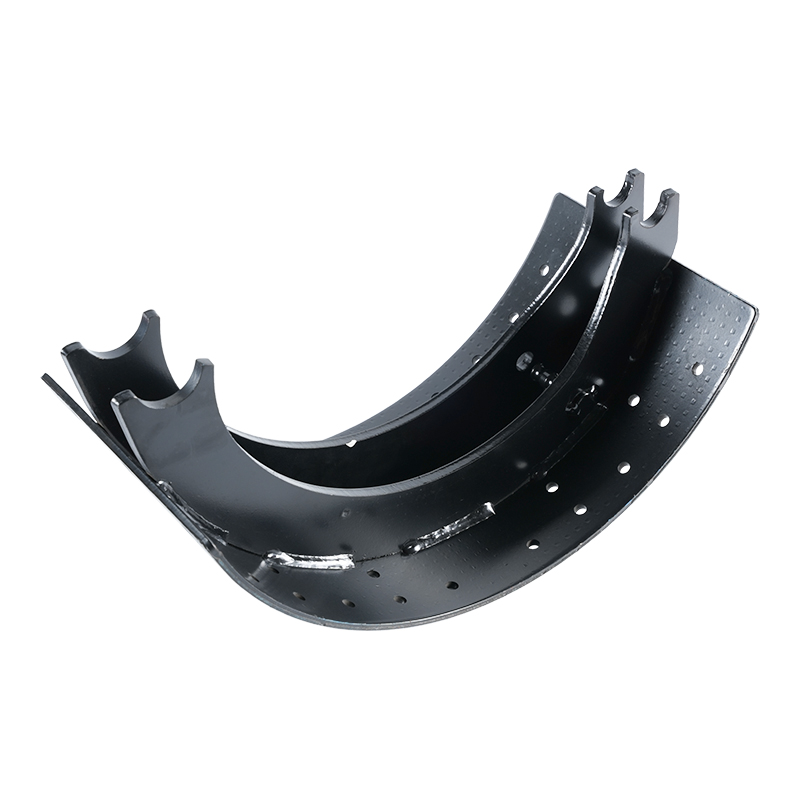
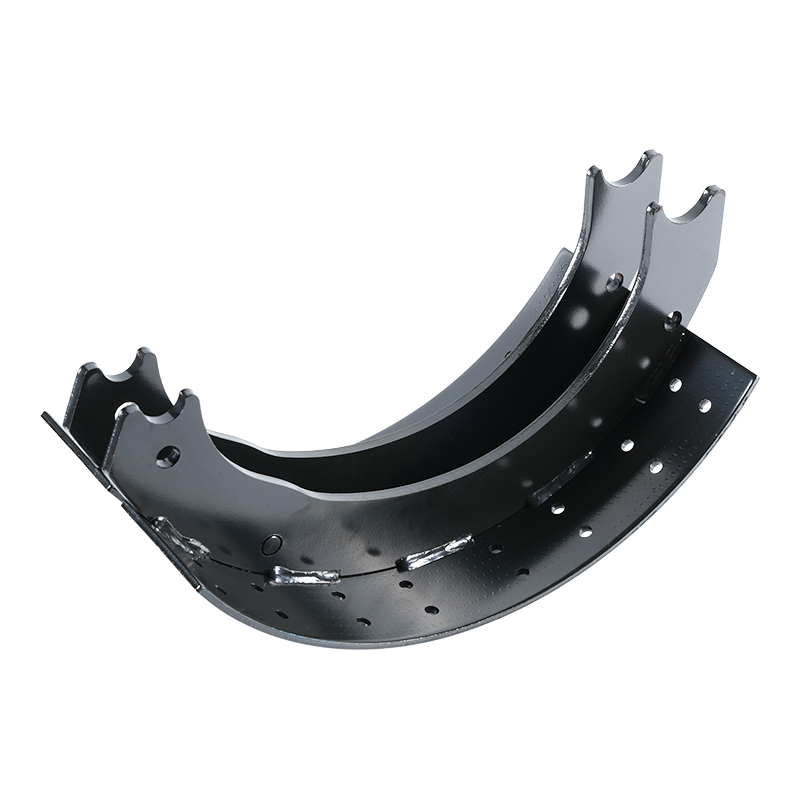
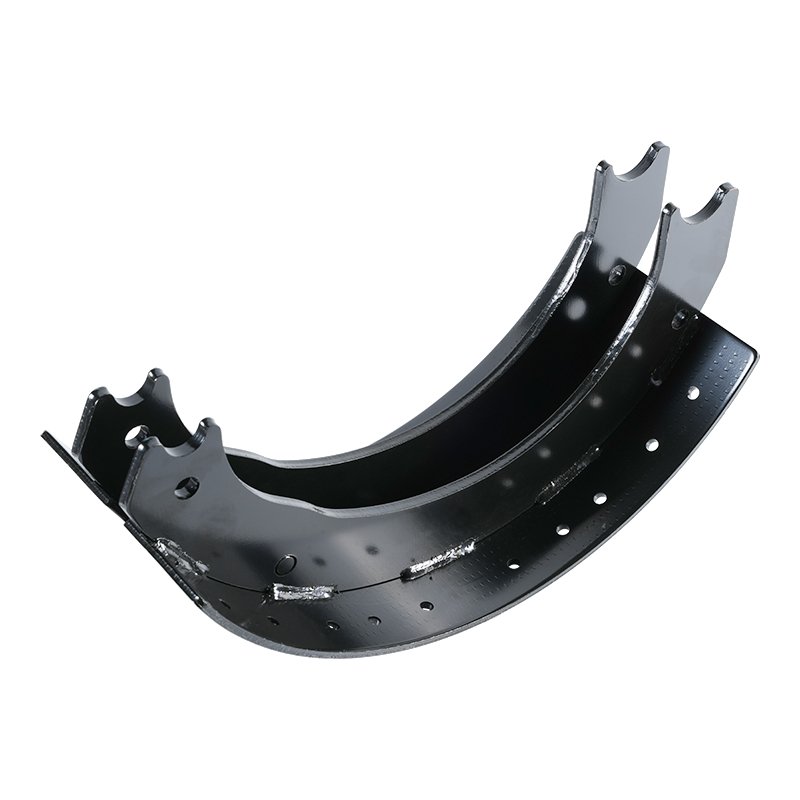
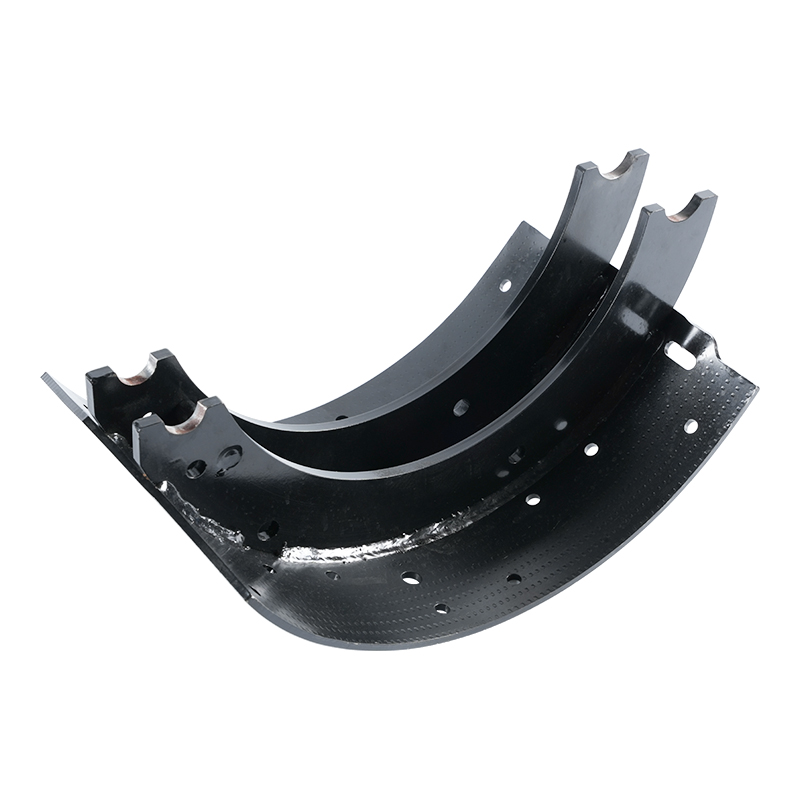
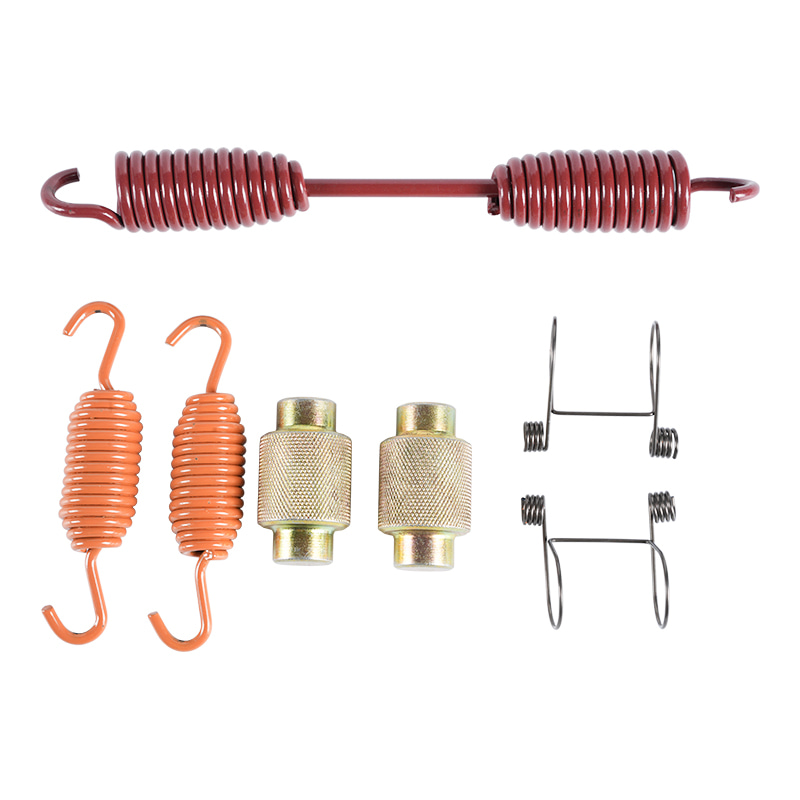
Beyond friction material, pay attention to the shoe web construction and attachment hardware. Quality truck brake shoe assemblies use heat-treated steel webs with reinforced weld points at the anchor pin and cam contact areas. Look for shoes with pre-installed, corrosion-resistant hold-down springs and pins that simplify installation and reduce the risk of missing small components during field service. Some manufacturers also offer shoes with integrated abrasion sensors or wear grooves that provide visual indicators before the lining reaches minimum thickness, helping prevent costly drum damage.
Signs Your Truck Needs New Brake Shoes
Recognizing early warning signs of worn heavy-duty brake shoes can prevent unsafe driving conditions and expensive repairs. The most obvious indicator is reduced braking performance: if your truck requires longer distances to stop or the brake pedal feels spongy despite proper air system pressure, the linings may be nearing end-of-life. Unusual noises like grinding, scraping, or high-pitched squealing during brake application often signal that the friction material has worn through to the metal backing plate. Visual inspection through the drum access hole can confirm lining thickness; most commercial vehicle brake shoes should be replaced when material depth falls below one-quarter inch to maintain safe stopping margins.
Inspection Checklist for Fleet Maintenance
- Measure lining thickness at multiple points around each shoe; uneven wear may indicate misaligned drums or worn cam bushings that need correction
- Check for cracks, chips, or separation in the friction material, especially near rivet heads or bonding edges where stress concentrations occur
- Inspect the shoe web for bends, corrosion, or worn contact surfaces at the anchor pin and cam roller that could affect brake geometry
- Verify that all return springs, hold-down clips, and adjuster mechanisms move freely without binding or excessive play
- Look for oil, grease, or brake fluid contamination on the lining surface, which can cause glazing, reduced friction, and premature failure
Installation Best Practices for Fleet Maintenance
Proper installation of drum brake shoes for heavy trucks is just as important as selecting quality components. Start by thoroughly cleaning the brake backing plate, removing rust, old grease, and debris that could interfere with shoe movement or cause uneven wear. Lubricate all contact points—anchor pins, cam rollers, and adjuster threads—with high-temperature brake grease formulated for commercial applications; avoid using general-purpose lubricants that can melt or wash out under brake system heat. When positioning new semi-truck brake components, ensure the primary and secondary shoes are oriented correctly relative to the cam rotation direction, as reversing them can drastically reduce braking efficiency and accelerate wear.
Step-by-Step Installation Tips
- Always replace brake shoes in axle sets (both wheels on the same axle) to maintain balanced braking force and prevent vehicle pull during stops
- Use a brake shoe tool or C-clamp to compress the adjuster mechanism before installing drums, preventing damage to the new linings during assembly
- After installation, perform a static adjustment to set proper shoe-to-drum clearance, then conduct a low-speed road test to verify even brake application and absence of drag
- Document the installation date, mileage, and part numbers for each axle to support predictive maintenance scheduling and warranty tracking
- Retorque wheel nuts after the first 50-100 miles of operation, as brake service can affect hub alignment and fastener tension
Extending Brake Shoe Life Through Proper Maintenance
Maximizing the service life of heavy-duty brake shoes requires proactive maintenance beyond simple replacement. Regularly inspect and adjust automatic slack adjusters to ensure consistent shoe-to-drum clearance; excessive clearance forces the brake chamber to travel farther, reducing mechanical advantage and increasing wear on both shoes and drums. Keep brake drums within specified runout and diameter tolerances, as out-of-round or oversized drums cause uneven contact patterns that accelerate lining wear and generate heat hotspots. For fleets operating in dusty or corrosive environments, consider installing brake dust shields or applying protective coatings to backing plates to prevent contamination and corrosion that can bind moving components.
Proactive Maintenance Schedule Recommendations
- Perform visual brake inspections every 10,000 miles or during routine tire rotations to catch early wear patterns or hardware issues
- Measure drum diameter and runout annually; machine or replace drums that exceed manufacturer specifications to protect new brake shoe investments
- Lubricate cam tubes, anchor pins, and adjuster mechanisms every 50,000 miles or per OEM guidelines to maintain smooth brake operation
- Train drivers on progressive braking techniques that minimize heat buildup and reduce unnecessary wear on fleet maintenance brake shoes
- Track brake performance metrics like stop distance and pedal effort over time to identify developing issues before they become safety concerns

 Home
Home +86-158-6900-2386 / +86-0571-61075636
 zjlrqp@163.com
 No. 518, Nanhu Road, Tianzihu Town, Anji County, Zhejiang Province, China
Copyright © Zhejiang Langrun Auto Parts Co., Ltd. All rights reserved. Heavy-Duty Brake Shoe Manufacturer in China

