


 Eng
Eng 
 中文简体
中文简体

Truck Brake Shoe: What It Is and When to Replace It
 2026.04.15
 Industry News
Content
What Is a Truck Brake Shoe and How Does It Work?
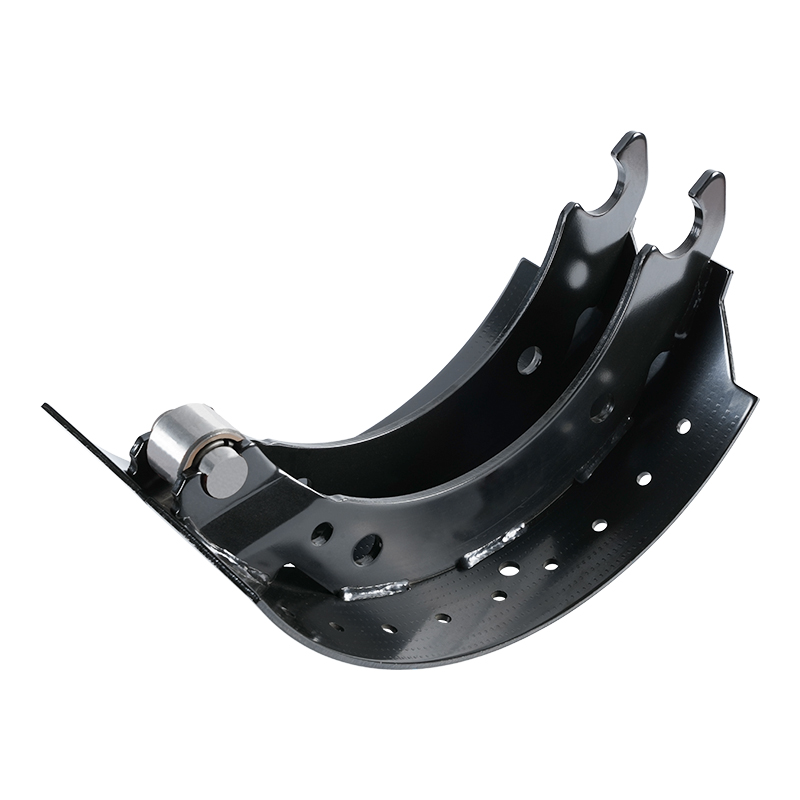
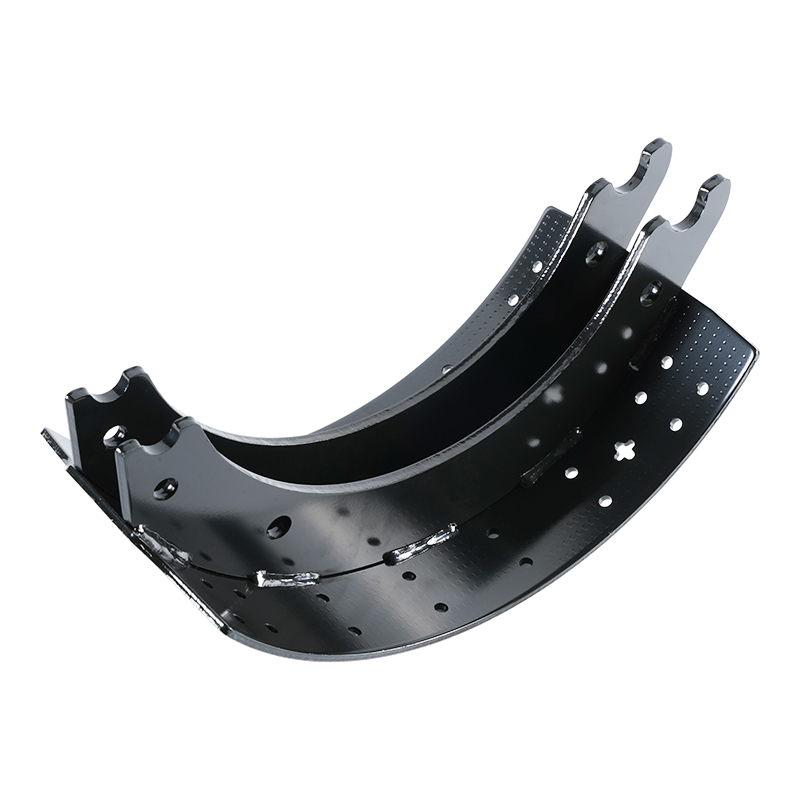
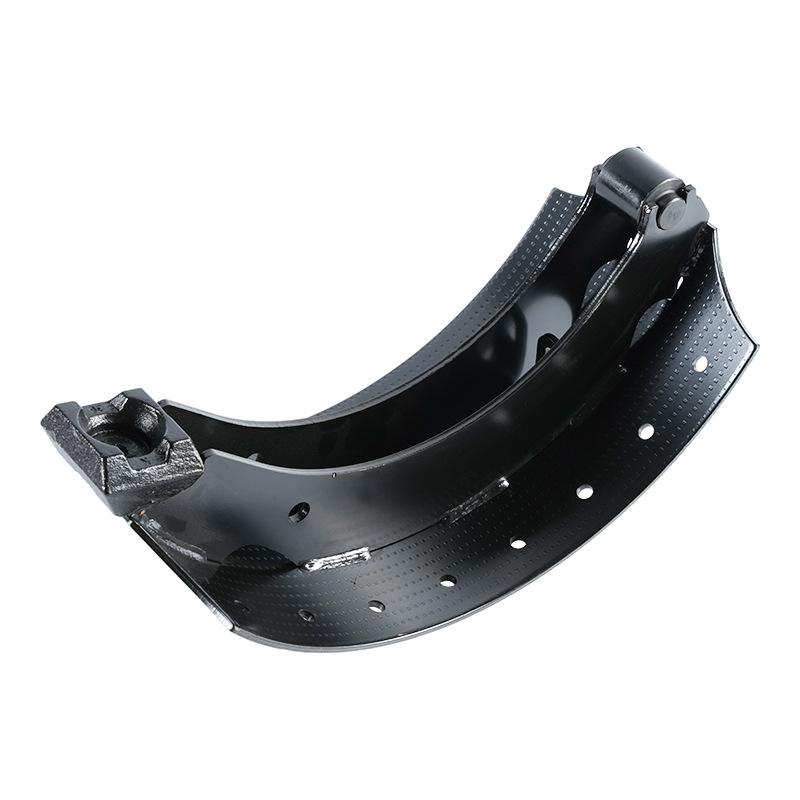
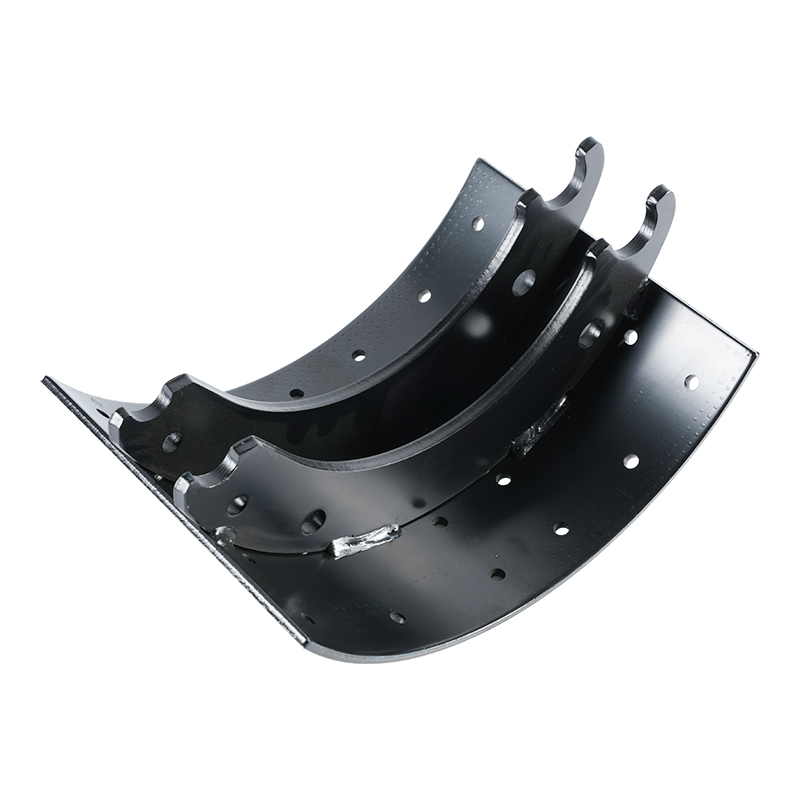
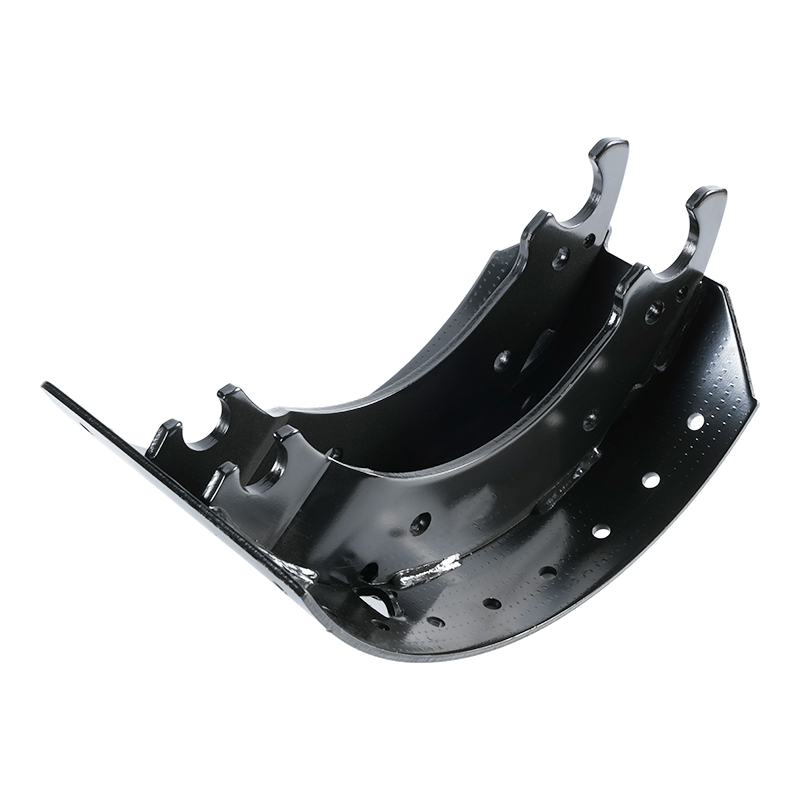
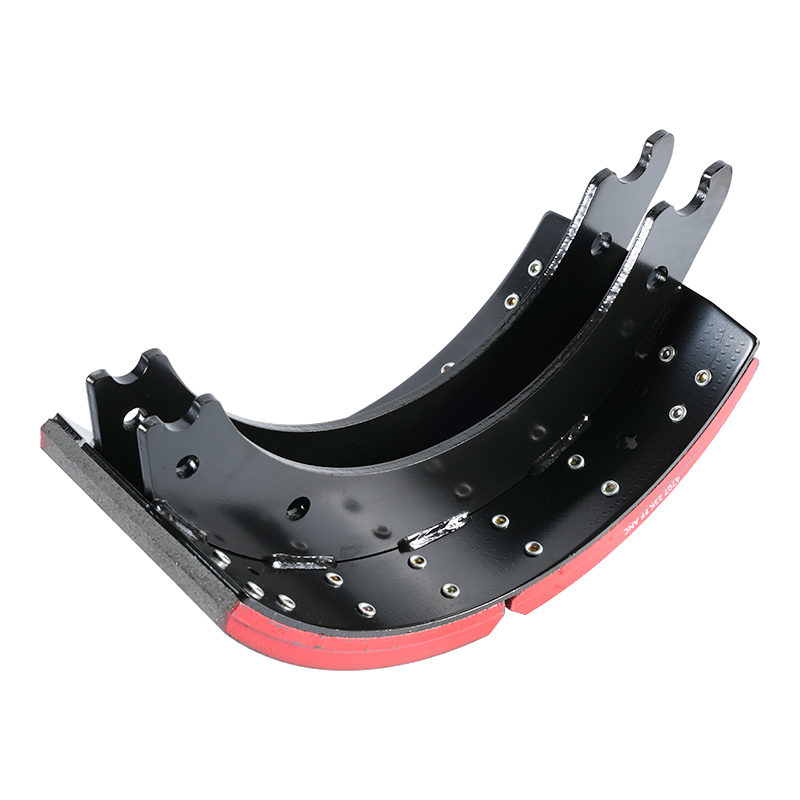
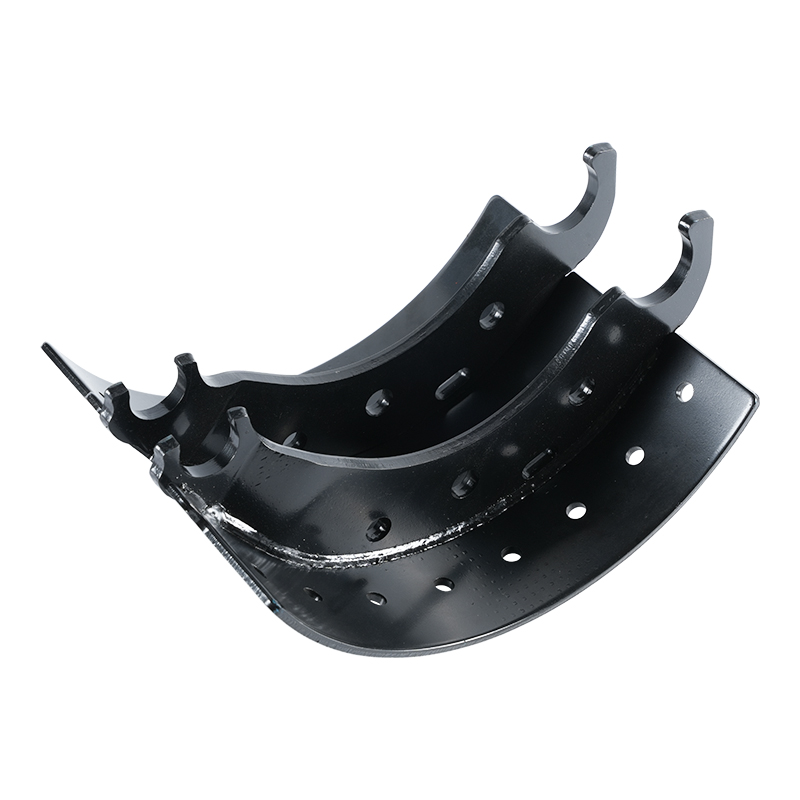
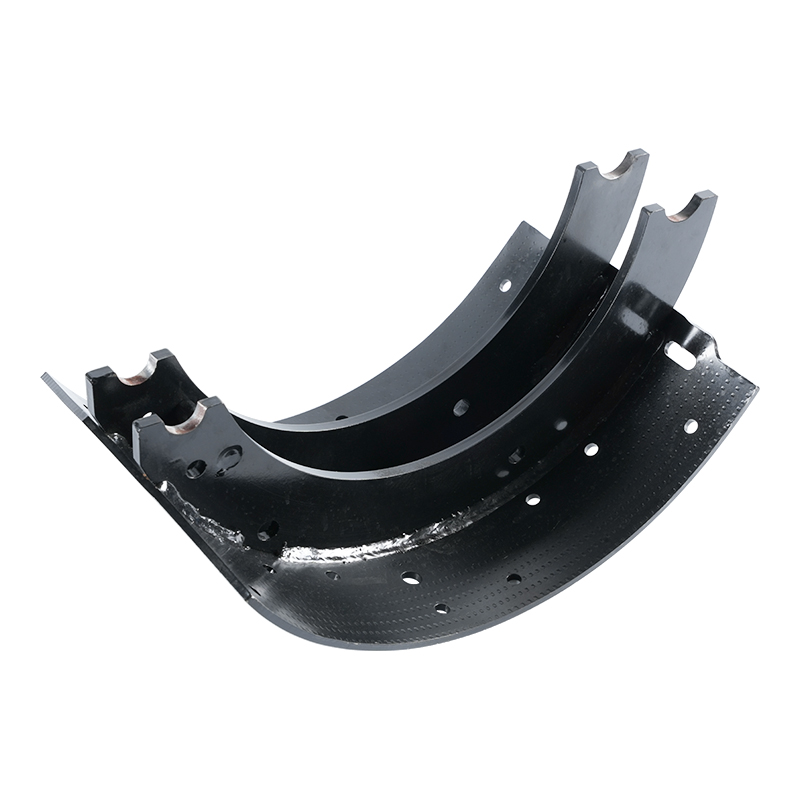
A truck brake shoe is a curved metal component lined with friction material that presses against the inside of a brake drum to slow or stop a heavy-duty vehicle. Unlike disc brakes that use pads clamping a rotor, drum brakes—common on truck rear axles—rely on brake shoes expanding outward when the air or hydraulic system activates. This simple but robust design handles the massive weight and heat generated by commercial trucks, making truck brake shoes a critical safety part. When you press the brake pedal, air pressure pushes the shoes against the drum, creating friction that converts kinetic energy into heat. Understanding this process helps you recognize wear patterns and make smarter maintenance decisions before small issues become dangerous failures.
Warning Signs Your Truck Brake Shoes Need Replacement
Truck brake shoes don't fail without warning, but catching early signs requires attention. The most common indicator is a grinding, scraping, or metallic squealing noise when braking—this often means the friction lining is worn down to the metal backing. You might also notice longer stopping distances, a spongy brake pedal feel, or the truck pulling to one side during braking. During pre-trip inspections, check for excessive brake dust around wheels, uneven wear patterns, or visible cracks in the lining. For fleet managers, tracking mileage between brake jobs helps predict replacement needs before roadside failures occur. Ignoring these warnings risks drum damage, reduced braking power, and costly downtime.
Quick Inspection Checklist for Brake Shoe Wear
- Listen for grinding or scraping noises when applying brakes
- Check stopping distance—longer than usual suggests worn linings
- Inspect through wheel openings for lining thickness (replace if under 1/4 inch)
- Look for uneven wear, cracks, or glazing on the friction surface
- Monitor air pressure drop rates; excessive drop may indicate shoe adjustment issues
Choosing the Right Replacement Brake Shoes for Your Truck
Not all heavy duty brake shoes are interchangeable, and selecting the wrong type compromises safety and performance. Start by matching the exact part number or specifications to your truck's make, model, and axle configuration. Consider the friction material: organic linings offer quiet operation and good initial bite but wear faster under heavy loads, while semi-metallic or ceramic compounds handle higher temperatures and last longer in demanding applications. For long-haul trucks, prioritize shoes with heat-dissipating designs and robust rivet or bond construction. Always buy from reputable suppliers that meet or exceed FMVSS 121 standards—cheap, uncertified brake linings can fade, crack, or separate under stress, putting drivers and cargo at risk.
| Lining Type | Best For | Key Trait |
| Organic | Light/medium duty, urban delivery | Quiet, good initial bite, lower cost |
| Semi-Metallic | Long-haul, mountainous routes | Heat resistant, durable, consistent performance |
| Ceramic | Premium fleets, high-value cargo | Low dust, long life, minimal drum wear |
Proper Installation Tips for Truck Brake Shoes
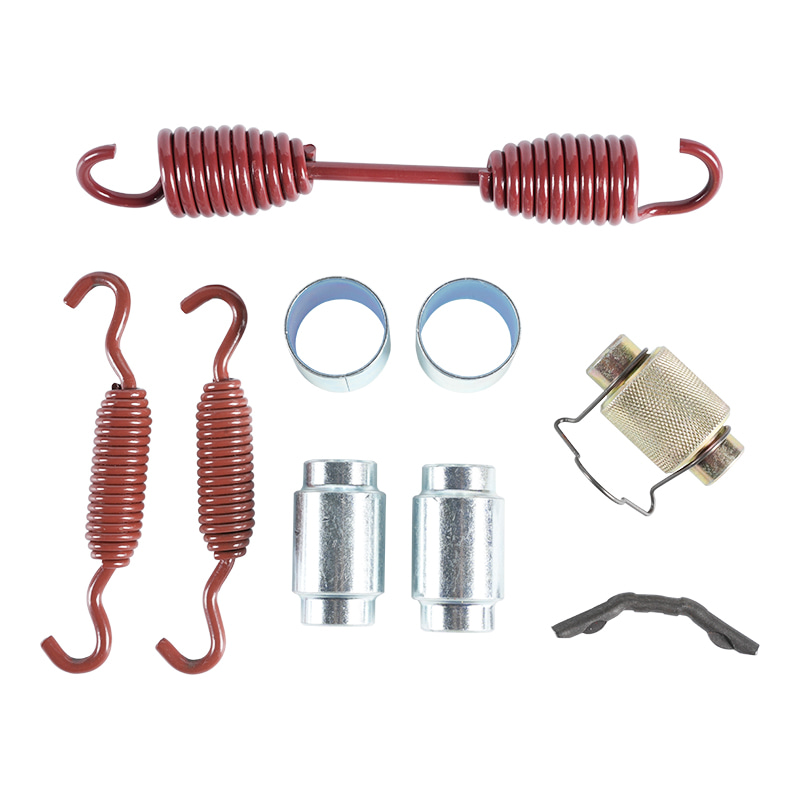
Installing semi truck brake components correctly is as important as choosing quality parts. Start by thoroughly cleaning the brake backing plate and checking anchor pins, springs, and cam tubes for wear—reusing worn hardware accelerates new shoe failure. Apply high-temperature brake grease to contact points (never on the friction surface) to prevent squealing and ensure smooth movement. When mounting the shoes, verify proper orientation: primary shoes typically face forward, secondary shoes rearward, with the longer lining on the secondary side for better heat distribution. After assembly, adjust the slack adjusters to achieve correct shoe-to-drum clearance (usually 0.020–0.040 inches), then perform a low-speed test brake to seat the linings. Skipping these steps can cause uneven wear, reduced braking power, or premature replacement.
- Clean and inspect all hardware before installing new brake shoes
- Apply high-temp grease only to metal contact points, never friction surfaces
- Verify correct shoe orientation and lining length placement
- Adjust slack adjusters to manufacturer-specified clearance
- Bed in new linings with gradual stops before heavy-load operation
Maintenance Practices to Extend Brake Shoe Life
Maximizing the service life of your truck brake shoe starts with proactive maintenance habits. Perform regular visual inspections during pre-trip checks, looking for uneven wear that may indicate misaligned drums or faulty slack adjusters. Keep brake drums clean and free of oil or grease contamination, which can degrade friction material and cause grabbing. For fleets operating in dusty or wet environments, consider more frequent inspections to catch contamination early. Also, train drivers on smooth braking techniques—avoiding sudden, hard stops reduces heat buildup and lining wear. When drums are resurfaced or replaced, always replace brake shoes on the same axle as a set to ensure balanced braking. These simple practices can extend brake shoe life by 20–40%, reducing total cost of ownership while keeping your trucks safely on the road.

 Home
Home +86-158-6900-2386 / +86-0571-61075636
 zjlrqp@163.com
 No. 518, Nanhu Road, Tianzihu Town, Anji County, Zhejiang Province, China
Copyright © Zhejiang Langrun Auto Parts Co., Ltd. All rights reserved. Heavy-Duty Brake Shoe Manufacturer in China

