


 Eng
Eng 
 中文简体
中文简体

How to Check and Replace a Worn Trailer Brake Shoe the Easy Way
 2026.07.14
 Industry News
Content
- 1 What a Trailer Brake Shoe Does and Why It Matters
- 2 Types of Trailer Brake Shoe Systems
- 3 Warning Signs Your Trailer Brake Shoe Needs Attention
- 4 How to Inspect a Trailer Brake Shoe
- 5 Comparing Brake Shoe Lining Materials
- 6 Replacing a Trailer Brake Shoe Step by Step
- 7 Tips to Extend the Life of Your Trailer Brake Shoes
- 8 Final Thoughts on Trailer Brake Shoe Maintenance
What a Trailer Brake Shoe Does and Why It Matters
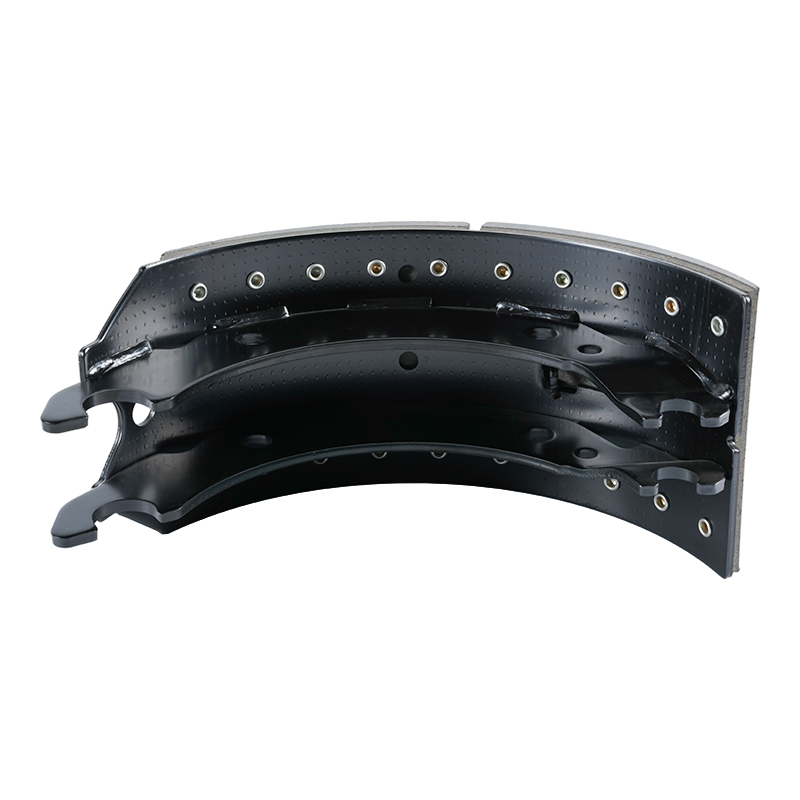
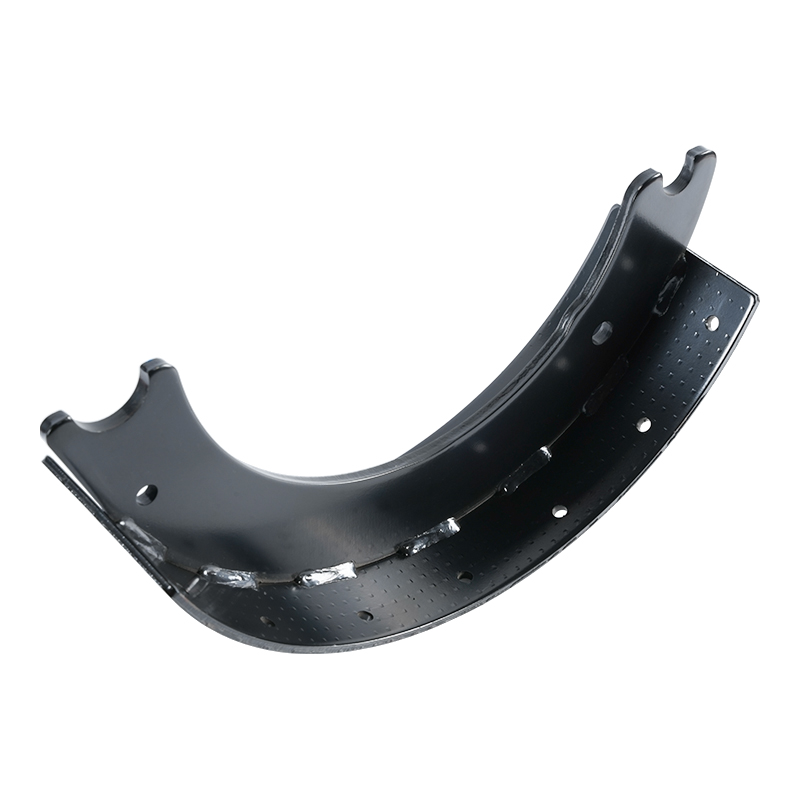
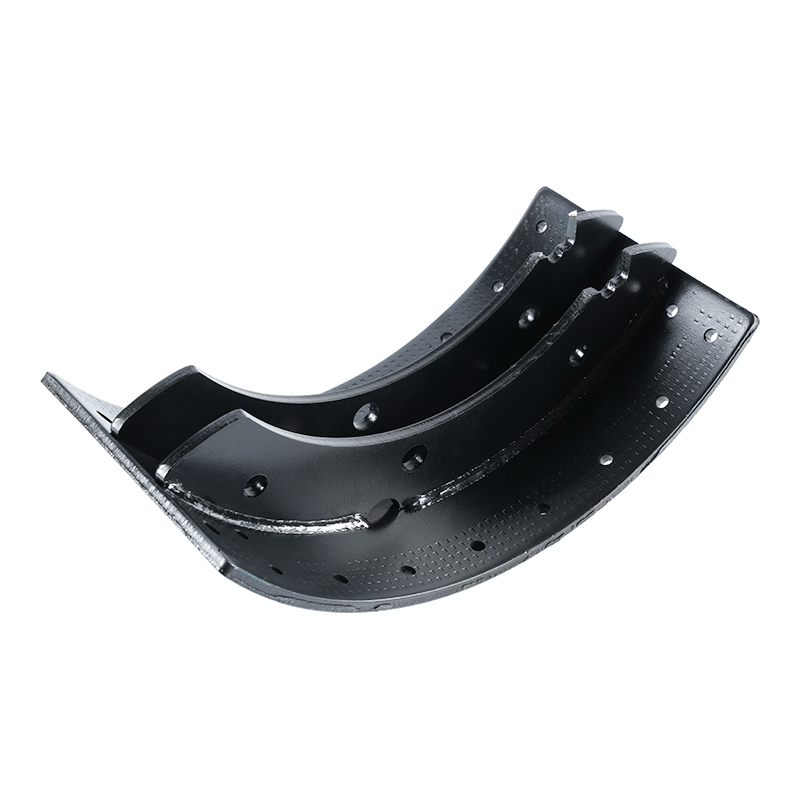
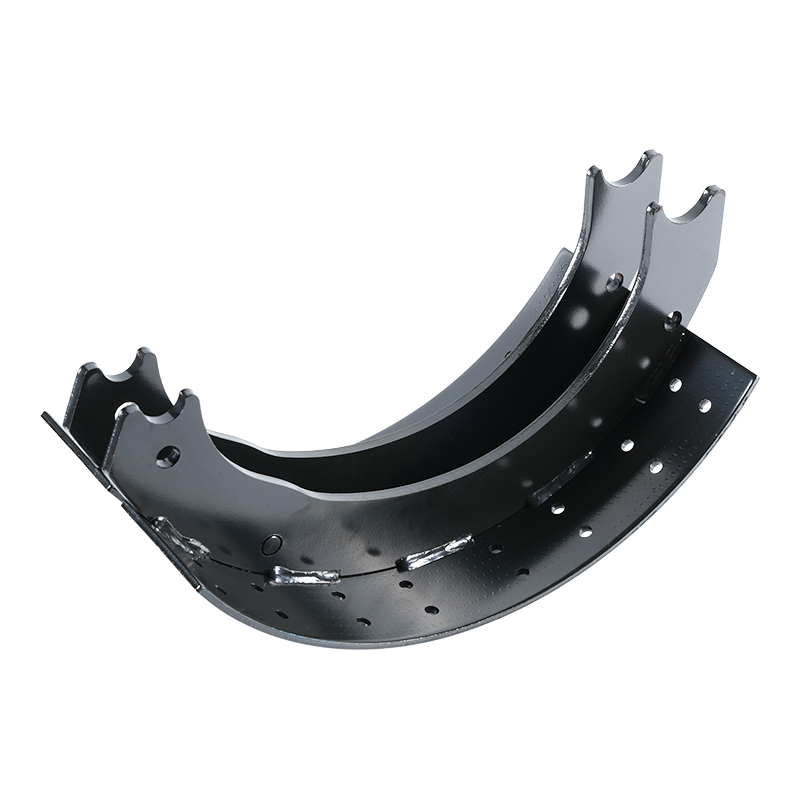
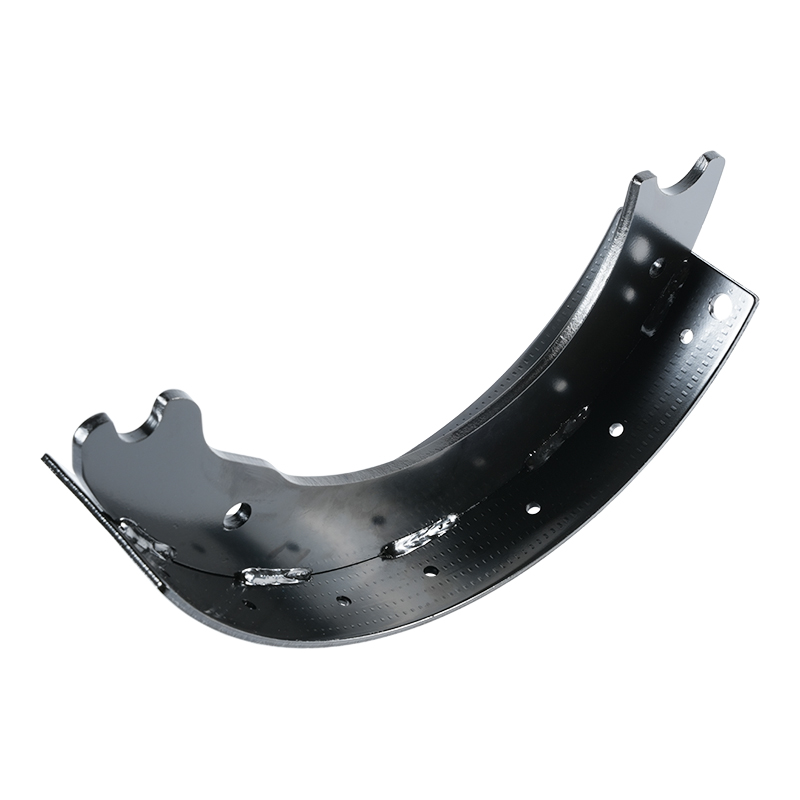
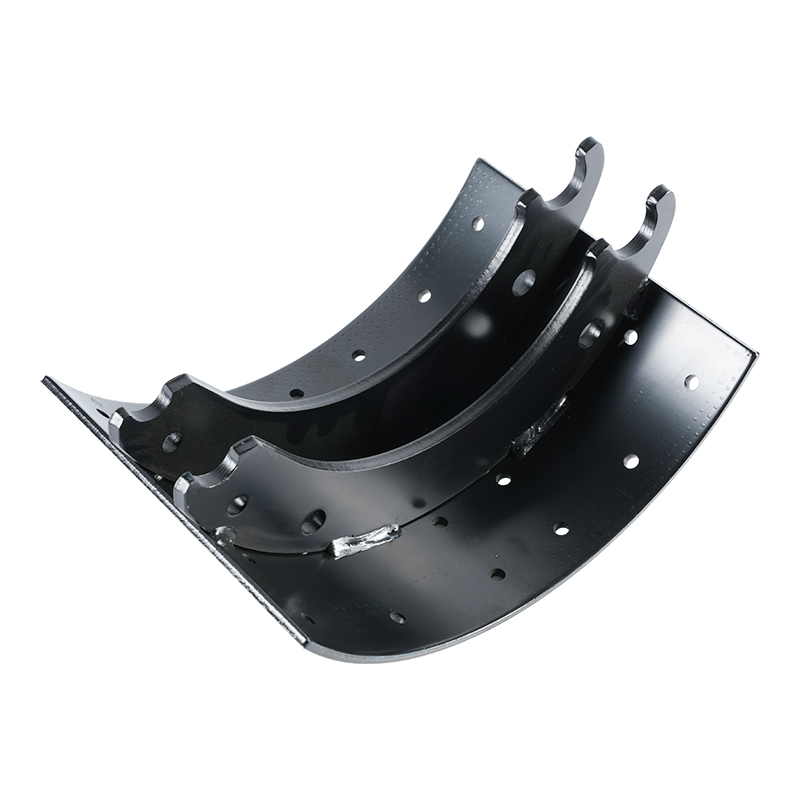
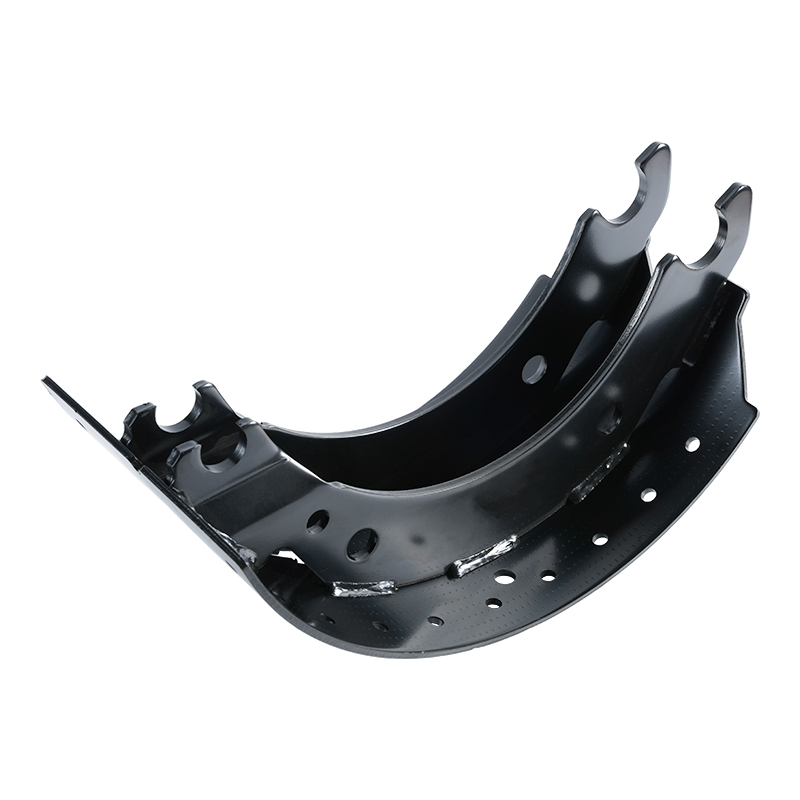
A trailer brake shoe is the curved metal component lined with friction material that presses against the inside of a brake drum to slow or stop a trailer's wheels. When you press the brake controller in your tow vehicle, an electric magnet or hydraulic mechanism pushes the brake shoe outward against the spinning drum, creating friction that converts kinetic energy into heat and brings the trailer to a controlled stop. Without a properly functioning brake shoe, a loaded trailer can push against your tow vehicle instead of stopping alongside it, which is a serious safety risk on the road.
Trailer brake shoes take a beating every time you tow, especially with heavier loads, frequent stops, or long descents down hills. Over time, the friction lining wears thin, the shoe can warp from heat, or the springs holding it in place can weaken. Understanding how these components work and how to spot the signs of wear can help you catch problems before they turn into a dangerous braking failure on the highway.
Types of Trailer Brake Shoe Systems
Not all trailer brakes are built the same, and the type of brake shoe system you have affects how it performs, how it's maintained, and how much stopping power it delivers.
Electric Drum Brakes
Electric drum brakes are the most common setup on travel trailers, utility trailers, and boat trailers in North America. An electromagnet mounted near the brake shoe is energized by the brake controller, which pulls the shoe against the drum through a lever mechanism. These systems are relatively simple to maintain and adjust, but the electromagnet itself can wear down over time and needs periodic inspection.
Hydraulic Drum Brakes (Surge Brakes)
Hydraulic surge brakes use the trailer's own momentum during deceleration to push a hydraulic cylinder, which forces the brake shoe against the drum. These are common on boat trailers and some heavier utility trailers, and they don't require a wired connection to the tow vehicle's brake controller, though they still rely on the same friction-based shoe and drum principle.
Warning Signs Your Trailer Brake Shoe Needs Attention
Trailer brakes often fail gradually, which means many owners don't notice a problem until stopping distance has already increased significantly. Watch for these warning signs.
- Longer stopping distances or a trailer that feels like it's pushing the tow vehicle
- A grinding or metal-on-metal noise coming from the wheels while braking
- Uneven braking, where one wheel locks up before the others
- Visible smoke or a burning smell near the wheel hubs after driving
- A brake controller display showing little to no amperage draw on one or more axles
- Visible cracking, glazing, or uneven wear when inspecting the shoe through the drum
If you notice any of these signs, it's worth pulling the wheel and drum to inspect the brake shoe directly rather than waiting until the next scheduled service, especially before a long tow or a trip through mountainous terrain.
How to Inspect a Trailer Brake Shoe
Inspecting your trailer brake shoe doesn't require a professional shop visit if you're comfortable doing basic maintenance. Start by chocking the wheels and safely lifting the trailer with a jack and jack stands. Remove the wheel, then carefully pull the brake drum off the hub, it may require light tapping with a rubber mallet if it's stuck from rust or corrosion.
Once the drum is off, look at the friction lining on the brake shoe. A healthy lining should be at least an eighth of an inch thick and free of deep cracks, oil contamination, or shiny glazed spots. Check the return springs for rust or stretching, and inspect the magnet or hydraulic wheel cylinder for leaks or excessive wear. If the lining is worn down close to the metal shoe, or if you see uneven wear from one side to the other, it's time for a replacement.
Comparing Brake Shoe Lining Materials
The friction material bonded or riveted to the brake shoe plays a big role in braking performance, noise level, and how well the brakes hold up under heavy or repeated use. Here's a quick comparison of common lining materials used on trailer brake shoes.
| Lining Material | Heat Resistance | Best For |
| Organic (Non-Asbestos) | Moderate | Light utility trailers, occasional towing |
| Semi-Metallic | High | Heavy trailers, frequent stop-and-go towing |
| Ceramic-Blend | High | Long-distance towing, reduced noise and dust |
For most travel trailers and cargo trailers used regularly on highways, semi-metallic or ceramic-blend linings tend to offer the best balance of durability and consistent braking performance, especially if you frequently tow near your trailer's maximum weight rating.
Replacing a Trailer Brake Shoe Step by Step
Replacing a worn trailer brake shoe is a manageable DIY project for anyone comfortable with basic hand tools. Here's a general outline of the process.
- Chock the wheels, lift the trailer, and remove the wheel and brake drum
- Take a photo of the spring and lever layout before disassembly for reference
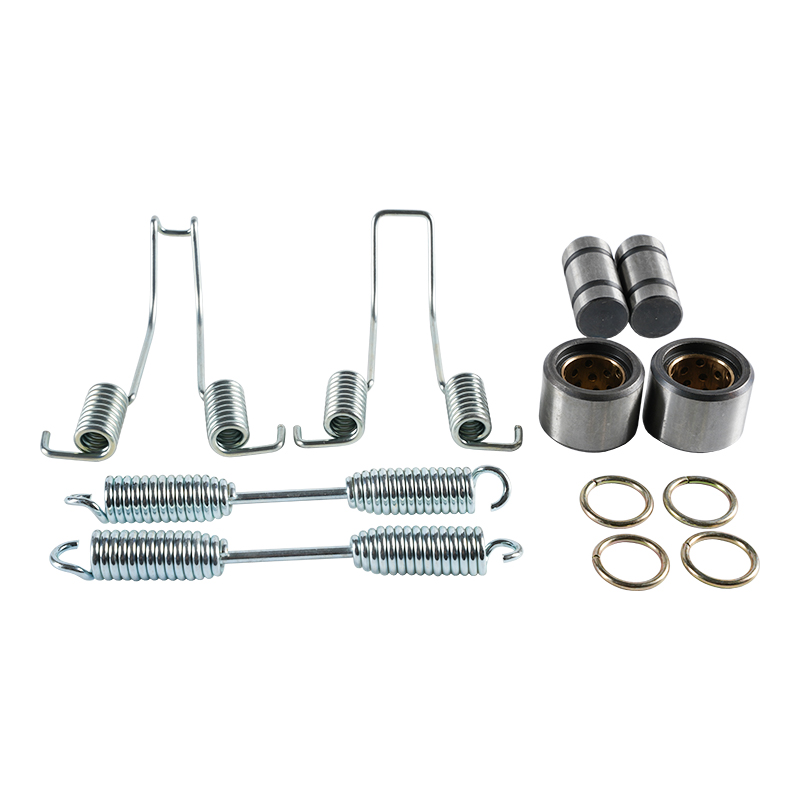
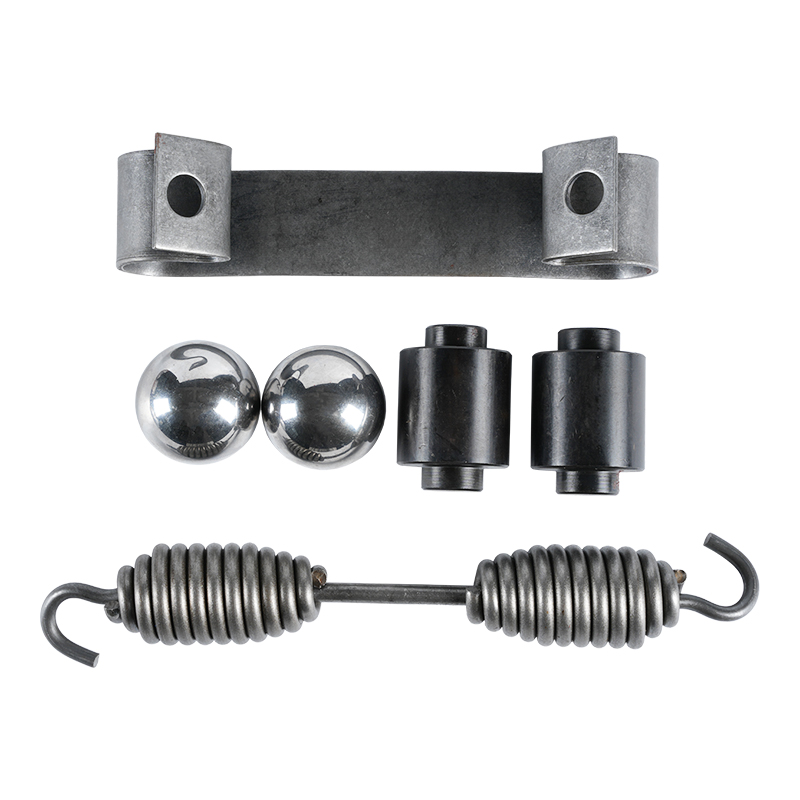
- Remove the return springs, hold-down pins, and actuating lever from the old shoe
- Install the new brake shoe set, making sure the springs and levers are seated correctly
- Adjust the brake shoe clearance using the star adjuster until the drum spins with light drag
- Reinstall the drum and wheel, then test the brakes at low speed before towing normally
Always replace brake shoes in pairs on the same axle to keep braking force balanced from side to side. Uneven shoe wear or mismatched linings can cause the trailer to pull to one side under braking, which becomes especially noticeable at highway speeds.
Tips to Extend the Life of Your Trailer Brake Shoes
A little routine care goes a long way toward getting the most life out of your trailer brake shoes and avoiding premature wear.
Keep Brakes Adjusted Properly
Trailer brakes that are set too loose force the shoe to travel further to make contact, generating extra heat and wear with every stop. Checking and adjusting the star wheel every few thousand miles keeps the shoe working within its ideal range.
Flush and Inspect After Water Exposure
Boat trailer brakes in particular are frequently submerged during launching and retrieval, which can wash away lubricant and introduce corrosion around the brake shoe and hardware. Rinsing brakes with fresh water after each use and inspecting them periodically helps prevent rust from seizing components together.
Final Thoughts on Trailer Brake Shoe Maintenance
Your trailer brake shoe might be a small, out-of-sight component, but it plays a massive role in keeping you, your cargo, and everyone else on the road safe. Regular inspection, timely replacement, and choosing the right lining material for your towing needs can prevent dangerous brake failures and extend the overall life of your trailer's braking system. A few minutes spent checking your brake shoes before a big trip is a small price to pay for confident, controlled stops on the road.

 Home
Home +86-158-6900-2386 / +86-0571-61075636
 zjlrqp@163.com
 No. 518, Nanhu Road, Tianzihu Town, Anji County, Zhejiang Province, China
Copyright © Zhejiang Langrun Auto Parts Co., Ltd. All rights reserved. Heavy-Duty Brake Shoe Manufacturer in China

