


 Eng
Eng 
 中文简体
中文简体

Brake Linings Shoe Guide: How to Spot Wear and Know When to Replace
 2026.07.07
 Industry News
Content
- 1 What Brake Linings and Brake Shoes Actually Do
- 2 Types of Brake Lining Materials and Their Characteristics
- 3 Signs Your Brake Shoes and Linings Need Replacement
- 4 How to Inspect Brake Linings and Shoes Step by Step
- 5 Comparing Brake Lining Options by Performance
- 6 Installing New Brake Shoes: What the Process Involves
- 7 Maintenance Tips to Extend Brake Lining Life
What Brake Linings and Brake Shoes Actually Do
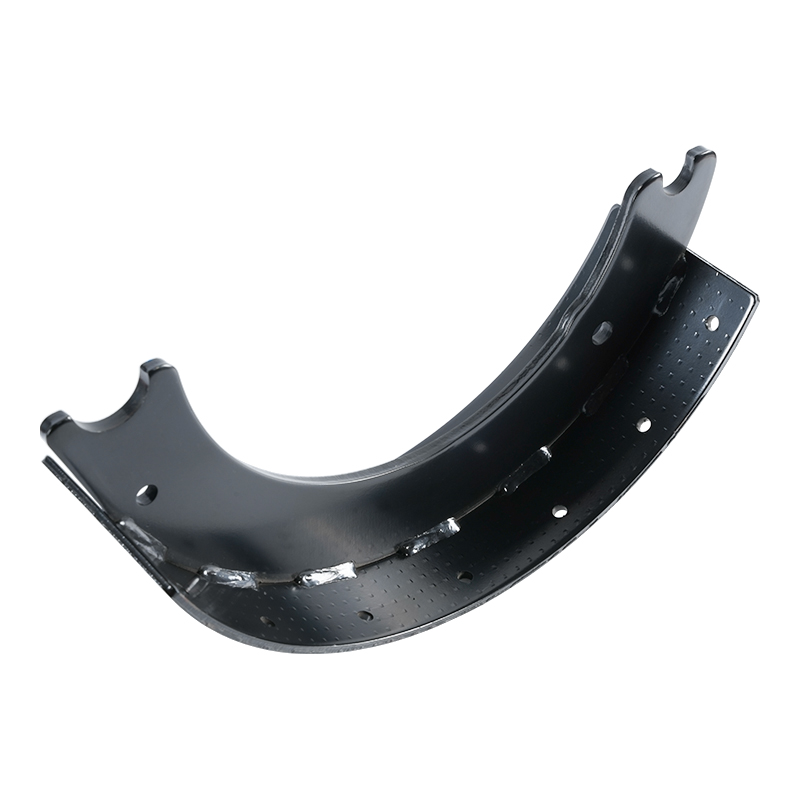
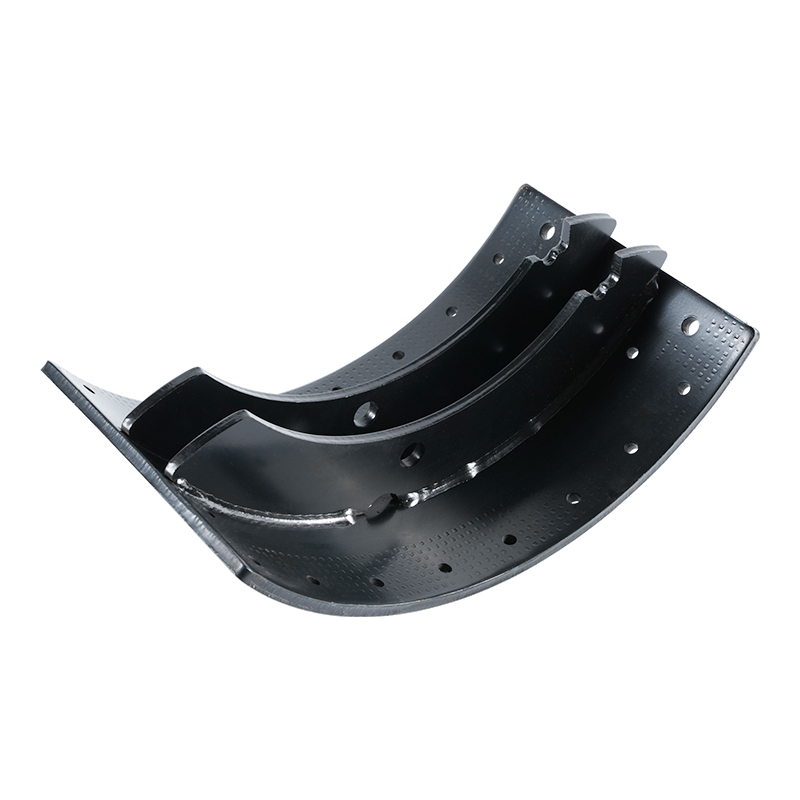
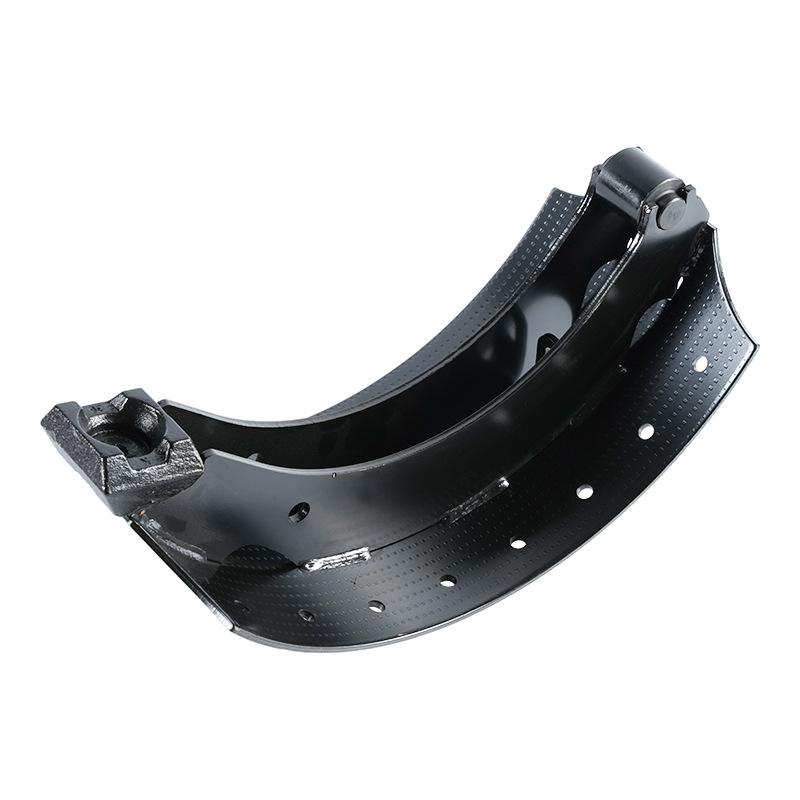
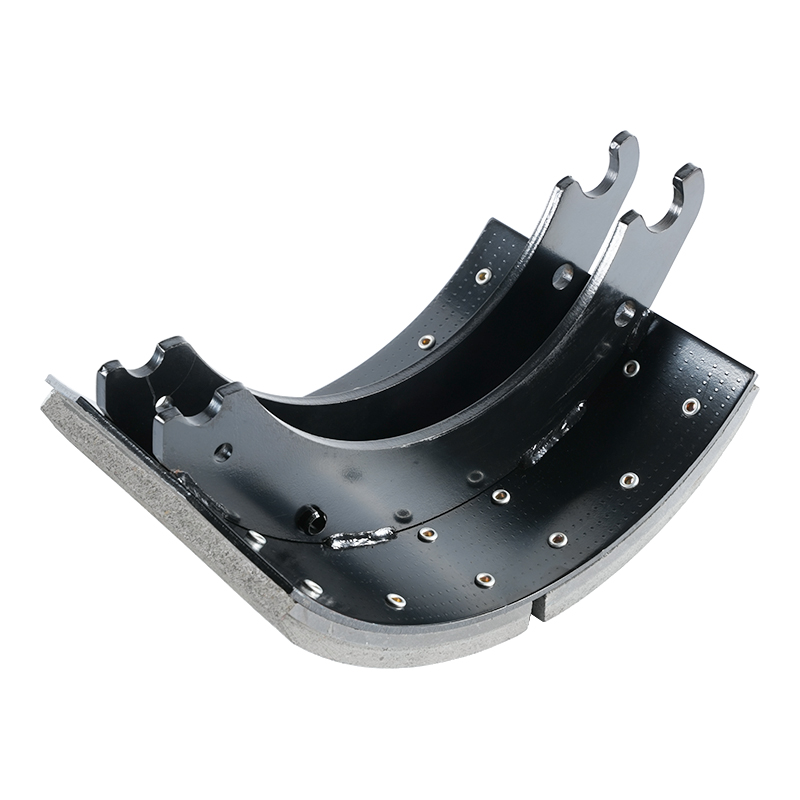
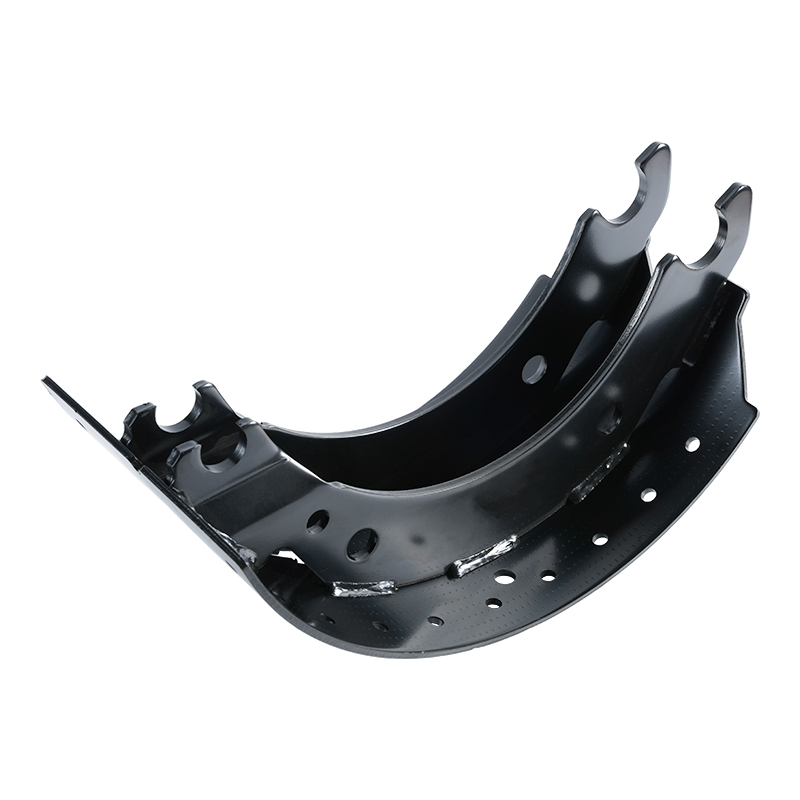
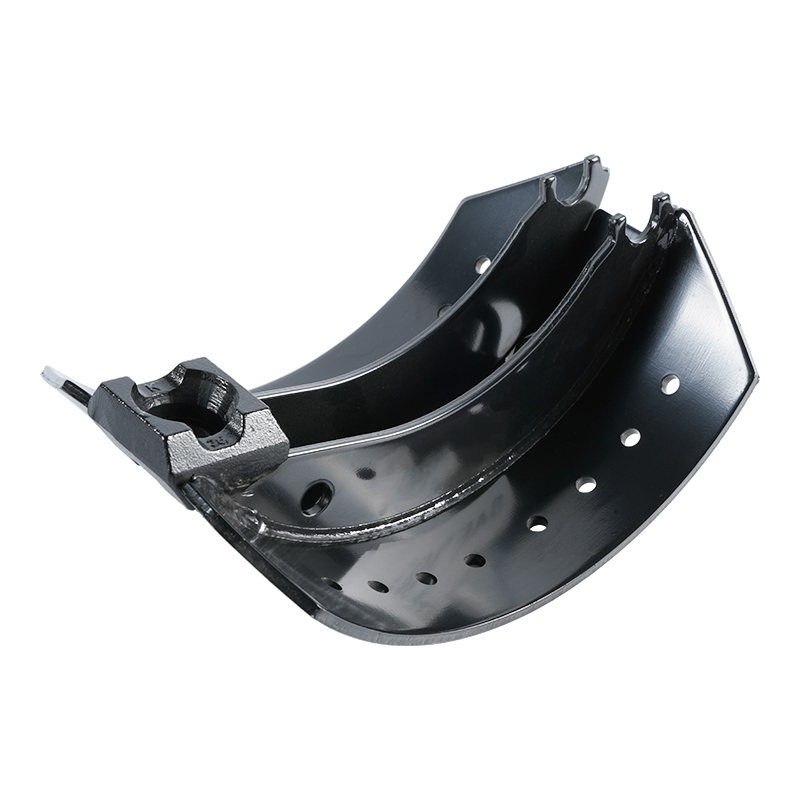
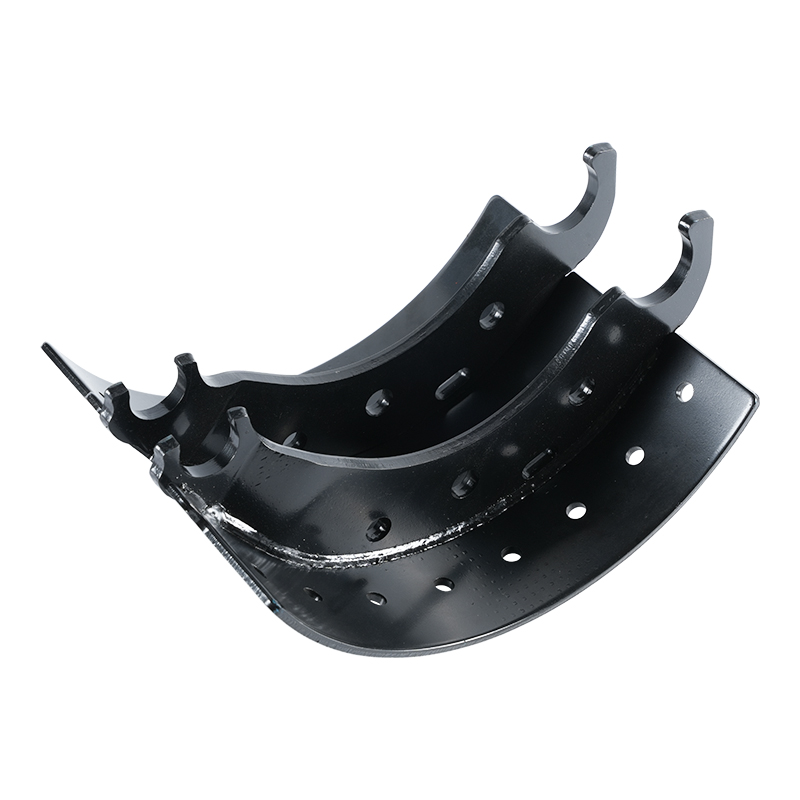
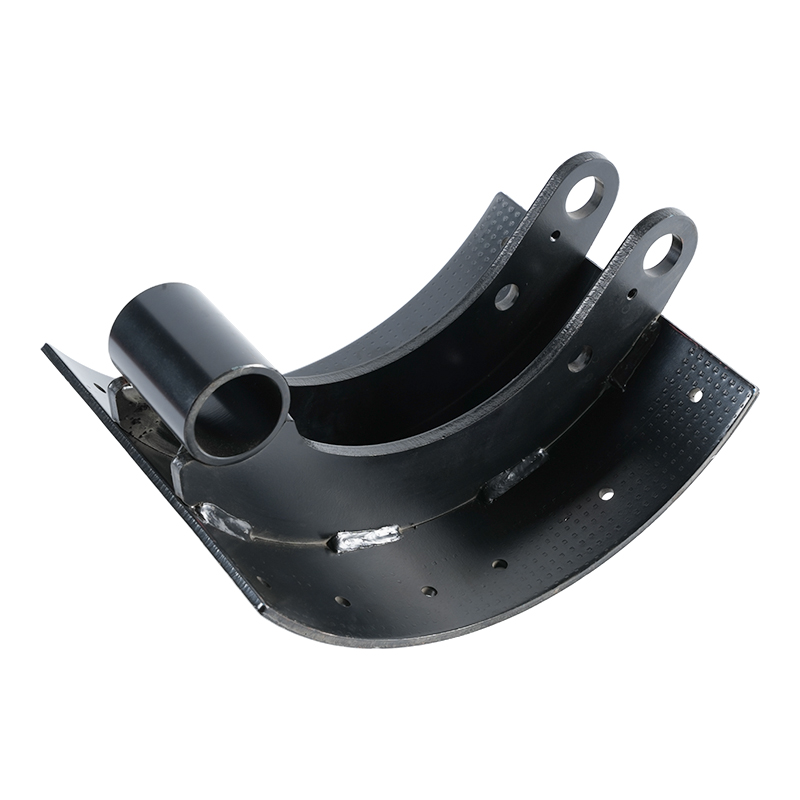
Brake linings shoe assemblies are the friction components inside a drum brake system that press outward against the inner surface of the brake drum to slow or stop the wheel. The brake shoe is the curved metal base, while the brake lining is the friction material bonded or riveted onto that base. Together, they convert the vehicle's kinetic energy into heat through friction, which is exactly why lining material and shoe condition matter so much for stopping power and overall braking safety.
While disc brakes have become standard on the front axles of most modern vehicles, drum brakes with brake linings and shoes are still widely used on rear axles for passenger cars, as well as on trucks, trailers, and older vehicles, largely because they're cost-effective, durable, and well suited for parking brake integration.
Types of Brake Lining Materials and Their Characteristics
The friction material bonded to a brake shoe significantly affects how the brake performs under different driving conditions. Understanding the common types helps when choosing a replacement.
Organic Brake Linings
Made from a blend of fibers, resins, and fillers, organic linings are quieter and gentler on the drum surface, making them a common choice for everyday passenger vehicles that don't face extreme braking demands.
Semi-Metallic Brake Linings
Containing a higher percentage of metal fibers, semi-metallic linings handle heat better and offer stronger stopping power, making them suitable for trucks, trailers, and vehicles that regularly carry heavier loads.
Ceramic Brake Linings
Less common in drum applications but growing in popularity, ceramic linings produce less dust and noise while maintaining consistent performance across a wide temperature range.
Signs Your Brake Shoes and Linings Need Replacement
Brake linings wear down gradually with every stop, and catching the warning signs early prevents damage to the drum and keeps braking performance consistent.
- Grinding or scraping noise when applying the brakes
- Reduced braking power or a soft, spongy brake pedal feel
- Vehicle pulling to one side when braking
- Visible lining thickness of less than 2mm during inspection
- A burning smell after repeated or hard braking
How to Inspect Brake Linings and Shoes Step by Step
A hands-on inspection gives a much clearer picture of brake condition than relying on noise alone. Following a consistent process helps catch problems before they become safety issues.
Step 1: Remove the Wheel and Drum
After safely lifting the vehicle, remove the wheel and pull the brake drum off to expose the shoes, springs, and adjuster mechanism inside.
Step 2: Measure Lining Thickness
Use a brake lining gauge or ruler to measure the remaining friction material thickness, comparing it against the manufacturer's minimum specification to decide if replacement is needed now or can wait.
Step 3: Check for Uneven Wear or Glazing
Uneven wear across the lining surface often points to a sticking wheel cylinder or misaligned shoe, while a shiny, glazed surface indicates overheating that reduces friction performance.
Step 4: Inspect the Drum Surface
Check the inside of the drum for deep grooves, scoring, or discoloration, since a damaged drum can wear out new brake linings prematurely if it isn't resurfaced or replaced alongside the shoes.
Comparing Brake Lining Options by Performance
Choosing the right brake lining material depends on your vehicle type and driving demands. The table below compares the three most common lining types.
| Lining Type | Heat Resistance | Best For |
| Organic | Moderate | Everyday passenger cars |
| Semi-Metallic | High | Trucks, trailers, heavy loads |
| Ceramic | High | Quiet, low-dust daily driving |
Installing New Brake Shoes: What the Process Involves
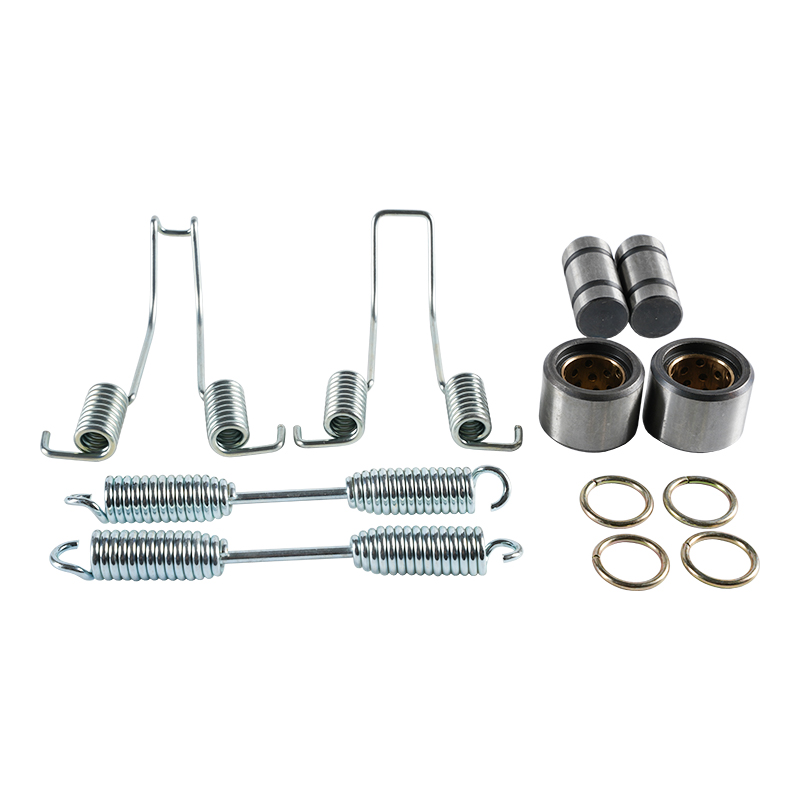
Replacing brake linings and shoes requires careful attention to spring placement and adjuster settings, since drum brake assemblies rely on multiple small components working together correctly. After removing the old shoes, springs, and hardware, the wheel cylinder should be checked for leaks or sticking before installing new shoes with fresh springs and clips. Getting the self-adjuster mechanism set correctly is especially important, since a misadjusted brake will either drag against the drum or require excessive pedal travel to engage properly.
It's generally recommended to replace brake shoes in pairs on the same axle to maintain even braking force side to side, and many technicians also recommend replacing the return springs and hold-down hardware at the same time, since these small parts weaken with heat cycles over the years even if they aren't visibly damaged.
Maintenance Tips to Extend Brake Lining Life
Good driving habits and routine maintenance go a long way toward extending the life of brake linings and shoes. Keep these practices in mind:
- Avoid riding the brakes on long downhill drives; use engine braking instead when possible
- Have drum brakes inspected at every routine service interval
- Clean brake dust and debris from the drum area periodically
- Address grinding noises immediately rather than continuing to drive on worn linings
- Keep the parking brake mechanism lubricated and functioning smoothly since it shares the same drum assembly

 Home
Home +86-158-6900-2386 / +86-0571-61075636
 zjlrqp@163.com
 No. 518, Nanhu Road, Tianzihu Town, Anji County, Zhejiang Province, China
Copyright © Zhejiang Langrun Auto Parts Co., Ltd. All rights reserved. Heavy-Duty Brake Shoe Manufacturer in China

