


 Eng
Eng 
 中文简体
中文简体

How to Determine If Your Brake Linings or Shoes Need Replacing?
 2026.04.08
 Industry News
Content
Understanding the Role of Your Brake Linings Shoe
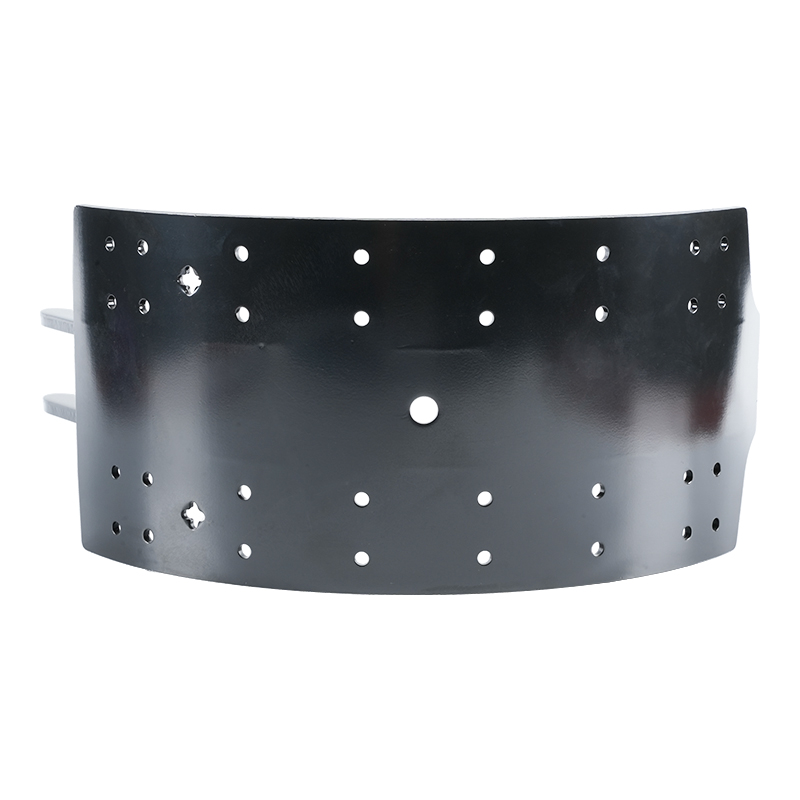
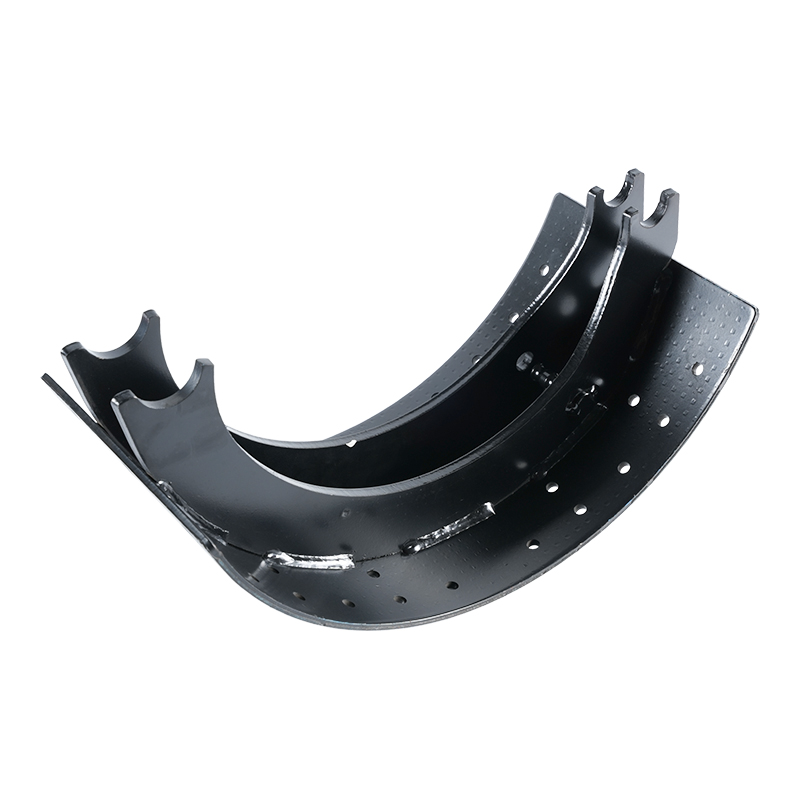
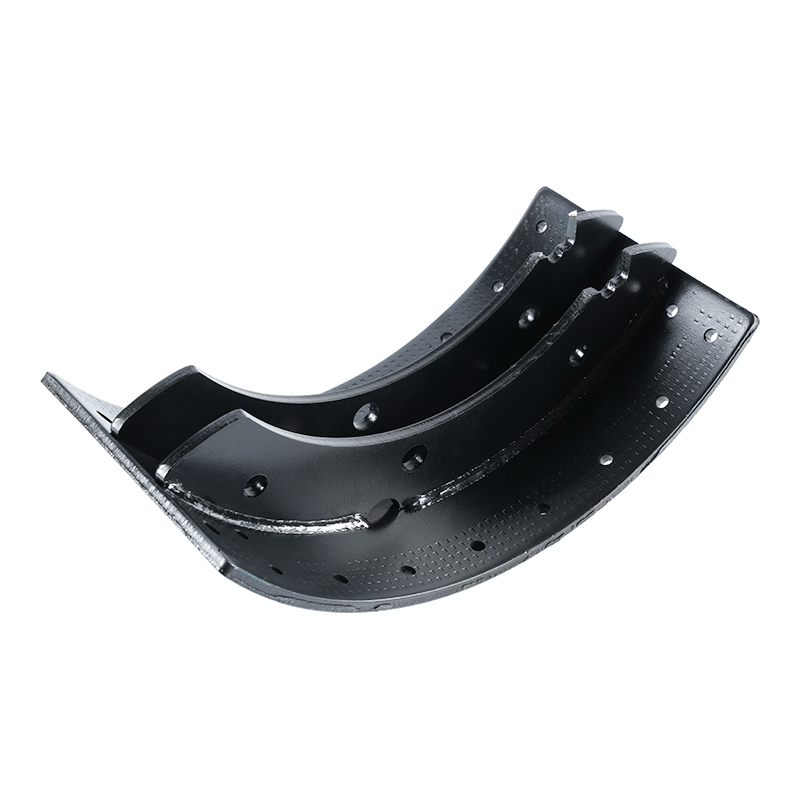
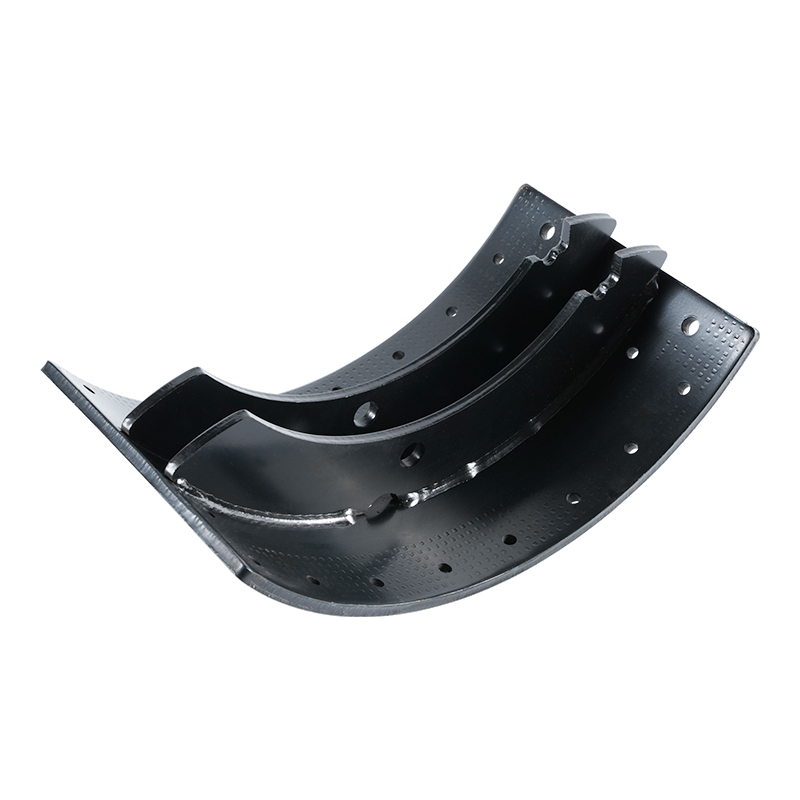
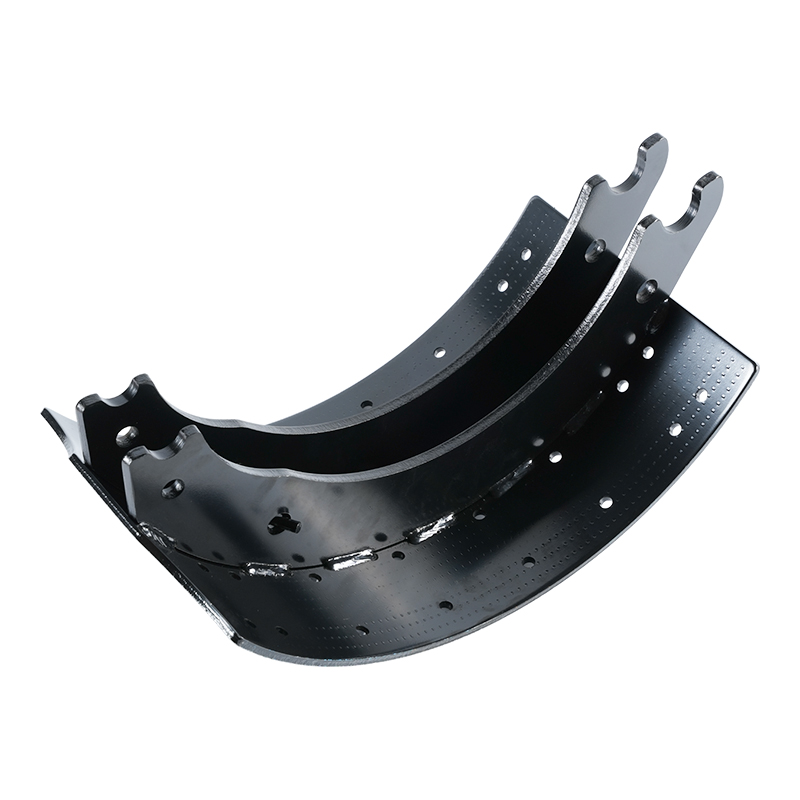
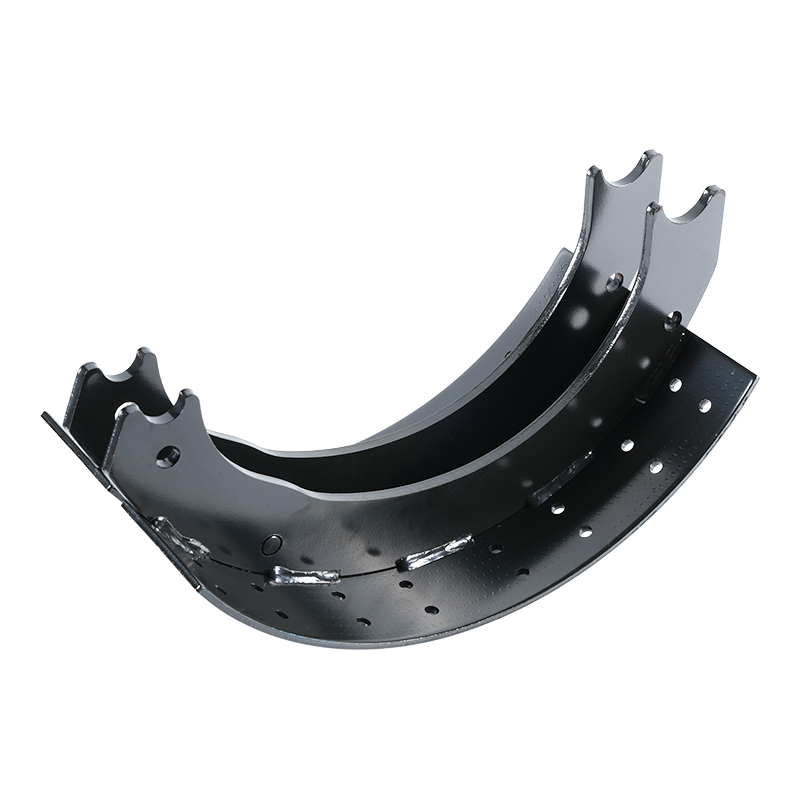
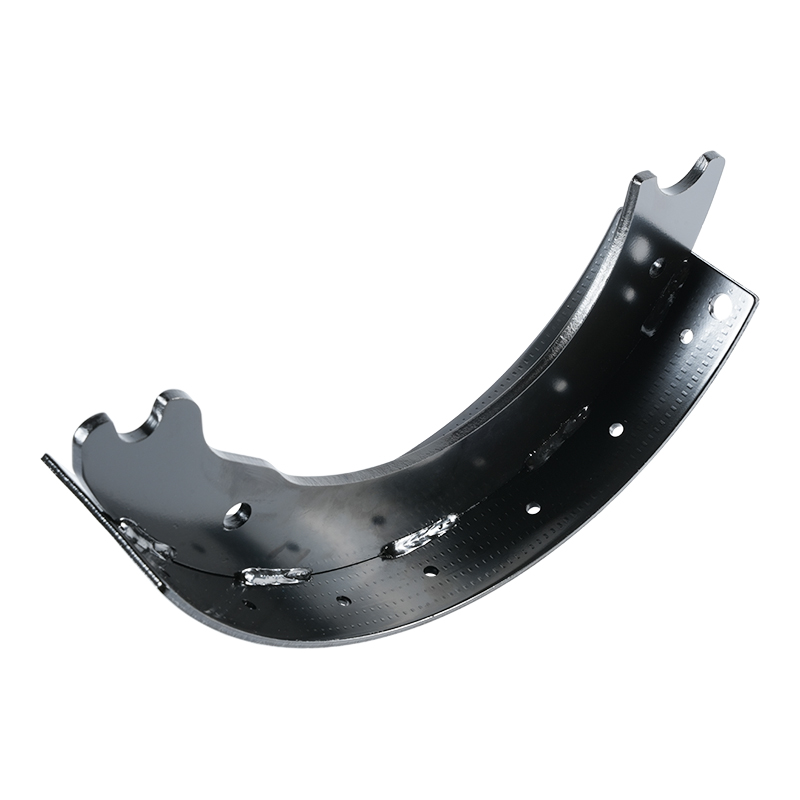
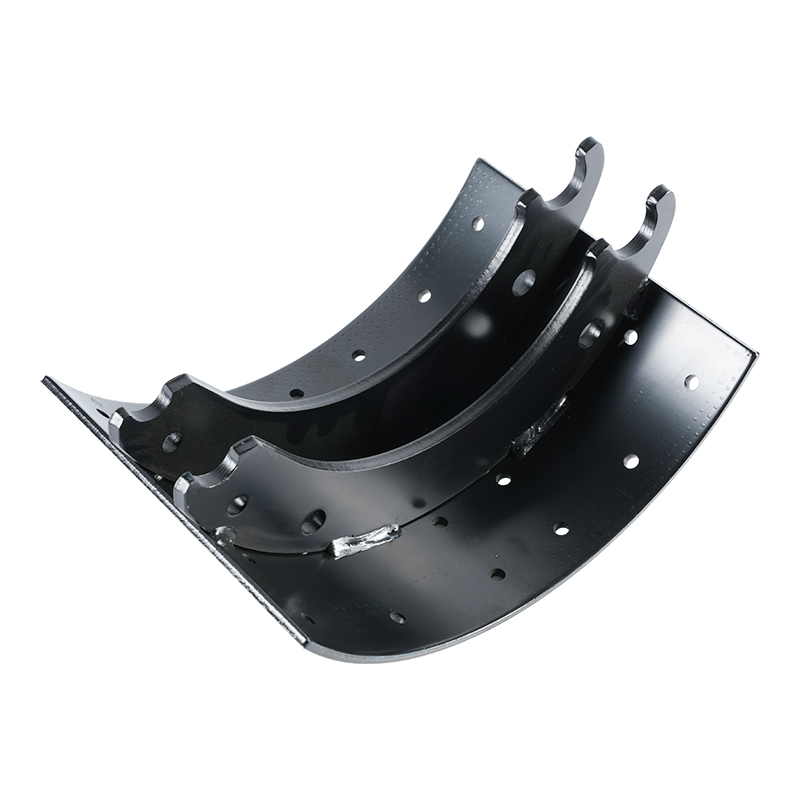
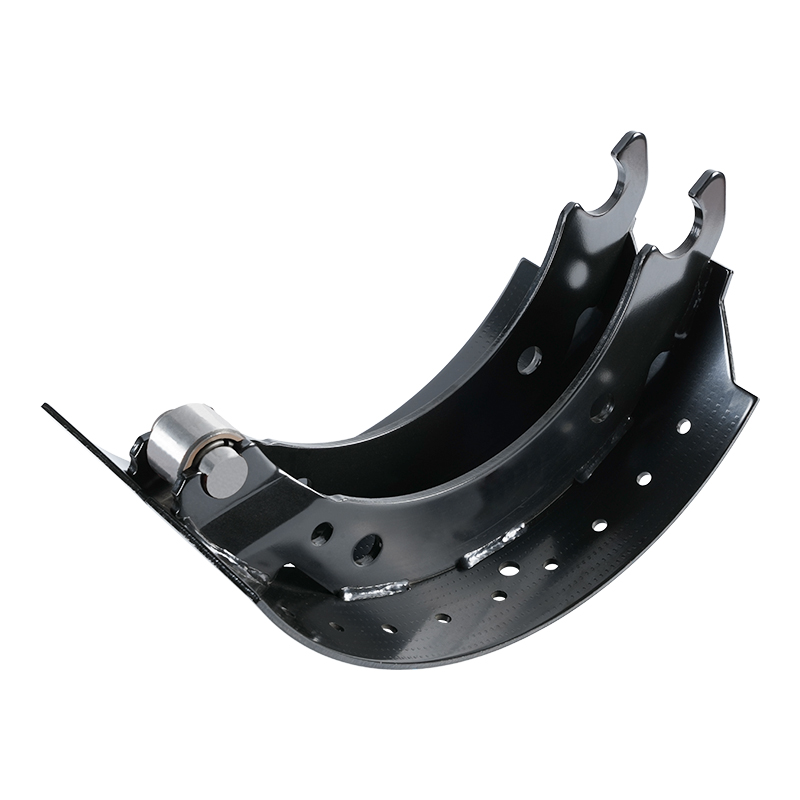
When you press down on your brake pedal, a complex system goes to work to safely stop a heavy, moving vehicle. In vehicles equipped with drum brakes, the brake linings shoe plays the starring role. The metal brake shoe itself is merely a curved bracket; the true stopping power comes from the friction material attached to its surface, known as the brake shoe lining. When the wheel cylinder pushes the shoes outward, these specialized linings press hard against the inside of the spinning brake drum, generating the immense friction required to slow you down. Without high-quality linings in good condition, your stopping distance drastically increases, putting you and your passengers at risk.
Common Materials Used in Drum Brake Linings
Not all brake shoe linings are created equal. Manufacturers formulate different friction materials based on the vehicle's weight, intended use, and desired noise levels. Knowing what your brake linings are made of can help you make better decisions when it is time for a replacement.
- Non-Asbestos Organic (NAO): Made from fibers like glass, rubber, and Kevlar, these are the softest and quietest linings. They are excellent for everyday commuting but tend to wear down faster under heavy braking.
- Semi-Metallic: These linings incorporate steel wool or copper wire woven into the friction material. They offer excellent heat dissipation and durability, making them ideal for heavier vehicles and towing applications, though they can be slightly noisier.
- Ceramic: Representing the premium tier, ceramic brake shoe linings handle high temperatures exceptionally well, produce very little brake dust, and last a long time. However, they are typically the most expensive option on the market.
Recognizing the Signs of Wear and Tear
Because drum brakes are enclosed, you cannot easily perform a visual inspection of your brake linings shoe without removing the wheel and the drum. Therefore, you have to rely on physical and auditory cues. If you hear a harsh scraping or grinding noise from the rear of your car, the friction material has likely worn completely away, causing metal-to-metal contact. A parking brake that pulls up much higher than usual or a spongy brake pedal are also strong indicators that your brake linings need immediate attention.
Riveted vs. Bonded Brake Linings
The friction material must be permanently secured to the metal shoe to function properly. In the automotive industry, there are two primary methods for attaching the lining: riveting and bonding. Each method has its own distinct advantages depending on the application.
| Attachment Method | How It Works | Best Use Case |
| Bonded Linings | Material is glued to the shoe using high-heat, high-strength industrial adhesives. | Standard passenger cars and light-duty trucks. |
| Riveted Linings | Material is fastened mechanically with copper or aluminum rivets. | Heavy-duty trucks, commercial vehicles, and high-heat environments. |
Practical Maintenance Tips for Drum Brake Systems
Taking proactive care of your braking system ensures safety and saves you money in the long run. First, make sure your rear drum brakes are properly adjusted. Many modern drum brakes are self-adjusting, but the mechanisms can seize up with rust and brake dust over time. Have a mechanic clean and lubricate the star wheel adjuster every time you get a tire rotation. Second, whenever you replace a worn brake linings shoe, always replace the return springs and hold-down hardware. Old springs lose their tension, which can cause the new shoes to drag against the drum, overheating the lining and drastically reducing its lifespan.

 Home
Home +86-158-6900-2386 / +86-0571-61075636
 zjlrqp@163.com
 No. 518, Nanhu Road, Tianzihu Town, Anji County, Zhejiang Province, China
Copyright © Zhejiang Langrun Auto Parts Co., Ltd. All rights reserved. Heavy-Duty Brake Shoe Manufacturer in China

