


 Eng
Eng 
 中文简体
中文简体

How to Pick and Fix Trailer Brake Shoes Without Losing Your Mind
 2026.05.06
 Industry News
Content
How to Properly Bed In New Trailer Brake Shoes
Skipping the bedding process is the fastest way to ruin a fresh set of trailer brake shoes and leave yourself with weak, inconsistent stopping power. Bedding transfers a thin, even layer of friction material from the lining onto the drum surface, creating optimal contact and heat resistance. Start by finding a safe, flat stretch of road with minimal traffic. Accelerate your tow rig to about thirty miles per hour, then apply the trailer brakes firmly through your controller for roughly five seconds before easing off. Repeat this cycle six to eight times, allowing the drums to cool completely between passes by driving without brake application for two minutes. If you skip the cool-down periods or rush through the cycles, the heat will bake the binder resins unevenly, causing the replacement brake shoe sets to glaze and slip when you actually need them on a steep downgrade.
Troubleshooting Common Trailer Brake Shoe Quirks
Fixing Uneven Braking and Pulling
When your trailer drags to one side during braking, it usually means the electric trailer brake shoes on one axle are grabbing harder than the others. The first thing to check is the star wheel adjuster located at the base of each backing plate. Use a flat screwdriver to turn the adjuster until you feel slight drag while spinning the wheel by hand, then back it off three clicks to restore proper clearance. If the pulling persists, disconnect the brake wire from the problematic drum and test the magnet strength with a multimeter; a reading below two amps indicates a worn electromagnet that fails to push the shoes outward with enough force. Cleaning the drum backing plate with high-heat brake cleaner also removes grease and brake dust that can cause the shoes to bind against the anchor pins.
- Manually adjust the star wheel to equalize shoe clearance across all axles
- Test magnet amp draw to verify the electromagnetic actuator is pushing the shoes fully
- Lubricate anchor pins with high-temperature silicone grease to prevent binding
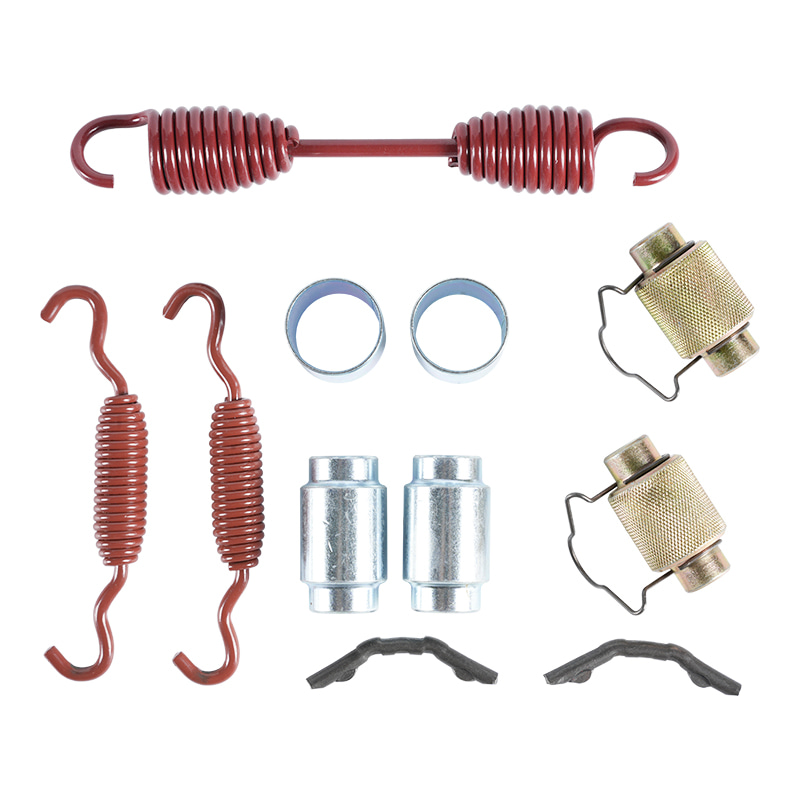
- Swap left and right brake shoe hardware if one set shows significantly faster wear
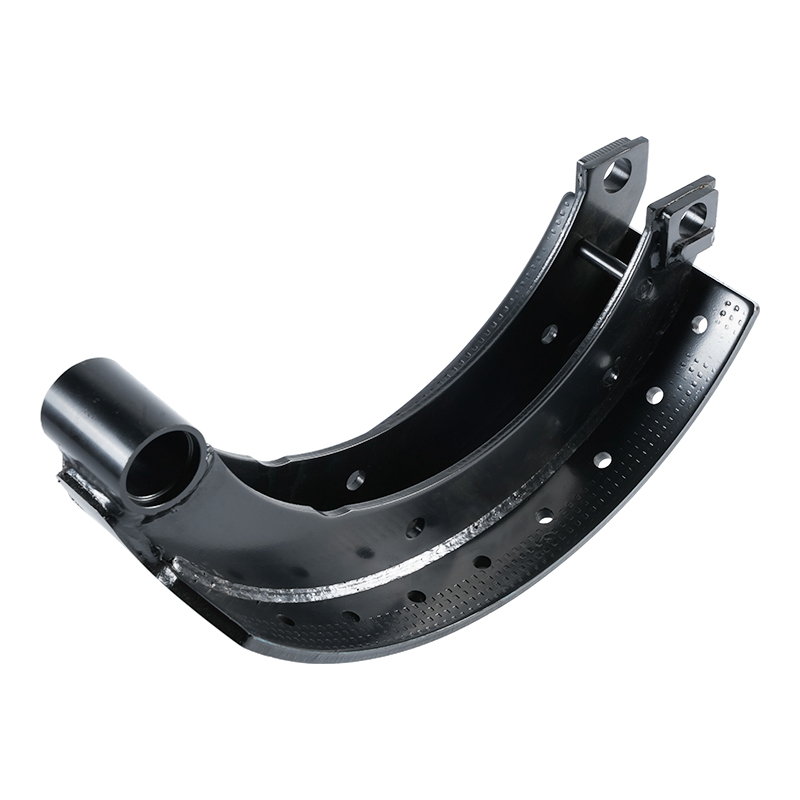
Upgrading Your Trailer Brake Shoes for Heavy Loads
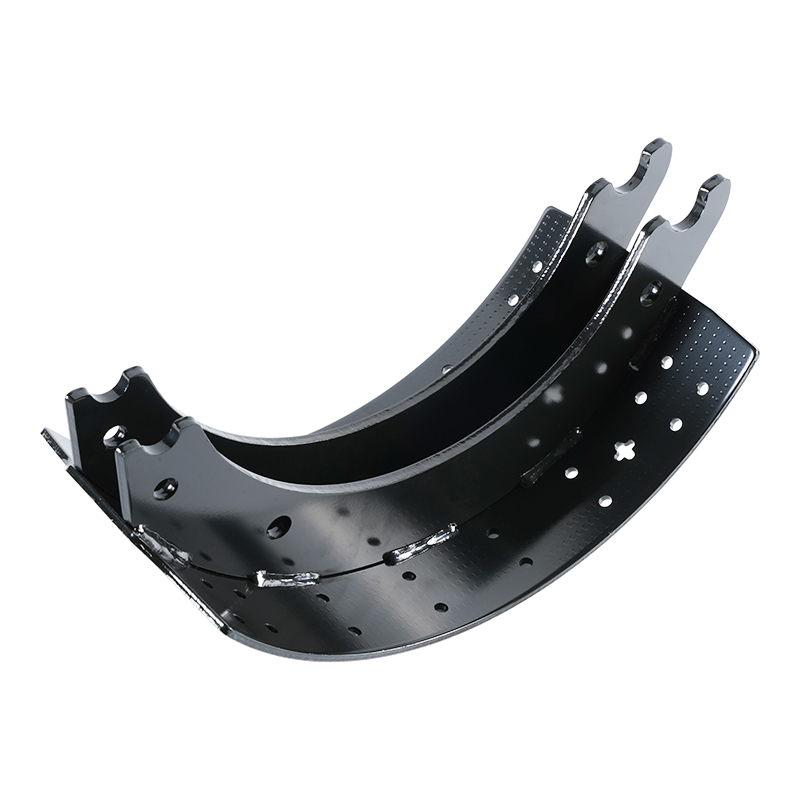
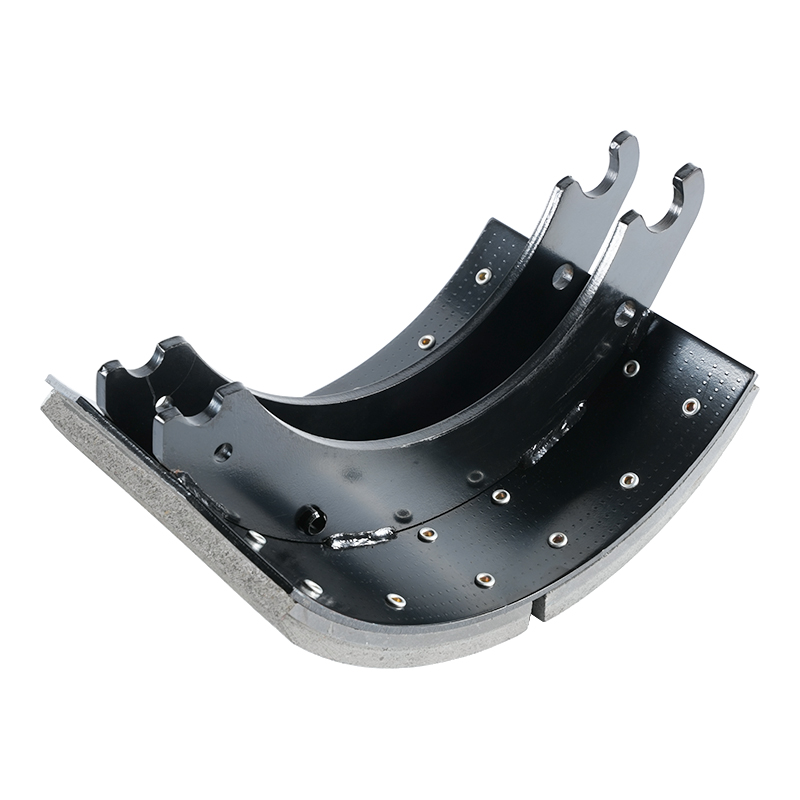
If you regularly haul equipment, livestock, or large campers that push your tow vehicle to its limits, standard drum brake shoe hardware will overheat and fade quickly. Upgrading to heavy-duty trailer brake linings with a higher friction coefficient gives you more consistent bite under sustained pressure. Look for kits that feature wider shoe profiles, reinforced steel backing plates, and heat-dissipating slots that channel brake dust away from the contact surface. Always verify that your brake controller can supply enough voltage to activate the upgraded magnets, and consider adding a dedicated trailer brake cooler or ventilation cap if you frequently tackle mountain passes.
| Brake Shoe Type | Ideal Payload Range | Heat Resistance | Best Use Case |
| Standard Organic | Under 3,500 lbs | Low to Moderate | Light utility trailers and occasional weekend hauling |
| Semi-Metallic | 3,500 to 7,000 lbs | Moderate to High | Travel trailers, boat haulers, and frequent highway use |
| Heavy-Duty Ceramic | 7,000+ lbs | High | Commercial equipment, mountain terrain, and daily fleet operation |
Matching Brake Shoe Materials to Your Towing Environment
The climate and road conditions you face daily play a huge role in which replacement brake shoe sets will actually survive long-term. Organic linings perform quietly in mild weather but absorb moisture quickly, making them a poor choice for coastal regions or frequent lake launches where saltwater corrosion attacks the drum brake shoe hardware. Semi-metallic compounds handle wet conditions better and shed heat faster, though they tend to wear the drum surface more aggressively over time. Ceramic-based heavy-duty trailer brake linings resist fading in extreme heat and produce minimal dust, but they require higher activation voltage to bite properly, meaning you may need to dial up your brake controller gain before each trip. Always cross-reference your trailer’s GVWR, typical braking frequency, and local weather patterns before ordering a new kit to avoid premature failure or unsafe stopping distances.
- Organic linings work best in dry climates with light, infrequent trailer use
- Semi-metallic shoes offer reliable performance for mixed weather and heavier payloads
- Ceramic compounds excel in mountainous terrain but demand higher brake controller output
- Water-resistant coatings on backing plates extend drum brake shoe hardware life in humid regions

 Home
Home +86-158-6900-2386 / +86-0571-61075636
 zjlrqp@163.com
 No. 518, Nanhu Road, Tianzihu Town, Anji County, Zhejiang Province, China
Copyright © Zhejiang Langrun Auto Parts Co., Ltd. All rights reserved. Heavy-Duty Brake Shoe Manufacturer in China

