


 Eng
Eng 
 中文简体
中文简体
 Home / News / Industry News / The Essential Guide to Brake Shoe Assemblies: Precision, Performance, and Maintenance for Drum Brake System
 The Essential Guide to Brake Shoe Assemblies: Precision, Performance, and Maintenance for Drum Brake System
 2025.12.24
 Industry News
Content
Understanding the Anatomy of a Brake Shoe Assembly
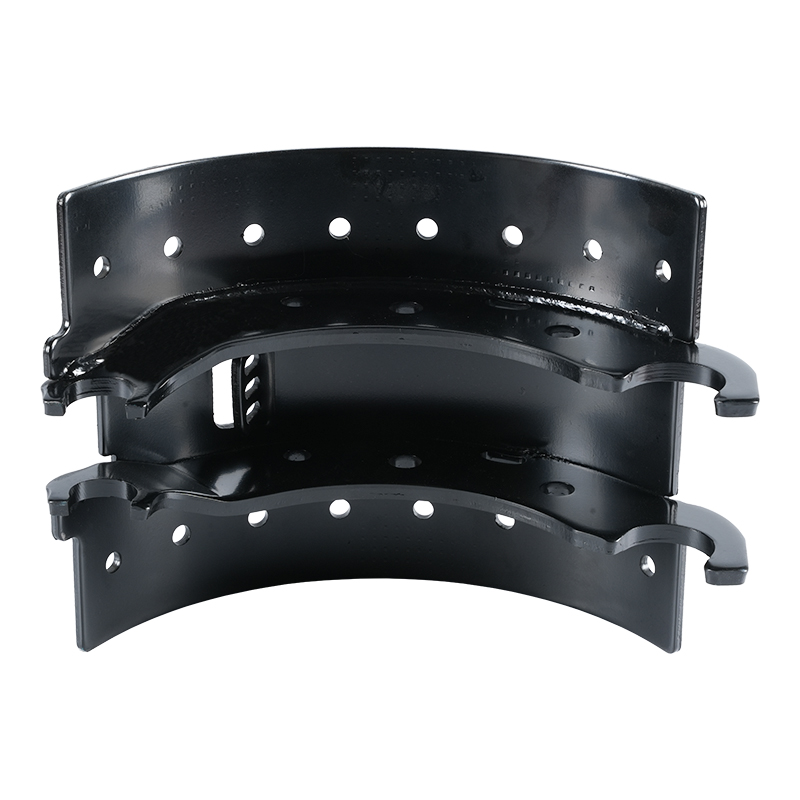
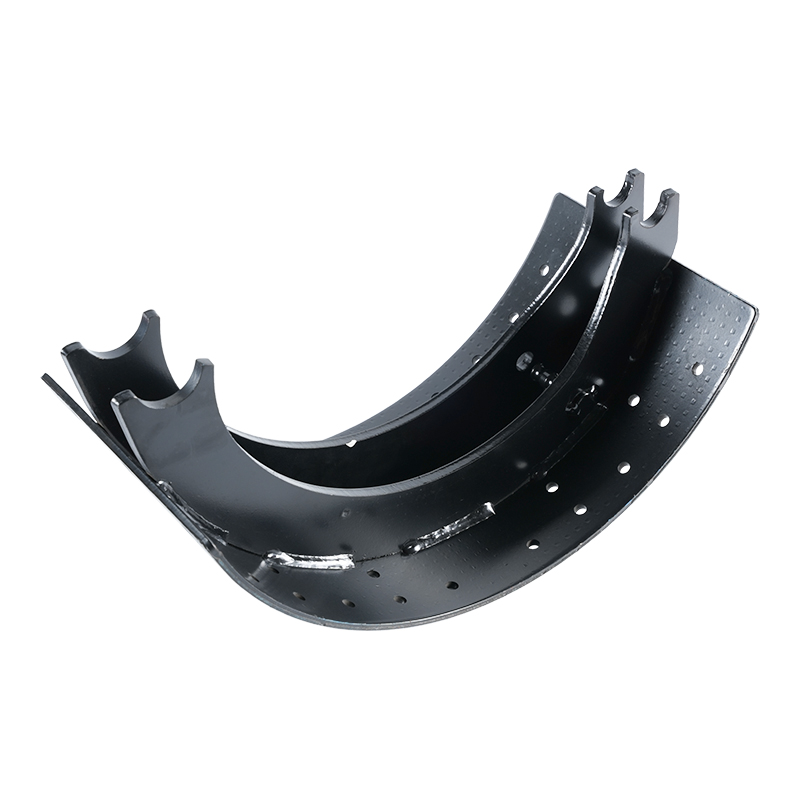
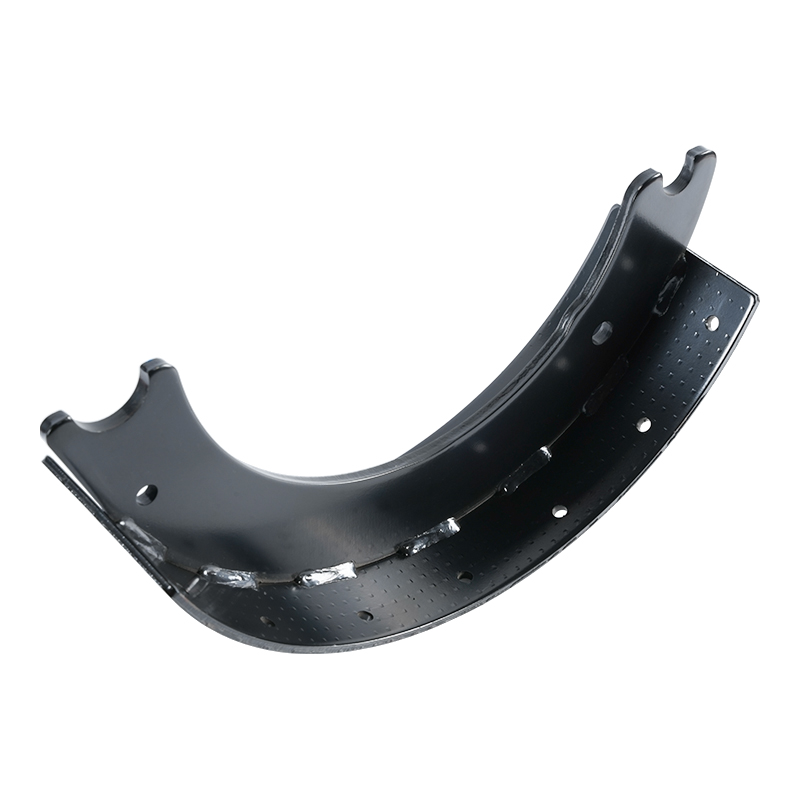
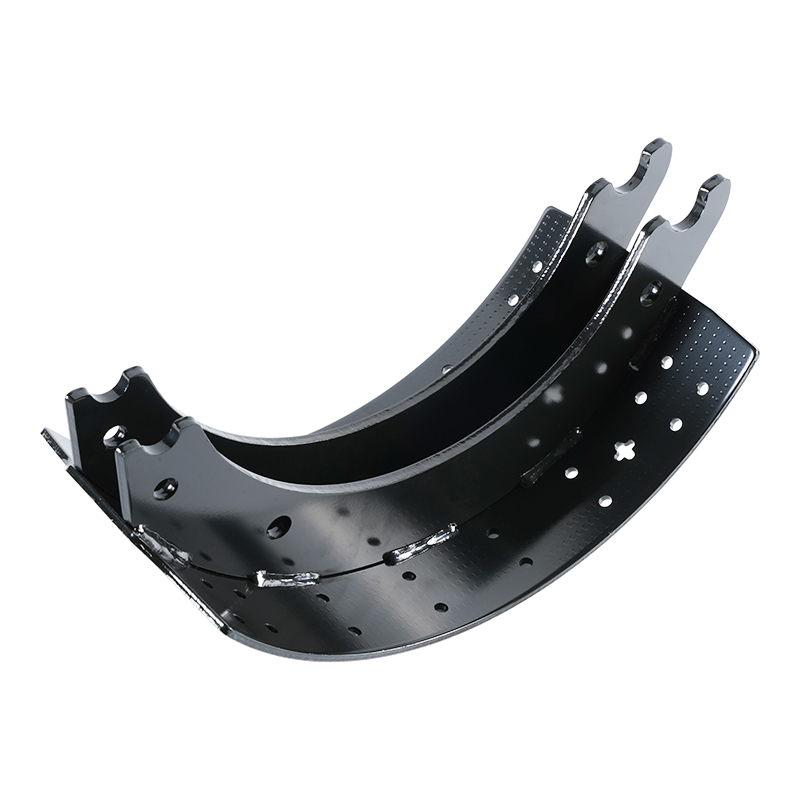
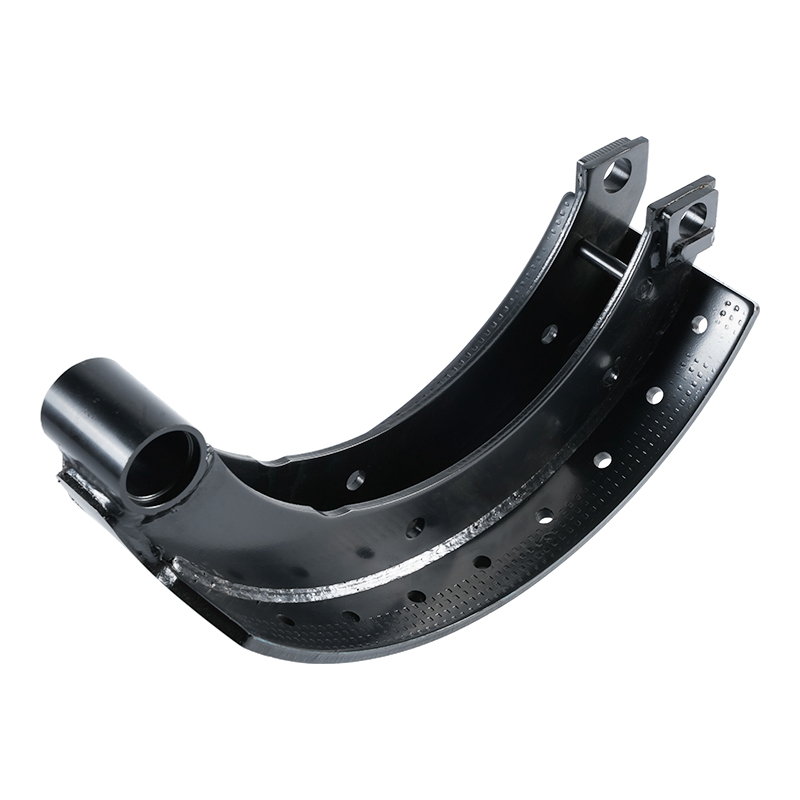
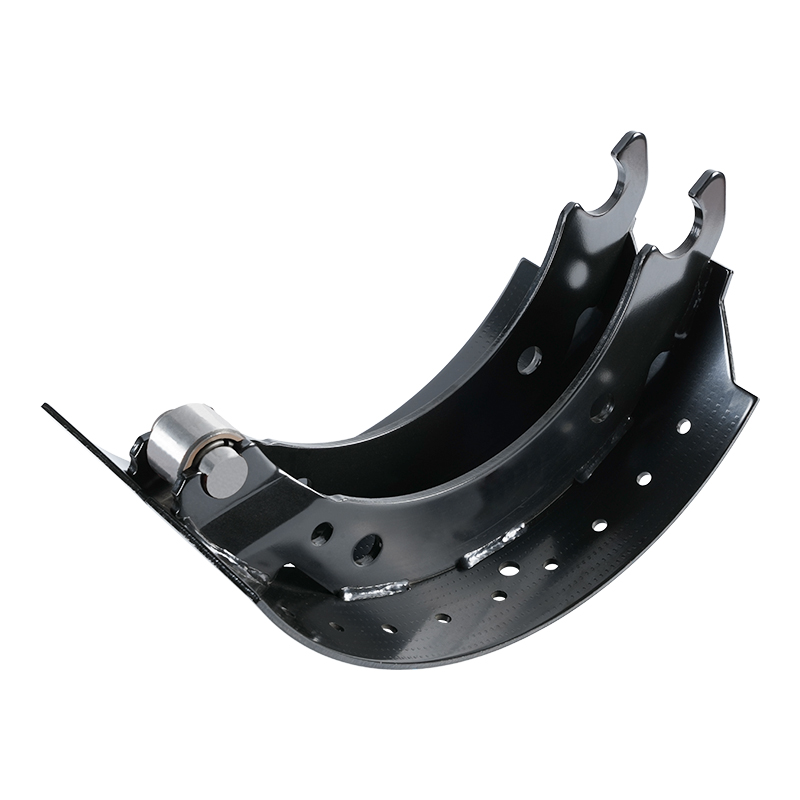
A brake shoe assembly is the core component of a traditional drum brake system, primarily found on the rear wheels of many modern vehicles and the front and rear of older models. Unlike disc brakes that use pads to grip a rotor, the brake shoe assembly consists of a curved piece of metal with friction material bonded or riveted to its outer surface. When the brake pedal is depressed, hydraulic pressure forces the shoes outward against the inner surface of the rotating brake drum. This creates the necessary friction to convert kinetic energy into thermal energy, effectively slowing or stopping the vehicle.
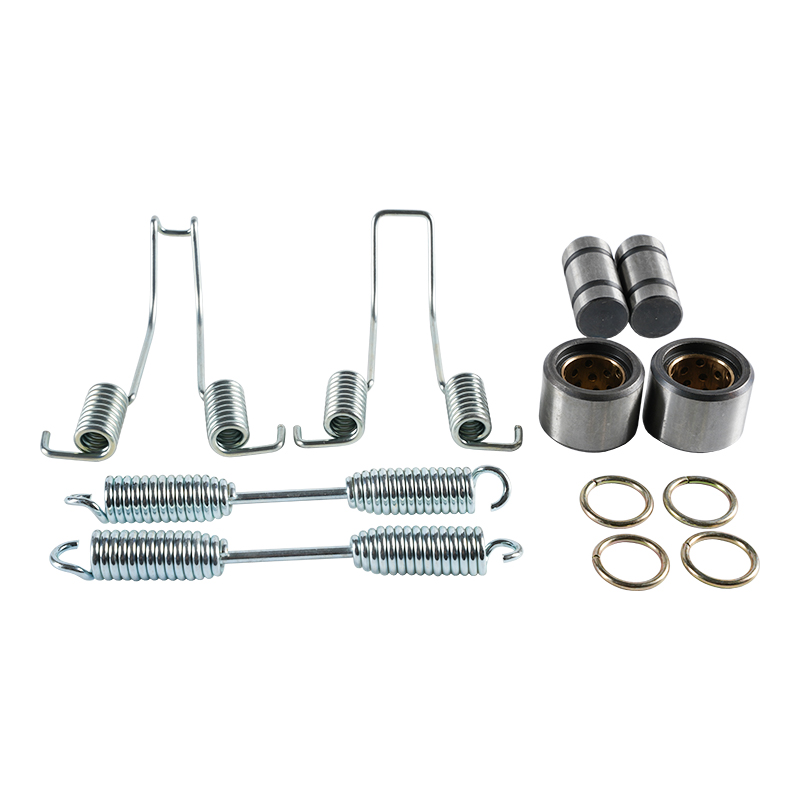
The assembly is far more than just the friction material; it is a complex collection of springs, levers, and adjusters. These components work in harmony to ensure that the shoes retract when the pedal is released and stay properly positioned as the friction material wears down over time. Precision in the manufacturing of the steel backing plate is critical, as any warping or misalignment can lead to uneven braking force, vibrations, or "chatter" during operation.
Key Components within the Drum Brake System
The Wheel Cylinder
The wheel cylinder acts as the actuator for the entire assembly. Located at the top of the backing plate, it contains two pistons that move outward when hydraulic fluid is pushed into the cylinder. This movement provides the mechanical force required to press the brake shoes against the drum.
Return and Hold-Down Springs
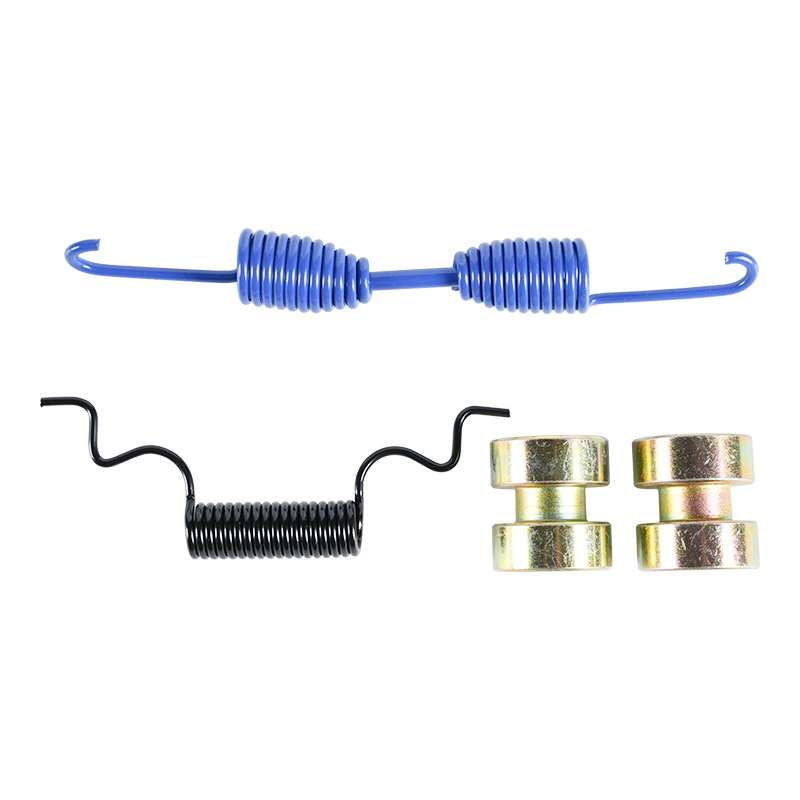
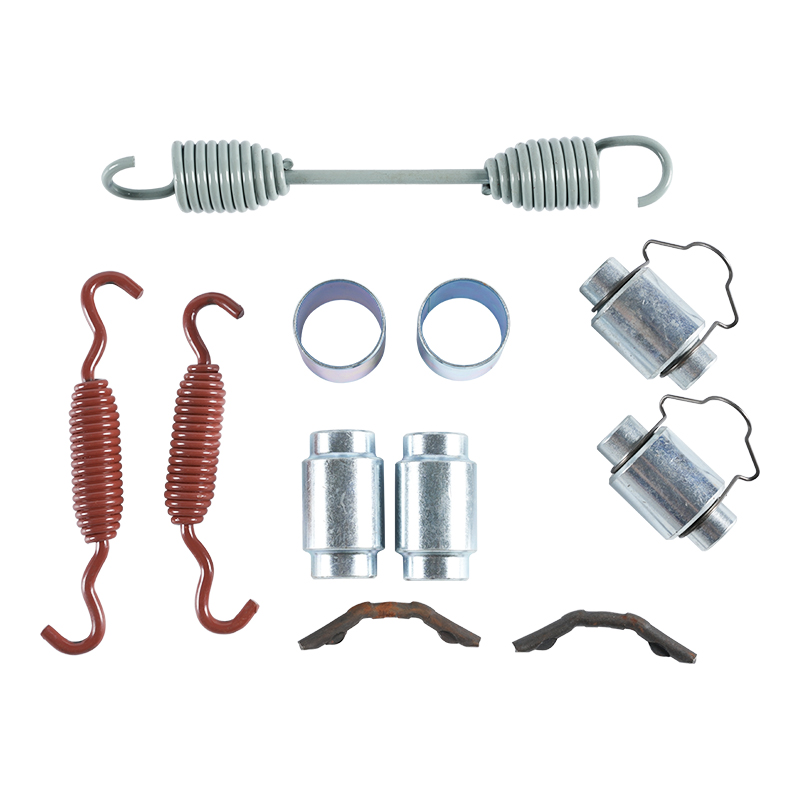
Springs are vital for the functional cycle of the brakes. Return springs pull the shoes away from the drum once hydraulic pressure is released, preventing "brake drag" which can cause overheating. Hold-down springs keep the shoes aligned against the backing plate while allowing them to slide outward during braking.
The Self-Adjuster Mechanism
As the friction lining wears thin, the gap between the shoe and the drum increases. The self-adjuster mechanism, often a star-wheel nut and lever, automatically expands the resting position of the shoes to maintain a consistent pedal feel and immediate braking response.
Friction Material Varieties and Performance
The effectiveness of a brake shoe assembly depends heavily on the composition of the lining material. Manufacturers choose materials based on the vehicle’s weight, typical load, and heat dissipation requirements. Selecting the right material is a balance between longevity, noise reduction, and stopping power.
| Material Type | Key Characteristics | Common Application |
| Organic (NAO) | Quiet operation, soft on drums | Lightweight passenger cars |
| Semi-Metallic | High heat resistance, durable | Trucks and towing vehicles |
| Ceramic | Low dust, consistent performance | Premium sedans and SUVs |
Critical Maintenance and Safety Indicators
Because brake shoe assemblies are enclosed within a drum, they are harder to inspect visually than disc brakes. Regular maintenance involves removing the drum to check for lining thickness and hardware integrity. Neglecting these components can lead to total brake failure or expensive damage to the drum surface.
- Audible Squealing: This often indicates that the friction material has worn down to the metal backing or a wear indicator.
- Soft Brake Pedal: Often caused by a leaking wheel cylinder or a failing self-adjuster mechanism within the assembly.
- Pulsation or Vibration: Typically a sign of an out-of-round drum or uneven shoe contact patches.
- Parking Brake Inefficiency: Since the brake shoe assembly often doubles as the emergency brake, a loose parking brake usually stems from shoe wear.
Best Practices for Brake Shoe Replacement
When replacing a brake shoe assembly, it is highly recommended to replace the hardware (springs and pins) at the same time. Over thousands of heat cycles, springs lose their tension, which can prevent the shoes from retracting properly. Furthermore, always replace shoes in pairs across the same axle to ensure balanced braking performance and prevent the vehicle from pulling to one side during a stop.
Proper lubrication is the final critical step. High-temperature brake grease should be applied to the contact points on the backing plate where the shoes slide. This reduces friction and noise, ensuring a smooth movement of the assembly throughout its lifespan. Finally, ensuring the self-adjuster is clean and moving freely will prevent the need for manual adjustments between service intervals.

 Home
Home +86-158-6900-2386 / +86-0571-61075636
 zjlrqp@163.com
 No. 518, Nanhu Road, Tianzihu Town, Anji County, Zhejiang Province, China
Copyright © Zhejiang Langrun Auto Parts Co., Ltd. All rights reserved. Heavy-Duty Brake Shoe Manufacturer in China

