


 Eng
Eng 
 中文简体
中文简体

The Unsung Hero of Stopping: Understanding the Brake Shoe
 2025.12.17
 Industry News
Content
The Mechanics of Stopping Power
When you press the brake pedal in many vehicles, particularly those equipped with drum brakes, you activate a system that relies on a simple yet crucial component: the Brake Shoe.
While disc brakes have become the standard for the front wheels of most modern cars due to their superior heat dissipation and performance, drum brakes, and thus the brake shoe, are still commonly found on the rear wheels of many passenger cars, as well as in heavy-duty commercial vehicles and specialized industrial equipment. They offer a cost-effective and robust solution, especially for parking brakes.
How Drum Brakes Work
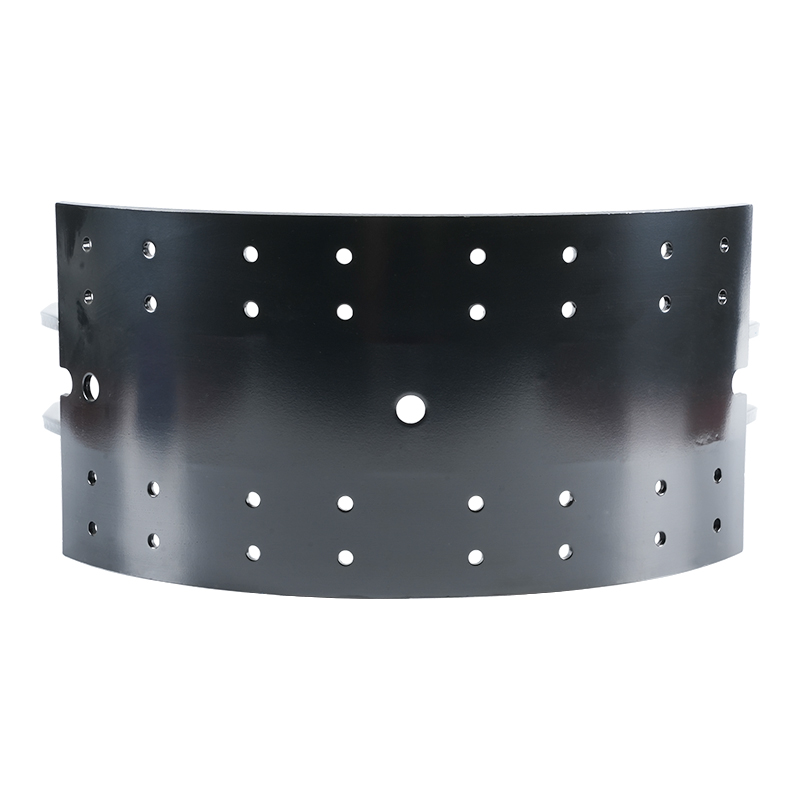
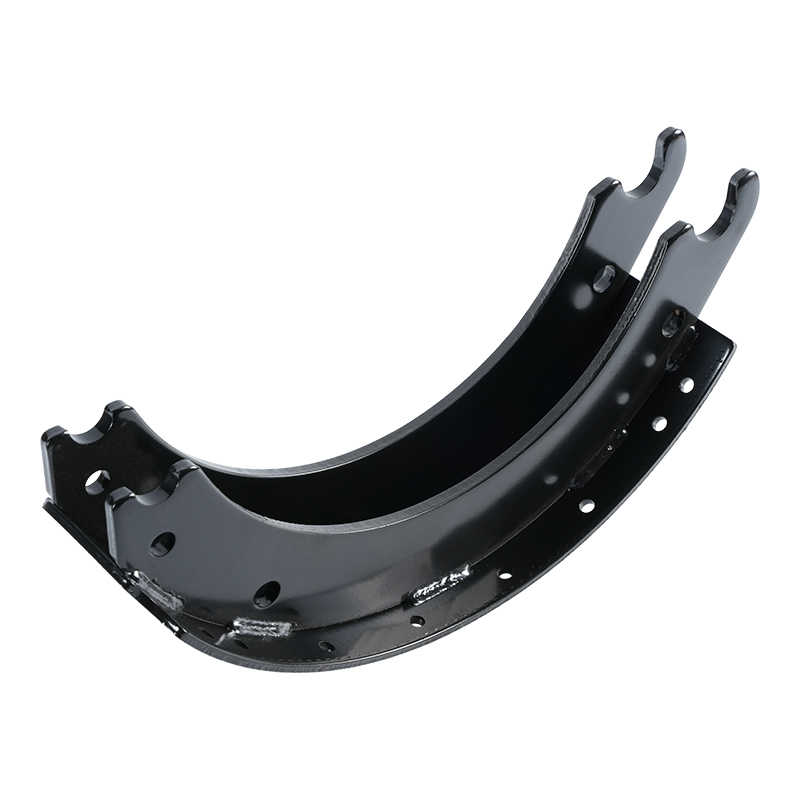
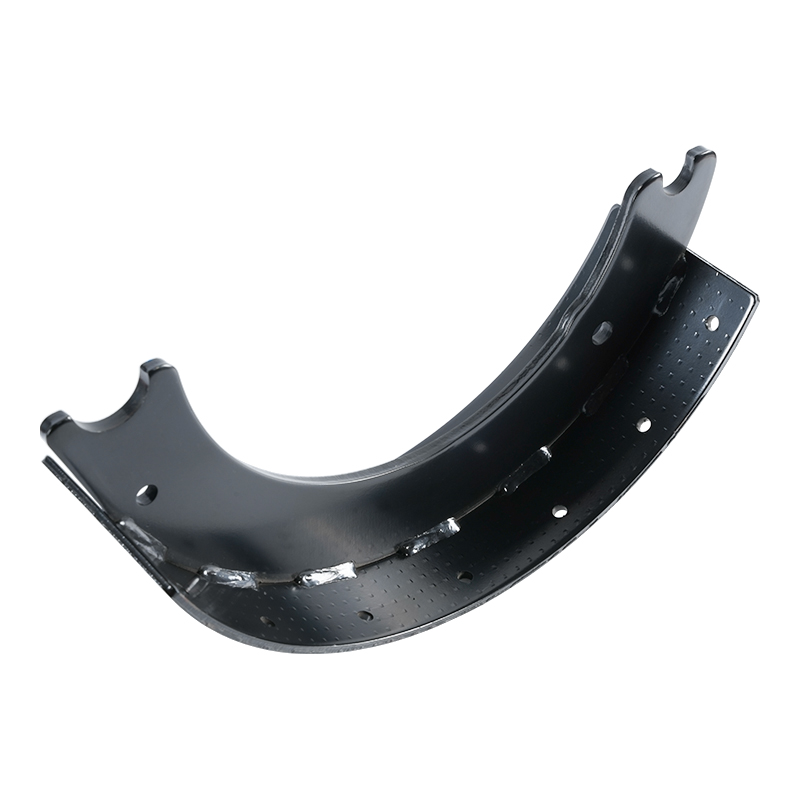
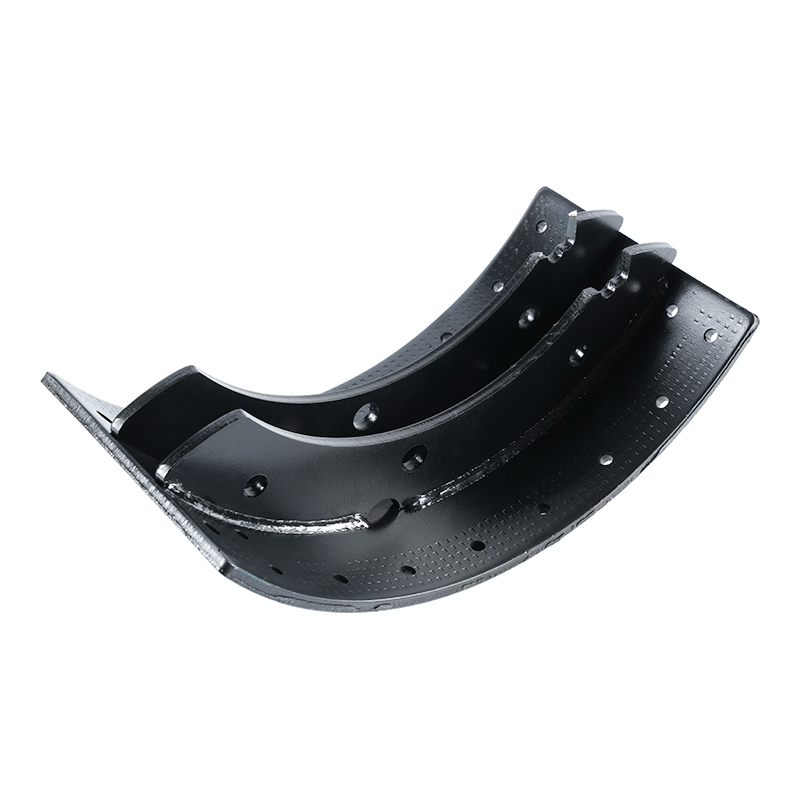
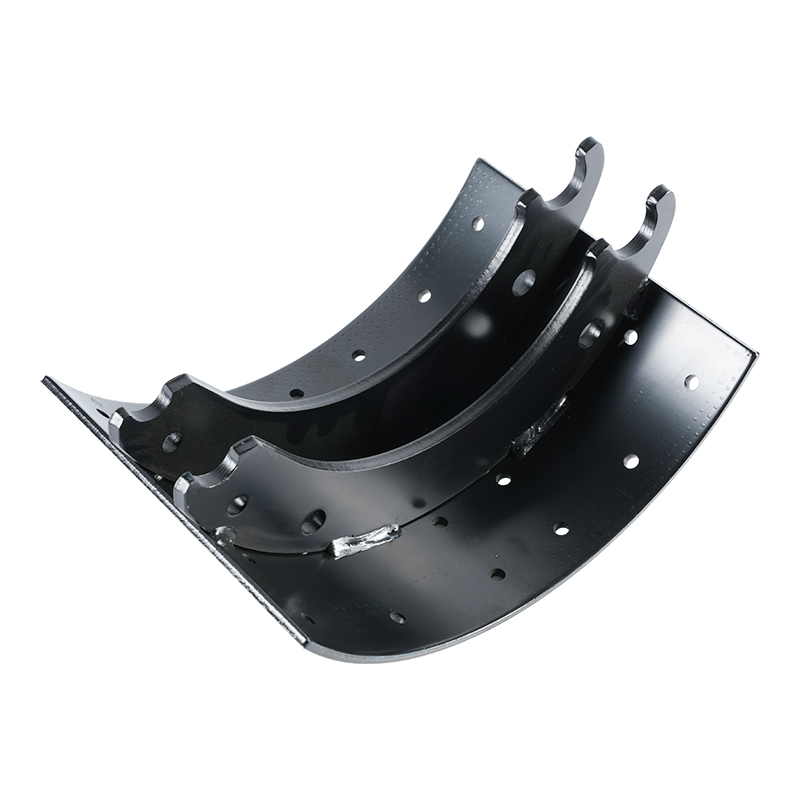
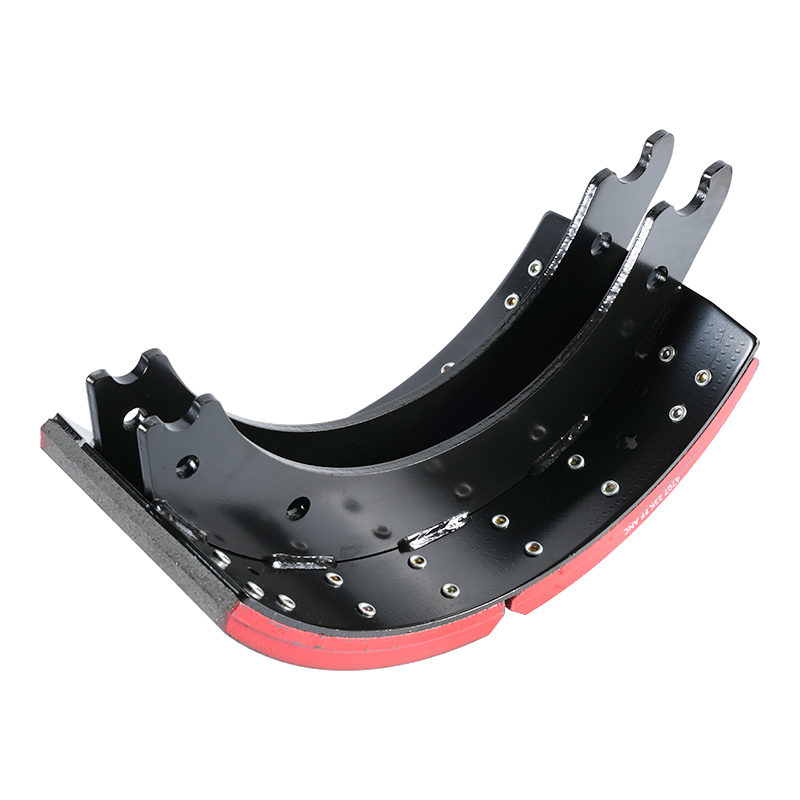
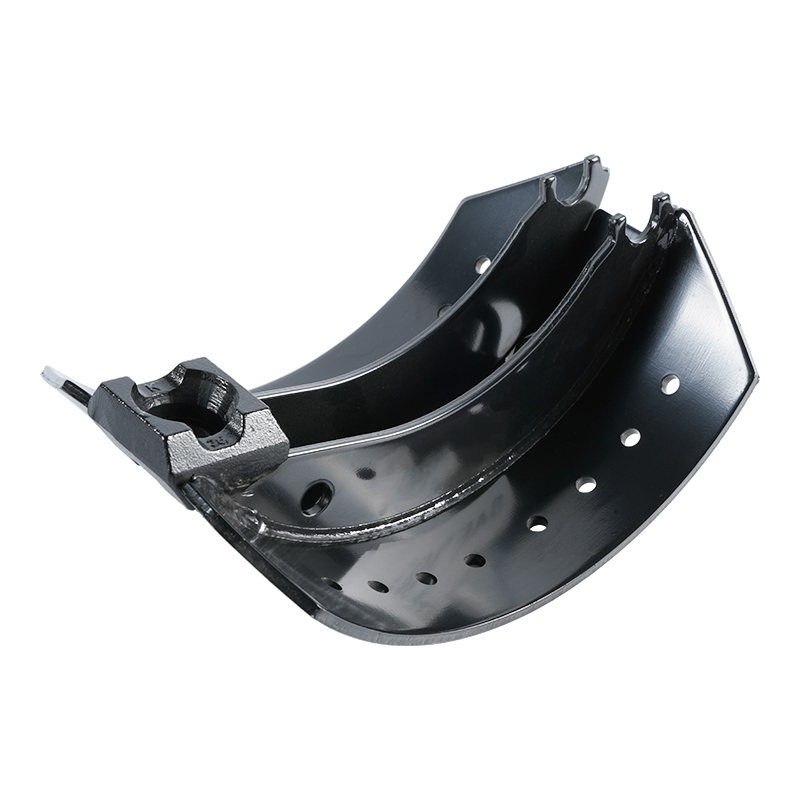
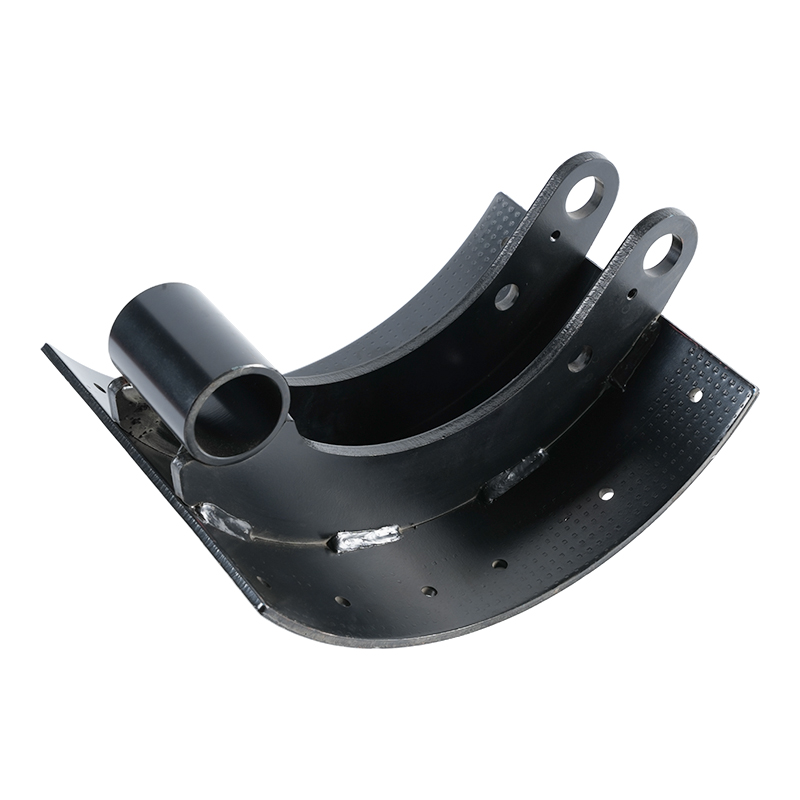
Imagine a hollow cylinder, or “drum,” that rotates with the wheel. Inside this drum sits the braking mechanism. The brake shoe is a curved piece of metal, often crescent-shaped, with a lining made of a high-friction material bonded or riveted to its outer surface.
When the driver applies the brake:
- A hydraulic cylinder (or a mechanical linkage for the parking brake) pushes the two brake shoes outward.
- The friction lining on the brake shoe makes forceful contact with the inner surface of the rotating brake drum.
- The resulting friction converts the kinetic energy of the moving wheel into thermal energy (heat), slowing and eventually stopping the vehicle.
The Design Evolution of the Brake Shoe
The basic principle of the brake shoe has been around for over a century, but the materials and configurations have undergone significant evolution to improve performance, safety, and lifespan.
Friction Materials: From Asbestos to Modern Composites
Historically, brake linings contained asbestos due to its excellent heat resistance and friction properties. However, due to severe health risks associated with asbestos dust, it has been largely phased out. Modern brake shoe linings fall into three main categories:
- Non-Asbestos Organic (NAO): These use materials like fibers (glass, rubber, carbon), fillers, and resins. They are quiet and are easy on the brake drum, but they may wear out faster and aren’t suited for high-heat, heavy-duty applications.
- Semi-Metallic: Containing 30–65% metal (copper, steel wool, iron, etc.), these offer better heat transfer and superior stopping power, making them popular for trucks and performance applications, but they can be noisier.
- Low-Metallic NAO: A compromise, these are primarily organic with small amounts of metal to aid friction and heat transfer.
The Self-Energizing Effect
One of the fascinating characteristics of the drum brake system, largely facilitated by the brake shoe design, is the “self-energizing” effect.
When the leading edge of a brake shoe makes contact with the spinning drum, the rotation of the drum actually helps pull the shoe tighter against the drum. This significantly multiplies the braking force with less input from the driver. It’s why drum brakes, despite their old-school design, can generate substantial stopping power, particularly when the vehicle is moving forward. This effect must be carefully managed by engineers to ensure balanced and controllable braking.
Maintenance and the Future of the Brake Shoe
Like any component that relies on friction, the brake shoe lining will eventually wear down. Regular inspection is crucial. If the lining wears too thin, the metal backing of the shoe can contact the drum, causing grinding noises, damaging the drum, and drastically reducing braking efficiency.
Though disc brakes are increasingly dominant, the brake shoe and the drum brake system continue to hold an important place in automotive technology:
- Parking Brakes: Many vehicles with rear disc brakes still incorporate a small drum-style mechanism inside the rear rotor hat, using small brake shoes solely for the parking or emergency brake function.
- Heavy Equipment: For their ability to provide powerful stopping force and excellent holding capacity (especially as a parking brake), drum brakes with robust brake shoes remain essential in heavy trucks and industrial machinery.
In conclusion, the Brake Shoe is more than just a piece of metal and friction material. It is a workhorse component that leverages fundamental principles of friction and mechanical advantage to perform one of the most vital tasks in transportation: ensuring that when you need to stop, you can.

 Home
Home +86-158-6900-2386 / +86-0571-61075636
 zjlrqp@163.com
 No. 518, Nanhu Road, Tianzihu Town, Anji County, Zhejiang Province, China
Copyright © Zhejiang Langrun Auto Parts Co., Ltd. All rights reserved. Heavy-Duty Brake Shoe Manufacturer in China

