


 Eng

 中文简体

 Home / News / Industry News / Trailer Brake Shoe Guide: Fitment, Wear Checks and Practical Sourcing for Fleets
Trailer Brake Shoe Guide: Fitment, Wear Checks and Practical Sourcing for Fleets
 2026.11.18
 Industry News
Trailer brake shoes are small compared with the loads they help control, but they sit at the center of every safe stop. On a loaded semi-trailer, a set of drum brakes has to turn road speed into heat again and again, often with little warning before a shoe is worn. We have spent years building brake shoes for heavy trucks, trailers and semi-trailers, and the same lessons come up whether a fleet manager is planning maintenance or a distributor is checking a catalog.
This guide walks through how trailer brake shoes work, how to match them to the axle, what wear looks like, and how to source replacements without creating a new problem. It is written for heavy-duty trailer applications; light utility trailers use similar principles, but their actuation and dimensions differ.
Content
What a Trailer Brake Shoe Actually Does
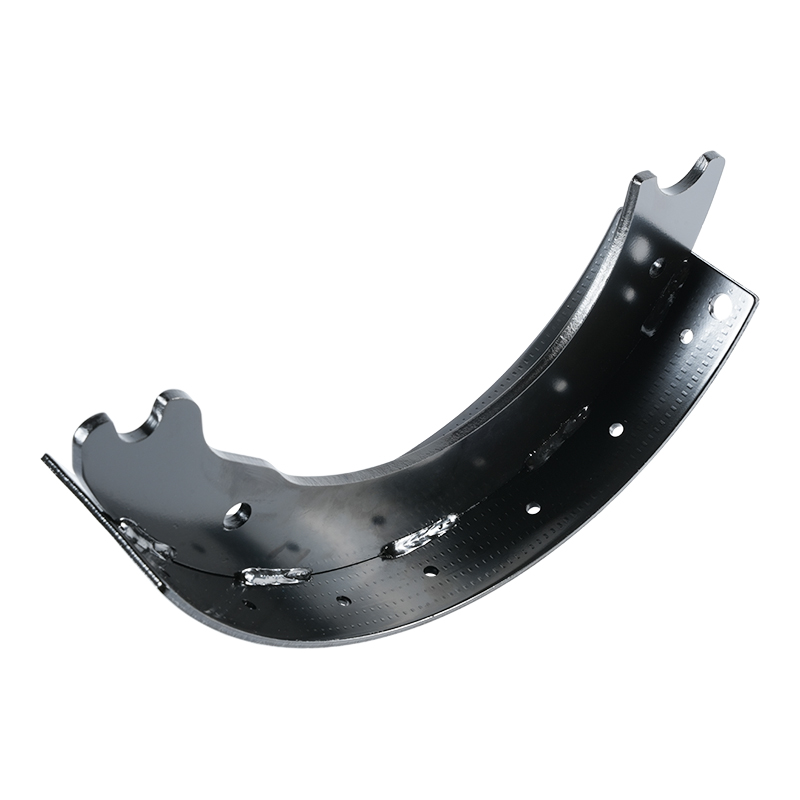
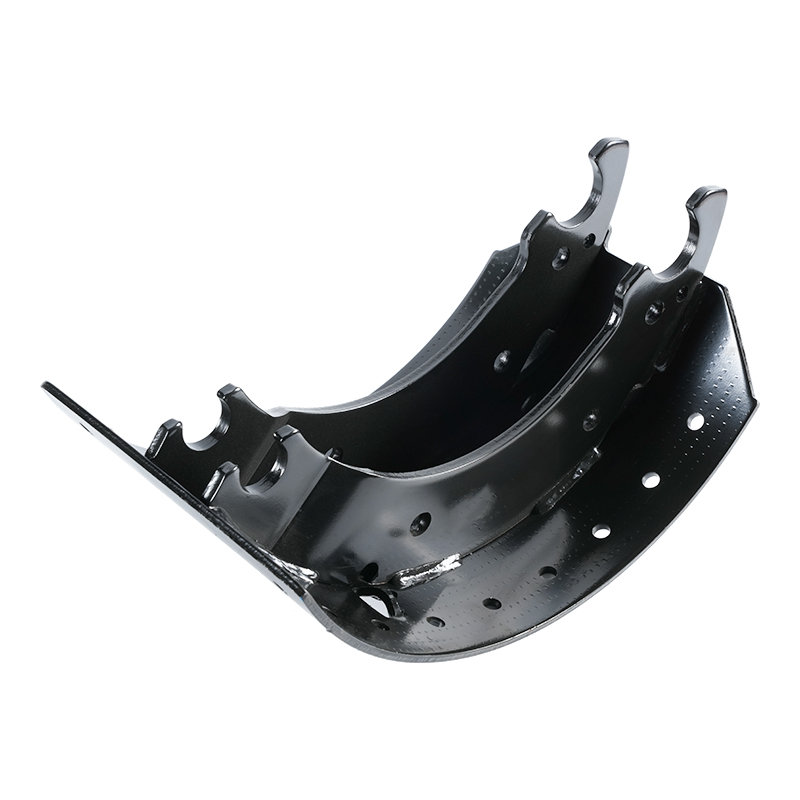
At its simplest, a trailer brake shoe is a curved steel platform carrying a friction lining. When the brake is applied, the shoe is pushed outward until the lining rubs against the inside of a rotating brake drum. Friction slows the drum, the wheel and the trailer. When the brake is released, return springs pull the shoe back so the wheel can turn freely.
Most heavy commercial trailers use air-actuated drum brakes. The air chamber moves a pushrod, which operates a slack adjuster and a cam or wedge mechanism; that mechanism spreads the shoes. Light utility trailers may use electric or hydraulic actuation, but the shoe’s basic job remains the same.
Two details matter more than many buyers expect. First, the shoe is only one part of a system: drum, lining, springs, rollers, bushings, cam, slack adjuster and mounting hardware all affect how the lining contacts the drum. Second, the lining is not just “friction material.” Its formulation influences heat fade, wear rate, noise and drum life. A shoe that fits but uses the wrong lining can stop acceptably on the first trip and cause trouble later.
Fitment Starts With the Axle, Not the Part Number
Trailer brake shoes are not interchangeable by diameter alone. Two shoes can share a drum diameter but differ in width, lining thickness, web shape, rivet or bonding pattern, roller placement and hardware. The safest way to identify a replacement is to start with the axle and brake assembly, then confirm dimensions against the old shoe and the drum.
Before ordering, record the drum diameter and condition, shoe width and lining thickness, axle rating, brake actuation type and any original part or assembly reference. A used trailer may have been reworked, so never assume that the model year alone identifies the brake.
| Check | Why it matters | Practical detail |
|---|---|---|
| Drum size and condition | Shoe arc and lining contact depend on drum diameter and roundness. | Measure the drum and check for scoring, cracks and heat checks. |
| Shoe width and lining thickness | Too narrow or too wide changes contact pressure and heat. | Compare old and new shoes side by side; do not rely on the model name alone. |
| Hardware layout | Rollers, springs, pins and cam shape vary by brake model. | Fit new hardware with the shoe when the old parts are worn. |
| Axle duty | A line-haul trailer and a construction trailer do not work the same way. | Match the lining grade to heat and stopping cycles. |
| Market profile | American and European trailer brakes use different dimensions and mounting conventions. | Confirm the axle family before crossing a part number. |
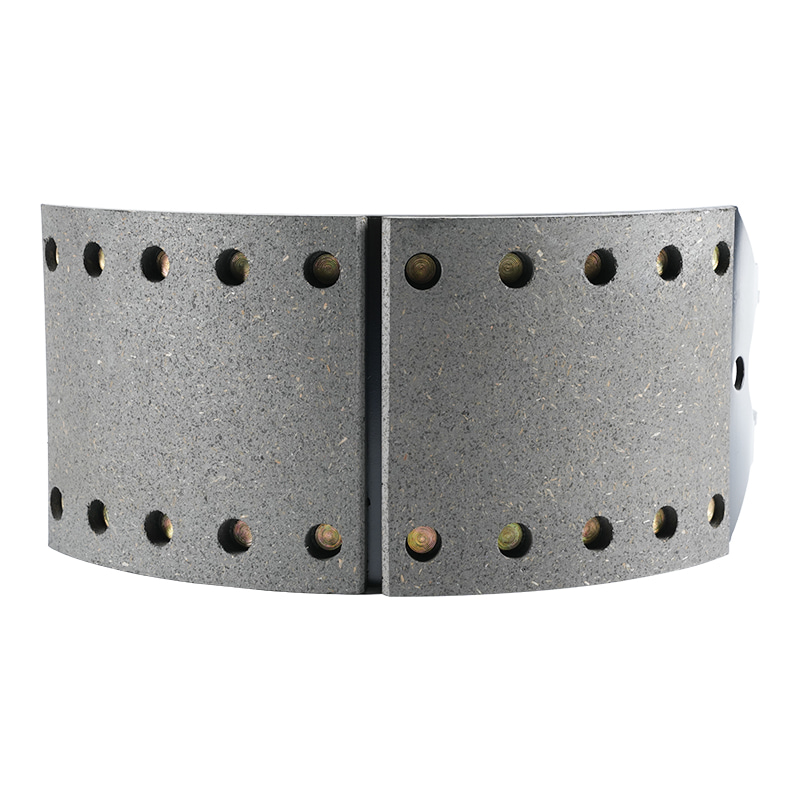
For American-style trailer axles, the 156 brake shoe is one of the trailer-focused profiles we produce. Its catalog page is a useful place to confirm dimensions before cross-checking against the old shoe.
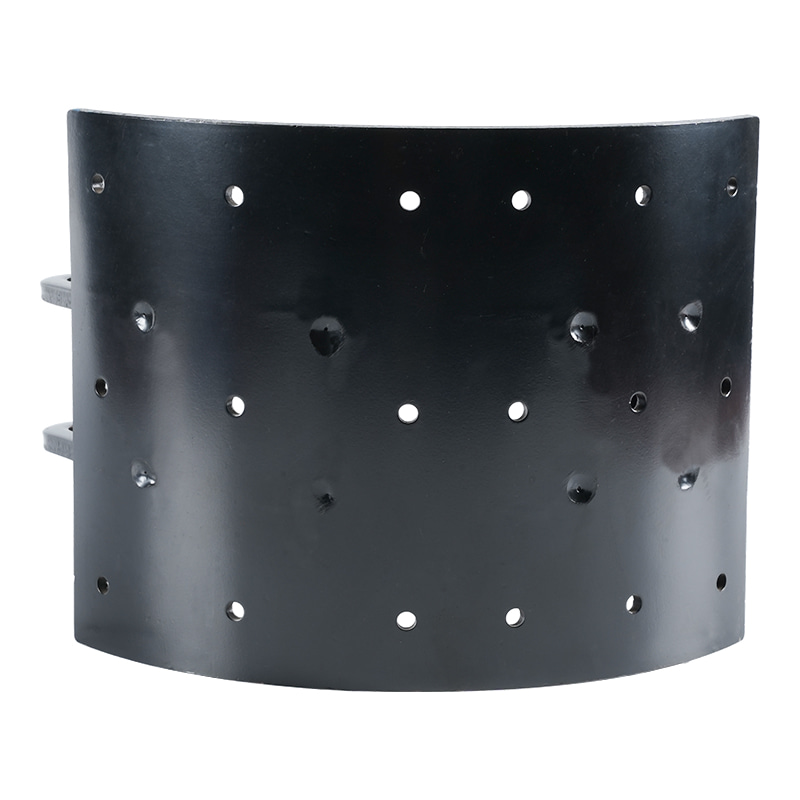 OEM 156 American Trailer Brake ShoeA trailer-focused brake shoe profile for American-style axles; confirm dimensions against the old shoe before ordering replacements.View Product →
Wear Checks That Save Downtime
Wear does not always announce itself with a soft pedal or a warning light. Trailer brakes often work in a harsh cycle: long stretches at highway speed followed by hard applications, tight yard maneuvers and irregular maintenance intervals. In our experience, these are the signs that deserve a close look:
- Squeal, grind or metal-to-metal sound during braking.
- Longer stopping distance or the trailer pushing the tractor.
- Dragging, a hot drum or smoke after a short run.
- Uneven lining wear side-to-side or shoe-to-shoe.
- Cracks, glazing, oil or grease contamination.
- Lining close to rivet heads, or bonded lining lifting at the edges.
- Loose or broken springs, rollers or retainers.
Any one sign is a reason to inspect the whole brake assembly, not just the shoe. A worn drum can make a new shoe wear quickly; a sticking cam or slack adjuster can hold a shoe against the drum; a leaking wheel seal can ruin a lining before the friction material is half worn. Replacing shoes without correcting those conditions is an expensive way to repeat the job.
On fleet trailers, check brake condition at every preventive maintenance inspection and before long hauls, not only when a driver reports a problem. If lining thickness is approaching the manufacturer’s limit, or if the lining is contaminated or cracked, replace it. Do not try to get one more trip from a shoe that is already at the limit.
Installation, Adjustment and Break-In
Fitting a trailer brake shoe is straightforward when the drum and hardware are in good condition, and frustrating when they are not. Start with a clean, inspected brake: measure the drum, check the cam and bushings for play, replace tired springs and rollers, and confirm that wheel seals are not leaking.
- Confirm the new shoe matches the old one and the drum.
- Clean and inspect the drum, cam, bushings, springs and adjuster.
- Fit the shoe and hardware without forcing springs or mixing unmatched parts.
- Adjust the brake to the manufacturer’s procedure, not by feel alone.
- Burnish and road-test, then recheck adjustment and temperature.
Break-in matters. A new lining needs to seat to the drum. Start with lighter stops where conditions allow, avoid overheating, and check adjustment after the first part of the service cycle. If the trailer pulls, drags or runs hot, stop and investigate; do not assume the lining just needs time.
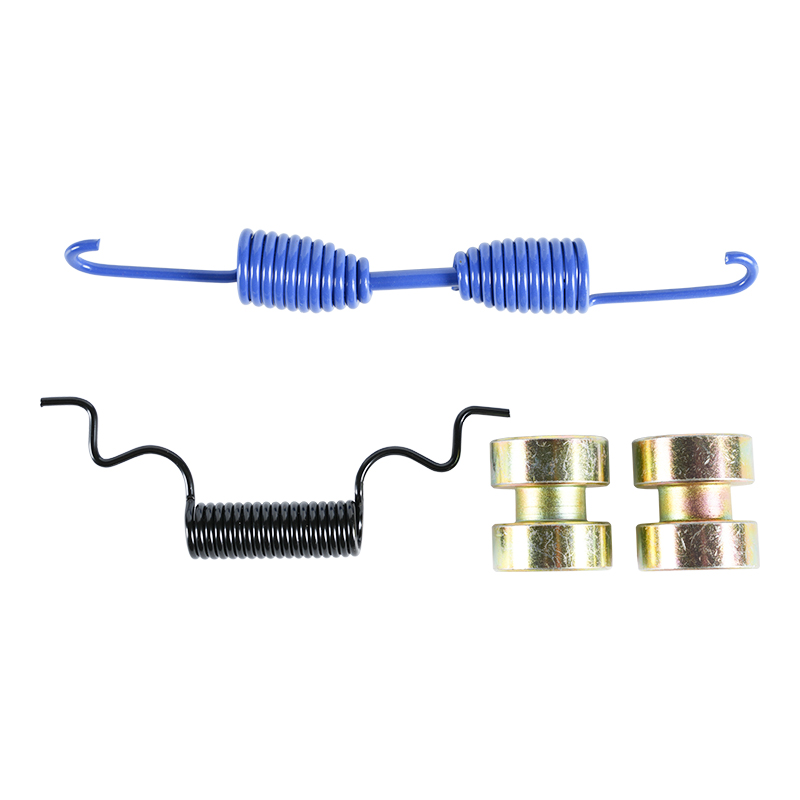
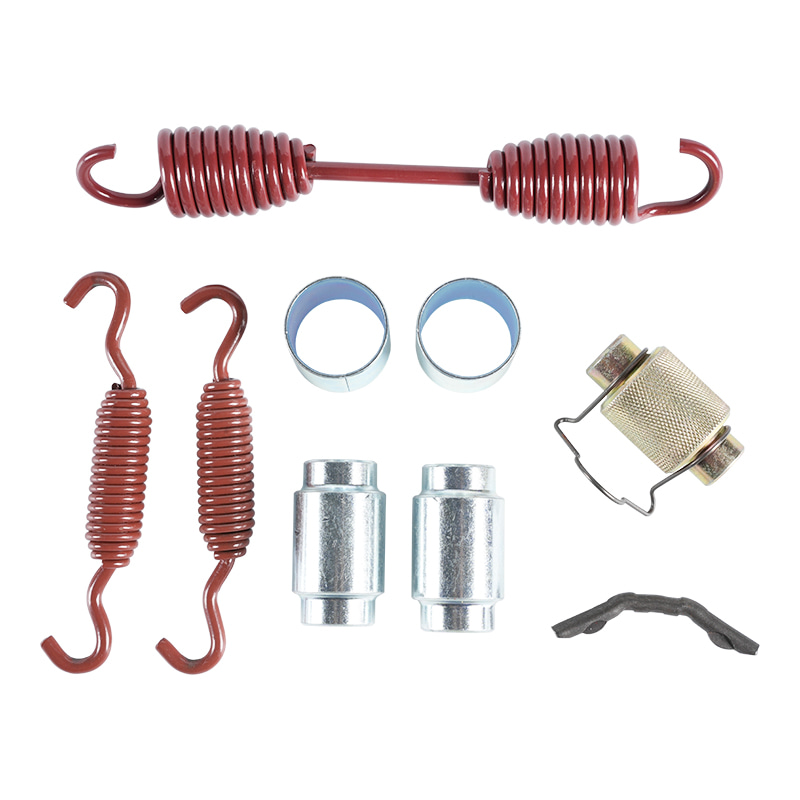
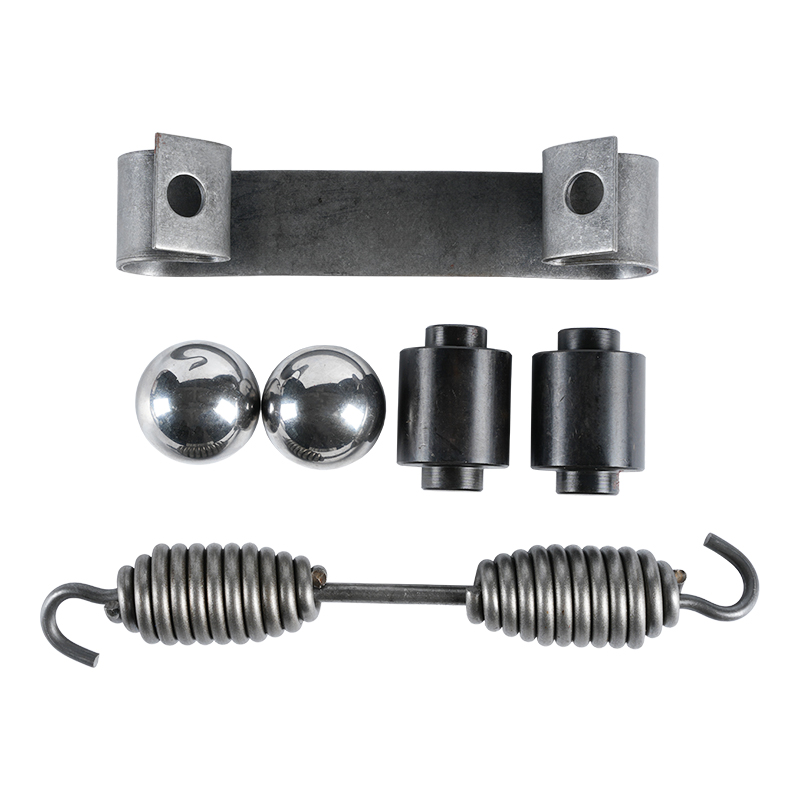
Use a repair kit when the hardware is tired. Reusing stretched springs or worn rollers can cause poor shoe retraction, drag and heat. We offer repair kits for several trailer and truck shoe profiles, including American and European styles, so the small parts can be renewed with the shoes rather than after a failure.
 OEM 4702 American Brake Shoe Repair KitAn American-style brake shoe repair kit for heavy truck and trailer maintenance, helping renew hardware alongside shoes during routine service.View Product →
American and European Shoe Profiles
Trailer brake shoes generally fall into two broad families: American-style and European-style profiles. The names describe market conventions and common axle or brake designs, not the country where the trailer happens to operate. A trailer assembled in one region may use axles from another, and a used trailer may have been reworked. That is why the axle and brake assembly should be identified first.
American-style trailer brakes often use cam-actuated air brakes with a familiar set of dimensions and hardware. European-style semi-trailer and truck brakes also use drum brakes, but shoe width, lining thickness, roller and cam details, and mounting arrangements can differ. A part that fits a European-style axle will not necessarily fit an American-style axle of similar drum diameter, even if both are called trailer brake shoes.
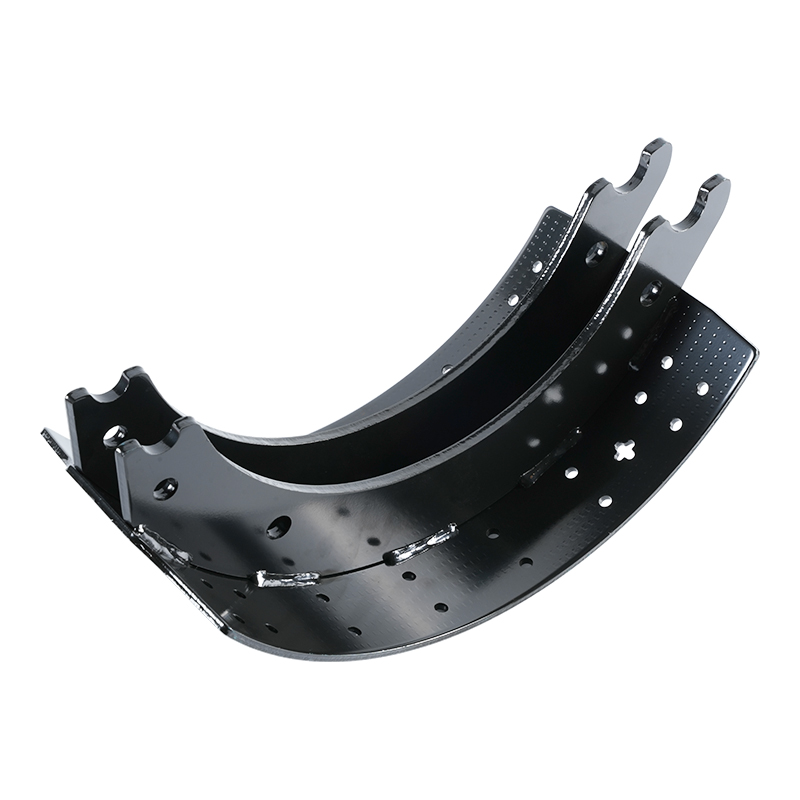
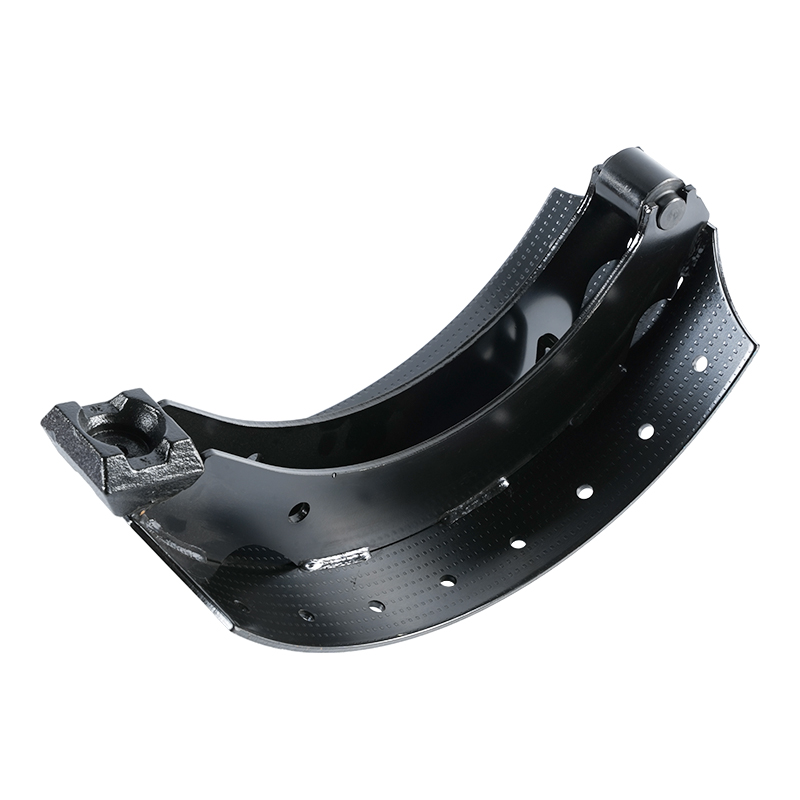
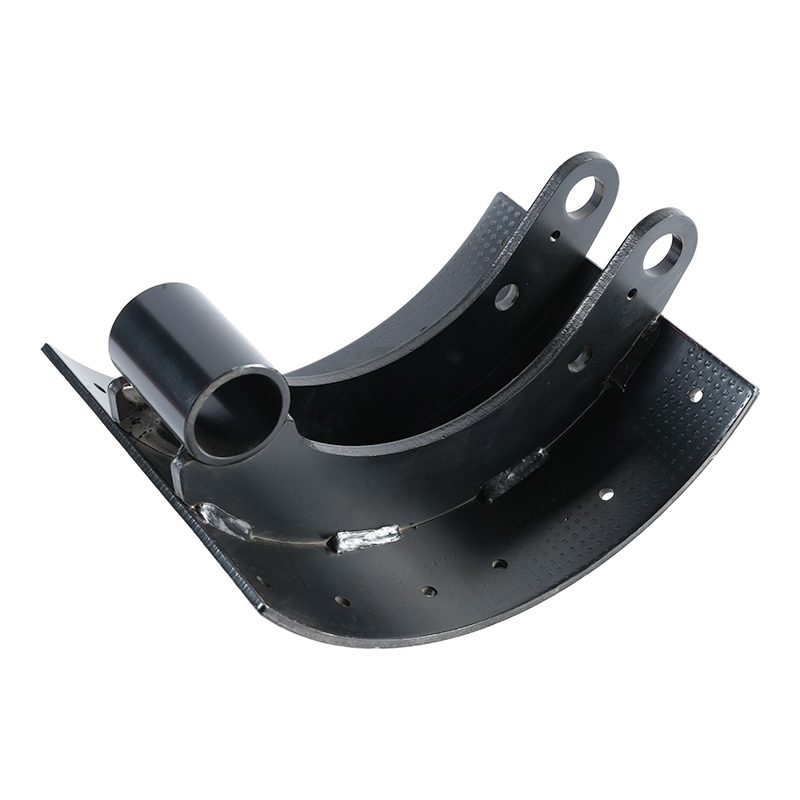
We manufacture both families and keep the distinction visible in the catalog. For European-style semi-trailer and truck applications, our European-pattern brake shoe is one reference point; confirm the axle and drum dimensions before ordering.
 OEM BPW European Brake Shoe for Trailers and TrucksEuropean-pattern brake shoe for semi-trailer and truck applications; verify axle and drum dimensions before ordering replacement.View Product →
Sourcing Trailer Brake Shoes With Fewer Surprises
Good sourcing is less about finding the lowest price per shoe and more about repeatability. A brake shoe is a safety part; a batch that is a few millimeters off, or a lining that runs hotter than expected, can cost far more in rework, downtime and returns than the purchase price saved.
Questions worth asking a supplier:
- Can you confirm dimensions against the drum and old shoe, not just the model name?
- What lining formulation is used, and how does it behave under heat?
- Are the shoes stamped or cast, welded, and checked for concentricity?
- What quality records accompany the batch?
- Can you supply shoes, assemblies and repair kits for the same axle families?
- How are orders packed to protect the lining and shoe geometry in transit?
On our side, we focus on stamped and welded brake shoes for heavy trucks, trailers and semi-trailers, with asbestos-free linings and assembly options. We work with heavy vehicle manufacturers and axle partners, and we know that a catalog page is only the start; the real work is matching the part to the application and keeping the batch consistent.
If you are reviewing a trailer brake shoe program or need help with a fitment, browse our brake shoe range or contact us with the axle and drum details.
A Practical Standard to Work Toward
Trailer brake shoes do not need to be mysterious. Match the shoe to the axle and drum, inspect the whole brake, replace worn hardware, adjust correctly and source from a supplier who can explain what is in the box. Those habits keep trailers stopping safely and keep maintenance budgets from being spent on the same repair twice.
Whether you run a small fleet or manage a parts program, the best brake shoe is the one that fits correctly, wears predictably and is supported by clear information. That is the standard we try to build to at Langrun, and it is the standard we would encourage every trailer operator to ask for.

 Home
 +86-158-6900-2386 / +86-0571-61075636
 zjlrqp@163.com
 No. 518, Nanhu Road, Tianzihu Town, Anji County, Zhejiang Province, China

Copyright © Zhejiang Langrun Auto Parts Co., Ltd. All rights reserved. Heavy-Duty Brake Shoe Manufacturer in China

