


 Eng
Eng 
 中文简体
中文简体
 Home / News / Industry News / 4707 American Brake Shoe Assembly Explained: What It Is, When to Replace It, and How to Install It
 4707 American Brake Shoe Assembly Explained: What It Is, When to Replace It, and How to Install It
 2026.08.25
 Industry News
Content
- 1 What Exactly Is a 4707 American Brake Shoe Assembly?
- 2 Where Is the 4707 Brake Shoe Assembly Commonly Used?
- 3 Signs You Need to Replace Your Brake Shoe Assembly
- 4 Key Specifications to Check Before Buying
- 5 How to Install a 4707 Brake Shoe Assembly Yourself
- 6 Tips for Choosing a Quality Replacement Assembly
- 7 Maintaining Your Brake Shoes for Longer Life
What Exactly Is a 4707 American Brake Shoe Assembly?
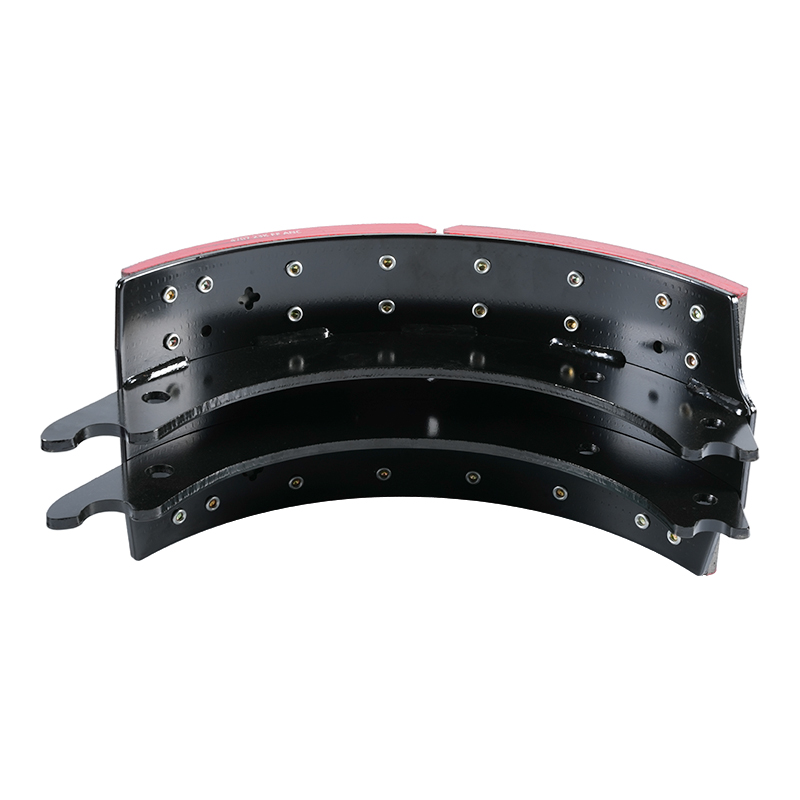
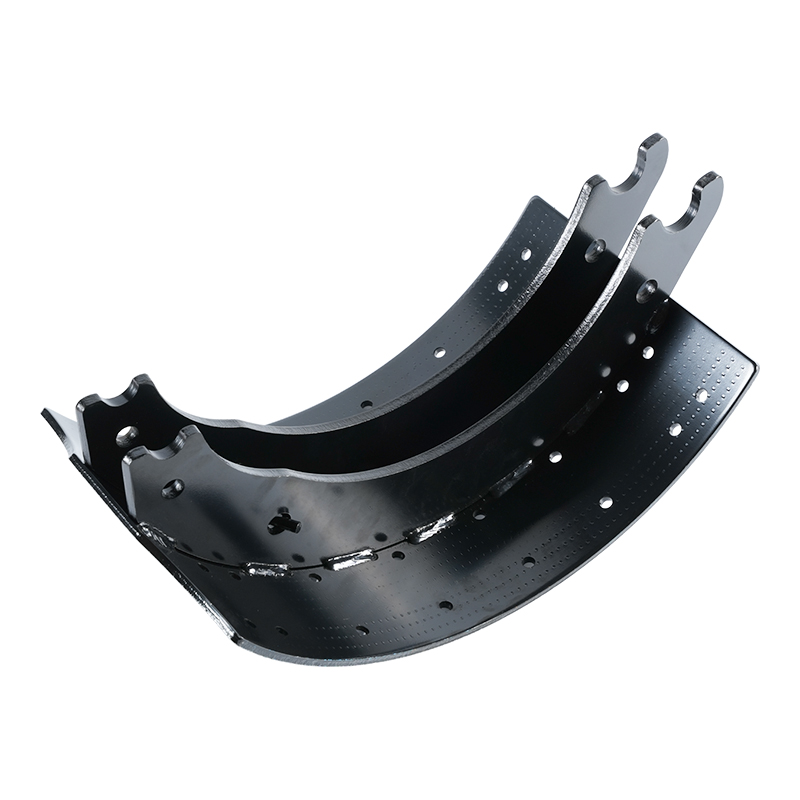
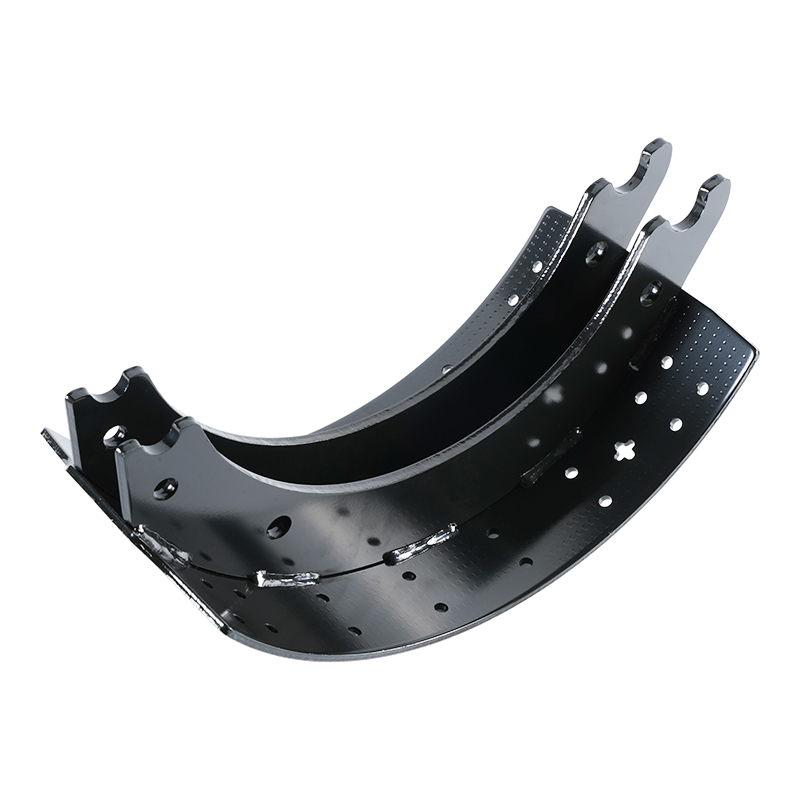
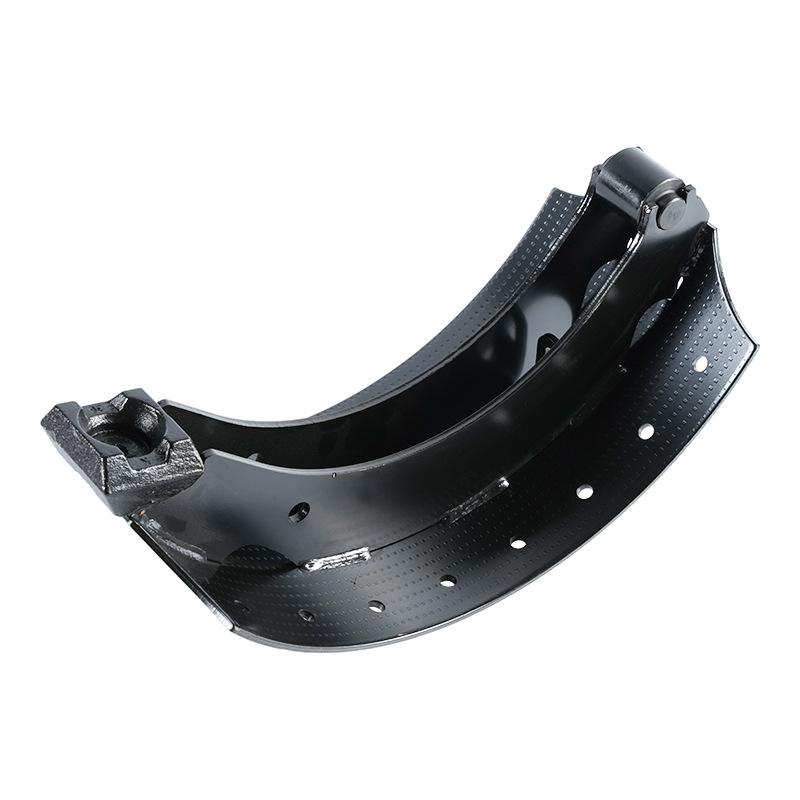
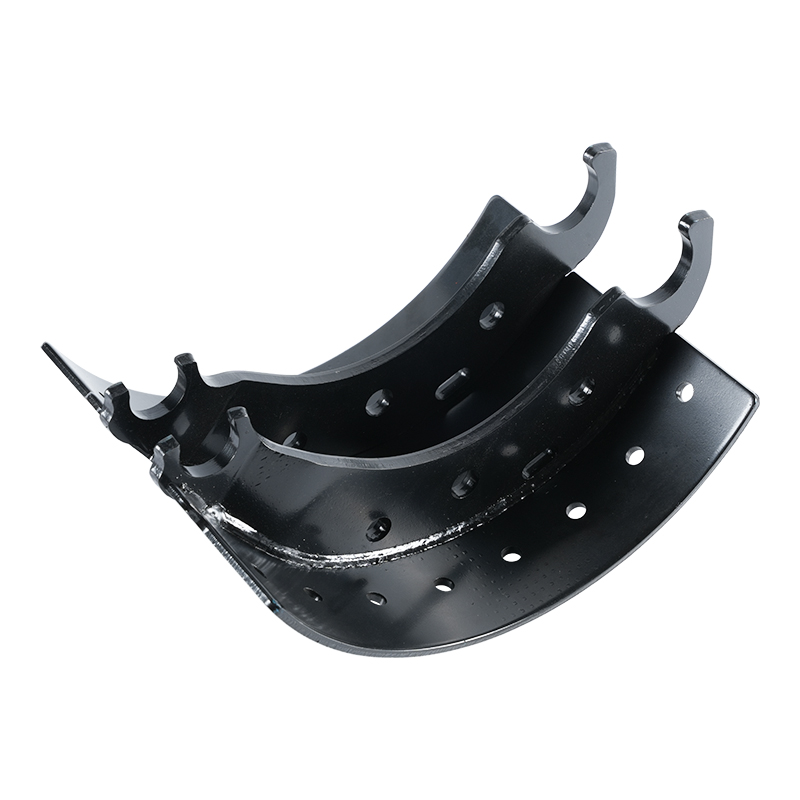
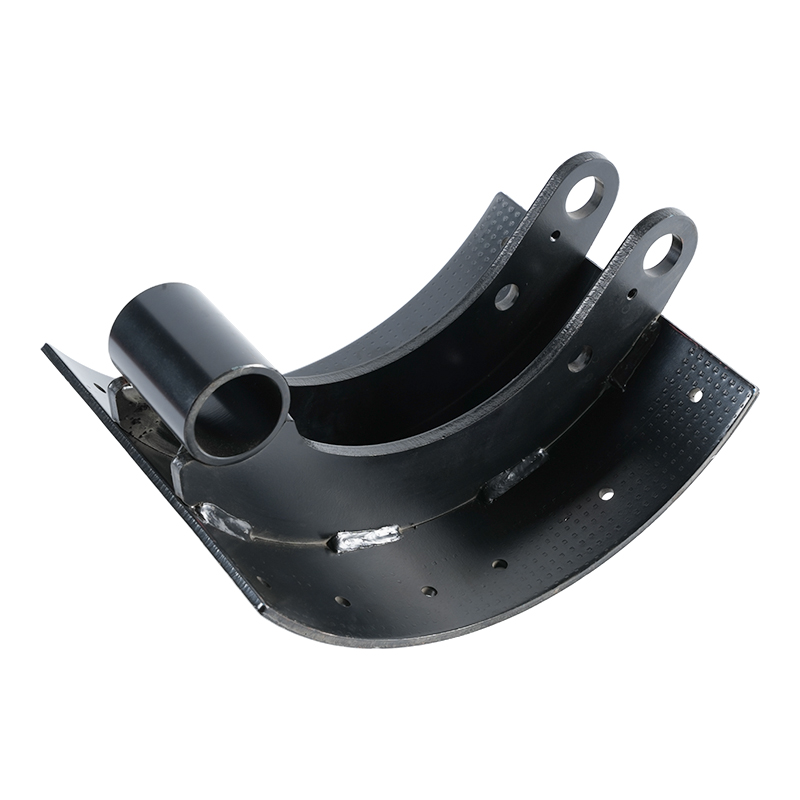
If you've been shopping for replacement brake parts for a trailer, RV, or heavy-duty axle, you've probably run into the part number "4707" more than once. The 4707 American Brake Shoe Assembly is a widely used FMSI-coded brake shoe set designed to fit a large range of trailer axles, especially those built with 12-1/4 inch by 3-3/8 inch or similar drum brake setups. It's not a single company's proprietary part — instead, "4707" refers to the shoe shape, lining size, and mounting pattern that many manufacturers build to, which is why it fits so many trailer brands.
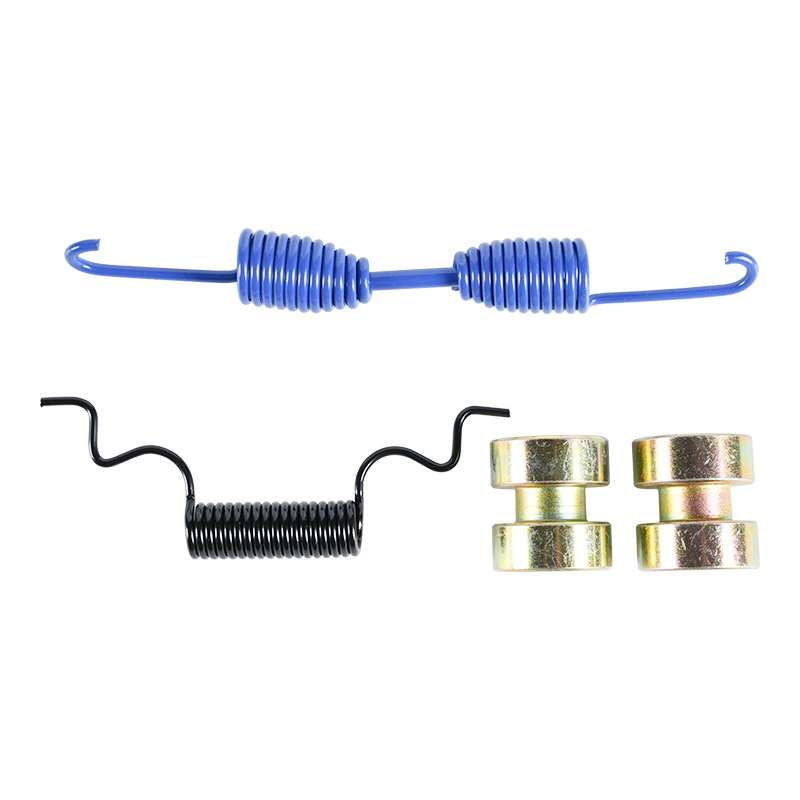
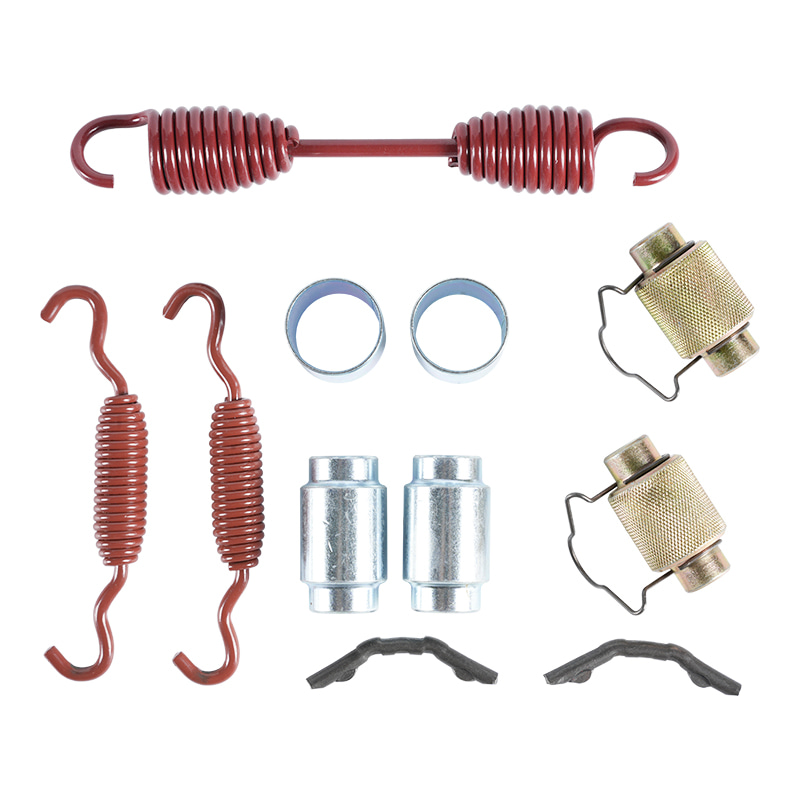
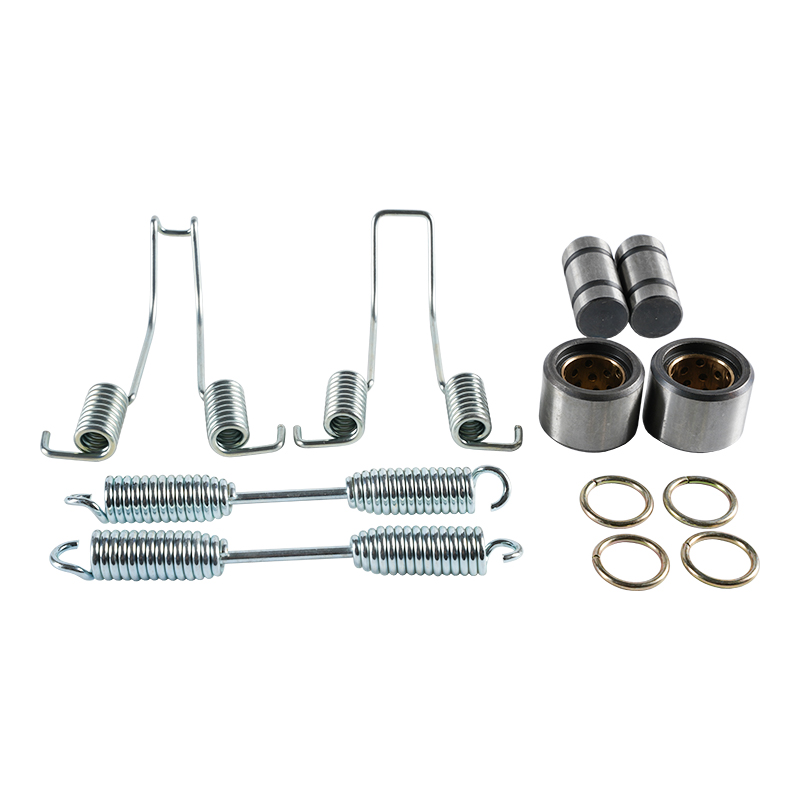
The assembly typically includes two curved brake shoes with the friction lining already riveted or bonded on, along with springs, and sometimes hardware like actuator levers depending on the kit you buy. Because it's a direct-fit replacement part, most people don't need to modify anything on their axle to install it.
Where Is the 4707 Brake Shoe Assembly Commonly Used?
This particular brake shoe assembly shows up most often on heavy-duty trailer axles, including boat trailers, livestock trailers, cargo trailers, and utility trailers rated for higher loads. It's also common on older RV chassis and some agricultural equipment that uses drum brakes rather than disc brakes.
- Tandem and triple axle trailers with electric or hydraulic drum brakes
- Heavy equipment trailers used for hauling machinery
- Livestock and horse trailers with 12-1/4" drums
- Some older motorhomes and towable RVs
Because trailer axles from different manufacturers often share the same drum size and shoe mounting pattern, the 4707 assembly has become something of an industry standard replacement, which makes sourcing parts much easier than trying to match a brand-specific part number.
Signs You Need to Replace Your Brake Shoe Assembly
Brake shoes wear down gradually, so it's easy to miss the early warning signs until the problem gets serious. Here are the most common symptoms that point to a worn-out or damaged 4707 American Brake Shoe Assembly.
Reduced Stopping Power
If your trailer takes noticeably longer to stop, or you feel like the tow vehicle's brakes are doing all the work, the lining on the shoes may be worn down past a safe thickness.
Grinding or Squealing Noises
A grinding sound usually means the friction material has worn all the way down to the metal shoe, which can also damage the brake drum if left unaddressed.
Uneven Brake Engagement
If one wheel locks up before another, or the trailer pulls to one side under braking, mismatched wear on the shoe assemblies is often the cause.
Visible Cracking or Glazing
Over time, heat can cause the lining surface to glaze over or crack, both of which reduce friction and braking performance significantly.
Key Specifications to Check Before Buying
Not every trailer with drum brakes uses the exact same shoe assembly, so it's worth double-checking a few measurements before you order. Below is a quick reference table covering the typical specs associated with the 4707 assembly.
| Specification | Typical Value |
| Drum Diameter | 12-1/4 inches |
| Lining Width | 3-3/8 inches |
| Brake Type | Electric or Hydraulic Drum |
| Shoe Material | Riveted or Bonded Friction Lining |
| Common Axle Load Rating | 5,200 lbs to 8,000 lbs per axle |
Always measure your existing shoes and drum before ordering, since even a small mismatch in width or diameter can cause poor contact and premature wear.
How to Install a 4707 Brake Shoe Assembly Yourself
Replacing brake shoes is a manageable weekend project for most trailer owners who are comfortable with basic tools. Here's a general walkthrough of the process.
- Chock the wheels and safely lift the trailer with jack stands
- Remove the wheel and drum to expose the brake assembly
- Take a photo of the spring and hardware layout before removing anything
- Detach the old springs, then remove the worn shoe assembly
- Install the new 4707 shoe assembly and reattach springs and hardware
- Adjust the brakes so the drum spins freely with slight shoe contact
- Reinstall the drum and wheel, then test brake function before towing
It's a good idea to replace both shoe assemblies on the same axle at the same time, even if only one side looks worn, so braking stays even on both wheels.
Tips for Choosing a Quality Replacement Assembly
Since the 4707 part number is made by multiple manufacturers, quality can vary quite a bit between brands. A few practical tips can help you avoid buying a low-quality set that wears out fast.
Check the Lining Material
Look for semi-metallic or non-asbestos organic linings rated for trailer use, since these hold up better under repeated heat cycles than cheaper composite materials.
Buy From a Trusted Trailer Parts Supplier
Sticking with suppliers who specialize in trailer axle components generally means better quality control and easier returns if the fit isn't right.
Match the Hardware Kit
Some kits include new springs and clips, while others only include the shoes themselves. Replacing hardware at the same time as the shoes usually gives a longer-lasting repair.
Maintaining Your Brake Shoes for Longer Life
Once you've installed a fresh 4707 American Brake Shoe Assembly, a bit of regular maintenance goes a long way toward extending its service life. Inspect the shoes every few months, especially if the trailer is used near saltwater or on muddy roads, since moisture and debris speed up wear and corrosion. Keep the brake adjustment mechanism lubricated so it doesn't seize, and check the magnet or hydraulic cylinder for even wear across the shoe surface, since uneven contact often signals an alignment issue rather than a shoe defect.
Routine brake inspections before long trips, combined with prompt replacement when wear signs appear, will keep your trailer stopping safely and help you get the most life out of every set of shoes you install.

 Home
Home +86-158-6900-2386 / +86-0571-61075636
 zjlrqp@163.com
 No. 518, Nanhu Road, Tianzihu Town, Anji County, Zhejiang Province, China
Copyright © Zhejiang Langrun Auto Parts Co., Ltd. All rights reserved. Heavy-Duty Brake Shoe Manufacturer in China

