


 Eng
Eng 
 中文简体
中文简体
 Home / News / Industry News / Heavy Duty Brake Shoe Assemblies: What You Really Need to Know Before You Buy
 Heavy Duty Brake Shoe Assemblies: What You Really Need to Know Before You Buy
 2026.08.17
 Industry News
Content
- 1 What Are Heavy Duty Brake Shoe Assemblies, Really?
- 2 How Heavy Duty Brake Shoe Assemblies Differ From Standard Shoes
- 3 Signs Your Brake Shoe Assemblies Need Replacing
- 4 Choosing the Right Heavy Duty Brake Shoe Assemblies
- 5 Comparing Common Heavy Duty Brake Shoe Materials
- 6 Installation Tips That Extend Assembly Life
- 7 Maintenance Habits That Keep Heavy Duty Brake Shoe Assemblies Working Longer
What Are Heavy Duty Brake Shoe Assemblies, Really?
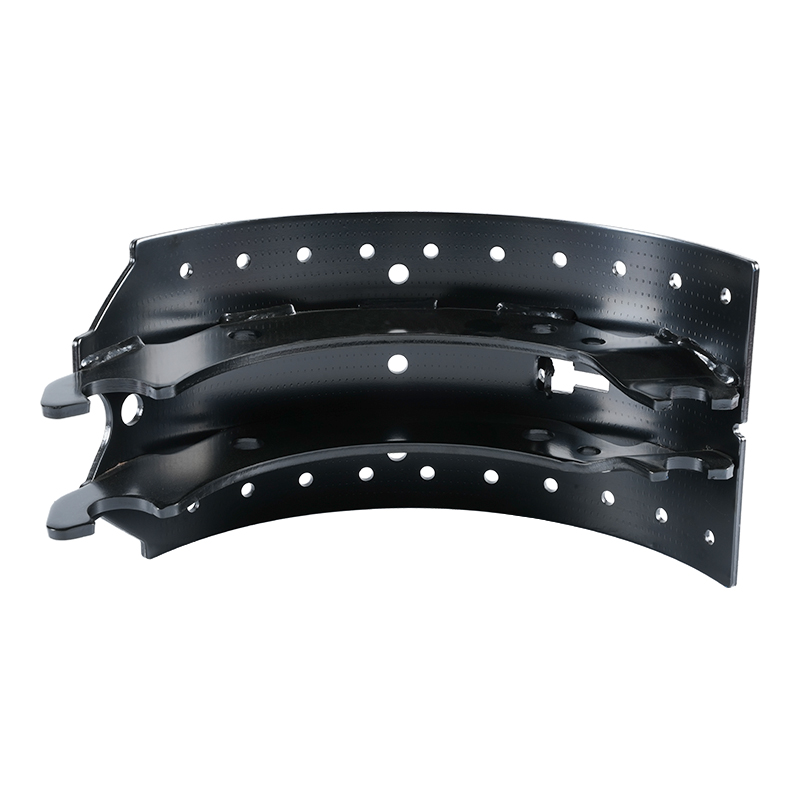
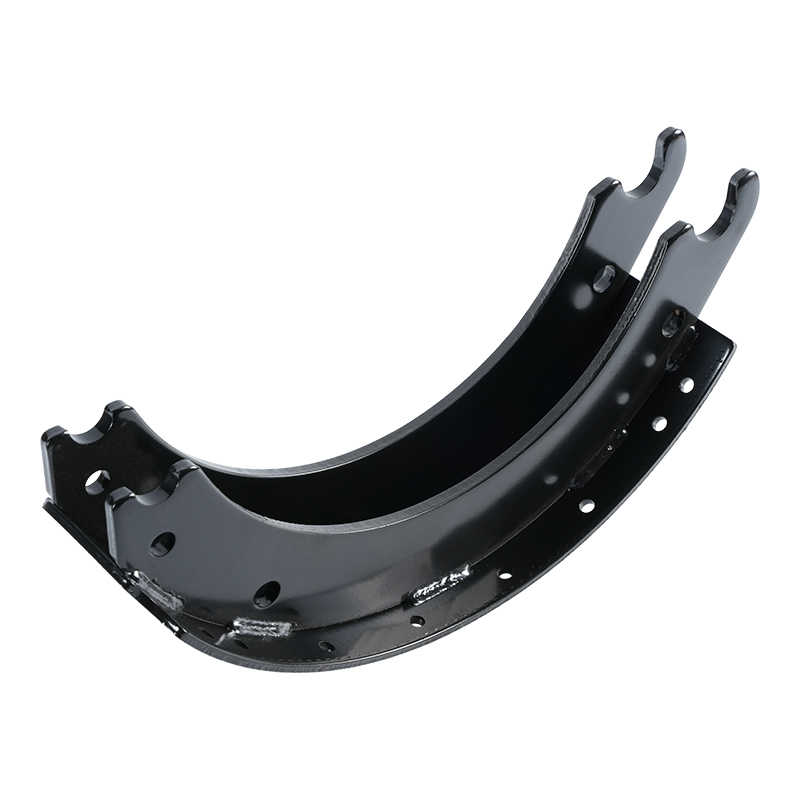
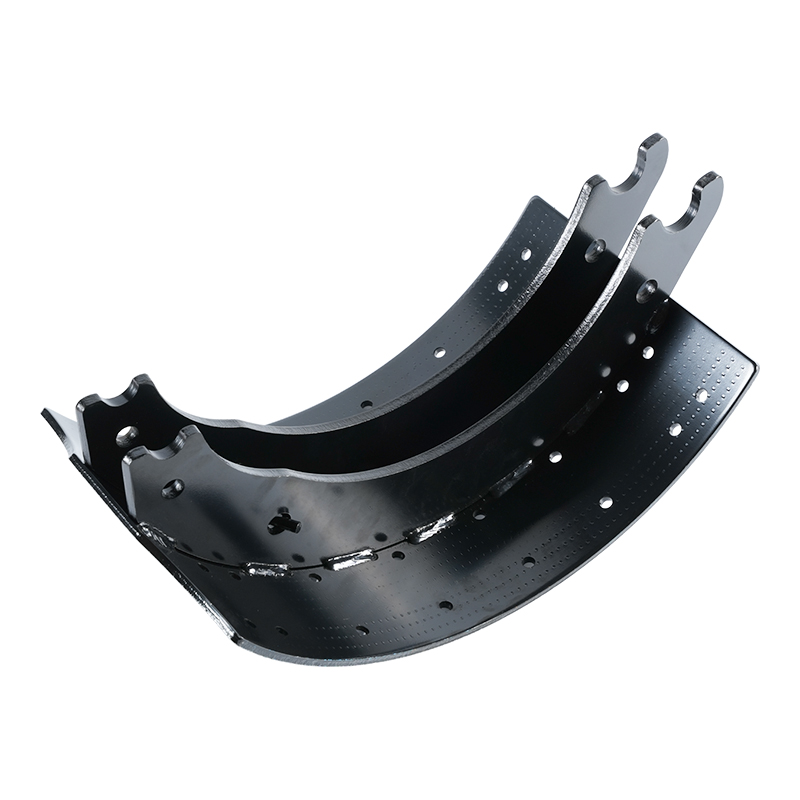
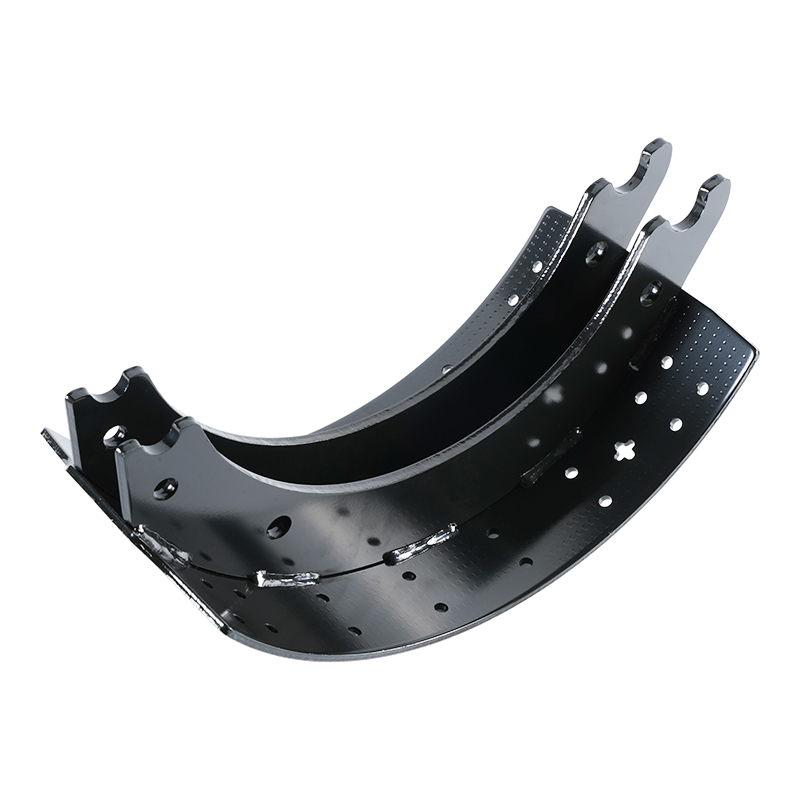
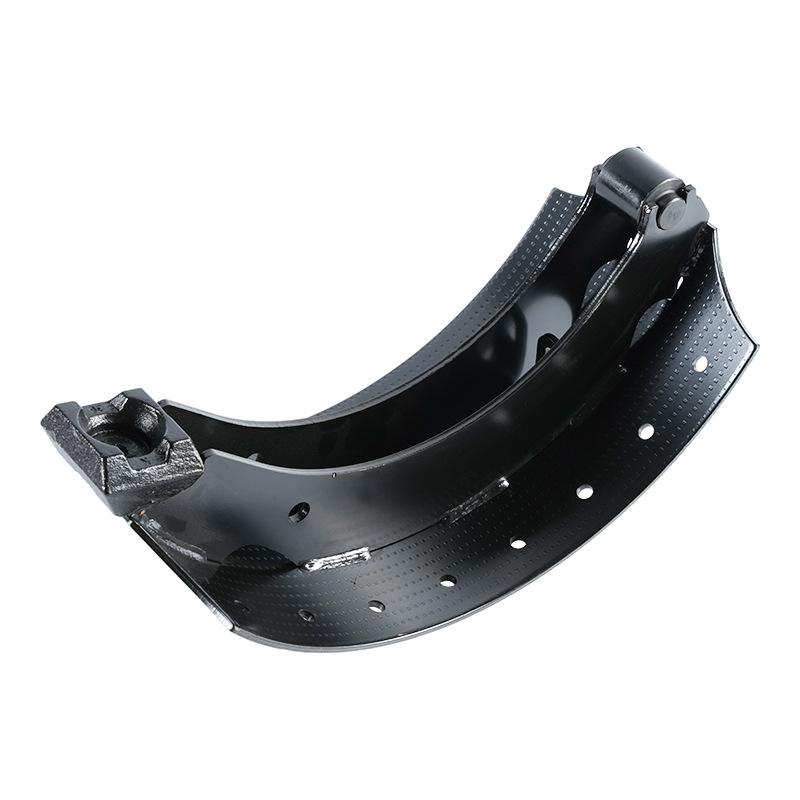
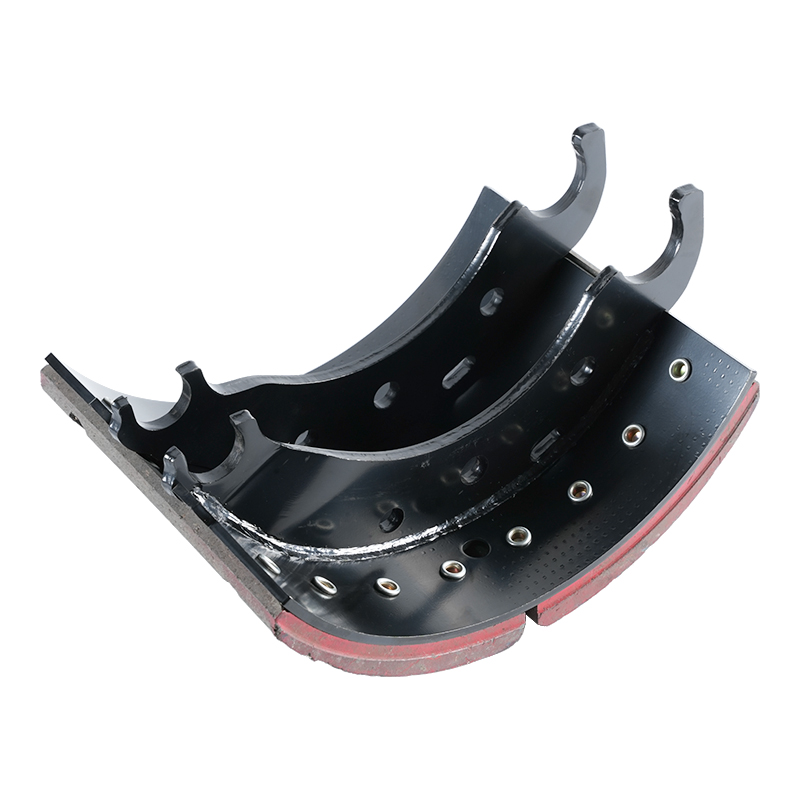
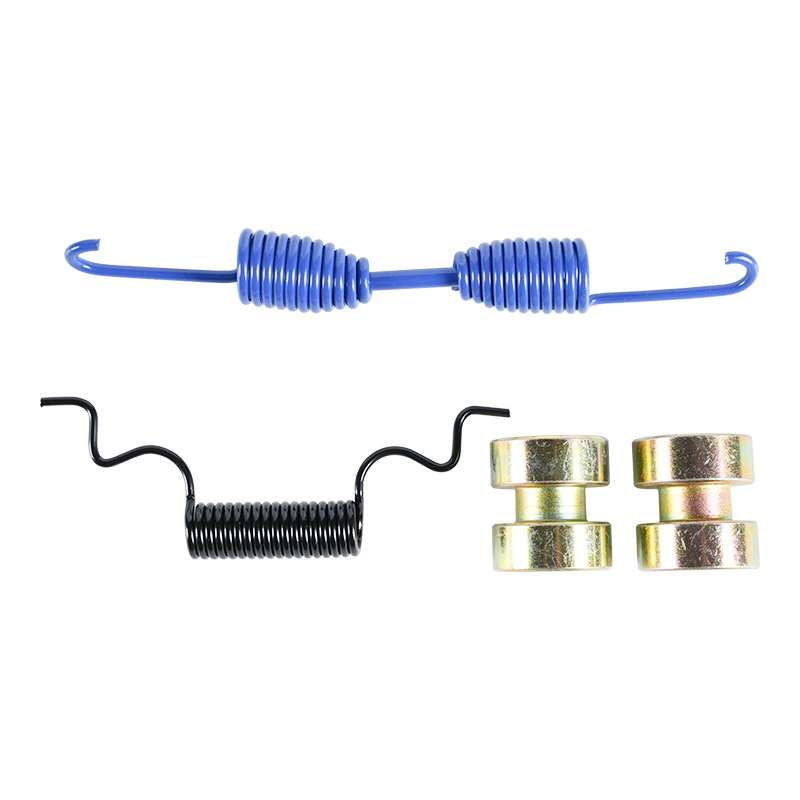
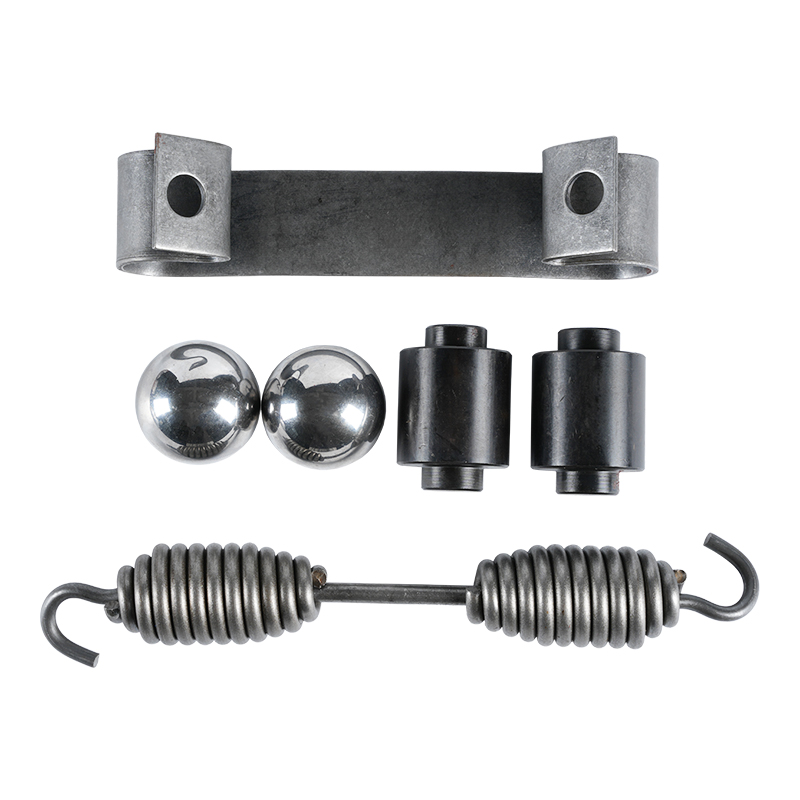
Heavy duty brake shoe assemblies are the complete drum brake units built to handle the extra weight, heat, and stress that trucks, trailers, buses, and heavy equipment put on a braking system. Unlike a standalone brake shoe, an assembly usually includes the shoe itself, the friction lining bonded or riveted to it, return springs, hold-down hardware, and sometimes the adjuster mechanism. This matters because a single worn-out spring or a mismatched lining can throw off the whole braking performance, even if the shoe metal looks fine.
These assemblies are designed for vehicles that carry significant loads or travel long distances under constant braking stress, such as delivery trucks, agricultural equipment, RVs, and commercial trailers. Because these vehicles generate far more heat and force at the drum than a passenger car, the shoes need thicker friction material, stronger steel backing, and hardware rated for repeated heavy cycling.
How Heavy Duty Brake Shoe Assemblies Differ From Standard Shoes
It's tempting to think a brake shoe is a brake shoe, but the difference between a light duty and a heavy duty version can mean the gap between a safe stop and a dangerous one. Heavy duty brake shoe assemblies are engineered with a few specific upgrades that standard passenger car shoes simply don't need.
Thicker Friction Material
The lining on a heavy duty shoe is noticeably thicker, giving it more material to wear through before it needs replacement. This is especially important for vehicles that tow, haul, or stop frequently, since the extra thickness buys more life between service intervals.
Reinforced Steel Backing
The metal shoe itself is built from thicker gauge steel to resist warping under high heat. A thin backing plate can flex slightly under extreme braking force, which reduces contact with the drum and shortens lining life.
Higher Temperature Rated Compounds
Heavy duty linings are formulated to maintain consistent friction even as drum temperatures climb well above what a typical car ever sees. This prevents brake fade, which is when brakes suddenly feel weak or unresponsive after sustained hard use, like going down a long grade fully loaded.
Signs Your Brake Shoe Assemblies Need Replacing
Catching worn brake shoe assemblies early saves money and prevents damage to other components like the drum itself. Here are the warning signs worth paying attention to:
- Grinding or scraping noise when braking, which usually means the lining has worn down to the metal backing
- Longer stopping distances or a soft, spongy brake pedal feel
- Vehicle pulling to one side during braking, often a sign of uneven shoe wear
- Visible cracks, glazing, or contamination on the friction surface
- A burning smell after repeated stops, which can indicate overheating linings
- Squealing noise from a worn wear indicator built into some assemblies
If any of these show up, it's worth pulling the drum and inspecting the full assembly rather than just glancing at the lining thickness. Springs, adjusters, and hold-down hardware wear out too, and replacing shoes without checking this hardware often leads to a repeat repair sooner than expected.
Choosing the Right Heavy Duty Brake Shoe Assemblies
Picking the correct assembly isn't just about matching a part number. Fit, load rating, and lining material all need to line up with how the vehicle is actually used.
Match the Axle Weight Rating
Brake shoe assemblies are rated for specific axle weight capacities. Installing a set rated below your vehicle's gross axle weight rating will lead to premature wear and reduced stopping power, even if the shoe physically fits the drum.
Consider the Duty Cycle
A vehicle that stops constantly in stop-and-go traffic, like a delivery truck, needs a different lining compound than one that mostly cruises highways with occasional braking, like a long-haul trailer. Matching the compound to the duty cycle extends service life significantly.
Buy Complete Kits When Possible
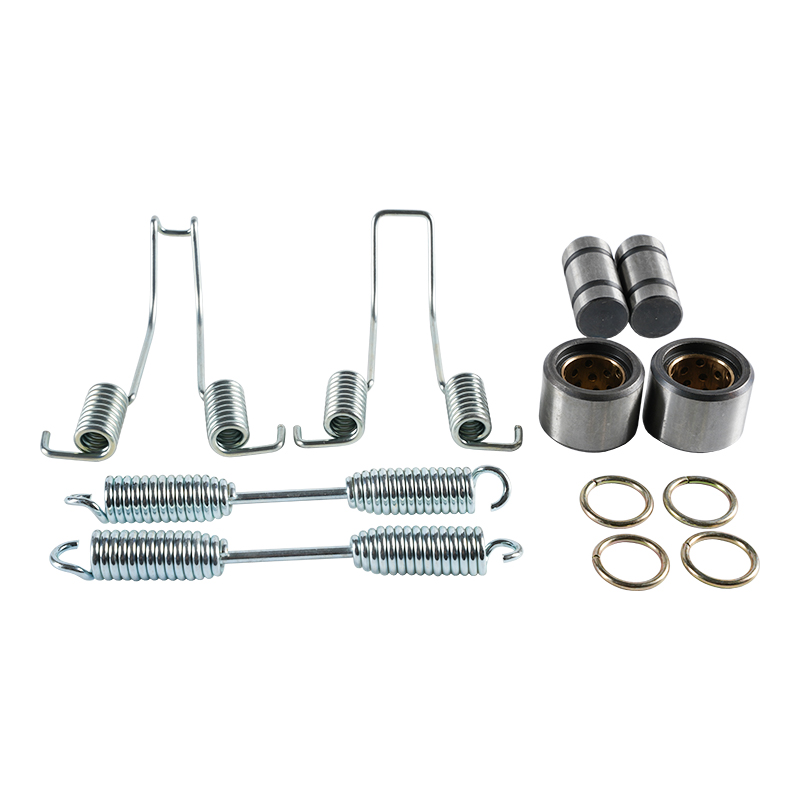
Complete assembly kits that include springs and hardware alongside the shoes are usually worth the extra cost. Reusing old hardware with new shoes is one of the most common reasons brake jobs fail early, since fatigued springs lose tension and no longer hold the shoes against the drum properly.
Comparing Common Heavy Duty Brake Shoe Materials
Friction material choice has a big impact on how a heavy duty brake shoe assembly performs under load. The table below breaks down the most common options.
| Material Type | Best For | Heat Resistance | Typical Lifespan |
| Semi-Metallic | Heavy hauling, frequent stops | High | Moderate |
| Ceramic | Lower dust, quieter braking | Moderate | Long |
| Organic/Non-Asbestos | Lighter duty commercial use | Low to Moderate | Shorter |
| Sintered Metallic | Extreme heavy duty, off-road, industrial | Very High | Long |
Installation Tips That Extend Assembly Life
Even the best heavy duty brake shoe assemblies won't perform well if they're installed incorrectly. A few simple habits during installation can add real life to the parts.
- Always replace shoes in axle pairs, never just one side, to keep braking force balanced
- Inspect and resurface or replace the drum if it's scored, out of round, or beyond its wear limit
- Lubricate contact points on the backing plate with high-temp brake grease, avoiding the friction surface entirely
- Replace return springs, hold-down springs, and adjusters at the same time as the shoes
- Adjust shoe-to-drum clearance properly before test driving, then recheck after a short break-in period
Taking the time to do these steps correctly the first time prevents comebacks, uneven wear, and the kind of premature failure that makes a heavy duty brake job feel like it wasn't worth the upgrade.
Maintenance Habits That Keep Heavy Duty Brake Shoe Assemblies Working Longer
Regular maintenance is what separates a brake shoe assembly that lasts through its full rated mileage from one that fails early. Routine drum removal for visual inspection, even when no symptoms are present, catches problems like glazing or uneven wear before they become safety issues. Keeping the vehicle's load within its rated capacity also matters more than most drivers realize, since consistently overloading an axle accelerates lining wear regardless of how good the parts are.
It also helps to keep an eye on brake fluid condition and wheel cylinder function, since a sticking wheel cylinder can cause one shoe to drag constantly, wearing it down far faster than its counterpart. Addressing small issues like this quickly protects the investment made in quality heavy duty brake shoe assemblies and keeps the whole braking system working as a unit rather than fighting itself.

 Home
Home +86-158-6900-2386 / +86-0571-61075636
 zjlrqp@163.com
 No. 518, Nanhu Road, Tianzihu Town, Anji County, Zhejiang Province, China
Copyright © Zhejiang Langrun Auto Parts Co., Ltd. All rights reserved. Heavy-Duty Brake Shoe Manufacturer in China

