


 Eng
Eng 
 中文简体
中文简体
 Home / News / Industry News / Beyond the Pedal: A Deep Dive into Brake Lining Composition and Performance
 Beyond the Pedal: A Deep Dive into Brake Lining Composition and Performance
 2026.01.04
 Industry News
Content
Understanding the Critical Role of Brake Linings in Automotive Safety
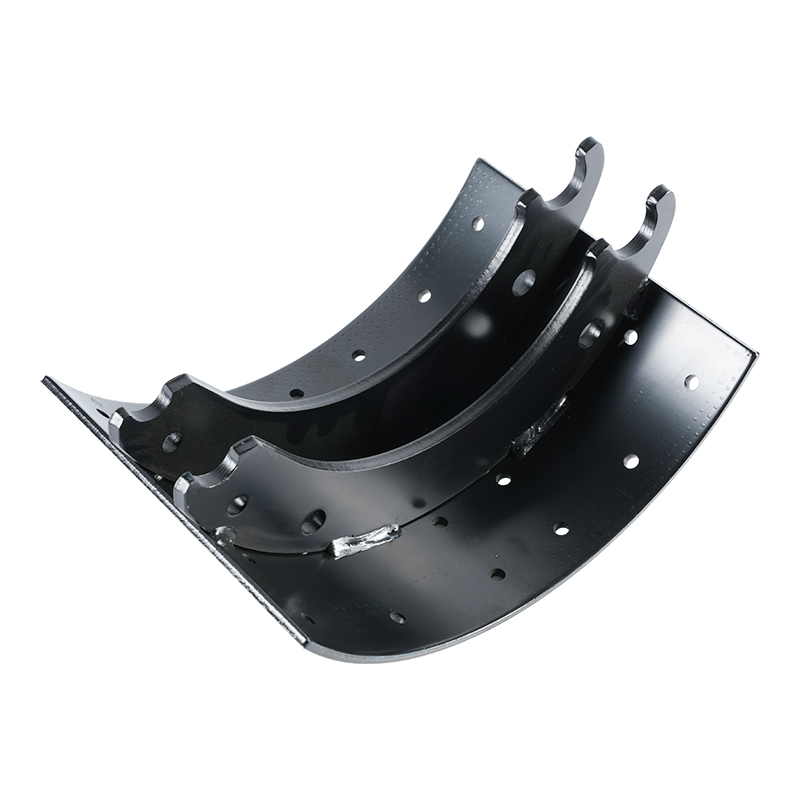
Brake linings are the consumable surfaces in braking systems, such as drum brakes or friction pads, that provide the necessary resistance to slow or stop a vehicle. These components are attached to metal backings using high-strength adhesives or rivets. When a driver engages the brake pedal, the lining is pressed against a rotating drum or disc, converting kinetic energy into thermal energy through intense friction. Because they are designed to wear down over time to protect the more expensive metal components of the braking system, the quality and composition of the lining material are paramount to both vehicle safety and maintenance costs.
Material Compositions and Their Performance Characteristics
The evolution of brake lining technology has moved away from hazardous materials like asbestos toward sophisticated composite blends. Modern linings are generally categorized into three primary types, each offering distinct advantages depending on the driving environment and vehicle weight requirements.
Non-Asbestos Organic (NAO) Linings
Organic linings are manufactured from a mixture of fibers, fillers, and high-temperature resins. Common materials include glass, rubber, and Kevlar. These are typically softer and quieter than other types, making them ideal for everyday passenger vehicles. However, they tend to wear out faster and may lose effectiveness under extreme heat conditions, a phenomenon known as brake fade.
Semi-Metallic and Ceramic Variants
Semi-metallic linings contain a high percentage of steel, iron, or copper fibers. They are exceptionally durable and provide excellent heat dissipation, which is critical for heavy-duty towing or high-performance driving. Ceramic linings, on the other hand, use ceramic fibers and non-ferrous fillers. They are prized for their extremely quiet operation and the fact that they produce very little "brake dust," keeping wheels cleaner for longer periods.
Key Technical Specifications Comparison
| Feature | Organic (NAO) | Semi-Metallic | Ceramic |
| Noise Level | Very Low | Moderate to High | Lowest |
| Durability | Low | High | Medium-High |
| Heat Range | Low | Very High | High |
| Best Use | Daily Commuting | Heavy Loads/Racing | Luxury/Comfort |
Identifying Signs of Brake Lining Wear
Monitoring the condition of brake linings is essential for preventing damage to the rotors or drums. Because the lining is a friction material, it naturally thins out with use. If left until the lining is completely gone, "metal-on-metal" contact occurs, which significantly reduces stopping power and leads to costly repairs.
- High-pitched squealing noises caused by built-in wear indicators.
- Grinding sensations felt through the brake pedal or steering wheel.
- Visible thickness of less than 3mm (approximately 1/8 inch) upon physical inspection.
- Increased stopping distances or a "spongy" feeling when applying the brakes.
Manufacturing Quality and Thermal Stability
The manufacturing process of high-quality brake linings involves precise "curing" under high pressure and temperature. This ensures that the resins and friction modifiers are properly bonded. A critical factor in lining performance is its coefficient of friction, which must remain stable across a wide range of temperatures. Premium linings undergo "scorching," a process where the surface is pre-heated to manage the initial gassing of the resins, leading to better out-of-the-box performance and a shorter break-in period for the driver.


 Home
Home +86-158-6900-2386 / +86-0571-61075636
 zjlrqp@163.com
 No. 518, Nanhu Road, Tianzihu Town, Anji County, Zhejiang Province, China
Copyright © Zhejiang Langrun Auto Parts Co., Ltd. All rights reserved. Heavy-Duty Brake Shoe Manufacturer in China

