


 Eng
Eng 
 中文简体
中文简体

Rear and Front Brake Shoes: How to Tell When It's Time for New Ones
 2026.07.02
 Industry News
Content
- 1 What Brake Shoes Do and Where You'll Find Them
- 2 Signs That Your Brake Shoes Need Attention
- 3 Why Rear and Front Brake Shoes Wear at Different Rates
- 4 How Brake Shoe Inspection and Replacement Typically Works
- 5 Choosing Replacement Brake Shoes for Your Vehicle
- 6 Tips for Extending the Life of Your Brake Shoes
What Brake Shoes Do and Where You'll Find Them
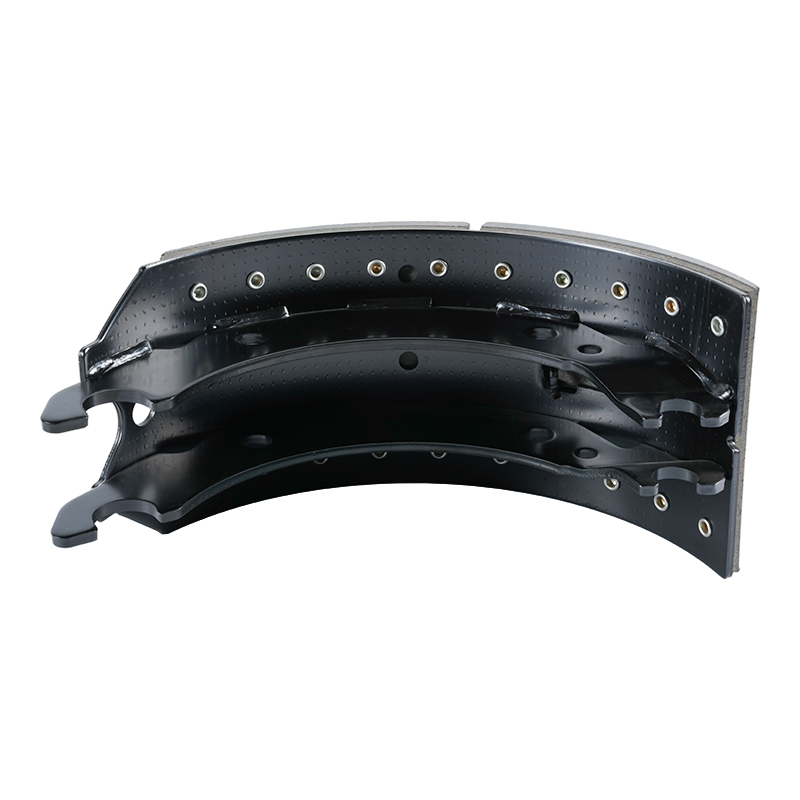
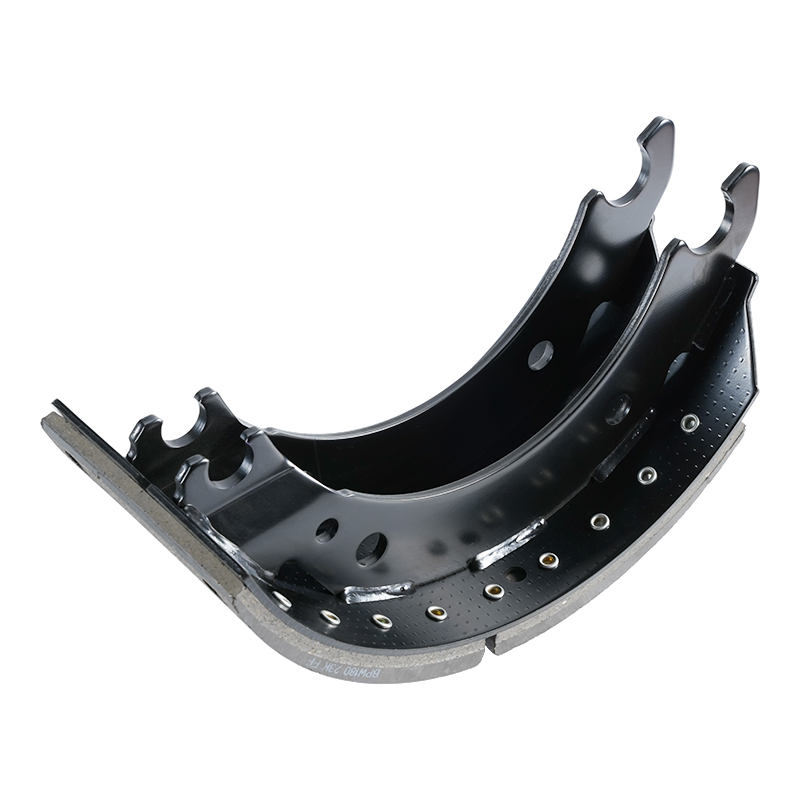
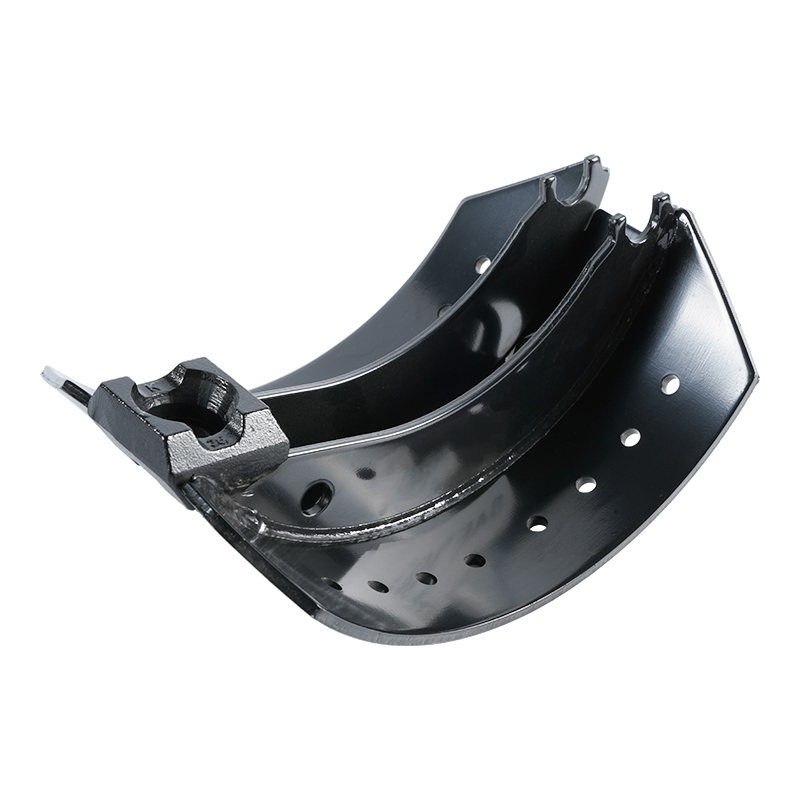
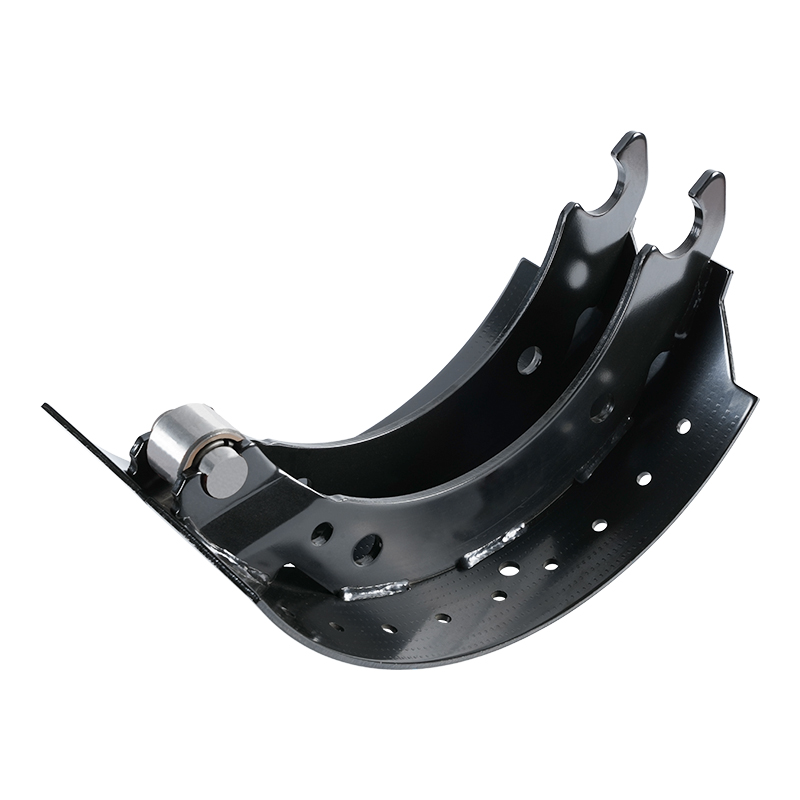
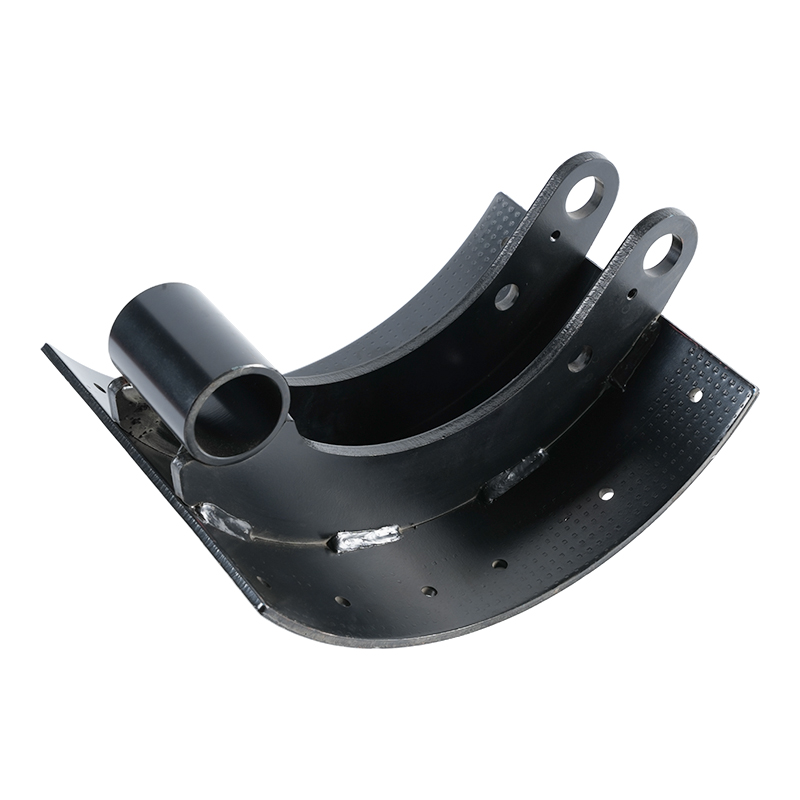
Brake shoes are curved friction components used in drum brake systems, pressing outward against the inside of a spinning brake drum to slow or stop a wheel. While most modern vehicles have shifted to disc brakes with pads up front, it's still common to find rear brake shoes on many trucks, SUVs, and older or budget-oriented vehicles, since drum brakes are simpler, cheaper to manufacture, and hold up well under the lighter braking load typically handled by the rear wheels. Some older vehicles and certain commercial trucks still use front brake shoes as well, though this setup has become far less common as disc brakes have taken over front-wheel braking duties almost universally.
Understanding whether your vehicle uses rear brake shoes, front brake shoes, or both matters because the inspection process, replacement intervals, and symptoms of wear all differ slightly between drum and disc systems. A quick way to check is to look at the wheel design or consult your owner's manual, since vehicles with rear drum brakes often have a slightly different wheel hub appearance and a parking brake mechanism built directly into the drum assembly, which is one of the main reasons rear drum brakes have remained popular even as front brakes moved to disc setups.
Signs That Your Brake Shoes Need Attention
Brake shoes wear down gradually with every stop, and most vehicles give clear warning signs well before the shoes wear down completely. Catching these symptoms early is the difference between a routine, affordable repair and a more expensive fix involving damaged drums or compromised braking performance. Paying attention to how your vehicle sounds and feels when braking is the easiest way to catch a problem before it becomes serious.
Common Symptoms of Worn Brake Shoes
- A scraping, grinding, or metal-on-metal sound when braking, especially at low speeds
- A soft or spongy brake pedal that requires more pressure than usual to stop
- The vehicle pulling slightly to one side when braking
- A burning smell coming from one or more wheels after repeated braking
- A parking brake that feels looser than usual or doesn't hold the vehicle securely
- A dashboard brake warning light illuminating on vehicles equipped with wear sensors
Why Rear and Front Brake Shoes Wear at Different Rates
On vehicles that use brake shoes at both the front and rear, it's common for one set to wear out noticeably faster than the other, and understanding why can help you anticipate maintenance needs more accurately. Front brakes generally handle a larger share of overall stopping force, since weight transfers forward under braking, which means front brake shoes on vehicles equipped with them often wear faster than rear shoes under identical driving conditions. On the more common setup, where a vehicle uses front disc brakes paired with rear brake shoes, the rear shoes tend to last considerably longer simply because the front discs absorb most of the braking workload during normal driving.
Driving style also plays a significant role in how quickly brake shoes wear down. Frequent hard braking, stop-and-go city driving, and towing heavy loads all accelerate wear on both front and rear shoes, while highway-heavy driving with gradual braking tends to extend the life of brake shoes considerably. Vehicles that use the rear drum brake as part of the parking brake mechanism may also see additional wear if the parking brake is engaged frequently or left partially engaged while driving.
How Brake Shoe Inspection and Replacement Typically Works
Inspecting brake shoes requires removing the wheel and, in most cases, the brake drum itself, since the friction material sits inside the drum where it can't be seen from the outside the way disc brake pads often can. A mechanic will typically measure the remaining thickness of the friction lining against the manufacturer's minimum specification, check the condition of the drum surface for scoring or excessive wear, and inspect related hardware like springs, adjusters, and the wheel cylinder for leaks or damage. Replacing brake shoes as a complete axle set, rather than individually, is standard practice, since uneven wear between the two sides of an axle can cause pulling or uneven braking.
What a Typical Brake Shoe Service Includes
| Service Step | Purpose |
| Wheel and drum removal | Access the brake shoes and related hardware for inspection |
| Lining thickness measurement | Determine whether shoes meet the minimum safe thickness |
| Drum surface inspection | Check for scoring, grooves, or out-of-round wear |
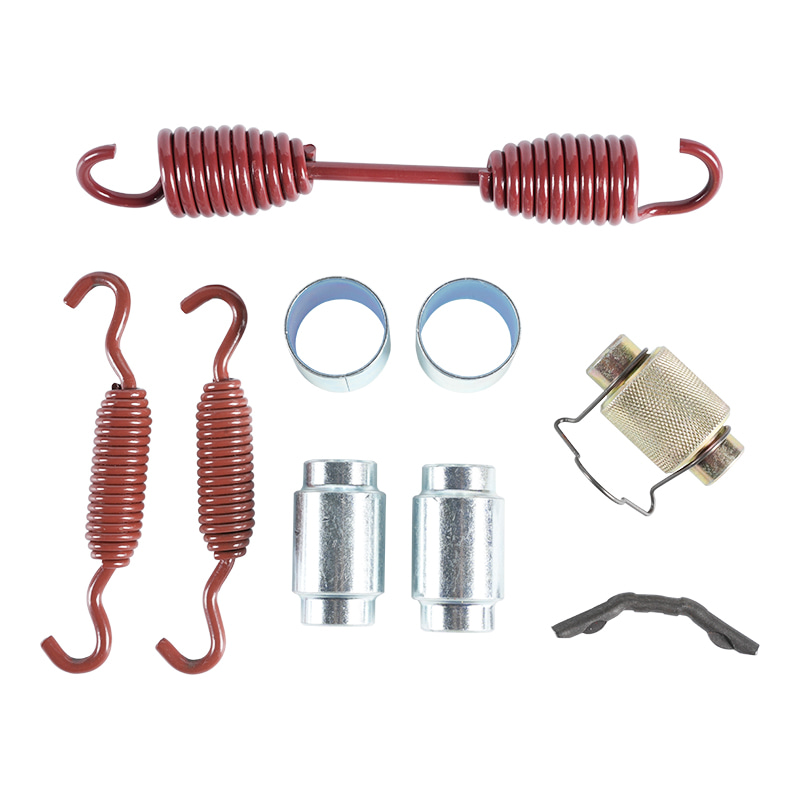
| Hardware kit replacement | Replace springs, adjusters, and clips alongside new shoes |
| Brake adjustment and test drive | Confirm proper shoe-to-drum clearance and braking performance |
Choosing Replacement Brake Shoes for Your Vehicle
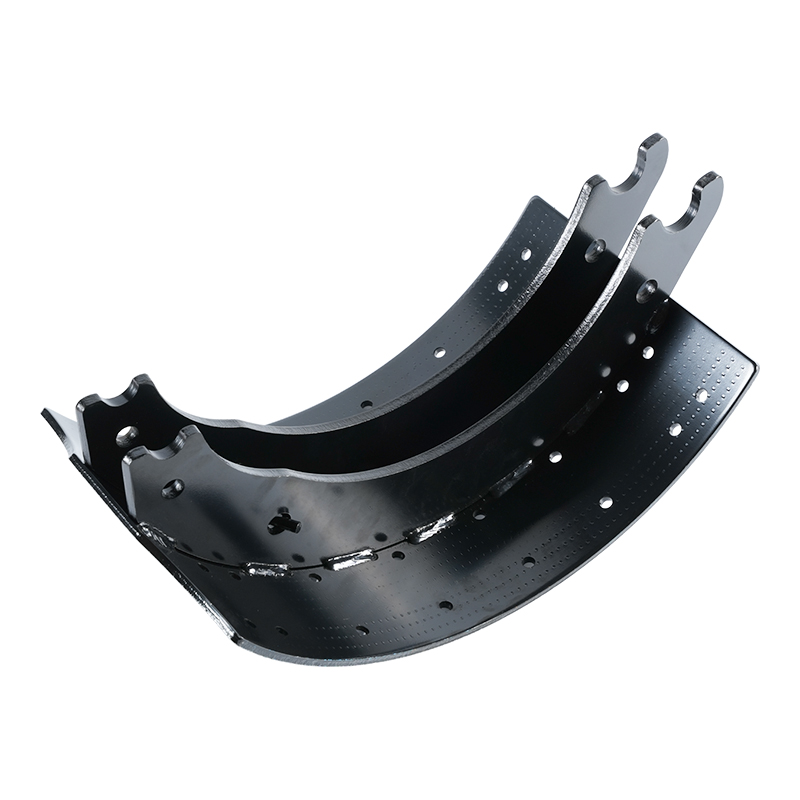
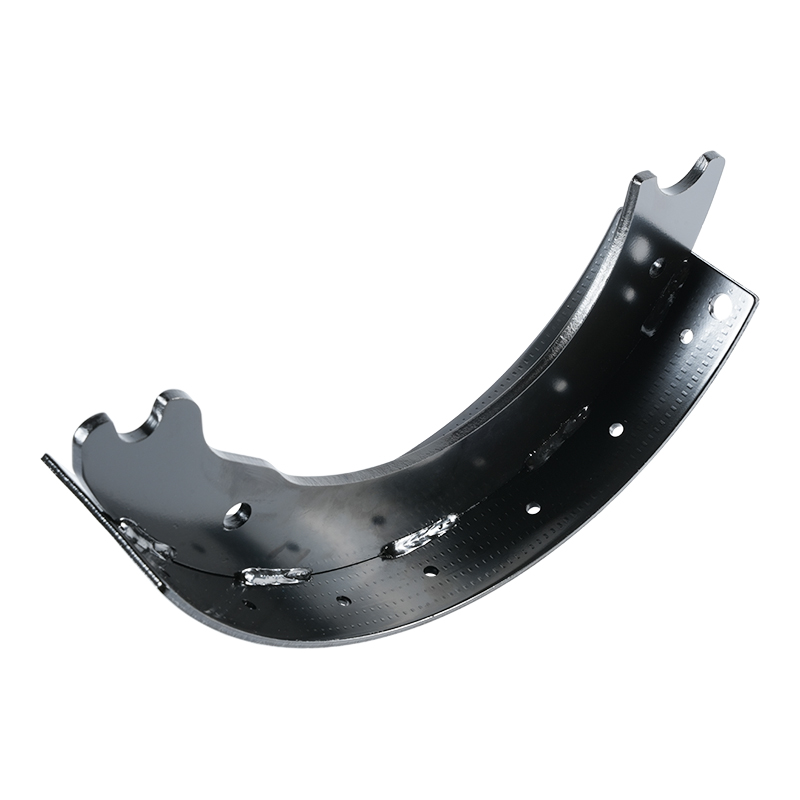
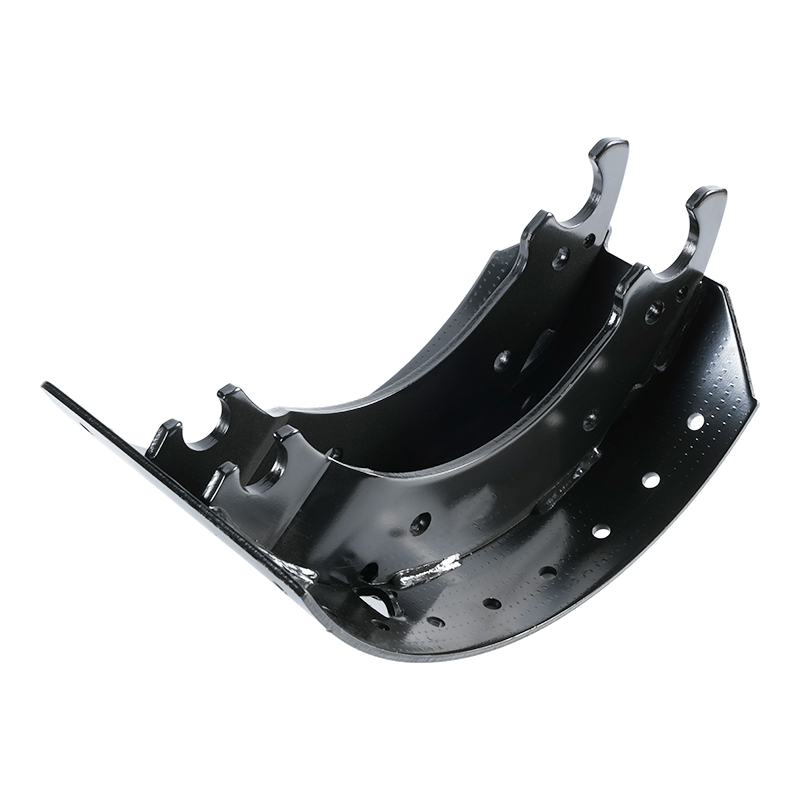
When it's time to replace worn brake shoes, matching the correct part number to your specific vehicle, axle position, and trim level is essential, since brake shoe dimensions and friction material can vary even across different versions of the same model. Original equipment manufacturer style replacement shoes tend to offer the most predictable fit and performance, closely matching what came installed on the vehicle from the factory. Aftermarket options are widely available and often more affordable, with quality varying significantly between budget and premium aftermarket brands, so checking reviews or asking a trusted mechanic for a recommendation can help avoid shoes that wear unevenly or generate excessive noise.
Questions to Ask Before Buying Replacement Shoes
- Does this part number match your exact vehicle year, make, model, and trim
- Is the replacement intended for front, rear, or both axle positions
- Does the kit include necessary hardware like springs and adjusters, or are those sold separately
- Is the friction material rated for your typical driving conditions, such as towing or city driving
- Does the brand offer a warranty in case of premature wear or defects
Tips for Extending the Life of Your Brake Shoes
A few simple habits can meaningfully extend how long both rear and front brake shoes last before needing replacement. Avoiding unnecessary hard braking and instead anticipating stops earlier reduces the heat and friction load placed on the shoes with every stop. Having the parking brake mechanism checked periodically, particularly on vehicles where it's integrated into the rear drum, helps prevent uneven wear caused by a brake that doesn't fully release. Routine brake inspections during regular maintenance visits also catch early-stage wear before it progresses to the point of damaging the drum surface, which keeps repair costs lower and braking performance consistent over the life of the vehicle.

 Home
Home +86-158-6900-2386 / +86-0571-61075636
 zjlrqp@163.com
 No. 518, Nanhu Road, Tianzihu Town, Anji County, Zhejiang Province, China
Copyright © Zhejiang Langrun Auto Parts Co., Ltd. All rights reserved. Heavy-Duty Brake Shoe Manufacturer in China

