


 Eng
Eng 
 中文简体
中文简体

Everything You Need to Know About Brake Shoe Assembly
 2026.03.18
 Industry News
Content
What Is a Brake Shoe Assembly?
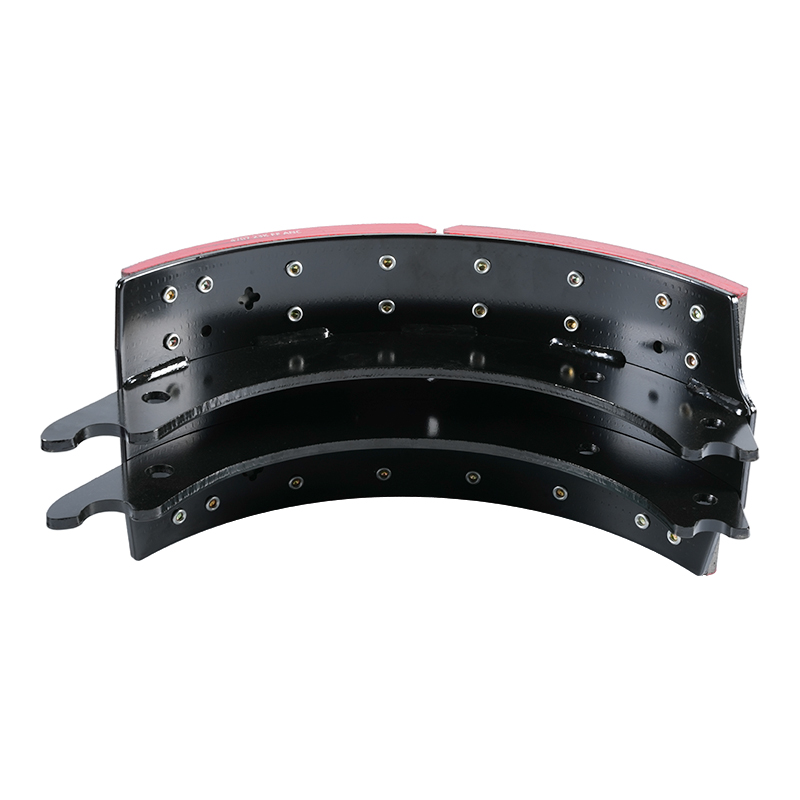
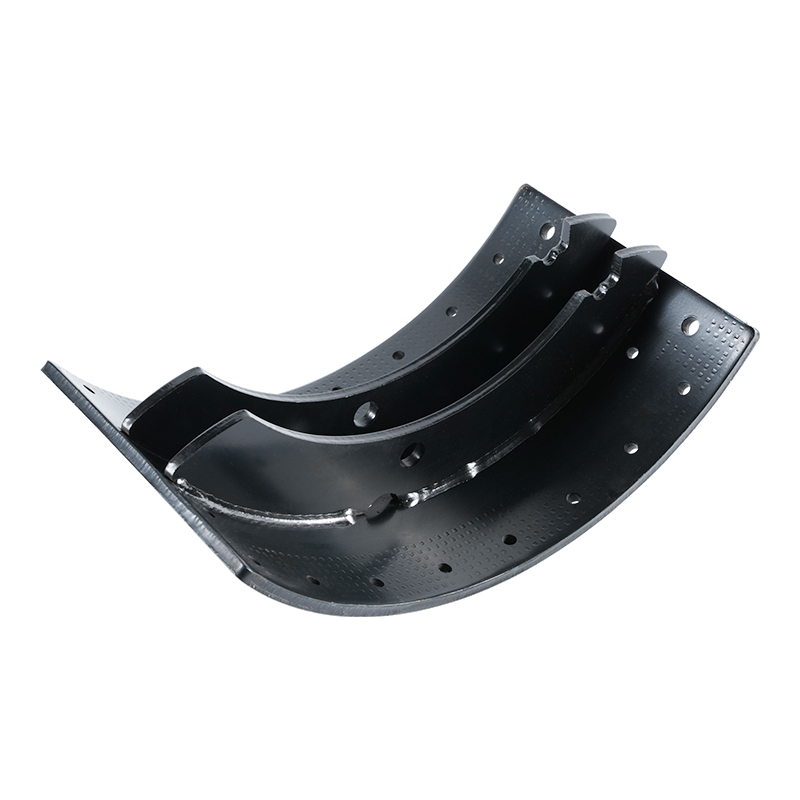
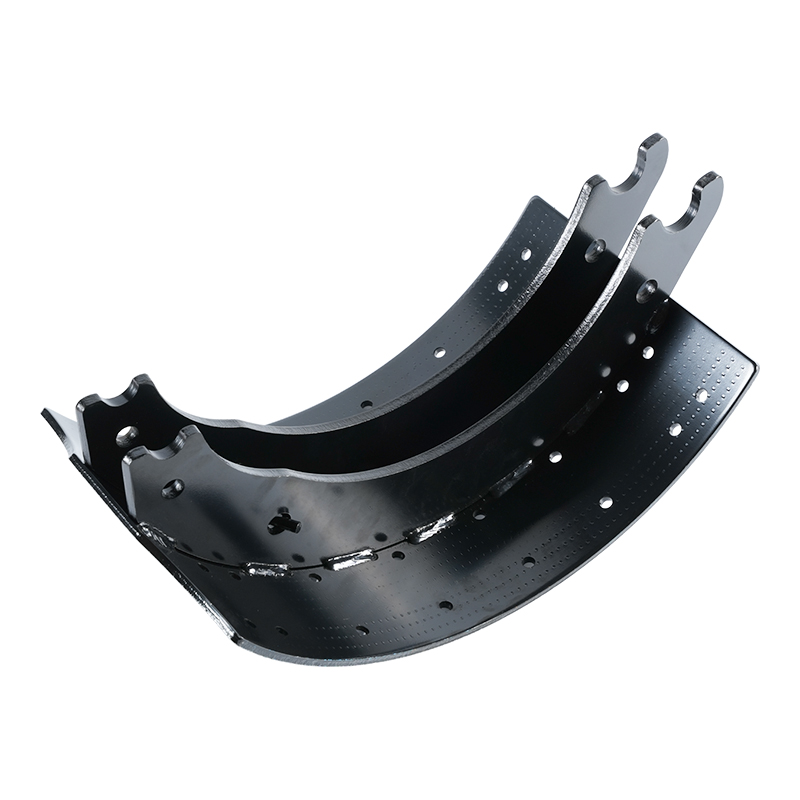
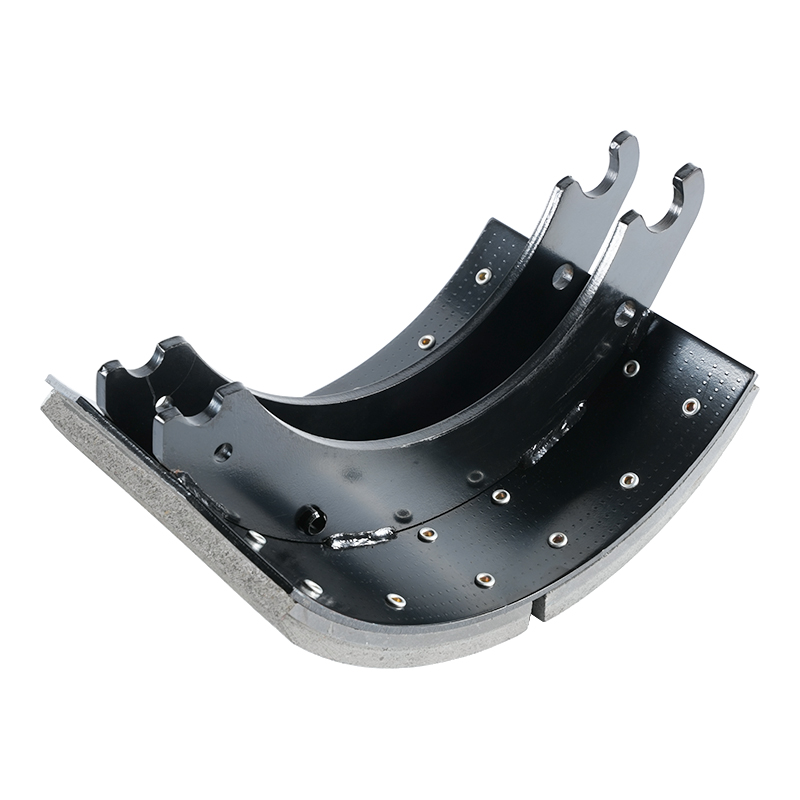
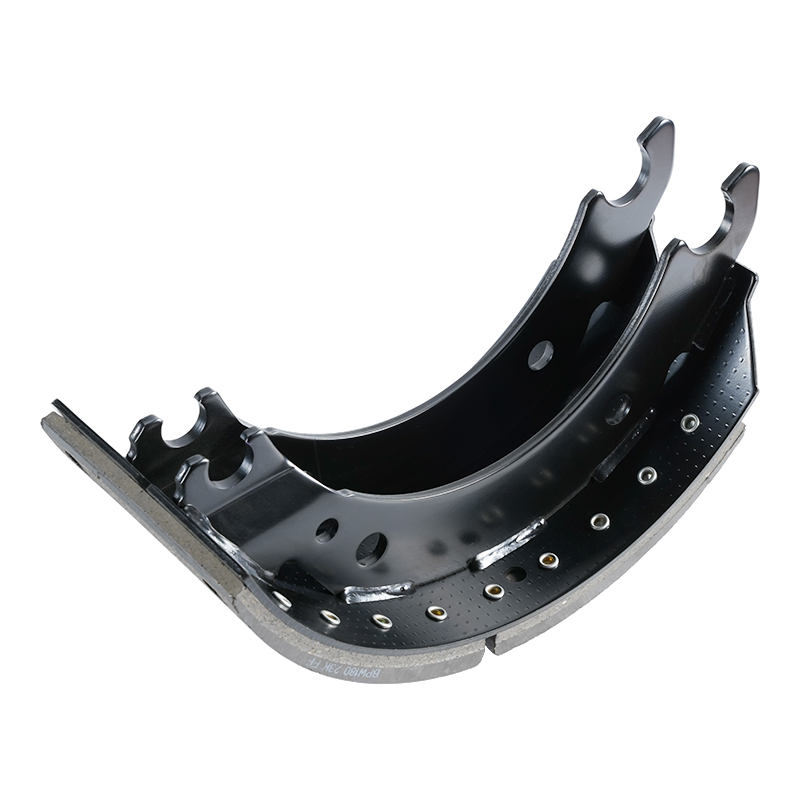
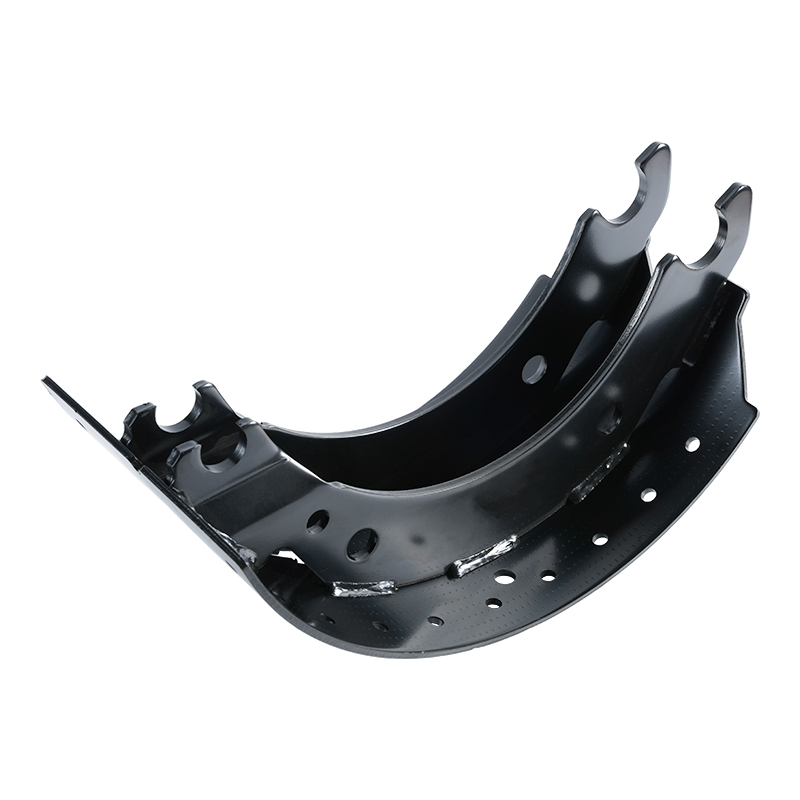
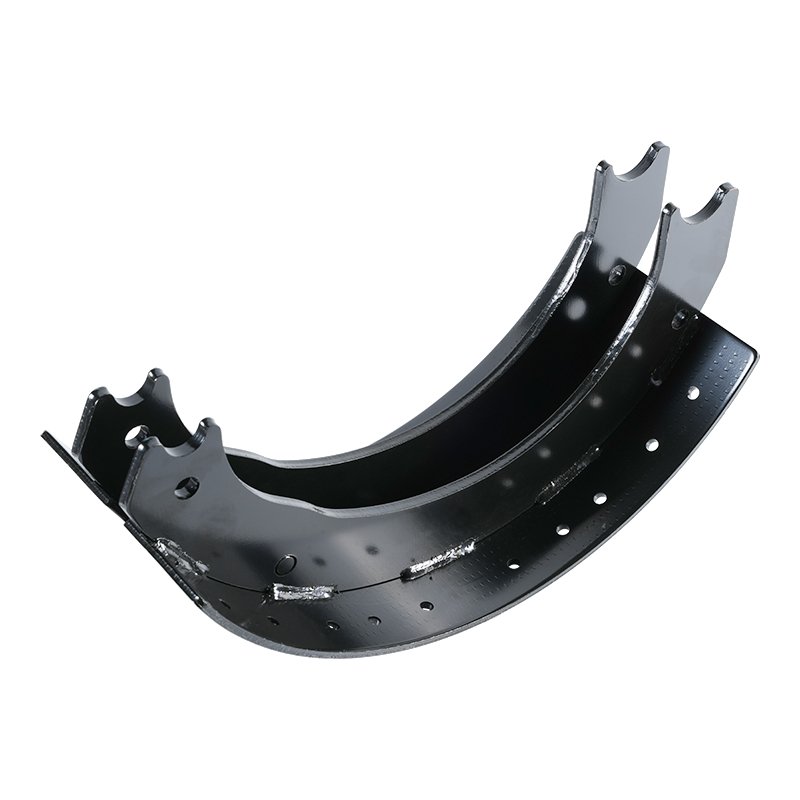
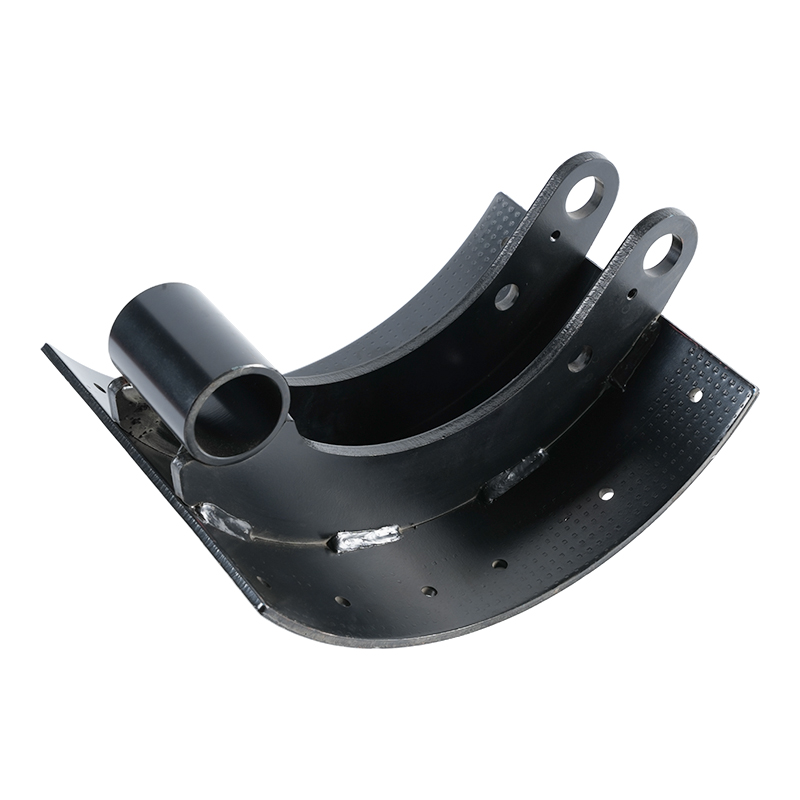
A Brake Shoe Assembly is a critical component of a drum brake system found in many vehicles, especially in older cars and trucks or the rear wheels of modern vehicles. It consists of curved friction material (brake shoes) mounted on a metal backing plate, which presses against the inner surface of a rotating drum to slow down or stop the vehicle.
The brake shoe assembly converts kinetic energy into heat through friction, providing controlled braking performance. It’s essential for safe driving, and proper maintenance ensures optimal braking efficiency and vehicle safety.
Key Components of a Brake Shoe Assembly
Understanding the main parts of a brake shoe assembly can help with maintenance and troubleshooting. Each component works together to ensure smooth and reliable braking.
| Component | Function | Importance |
| Brake Shoes | Friction material that presses against the drum | Generates braking force to stop the vehicle |
| Backing Plate | Metal plate supporting brake shoes | Keeps shoes properly aligned for consistent braking |
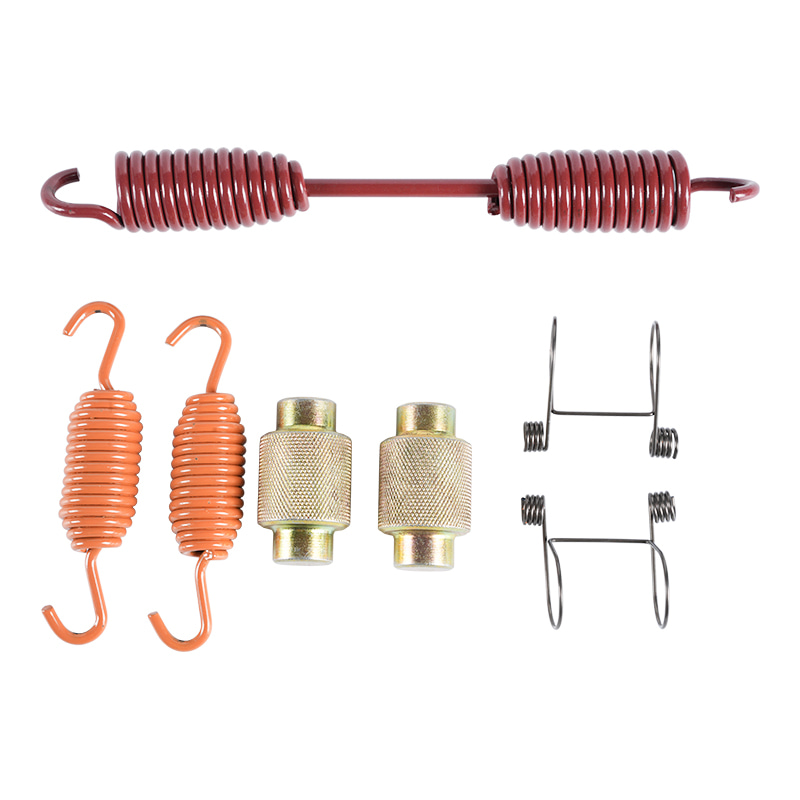
| Return Springs | Pulls the shoes away from the drum after braking | Prevents dragging and reduces wear |
| Wheel Cylinder | Hydraulic component that pushes the shoes outward | Converts brake fluid pressure into mechanical movement |
| Adjuster Mechanism | Maintains proper distance between shoes and drum | Ensures even wear and consistent braking performance |
How a Brake Shoe Assembly Works
When the driver presses the brake pedal, brake fluid flows into the wheel cylinder, pushing the brake shoes outward. The friction lining contacts the rotating drum, creating resistance that slows down the wheel. Once the pedal is released, return springs retract the shoes to their original position, preventing continuous contact with the drum.
Steps in Braking
- Driver presses the brake pedal.
- Brake fluid travels to the wheel cylinder.
- Wheel cylinder pushes the brake shoes outward.
- Friction material contacts the drum, slowing rotation.
- Return springs retract the shoes after releasing the pedal.
Signs Your Brake Shoe Assembly Needs Attention
Brake shoe assemblies wear over time, and recognizing the signs of wear can prevent brake failure. Common indicators include squealing noises, reduced braking efficiency, a spongy brake pedal, or visible grooves on the drum.
- Squealing or grinding noises during braking.
- Longer stopping distances than usual.
- Brake pedal feels soft or spongy.
- Uneven wear or visible damage on brake shoes or drum.
Maintenance Tips for Brake Shoe Assembly
Regular maintenance of the brake shoe assembly ensures safety and extends the life of your brake system. Inspections, cleaning, and timely replacement are key practices to keep your brakes performing at their best.
- Inspect shoes for wear thickness and replace when necessary.
- Check drum surface for grooves or scoring and resurface if needed.
- Ensure wheel cylinder and springs are functioning correctly.
- Keep brake components clean and free of dust or debris.
- Use proper adjustment mechanisms to maintain consistent brake performance.
Conclusion
Brake shoe assemblies are essential for safe and effective braking, particularly in vehicles using drum brakes. Understanding their components, working principle, and maintenance requirements can help drivers and mechanics ensure optimal performance and vehicle safety. Regular inspections, timely replacements, and proper adjustments keep the brake shoe assembly functioning reliably and extend its service life.

 Home
Home +86-158-6900-2386 / +86-0571-61075636
 zjlrqp@163.com
 No. 518, Nanhu Road, Tianzihu Town, Anji County, Zhejiang Province, China
Copyright © Zhejiang Langrun Auto Parts Co., Ltd. All rights reserved. Heavy-Duty Brake Shoe Manufacturer in China

