


 Eng
Eng 
 中文简体
中文简体
 Home / News / Industry News / How to Tell If Your Trailer Brake Shoe Is Worn Out (And What to Do About It)
 How to Tell If Your Trailer Brake Shoe Is Worn Out (And What to Do About It)
 2026.08.12
 Industry News
Content
- 1 What Is a Trailer Brake Shoe and Why It Matters
- 2 Signs Your Trailer Brake Shoe Needs Attention
- 3 How Long a Trailer Brake Shoe Should Last
- 4 Choosing the Right Replacement Trailer Brake Shoe
- 5 Step-by-Step Guide to Replacing a Trailer Brake Shoe
- 6 Maintenance Tips to Extend Brake Shoe Life
- 7 When to Replace Both Shoes and When One Is Enough
What Is a Trailer Brake Shoe and Why It Matters
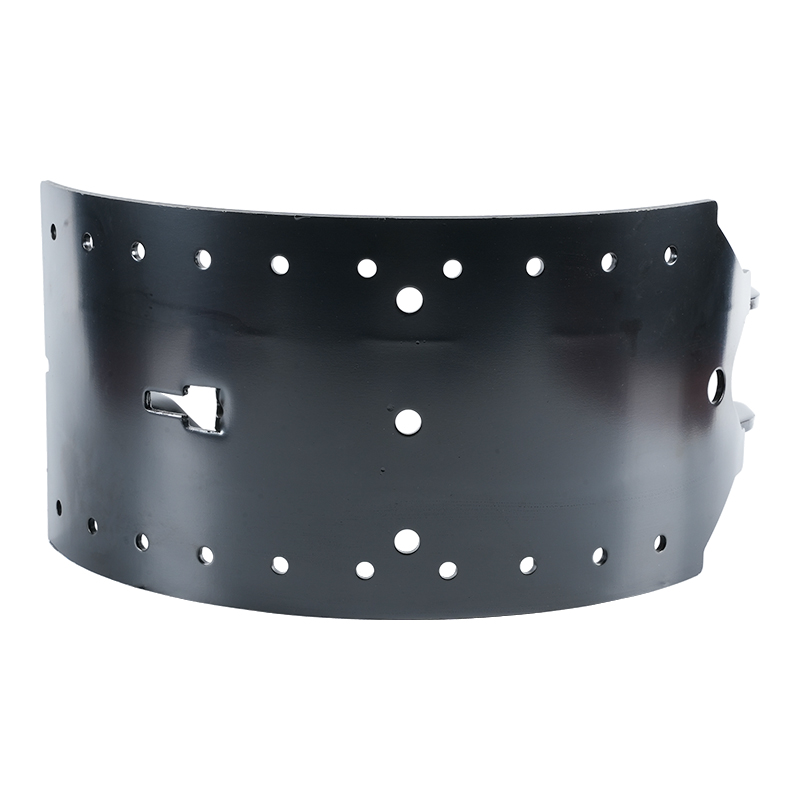
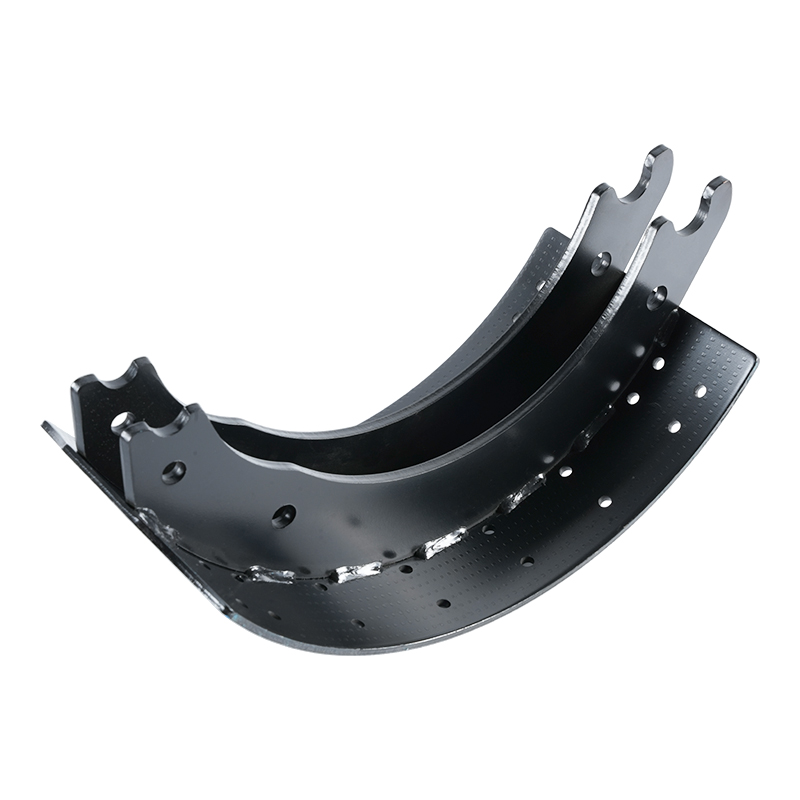
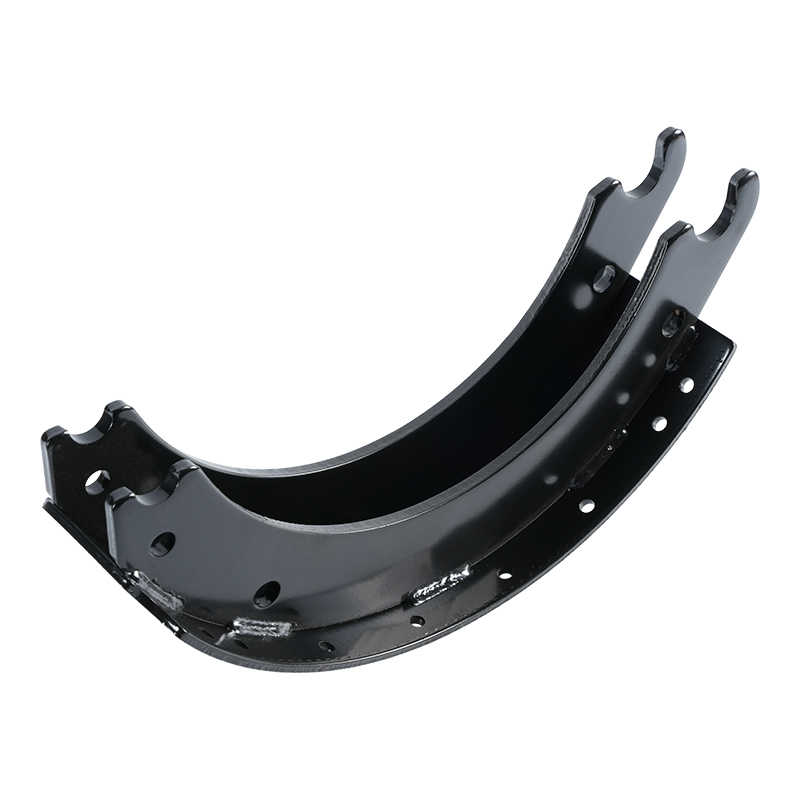
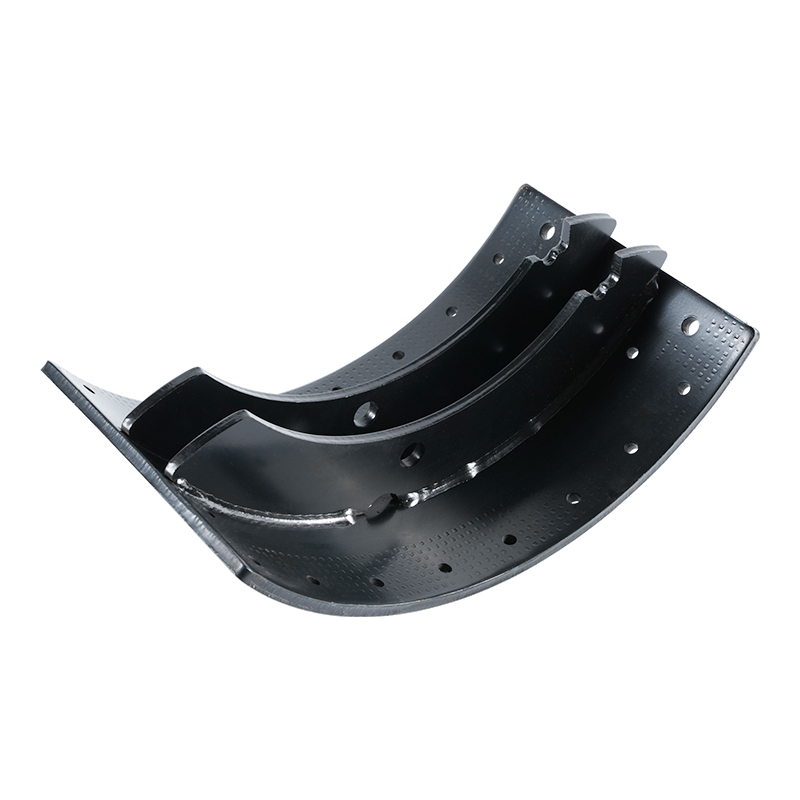
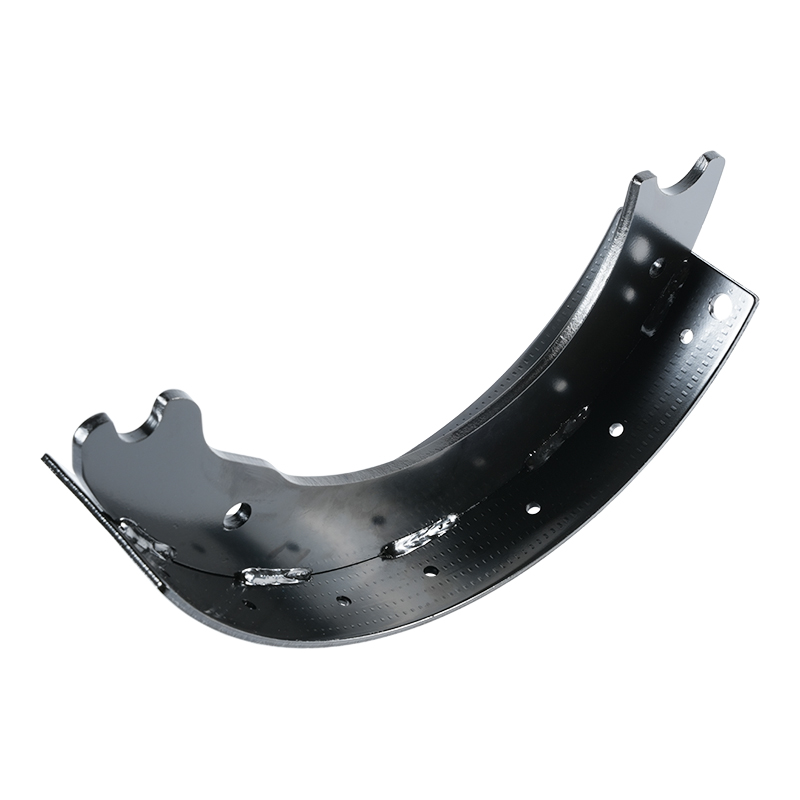
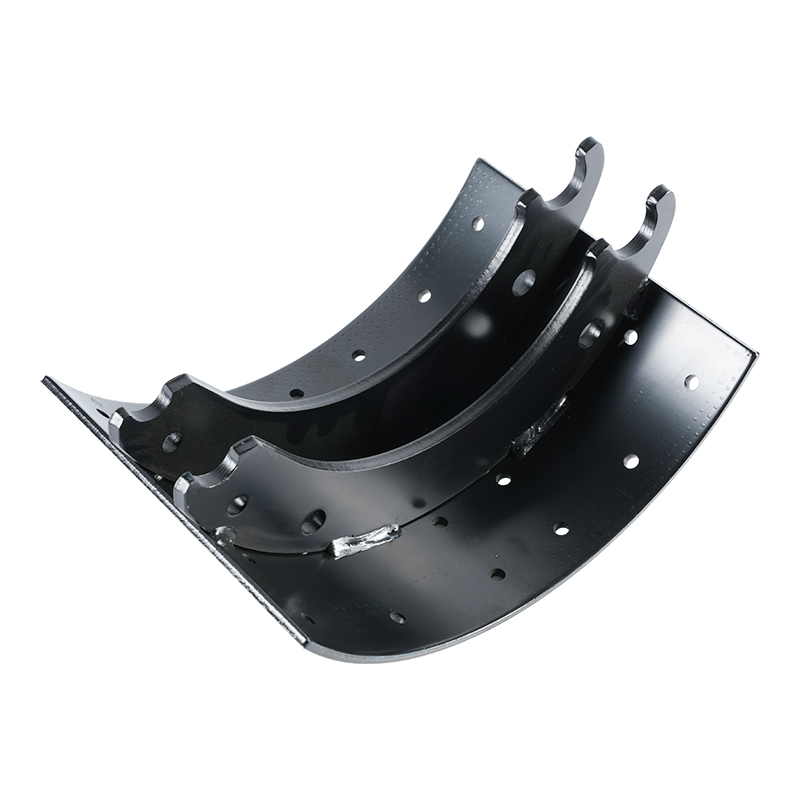
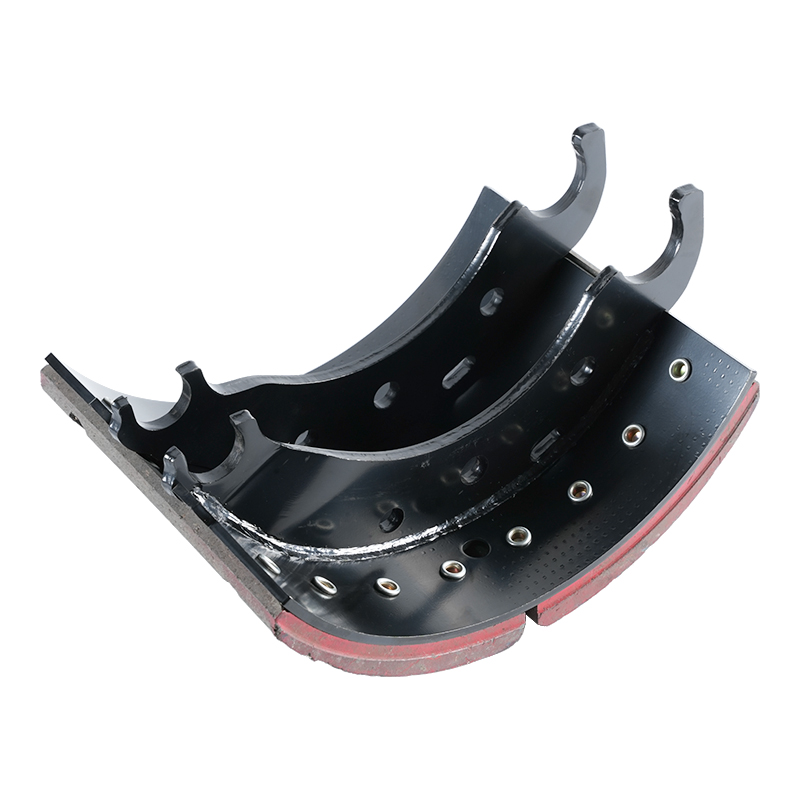
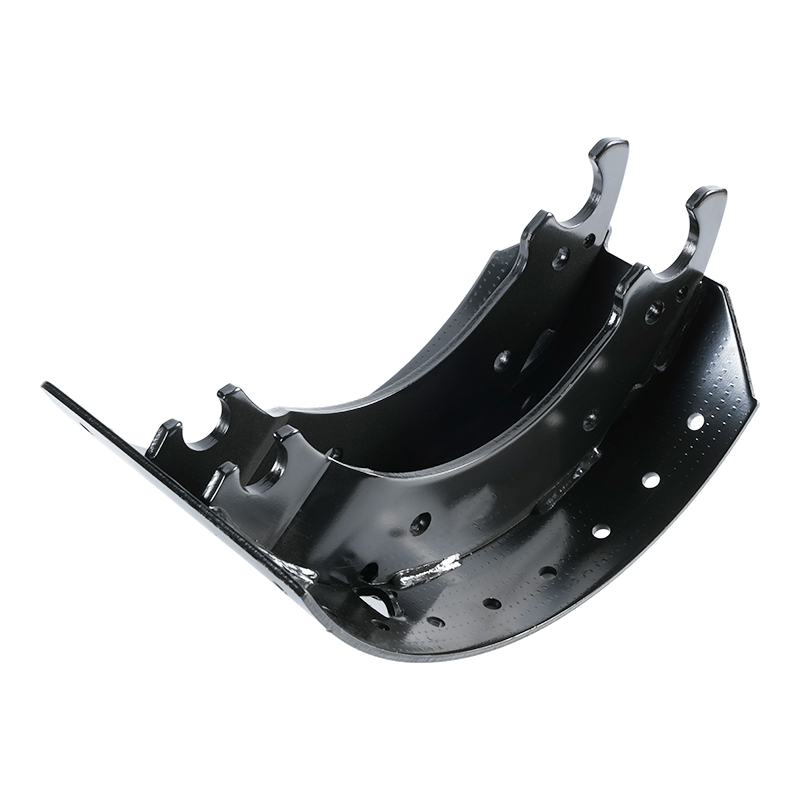
A trailer brake shoe is a curved piece of metal lined with friction material that presses against the inside of a brake drum to slow or stop your trailer. Every time you tap the brake pedal in your tow vehicle, an electric or hydraulic actuator pushes the brake shoe outward against the spinning drum, and the friction between the two components converts your trailer's momentum into heat. Without a healthy trailer brake shoe, that stopping power disappears, and your tow vehicle is left doing all the work of hauling thousands of pounds to a stop.
Most travel trailers, utility trailers, boat trailers, and livestock trailers with electric brakes rely on a pair of brake shoes per wheel. These shoes are one of the most important safety components on the entire trailer, yet they are often overlooked until something goes wrong. Understanding how they work, how to spot wear, and how to replace them properly can save you from a dangerous breakdown on the road.
Signs Your Trailer Brake Shoe Needs Attention
Trailer brake shoes wear down gradually, so the warning signs can be subtle at first. Catching these symptoms early prevents more expensive damage to the brake drum and hub assembly.
- Reduced braking power or a trailer that feels like it is "pushing" the tow vehicle
- A burning smell coming from the wheels after driving
- Grinding, squealing, or metal-on-metal noise when braking
- Uneven tire wear caused by a dragging or unevenly applied brake shoe
- Visible friction material that looks thin, glazed, or cracked when inspected through the backing plate
- A brake controller that shows an error or open-circuit warning on one axle
If you notice any of these symptoms, it is best to pull the wheel and drum for a closer look rather than waiting for a complete brake failure.
How Long a Trailer Brake Shoe Should Last
The lifespan of a trailer brake shoe depends heavily on towing frequency, load weight, driving terrain, and how often the brakes are actually used versus relying on trailer momentum and engine braking. On average, electric trailer brake shoes last between 12,000 and 20,000 miles, but trailers that see frequent mountain towing or heavy loads may need replacement sooner. Trailers that sit unused for long periods can also develop rusted or seized shoes, since moisture and lack of movement corrode the friction surface and hardware.
Factors That Shorten Brake Shoe Life
Overloading a trailer beyond its rated capacity forces the brake shoe to work harder on every stop, generating excess heat that glazes the friction material and reduces its grip. Improper brake controller settings, such as gain that is set too low, can also cause the tow vehicle brakes to compensate, while gain set too high can cause premature shoe wear from aggressive engagement.
Choosing the Right Replacement Trailer Brake Shoe
Not all trailer brake shoes are interchangeable. Selecting the correct part depends on your brake size, axle rating, and brake type. Using the wrong shoe can lead to poor contact with the drum, uneven wear, or a brake assembly that will not engage properly.
| Brake Size | Common Axle Rating | Typical Use |
| 10 x 2.25 inch | 3,500 lbs | Single axle utility and light travel trailers |
| 12 x 2 inch | 5,200 to 6,000 lbs | Tandem axle campers and cargo trailers |
| 12 x 2 inch (heavy duty) | 7,000 to 8,000 lbs | Livestock, equipment, and car hauler trailers |
Always match the brake shoe to the exact brake assembly stamped on your trailer's axle tag or backing plate, and confirm whether your trailer uses electric drum brakes, electric-over-hydraulic, or surge brakes, since each system uses a differently shaped shoe and actuator.
Step-by-Step Guide to Replacing a Trailer Brake Shoe
Replacing a trailer brake shoe is a manageable weekend project for anyone comfortable with basic hand tools. Working carefully and keeping the parts organized by wheel position will make reassembly much easier.
Tools and Parts You Will Need
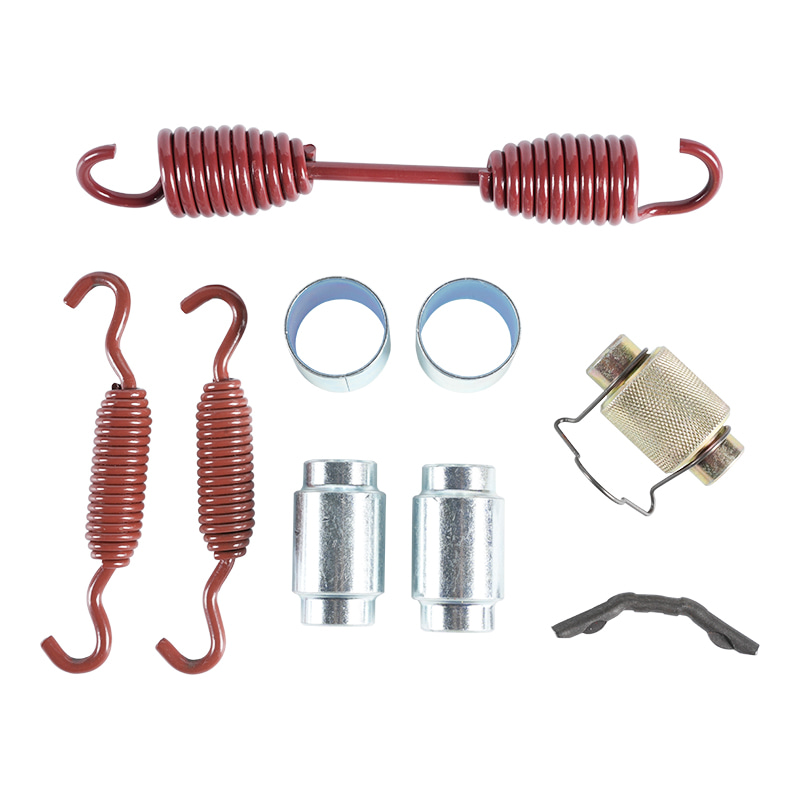
- Replacement brake shoe kits matched to your axle size
- Lug wrench and jack rated for trailer weight
- Brake spring pliers and a magnet retrieval tool
- Wire brush and brake cleaner spray
- High-temperature wheel bearing grease
Replacement Process
Begin by chocking the wheels that will remain on the ground, then jack up the trailer and remove the wheel and drum to expose the brake assembly. Take a photo of the spring and hardware layout before removing anything, since this makes reassembly far easier. Use brake spring pliers to unhook the return springs and hold-down springs, then lift the old brake shoe away from the backing plate and disconnect the actuator arm and electromagnet wiring.
Clean the backing plate and inspect the electromagnet, actuator arm, and adjuster mechanism for wear or corrosion before installing the new trailer brake shoe. Mount the new shoe in the reverse order of removal, reconnect the springs, and manually adjust the star wheel adjuster until the drum spins freely with slight resistance. Repack or replace the wheel bearings while the drum is off, then reinstall the drum, wheel, and lug nuts to the manufacturer's torque specification.
Maintenance Tips to Extend Brake Shoe Life
Regular maintenance keeps a trailer brake shoe performing at its best and helps you catch problems before they become safety hazards. A little attention before and after each towing season goes a long way.
- Inspect brake shoes and drums at least once a year or every 12,000 miles
- Flush and check the axle bearings whenever brakes are serviced
- Adjust the brake controller gain to match trailer weight for each trip
- Store trailers in dry conditions to prevent rust on the shoe and drum surfaces
- Test trailer brakes independently of the tow vehicle before long trips
Following a consistent maintenance schedule not only extends the life of your trailer brake shoe but also protects the more expensive drum and hub components from premature wear.
When to Replace Both Shoes and When One Is Enough
Brake professionals generally recommend replacing both brake shoes on a wheel together, even if only one shows heavy wear, because mismatched friction material can cause uneven braking pressure on that wheel. For consistent stopping performance, it is also wise to replace brake shoes on both wheels of the same axle at the same time, since one side wearing faster than the other can point to a stuck actuator or bearing issue that should be resolved during the repair.

 Home
Home +86-158-6900-2386 / +86-0571-61075636
 zjlrqp@163.com
 No. 518, Nanhu Road, Tianzihu Town, Anji County, Zhejiang Province, China
Copyright © Zhejiang Langrun Auto Parts Co., Ltd. All rights reserved. Heavy-Duty Brake Shoe Manufacturer in China

