


 Eng
Eng 
 中文简体
中文简体

Heavy Duty Truck Brake Shoe: What Fleet Managers Need to Know
 2026.08.04
 Industry News
Stopping a fully loaded commercial truck safely and consistently is one of the most demanding jobs any vehicle component can perform, and the heavy duty truck brake shoe sits at the center of that responsibility. As a core part of the drum brake system used on most semi-trucks, trailers, and heavy commercial vehicles, brake shoes absorb enormous friction and heat every time the driver presses the brake pedal, often while carrying tens of thousands of pounds of cargo. Because brake failure at this scale carries serious safety consequences, understanding how brake shoes work, what causes them to wear, and how to select and maintain them properly is essential knowledge for fleet managers, mechanics, and owner-operators alike. This article breaks down the fundamentals of heavy duty truck brake shoes and offers practical guidance for keeping them performing reliably.
Content
- 1 How a Heavy Duty Truck Brake Shoe Works Within the Drum Brake System
- 2 Key Components That Make Up a Brake Shoe Assembly
- 3 Types of Friction Lining Materials Used in Truck Brake Shoes
- 4 Signs a Heavy Duty Truck Brake Shoe Needs Replacement
- 5 Choosing the Right Brake Shoe for Your Fleet's Needs
- 6 Proper Installation Practices for Long-Lasting Performance
- 7 Routine Maintenance to Extend Brake Shoe Service Life
How a Heavy Duty Truck Brake Shoe Works Within the Drum Brake System
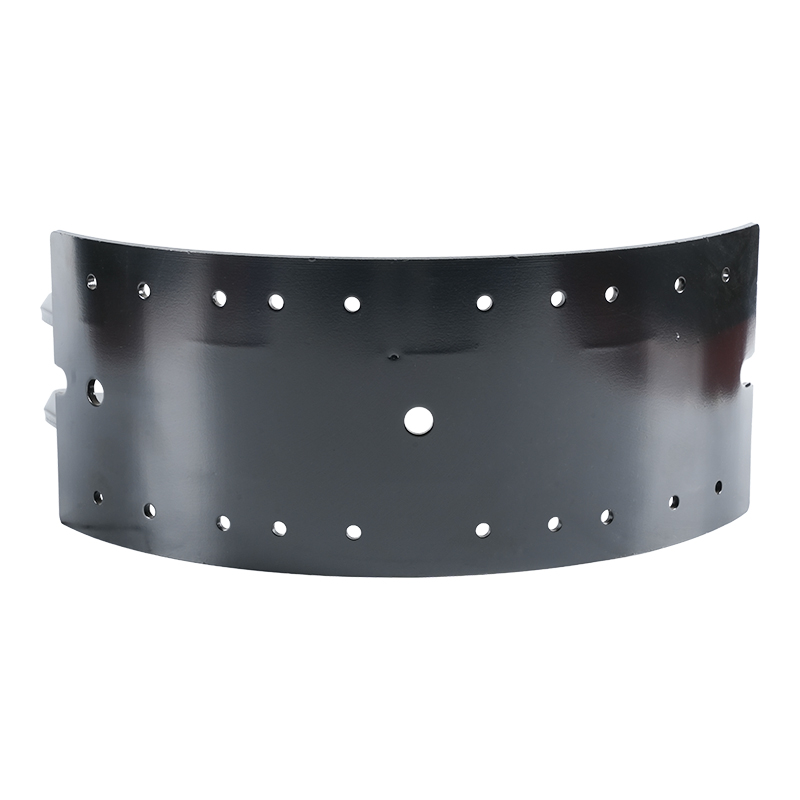
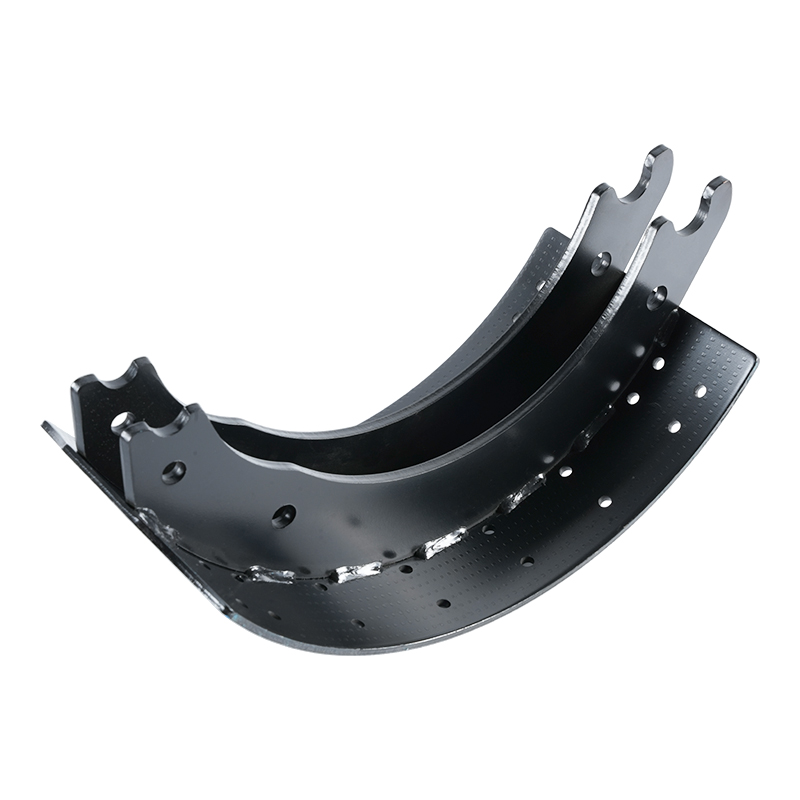
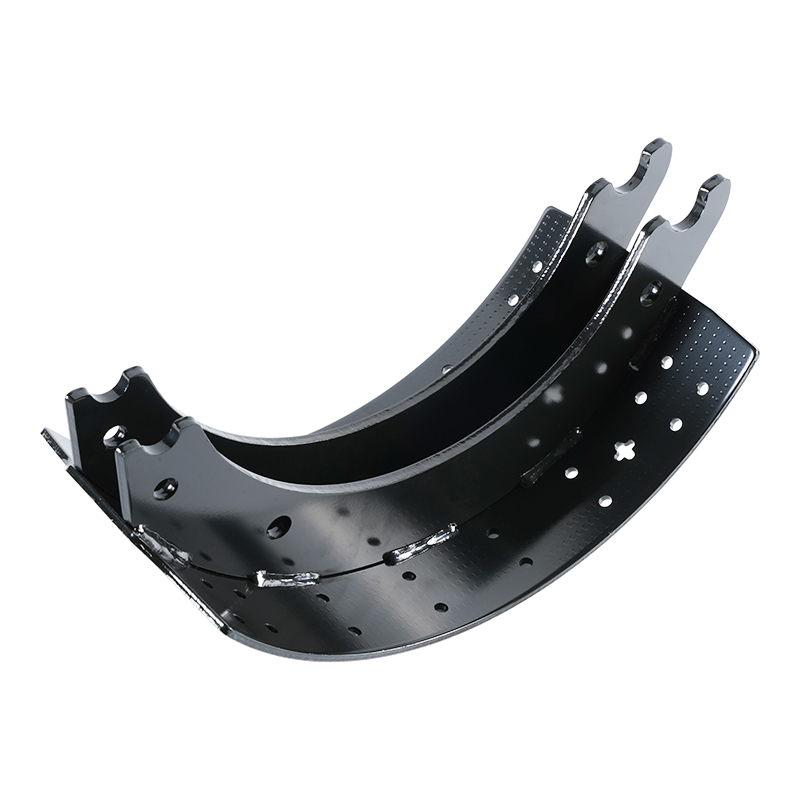
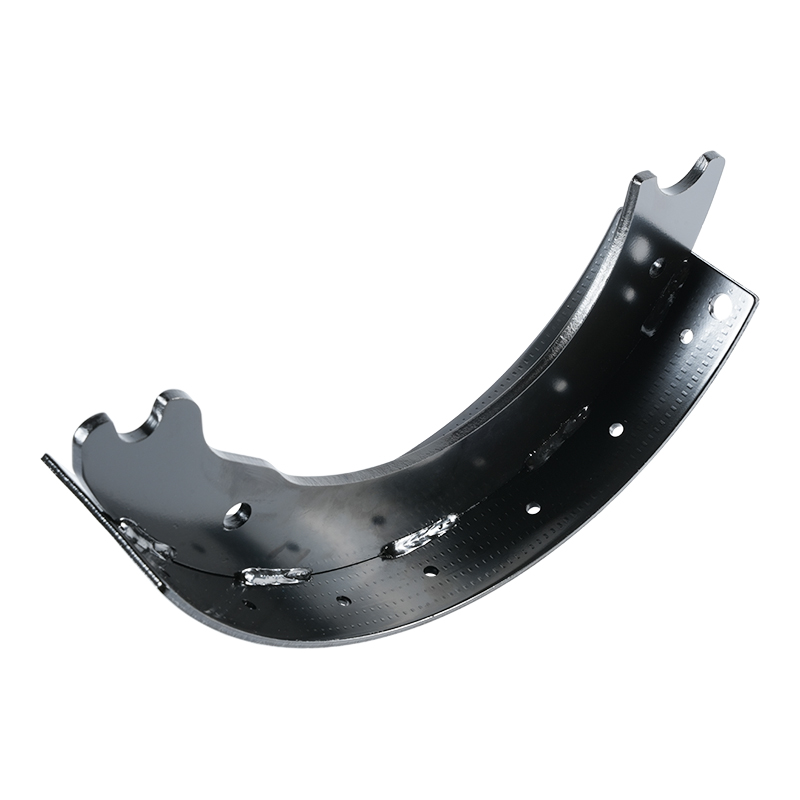
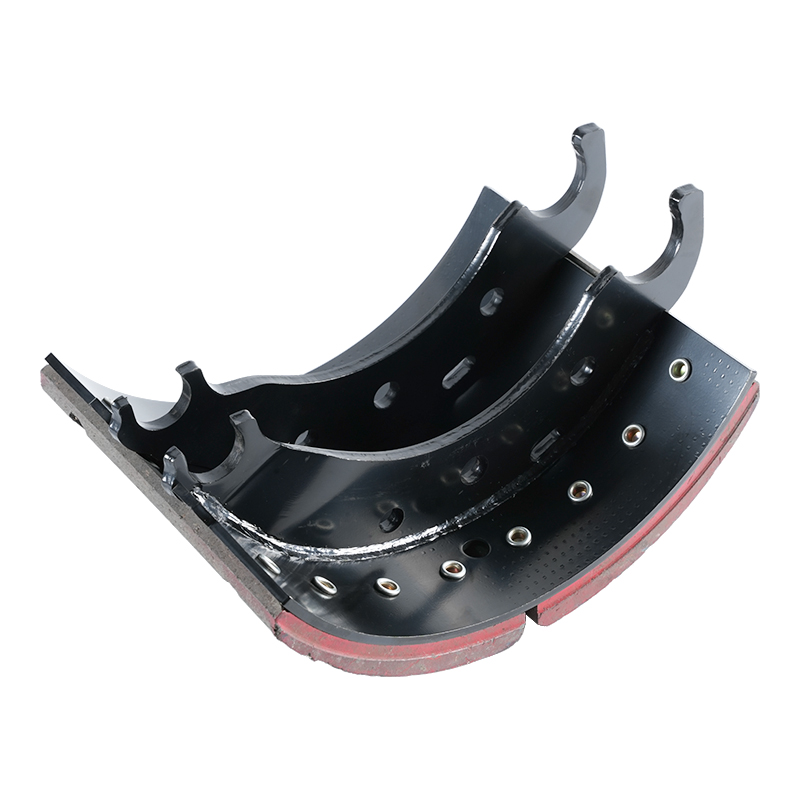
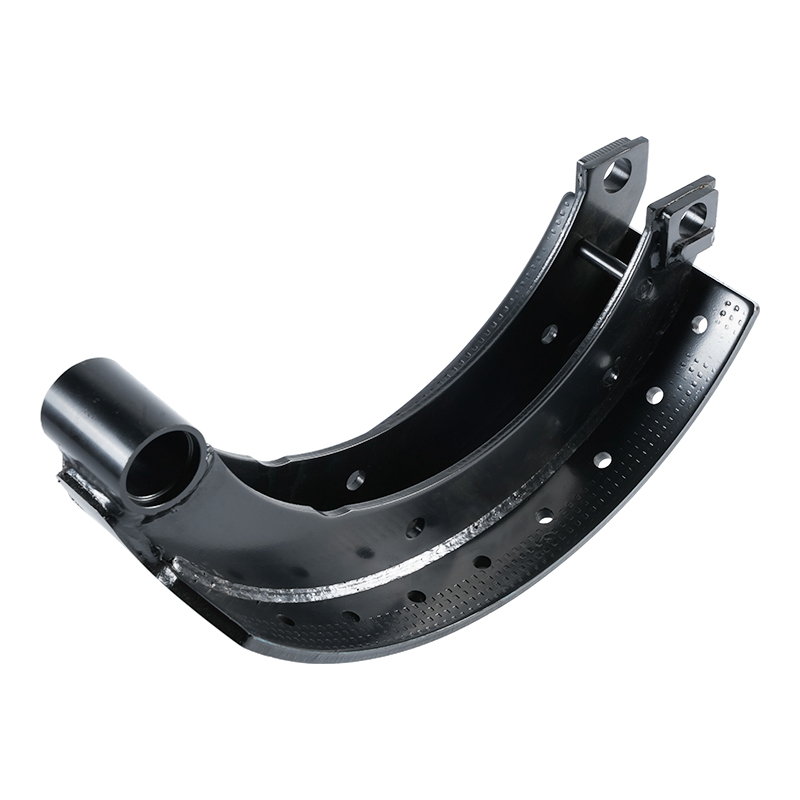
A heavy duty truck brake shoe is a curved metal component lined with friction material, designed to press outward against the inside surface of a rotating brake drum when the brakes are applied. As air pressure or hydraulic force activates the brake system, the shoes are pushed against the drum's inner surface, creating friction that converts the truck's kinetic energy into heat, ultimately slowing or stopping the vehicle.
Most heavy duty trucks use an S-cam drum brake system, where an air-actuated slack adjuster rotates a camshaft, forcing the brake shoes outward against the drum. This design has remained popular in commercial trucking due to its durability, relatively straightforward maintenance, and strong performance under the extreme heat and load conditions typical of heavy freight hauling, even as many passenger vehicles have shifted toward disc brake systems.
Key Components That Make Up a Brake Shoe Assembly
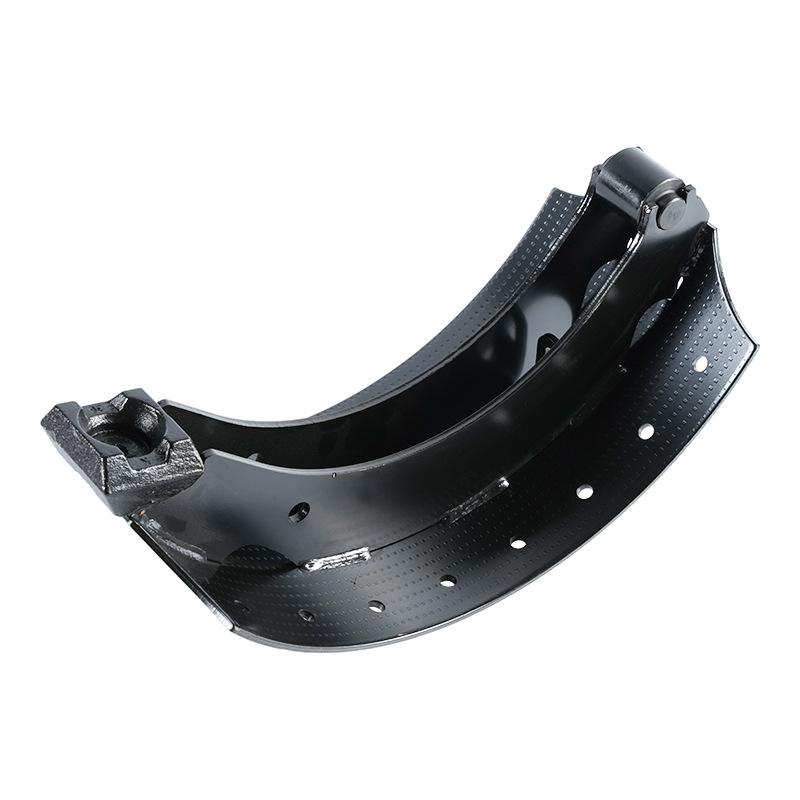
Understanding the individual components of a heavy duty truck brake shoe assembly helps clarify what's actually being inspected and replaced during routine brake maintenance.
- Shoe table — the curved steel platform that provides structural support for the friction lining
- Friction lining — the replaceable material bonded or riveted to the shoe table that makes direct contact with the brake drum
- Web — the vertical support structure that connects the shoe to the brake mechanism and helps maintain shoe shape under load
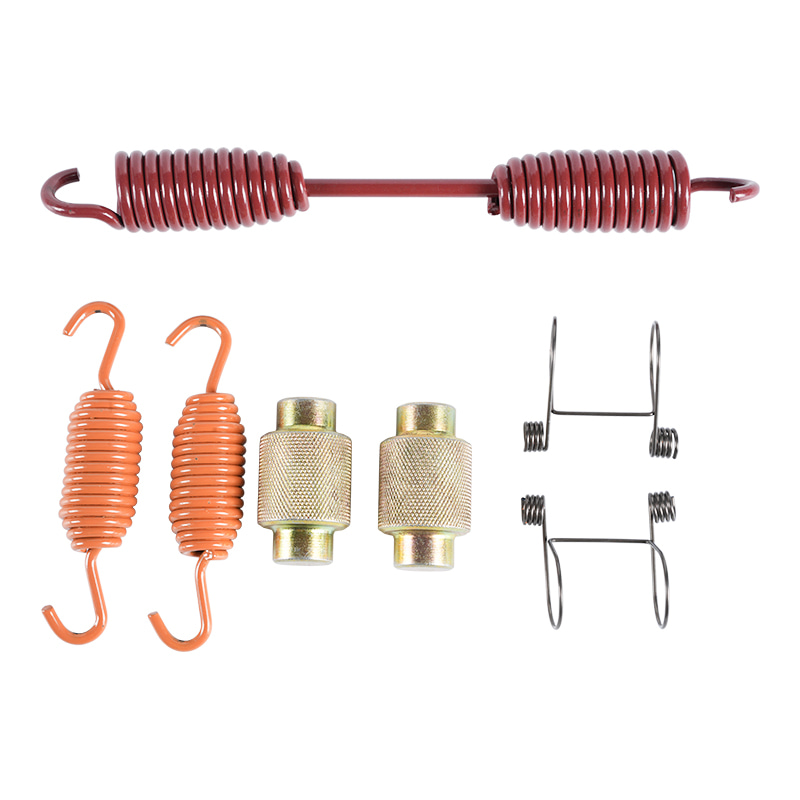
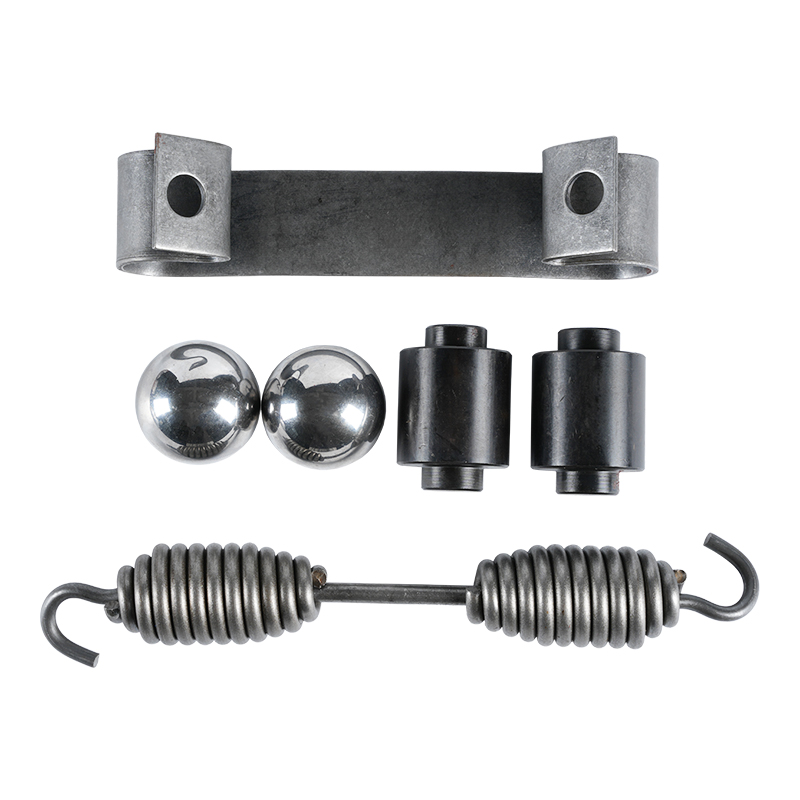
- Return springs — pull the shoes back away from the drum once braking pressure is released
- Anchor pin — secures the base of the shoe assembly and provides a pivot point during brake application
Types of Friction Lining Materials Used in Truck Brake Shoes
The friction material bonded to a heavy duty truck brake shoe plays a major role in braking performance, heat tolerance, and overall service life. Different lining formulations offer distinct tradeoffs suited to different applications.
Non-Asbestos Organic (NAO) Linings
These linings use a blend of fibers, fillers, and resins to create a friction material that offers relatively quiet operation and lower dust production compared to some alternatives, though they may wear faster under extremely high heat conditions typical of steep grade descents or frequent heavy braking.
Semi-Metallic Linings
Incorporating metal fibers into the friction material, semi-metallic linings generally offer improved heat dissipation and stronger performance under heavy, repeated braking, making them a common choice for line-haul trucking and applications involving frequent mountainous terrain.
Ceramic-Based Linings
Ceramic friction formulations tend to offer excellent heat resistance and consistent friction performance across a wide temperature range, though they typically come at a higher price point than standard organic or semi-metallic options.
Signs a Heavy Duty Truck Brake Shoe Needs Replacement
Because worn brake shoes directly compromise stopping ability, recognizing the warning signs of wear is critical for both safety and regulatory compliance in commercial trucking operations.
| Warning Sign | What It Typically Indicates |
| Reduced braking power or longer stopping distance | Worn friction lining with insufficient material remaining |
| Grinding or metal-on-metal noise during braking | Friction lining fully worn through to the shoe table |
| Uneven or pulling braking to one side | Uneven shoe wear or a sticking brake mechanism |
| Excessive brake dust or discoloration on the drum | Overheating or accelerated lining wear |
| Vibration or pulsation during braking | Uneven drum wear or damaged shoe lining surface |
Choosing the Right Brake Shoe for Your Fleet's Needs
Selecting the appropriate heavy duty truck brake shoe involves more than matching part numbers to a vehicle model. Fleet managers and mechanics should weigh several operational factors to ensure the chosen brake shoe performs reliably under the specific demands of their routes and cargo.
- Typical load weight and how consistently the vehicle operates near maximum gross weight
- Route terrain, particularly the frequency of steep grades or mountainous driving that increases heat buildup
- Driving conditions such as frequent stop-and-go city routes versus long-haul highway driving
- Compliance with DOT and FMVSS friction material standards applicable to commercial vehicles
- Compatibility with existing drum size and S-cam brake configuration on the vehicle
Proper Installation Practices for Long-Lasting Performance
Even a high-quality heavy duty truck brake shoe can underperform or wear prematurely if installed incorrectly. Ensuring the brake drum surface is free of scoring, glazing, or excessive wear before installing new shoes is an important first step, since a damaged drum surface can cause uneven contact and accelerated wear on fresh friction lining.
Proper adjustment of the slack adjuster and S-cam mechanism after installation is equally critical, as improper adjustment can lead to uneven shoe engagement, reduced braking efficiency, or premature wear concentrated on one section of the lining. Additionally, replacing brake shoes in axle sets rather than individually helps maintain balanced braking performance across the vehicle, reducing the risk of pulling or uneven stopping force during hard braking events.
Routine Maintenance to Extend Brake Shoe Service Life
Regular inspection and maintenance play a significant role in maximizing the service life of heavy duty truck brake shoes while maintaining consistent, safe braking performance. Periodic brake inspections should include checking lining thickness against manufacturer minimum specifications, along with a visual check for cracking, glazing, or uneven wear patterns across the friction surface.
Lubricating S-cam bushings, slack adjuster pivot points, and other moving components according to the manufacturer's recommended service interval helps ensure smooth, consistent shoe engagement and reduces mechanical drag that can accelerate wear. Fleet operators should also track brake shoe replacement intervals across their vehicles, since consistent record-keeping helps identify vehicles or routes experiencing unusually rapid wear, which may point to underlying issues such as improper adjustment, driver braking habits, or route-specific conditions that warrant further investigation.

 Home
Home +86-158-6900-2386 / +86-0571-61075636
 zjlrqp@163.com
 No. 518, Nanhu Road, Tianzihu Town, Anji County, Zhejiang Province, China
Copyright © Zhejiang Langrun Auto Parts Co., Ltd. All rights reserved. Heavy-Duty Brake Shoe Manufacturer in China

