


 Eng
Eng 
 中文简体
中文简体
 Home / News / Industry News / USA EU Brake Shoe Assembly: How to Match the Right Standard to Your Vehicle
 USA EU Brake Shoe Assembly: How to Match the Right Standard to Your Vehicle
 2026.07.31
 Industry News
Content
- 1 Why USA and EU Brake Shoe Assemblies Aren't Always Interchangeable
- 2 Key Differences Between USA and EU Brake Shoe Standards
- 3 Comparing USA and EU Brake Shoe Assembly Specifications
- 4 How to Confirm You're Ordering the Right Assembly
- 5 Installation Considerations for Cross-Standard Vehicles
- 6 Sourcing Reliable Brake Shoe Assemblies for Either Standard
Why USA and EU Brake Shoe Assemblies Aren't Always Interchangeable
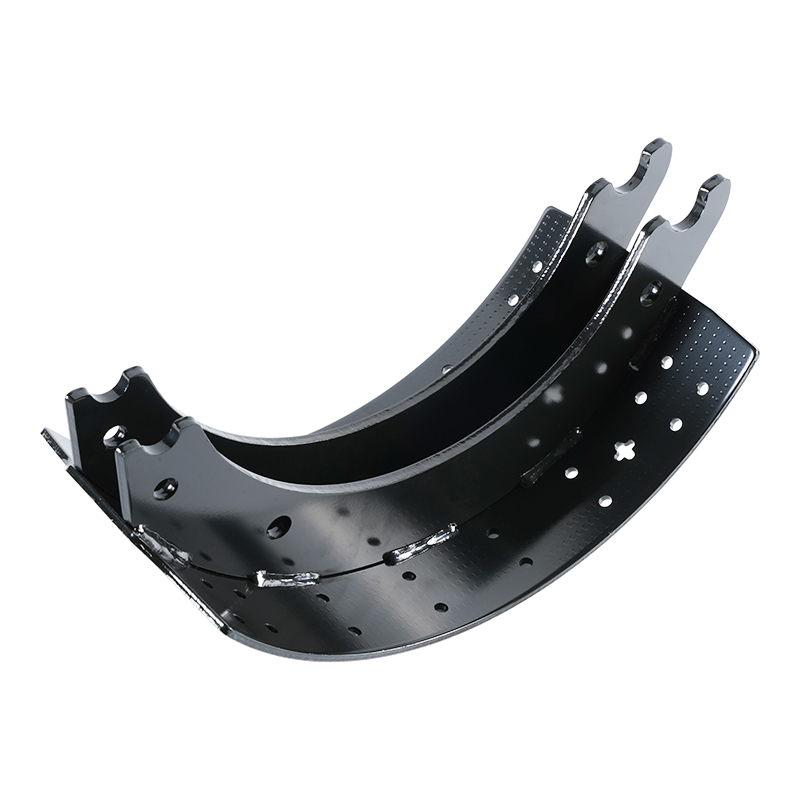
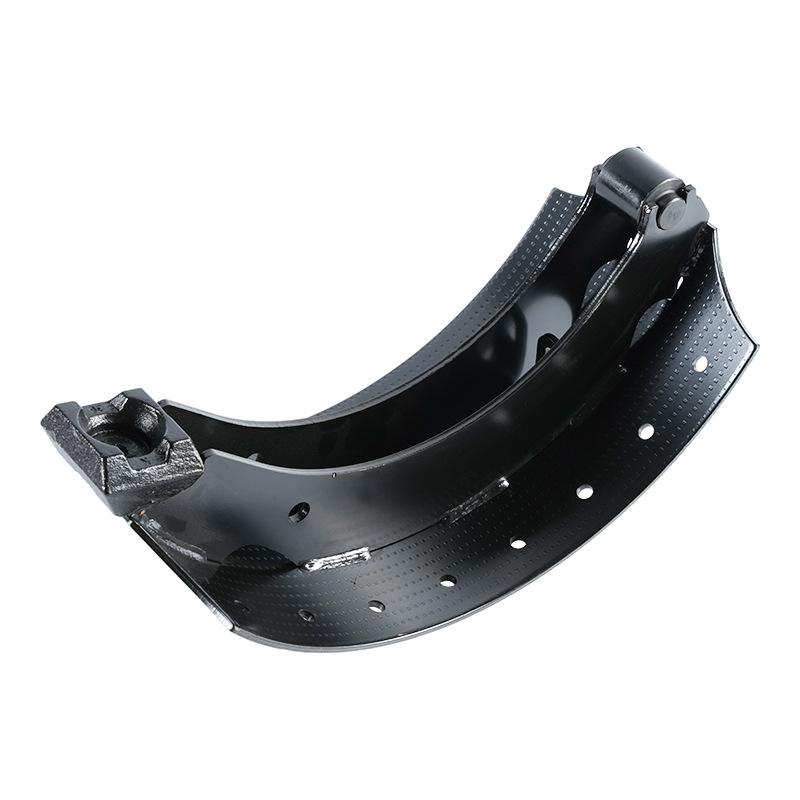
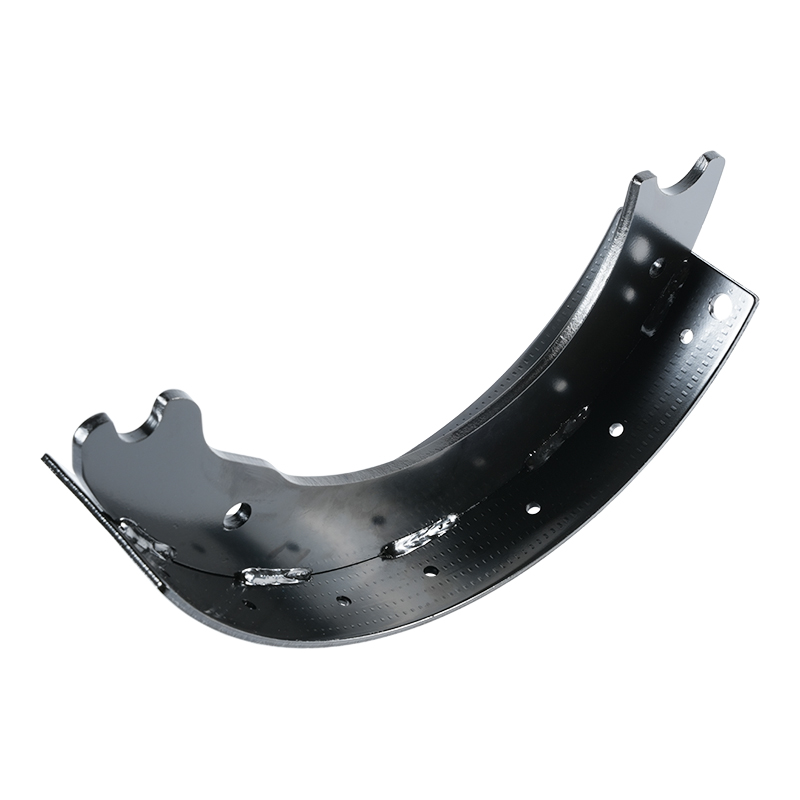
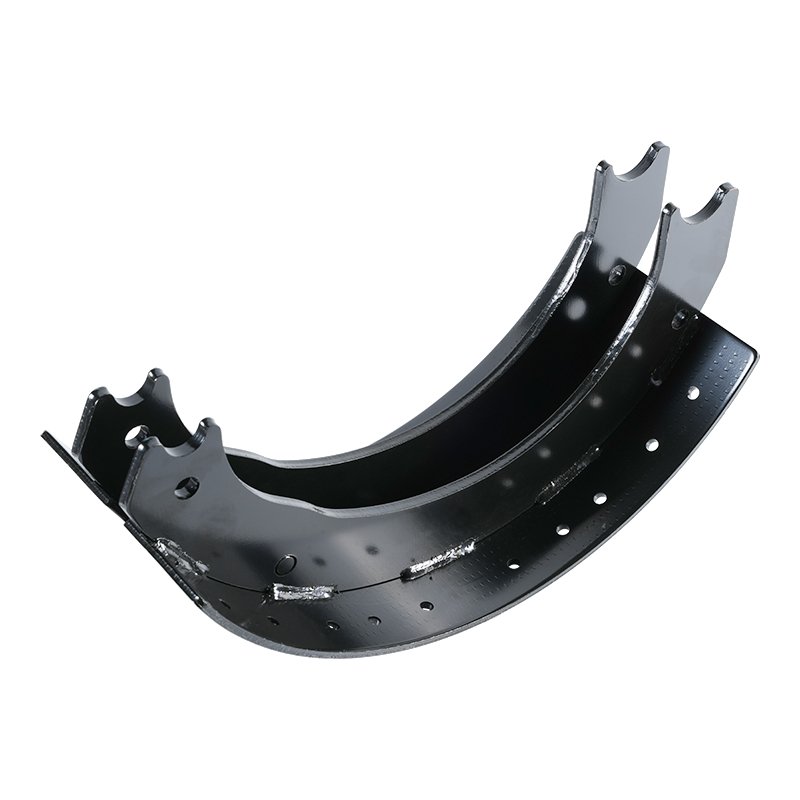
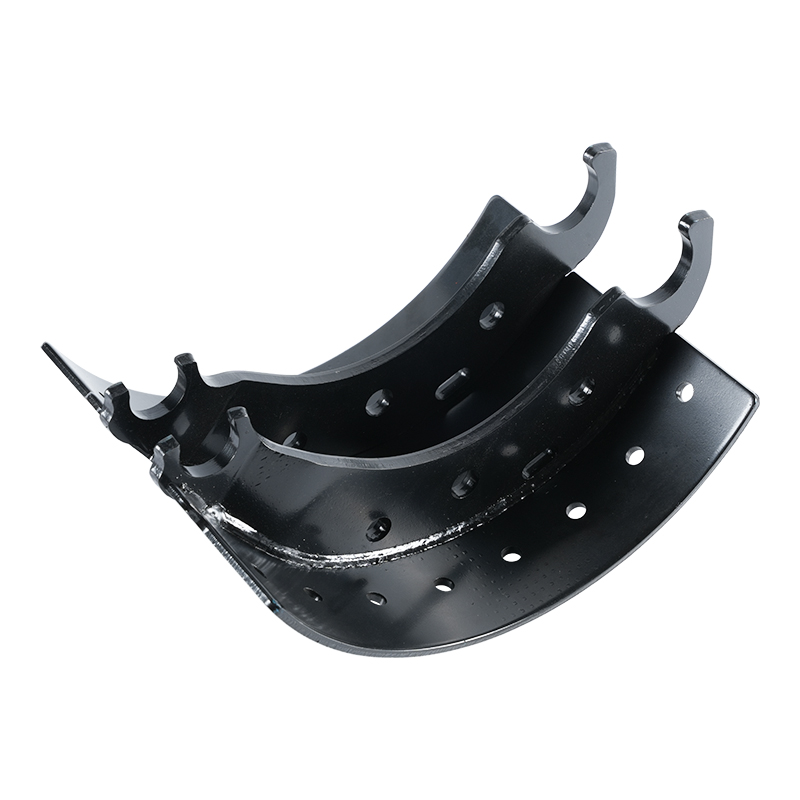
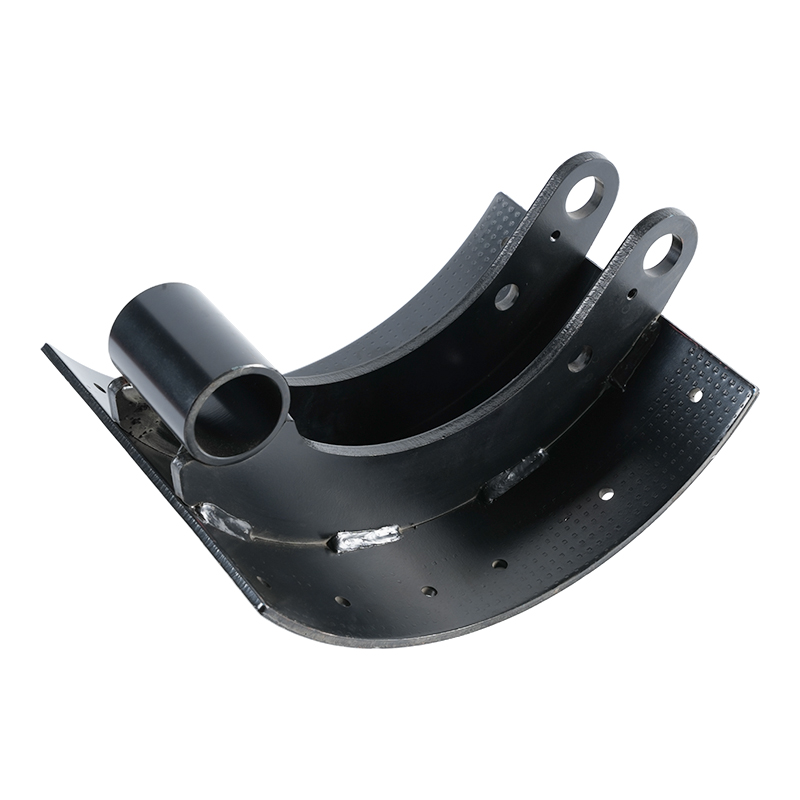
A brake shoe assembly is the complete drum brake component that includes the curved friction shoes, return springs, hold-down hardware, and sometimes the adjuster mechanism that work together to press against the inside of a brake drum and slow the wheel down. While the basic function is identical everywhere, USA and EU brake shoe assemblies are often built to different dimensional standards, friction material regulations, and hardware configurations, which means a shoe that looks nearly identical on the shelf may not actually bolt onto or perform correctly on a vehicle built for the other market.
This distinction matters most for fleet operators, importers, and repair shops working on vehicles that were manufactured for one region but are now operating in another, such as European trucks imported into the US, or American-spec vehicles serviced in Europe. Getting the wrong assembly can mean anything from a shoe that doesn't seat properly in the drum to one that technically fits but doesn't meet the braking performance regulations required in that region.
Key Differences Between USA and EU Brake Shoe Standards
The differences between these two regional standards go beyond simple measurements. Regulatory requirements, testing procedures, and even friction material composition can vary in ways that affect real-world braking performance.
Dimensional and Mounting Differences
Even when a brake shoe assembly appears to be a similar size, the exact width, arc length, and hardware mounting points can differ between USA and EU-spec parts. This affects how the shoe seats against the drum and how evenly it wears over time, since a mismatch in arc length can create uneven contact and accelerated wear on one section of the shoe.
Friction Material Regulations
The EU regulates brake friction materials under standards that restrict certain substances, including limits on copper content, which have tightened significantly in recent years. The USA has its own set of friction material regulations that, while addressing similar environmental and safety concerns, don't always align exactly with EU limits. This means a shoe compliant in one region may not meet the legal requirements in the other, even if it performs similarly on paper.
Testing and Certification Requirements
EU brake components often require ECE type approval testing, which involves specific performance benchmarks under regulated conditions. US brake shoes are typically tested against FMVSS standards, which use different testing protocols and performance thresholds. A part certified under one system isn't automatically certified under the other, which matters for anyone needing documented compliance for fleet or commercial vehicle use.
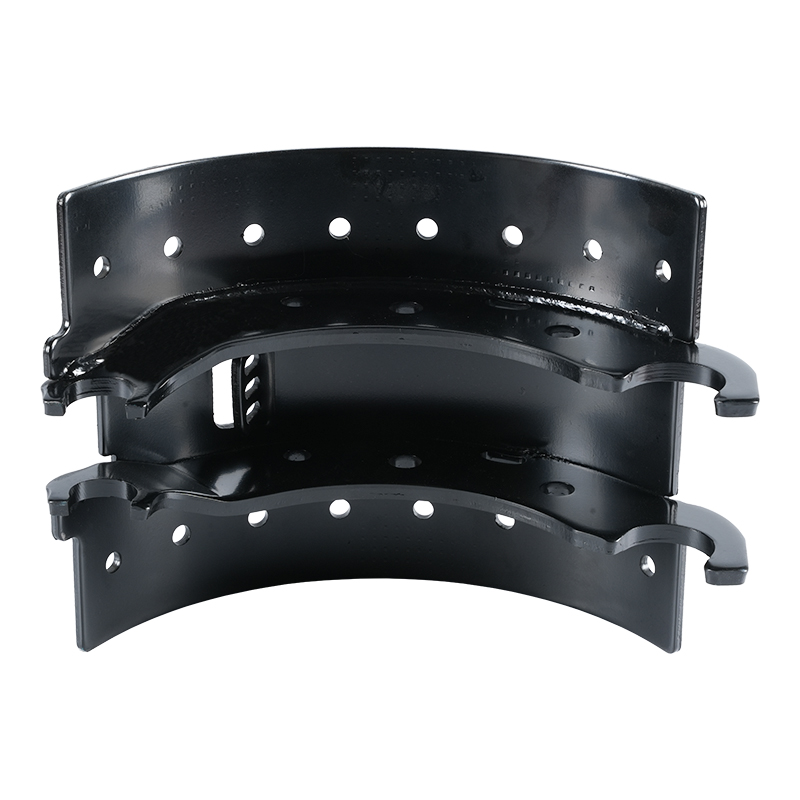
Comparing USA and EU Brake Shoe Assembly Specifications
Here's a general side-by-side comparison of how these two standards typically differ, though exact specs always depend on the specific vehicle make and model.
| Specification Area | USA Standard | EU Standard |
| Regulatory Body | FMVSS (NHTSA) | ECE Type Approval |
| Friction Material Limits | Copper and asbestos restrictions vary by state | Stricter copper content limits under EU regulation |
| Mounting Hardware Configuration | Often uses different spring and clip designs | May use different hold-down and adjuster styles |
| Common Measurement System | Imperial (inches) | Metric (millimeters) |
How to Confirm You're Ordering the Right Assembly
Given how easy it is to end up with the wrong regional spec, especially when ordering online from international suppliers, a few verification steps can save a lot of frustration and wasted shipping costs.
- Check your vehicle's original manufacturing region and confirm whether it was built to USA or EU brake system specifications from the factory.
- Match the part number against both regional catalogs rather than assuming a universal or generic listing applies to your vehicle.
- Measure the existing brake shoe's width, arc length, and hardware mounting points before ordering a replacement, especially on imported or converted vehicles.
- Ask the supplier directly which regulatory standard the assembly is certified under if the listing doesn't clearly state USA or EU compliance.
- Keep documentation of the correct spec on file for fleet vehicles, so future replacements don't require re-verifying the same details repeatedly.
Taking these steps before ordering is especially important for imported vehicles or mixed fleets, where it's easy to assume all units use the same brake components when they actually don't.
Installation Considerations for Cross-Standard Vehicles
For vehicles that have been imported or converted between regions, installation sometimes requires extra attention beyond simply bolting in a new assembly. If a drum was manufactured to one regional spec but the replacement shoe assembly follows the other standard, even a close dimensional match can result in uneven shoe-to-drum contact that affects braking performance and accelerates wear. It's worth test-fitting the assembly and checking contact patterns before finalizing installation, especially on commercial vehicles where consistent braking performance is critical for safety and regulatory compliance.
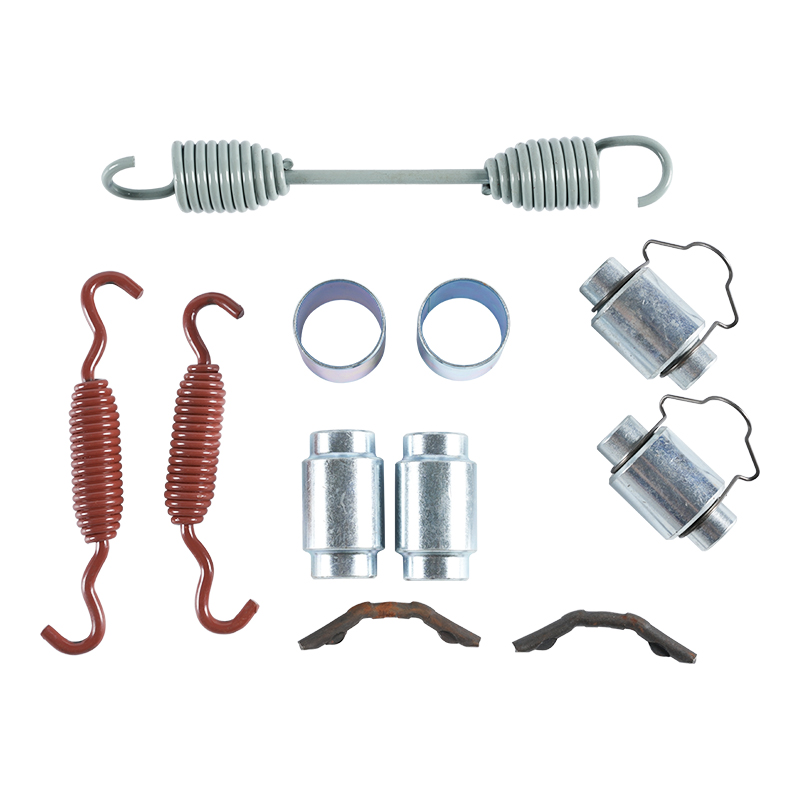
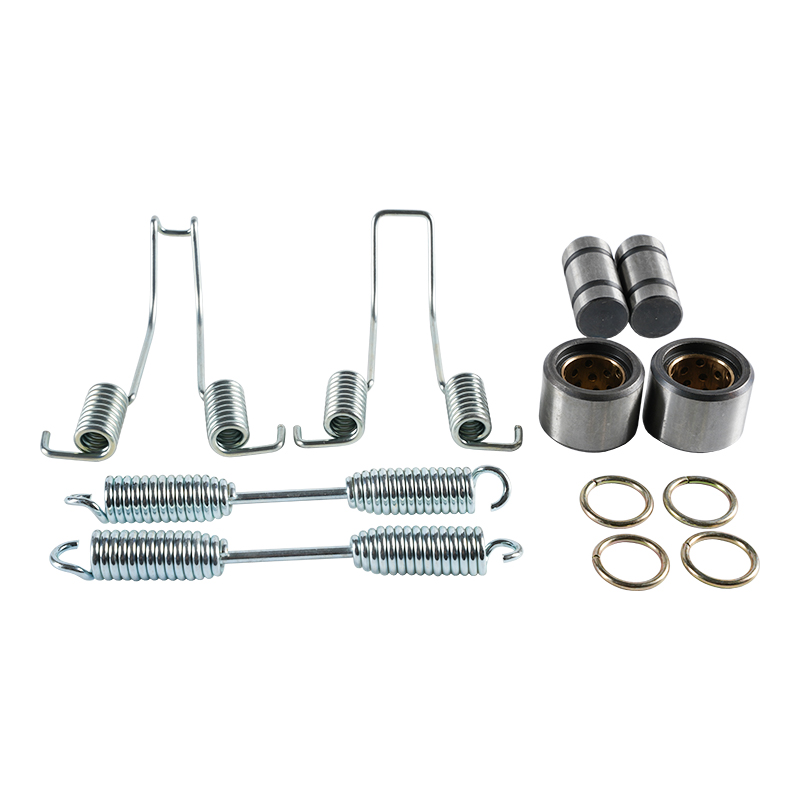
Additionally, hardware kits including springs, hold-down pins, and adjusters should be replaced as a complete set matching the same regional standard as the shoes themselves, since mixing hardware from different specs can affect how evenly the shoe presses against the drum during braking.
Sourcing Reliable Brake Shoe Assemblies for Either Standard
Finding a supplier who clearly labels parts according to regional specification saves significant time compared to guessing from vague product descriptions. Look for suppliers who list ECE or FMVSS certification numbers directly on the product page, and who provide detailed measurement specs rather than just a vehicle make and model match. For fleet operators managing vehicles across both standards, working with a supplier who stocks both USA and EU brake shoe assembly options under one account can simplify ordering and reduce the risk of mismatched parts being installed by mistake during routine maintenance.

 Home
Home +86-158-6900-2386 / +86-0571-61075636
 zjlrqp@163.com
 No. 518, Nanhu Road, Tianzihu Town, Anji County, Zhejiang Province, China
Copyright © Zhejiang Langrun Auto Parts Co., Ltd. All rights reserved. Heavy-Duty Brake Shoe Manufacturer in China

