


 Eng

 中文简体

 Home / News / Industry News / Heavy-Duty Brake Shoes: A Practical Guide for Truck and Trailer Fleets
Heavy-Duty Brake Shoes: A Practical Guide for Truck and Trailer Fleets
 2026.10.19
 Industry News
Heavy-duty brake shoes do a simple job in a hard place: they press friction lining against a rotating drum and turn motion into heat. On a loaded tractor-trailer or a vocational truck, that heat can be enormous. A brake shoe that is poorly matched to the axle, drum, or duty cycle will show it quickly—through uneven wear, noise, or longer stopping distances.
At Zhejiang Langrun Auto Parts, we have focused on stamped and welded heavy-duty brake shoes since 2010. Our work centers on heavy trucks, semi-trailers, and engineering vehicles, with American and European patterns, brake shoe assemblies, and repair kits. That experience shapes the way we look at shoe selection: fit first, friction second, and maintenance from day one.
Content
What Heavy-Duty Brake Shoes Do
In a drum brake, the brake shoe is the moving half of the pair. When air pressure or hydraulic force pushes the shoe outward, the lining contacts the inside of the drum. The friction slows the wheel and creates heat. The drum, shoe, lining, return springs, cam, and adjuster all have to work as a system.
Heavy-duty service raises the stakes. A commercial vehicle may carry many times its own weight, run loaded for long distances, and brake repeatedly in traffic or on descents. The shoe web and platform must stay rigid, the lining must resist fade, and the attachment between lining and shoe must remain secure. For a closer look at why this part matters so much, see our article on the foundation of commercial vehicle stopping power.
Riveted, Bonded, and Lining Choices
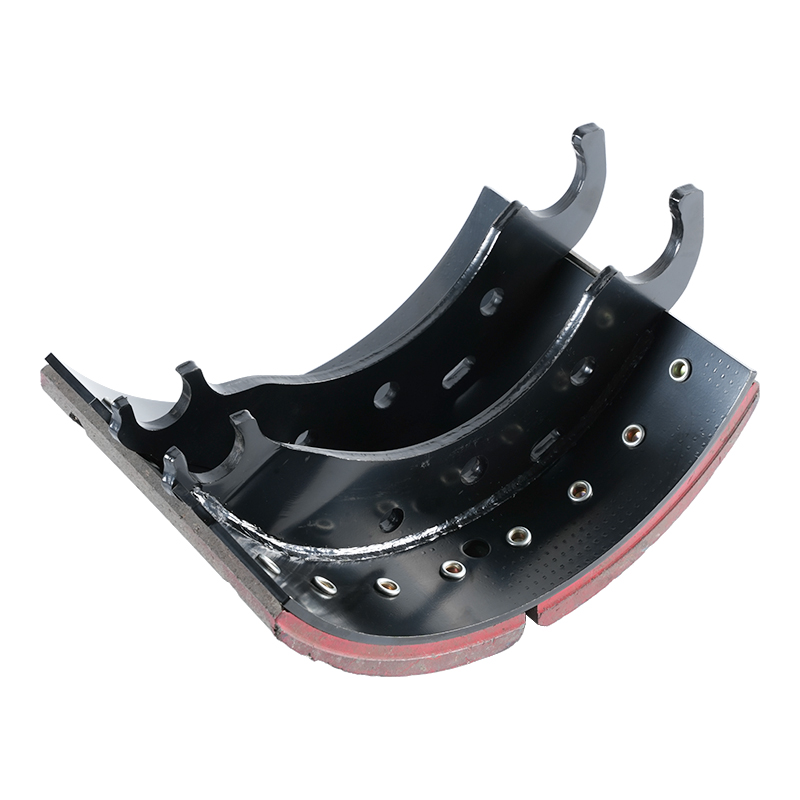
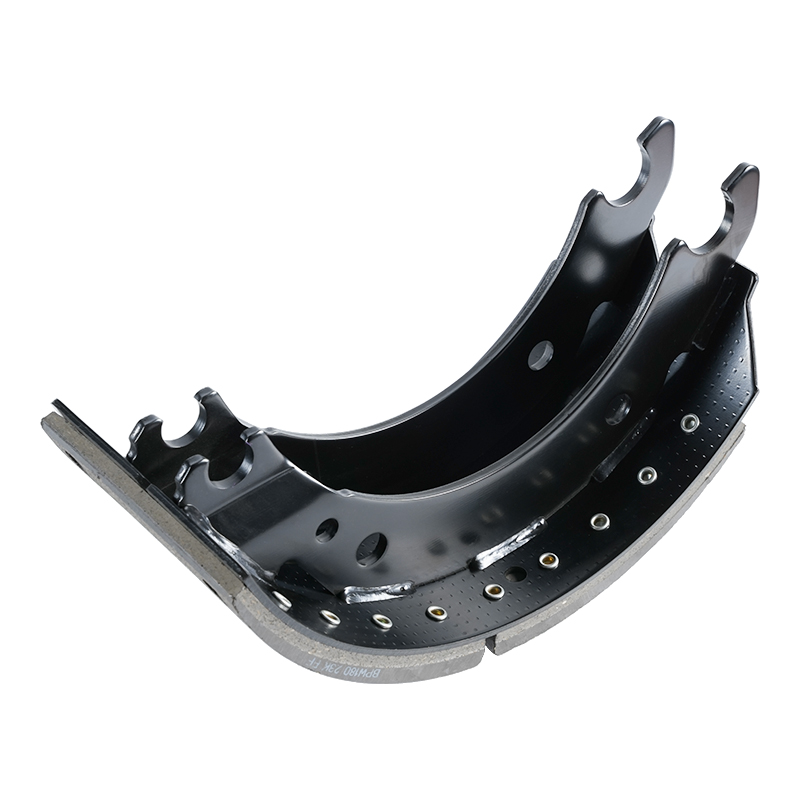
Heavy-duty brake shoes commonly use two lining attachment methods: riveted and bonded. Riveted shoes hold the lining with rivets. They are familiar in many maintenance shops and can be inspected for rivet tightness. Bonded shoes use an adhesive bond and often allow more lining thickness because there are no rivet heads near the friction surface. Either method can perform well when the lining, bond, and shoe are made to the same specification.
Friction material matters just as much. Asbestos-free linings are now standard for good reasons. The formulation—often semi-metallic or another heavy-duty compound—affects heat resistance, wear rate, noise, and drum compatibility. A lining that works well in line-haul service may not be the best choice for refuse, construction, or repeated stop-start work. The right answer comes from the axle rating, drum condition, and duty cycle, not from a single “heavy-duty” label.
American and European Fitment
Heavy-duty brake shoes are not interchangeable across every market. North American and European drum brake systems often differ in shoe dimensions, web shape, mounting hardware, cam design, and axle interface. A shoe that fits one common trailer axle may not fit another, even when both are described as heavy-duty. That is why a model number, axle family, and drum measurement are more useful than a photo alone.
Our catalog separates American-market patterns from European patterns for this reason. American-style shoes tend to serve heavy trucks and trailers built to North American conventions. European-style shoes are commonly used on semi-trailers and trucks built to European conventions. Within each group, there are further differences by axle platform and brake size. Checking the original shoe, drum diameter, lining width, and hardware layout is the safe way to confirm a match.
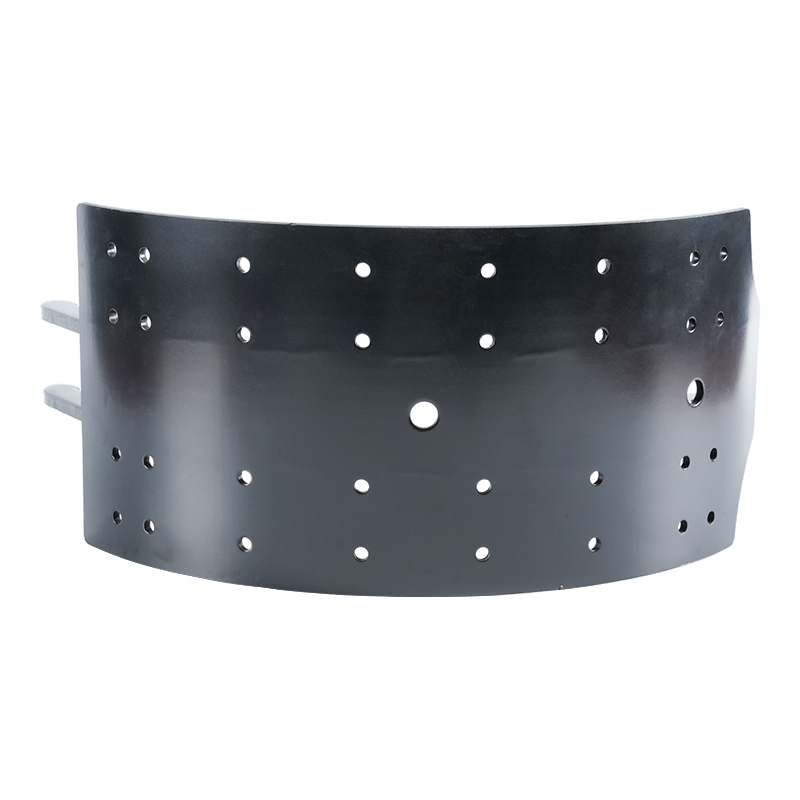 OEM 4515Q Heavy Truck American Brake ShoeAmerican-pattern OEM brake shoe for heavy truck applications, listed for customer inquiry with high-strength welding and stable dimensions.View Product →
Applications: Trucks, Trailers, and Vocational Vehicles
The same basic brake shoe design can serve very different vehicles. A long-haul tractor may spend most of its life at steady speed, while a trailer sees load changes and coupling forces. A vocational truck—such as a mixer, tipper, or refuse vehicle—may brake far more often and rarely run at highway speed. Each pattern puts different demands on the lining and the shoe.
For European semi-trailer and truck applications, our European patterns cover a range of common drum brake sizes. The goal is not to offer one shoe for every job, but to match the shoe to the axle and operating profile. A fleet that runs both American and European equipment should keep the two families separate in stores, even when the shoes look similar at a glance.
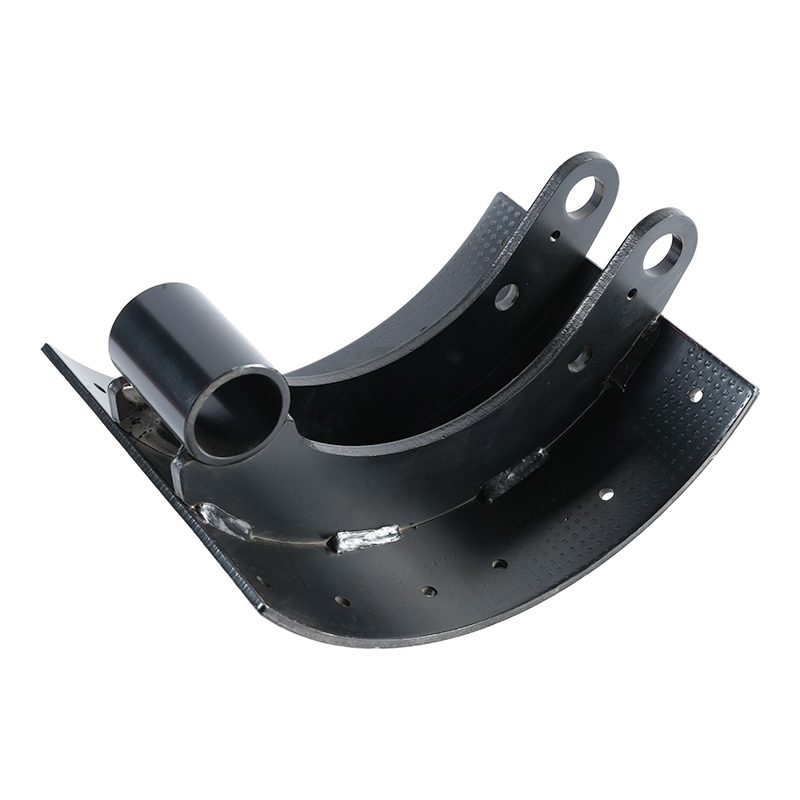
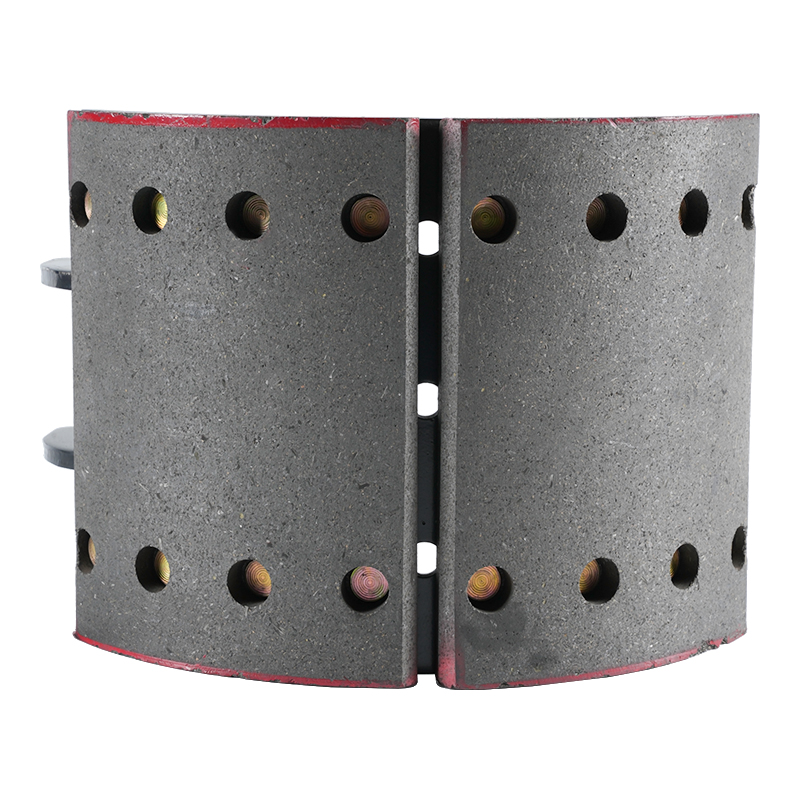 OEM BPW 300*200 European Brake ShoeEuropean-pattern brake shoe associated with BPW axles, suited to semi-trailer and truck applications with high-strength welding and stable dimensions.View Product →
Shoe, Assembly, or Repair Kit?
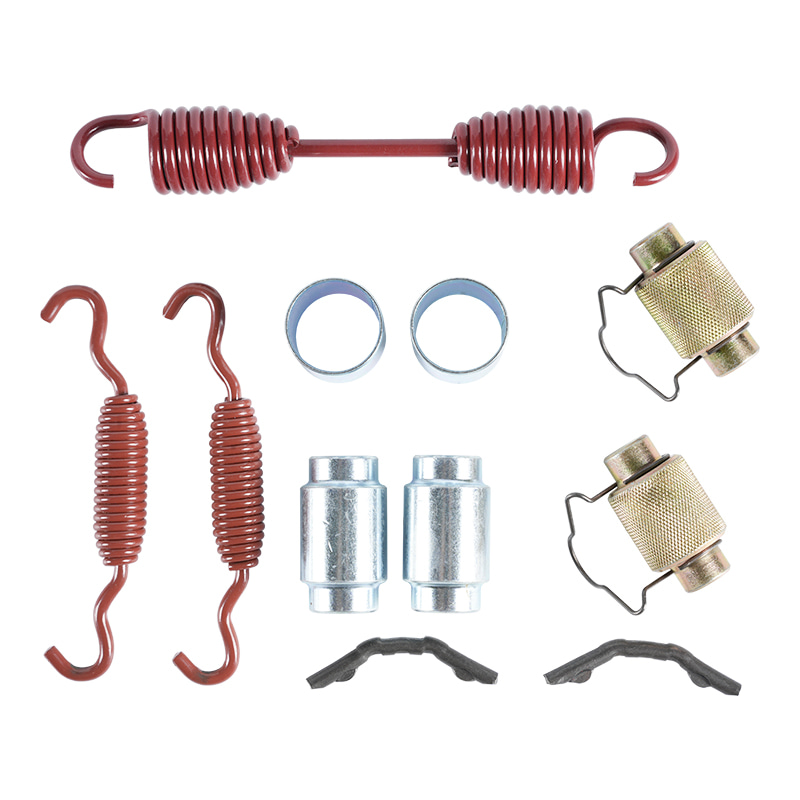
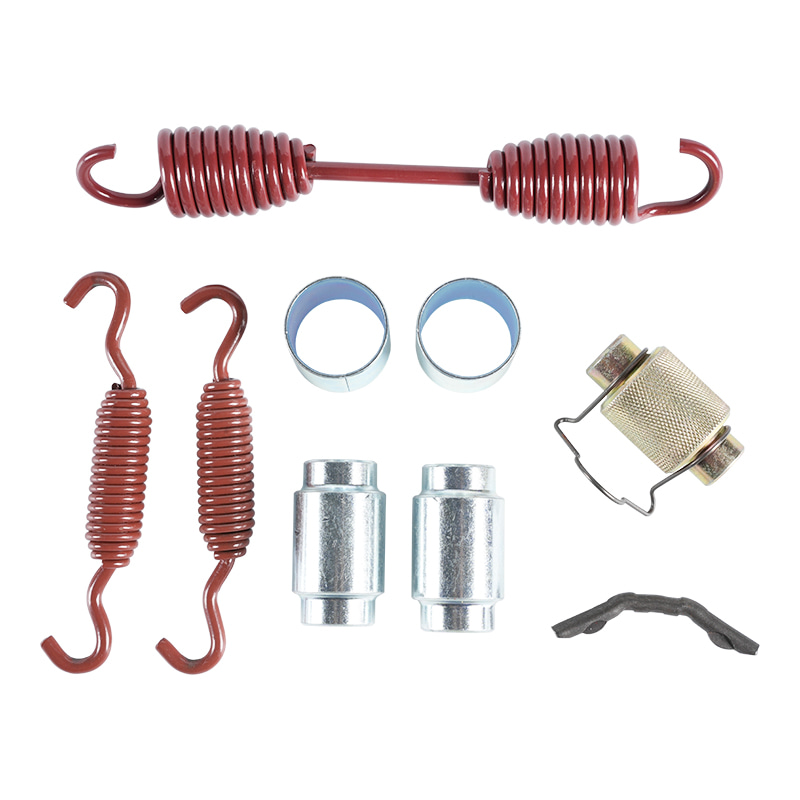
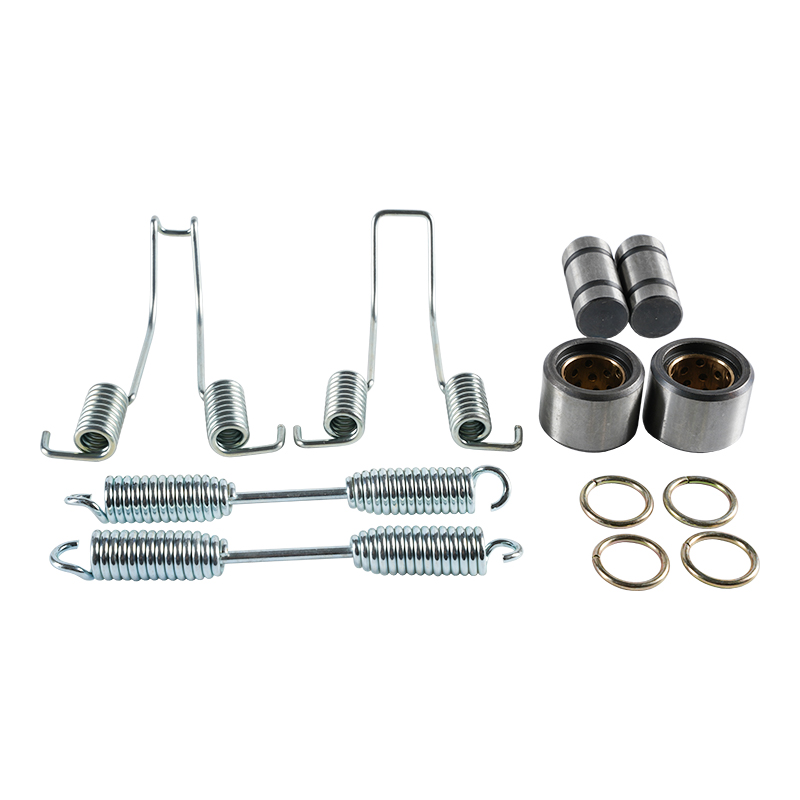
Once the correct brake shoe pattern is known, the next question is supply form. A bare brake shoe is useful when the old shoe is sound but the lining is worn, or when a workshop has the equipment and specification to fit new lining. A complete assembly saves labor because the lining, shoe, and related parts arrive matched. A repair kit goes further and groups the small parts that are often overlooked during a brake overhaul.
If you are building a stock list for a mixed fleet, the brake shoe range is a good place to compare patterns. The table below shows how the three supply forms usually differ in practice.
| Supply form | What you receive | Where it fits best |
|---|---|---|
| Brake shoe only | A bare shoe, or a shoe with lining, depending on the model | Planned maintenance where the workshop controls lining specification and fitting |
| Brake shoe assembly | A shoe with lining and the parts needed for a matched unit | Faster replacement and consistent fit on a known axle |
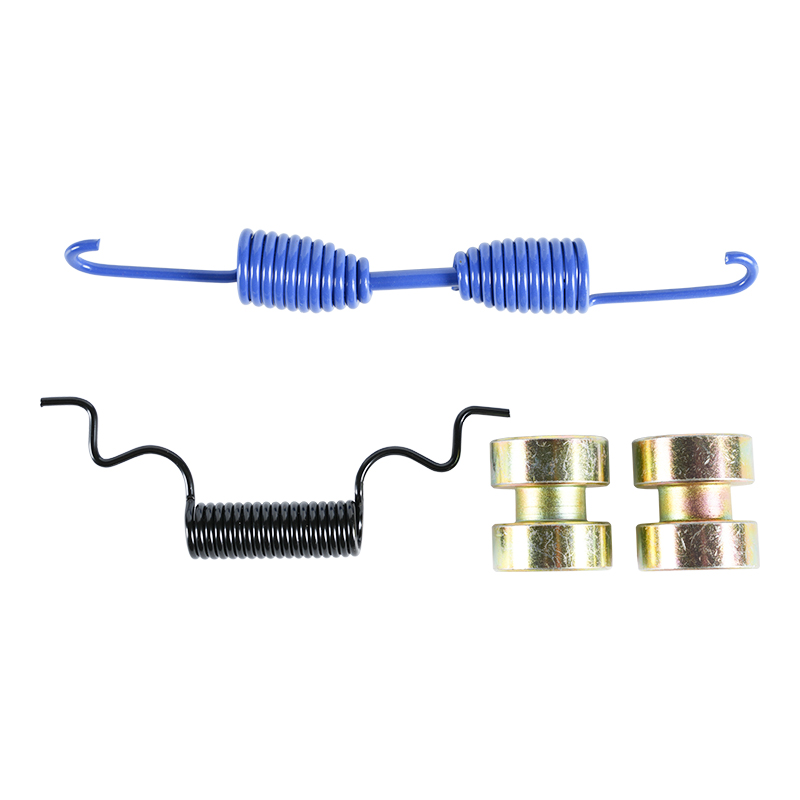
| Repair kit | Shoe-related components grouped for a brake service | Overhauls where springs, hardware, or small parts also need attention |
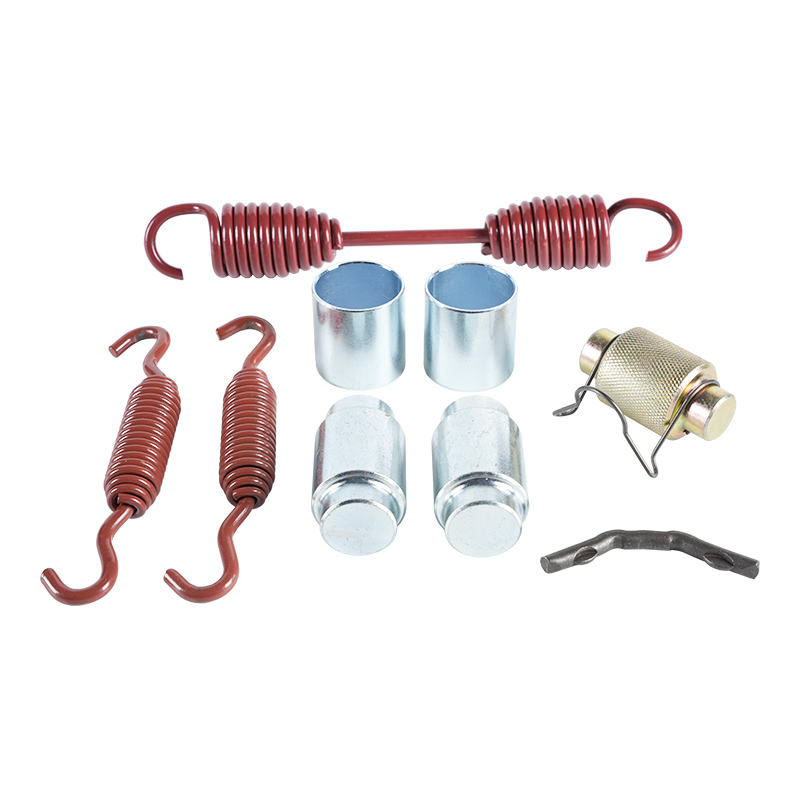 OEM 4707 American Brake Shoe Repair KitAmerican-pattern repair kit with linings, adjustment screws, springs, and positioning plates, compatible with brake systems associated with Meritor, BPW, Fuhua, and EATON.View Product →
Selection Checklist for Fleets
Before ordering, gather the facts that identify the brake rather than just the vehicle. A good brake shoe match usually depends on the following:
- Axle manufacturer, axle model, and brake size.
- Drum diameter, lining width, and shoe web shape.
- Original shoe part number and any supersession notes.
- Riveted or bonded lining attachment, if the original can be identified.
- Friction rating and duty cycle: line-haul, regional, construction, or refuse.
- Hardware condition: springs, rollers, cam, and adjuster.
- Regional standard: American-style or European-style brake system.
A photo helps, but measurements and part numbers prevent costly guesswork. When two shoes look alike, the difference is often in the web offset, lining width, or mounting details.
Wear Signs and Maintenance Habits
Wear signs to catch early
Inspect brake shoes during every drum-off service, not only when a driver reports a problem. Look for lining cracks, loose rivets, oil contamination, heat checking, and uneven wear from one end of the shoe to the other. A thin lining is obvious, but a shiny, glazed surface or a shoe that no longer contacts the drum evenly can also signal trouble. Drum scoring and loose hardware should be corrected before new shoes go on.
Maintenance habits that pay back
Keep the adjuster and cam working freely, use the specified hardware, and replace shoes in axle sets when the duty cycle calls for it. Mixing a new shoe with a badly worn drum or a weak return spring often leads to repeat work. For fleets, the real cost is not just the shoe—it is the downtime, the second inspection, and the risk of a roadside repair.
Quality and Supply
A heavy-duty brake shoe has to be more than a shape. The web weld, platform flatness, lining bond, and dimensional consistency all affect how the shoe sits and wears. Our production has grown around stamped and welded brake shoes for commercial vehicles, and our catalog covers American and European patterns, assemblies, and repair kits. We also work with asbestos-free lining specifications to suit different market requirements.
For buyers, the practical test is simple: can the supplier identify the axle application, explain the lining choice, and keep the same specification from order to order? That consistency matters more than a long list of vague claims.
Final Thoughts
Heavy-duty brake shoes are a small part of the vehicle but a large part of its stopping performance. Start with the axle and drum, choose the lining and attachment method for the duty cycle, and decide whether a shoe, assembly, or repair kit makes the most sense for the workshop. When those choices line up, brakes run cooler, last longer, and give drivers the predictable pedal or air feel they need.
If you are comparing patterns for a truck, trailer, or mixed fleet, our team is glad to help match the right heavy-duty brake shoe to the application.
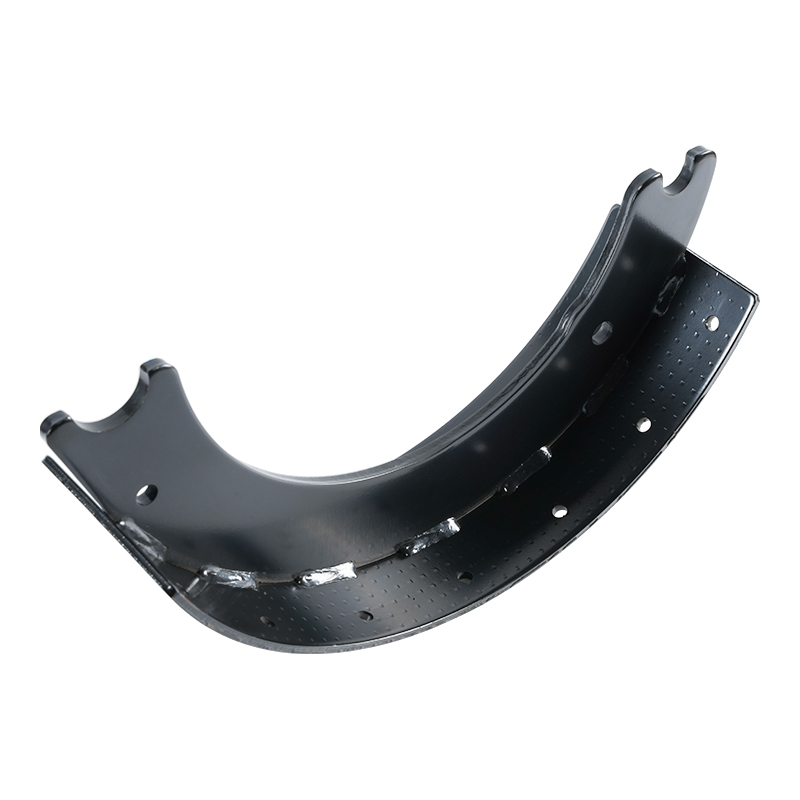

 Home
 +86-158-6900-2386 / +86-0571-61075636
 zjlrqp@163.com
 No. 518, Nanhu Road, Tianzihu Town, Anji County, Zhejiang Province, China

Copyright © Zhejiang Langrun Auto Parts Co., Ltd. All rights reserved. Heavy-Duty Brake Shoe Manufacturer in China

