


 Eng
Eng 
 中文简体
中文简体
 Home / News / Industry News / Heavy-Duty Brake Shoes: How to Select, Maintain and Replace for Trucks
 Heavy-Duty Brake Shoes: How to Select, Maintain and Replace for Trucks
 2026.09.08
 Industry News
When a fully loaded tractor-trailer hits the brake pedal, the brake shoes do the heaviest work in the entire drum brake system. They press the friction lining against a rotating drum, create torque to slow the vehicle, and absorb heat that can easily exceed 300 degrees Celsius during a long descent. If the shoe is undersized, mismatched to the axle, or fitted with a low-quality lining, the consequences go beyond simply replacing the component.
The practical conclusion is this: choosing heavy-duty brake shoes is a safety-critical decision. It involves the correct axle platform, brake drum dimensions, lining material, and the assembly method used at the factory. Getting those factors right translates to longer drum life, fewer roadside breakdowns, and lower total operating cost.
Content
What Defines a Heavy-Duty Brake Shoe?
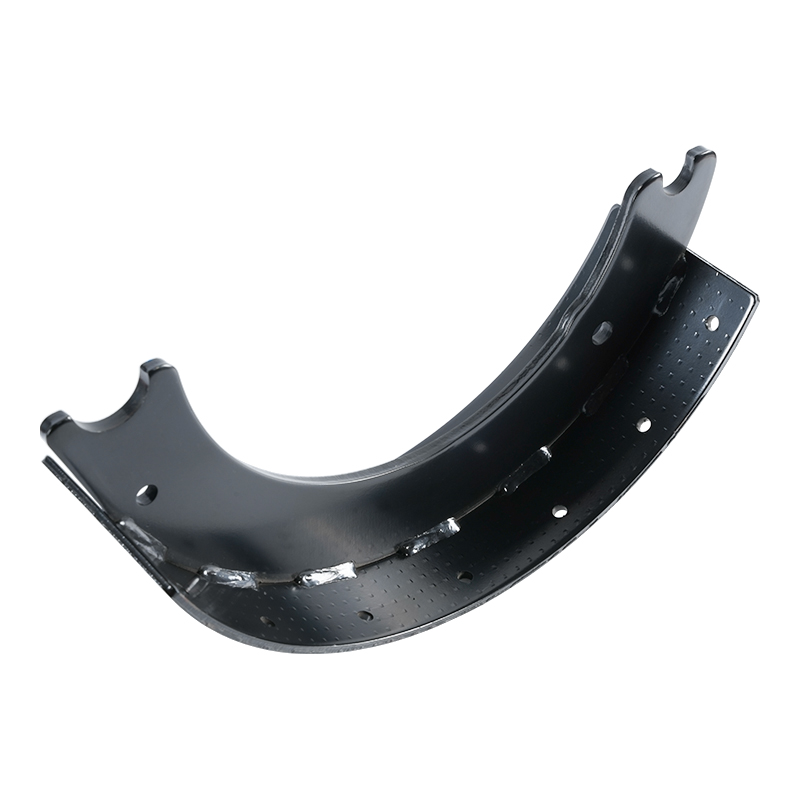
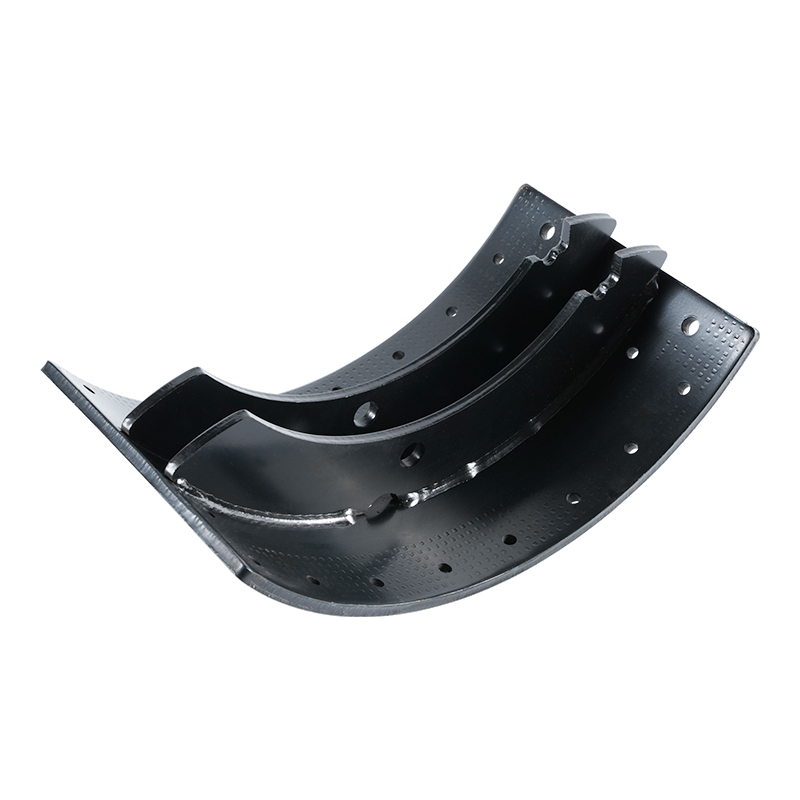
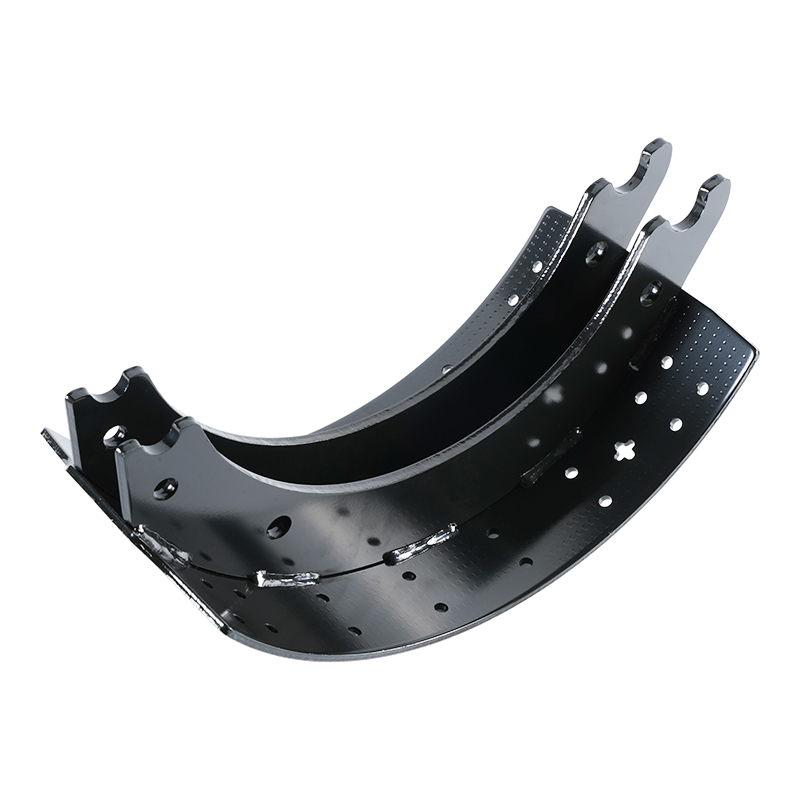
A heavy-duty brake shoe starts with a stamped and welded steel web. The web carries the friction lining on its curved profile. In commercial vehicle service, the shoe must tolerate constant impact, extreme heat, and repeated stress cycles. Manufacturers who focus on this product line usually invest heavily in stamping dies and welding fixtures to ensure that every shoe web has the same hole spacing and curvature.
Riveted vs. Bonded Attachment
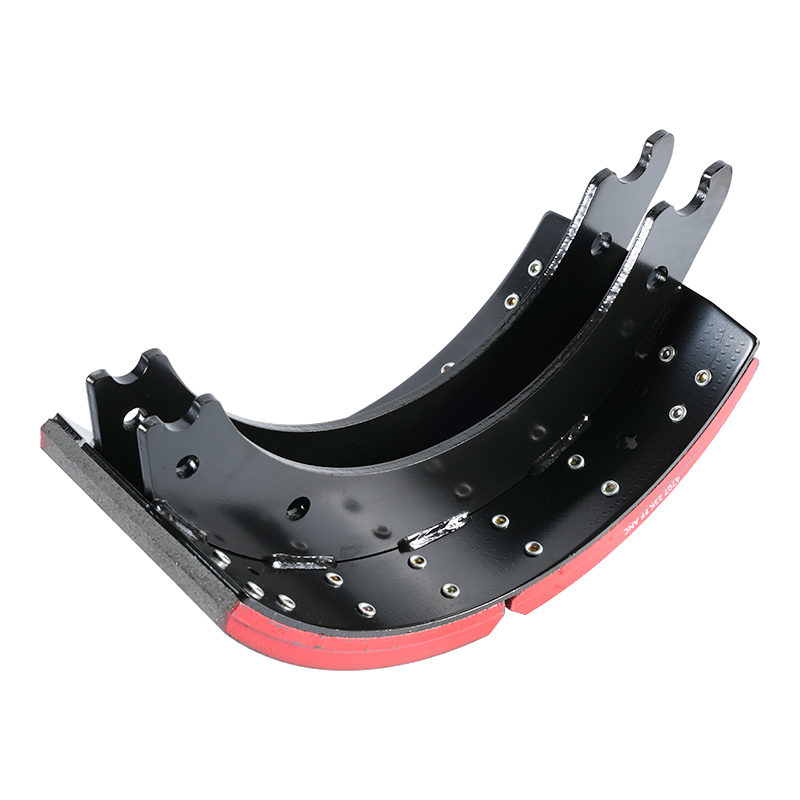
There are two standard ways to attach the lining to a heavy-duty brake shoe. Riveted linings are held in place with fasteners and are the preferred structure for trucks because they can be replaced individually in a workshop. Bonded linings use an adhesive to join the lining to the shoe. Bonded shoes can be quieter and have better heat transfer in some designs, but they are less forgiving when re-lining is needed. Buyers should specify which attachment method they require at the time of ordering.
Lining Materials and Non-Asbestos Standards
Non-asbestos friction material is the accepted standard for modern heavy-duty brake shoes. The exact formulation determines the coefficient of friction, wear rate, and fade resistance. On steep mountain routes, a higher fade-resistant lining will hold the brake force longer without glazing or sparking. That is why the same shoe model can behave very differently depending on the lining specification selected by the production plant.
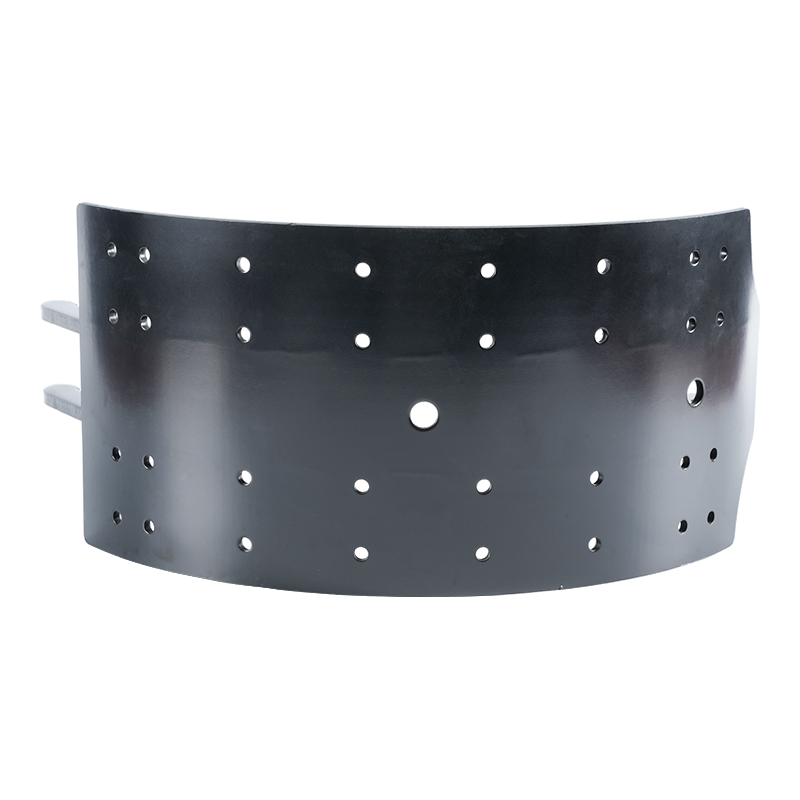 4515Q Heavy Duty American Brake Shoe for South American MarketThe 4515Q brake shoe features a 16.5-inch diameter and 7-inch width, designed for heavy-duty trucks and machinery. Its high-strength welding and stable dimensions support reliable braking, making it suitable for demanding applications.View Product →
Beyond the shoe itself, buyers can source three forms of the same component: a bare brake shoe, a complete brake shoe assembly, or a brake shoe repair kit. The bare shoe lets a workshop apply its own lining. The assembly arrives with lining already fitted. The repair kit supplies the springs, rollers, and hardware to rebuild a worn assembly. Having all three options from one factory simplifies inventory control and quality traceability.
American vs. European Heavy-Duty Brake Shoes
Heavy-duty brake shoes are not a single global standard. The shoe profile, axle mounting pattern, and lining dimensions differ significantly between North American and European platforms. This is a practical challenge for mixed fleets and for exporters who need to match the correct specification to each vehicle market.
| Comparison point | American style | European style |
|---|---|---|
| Common axle platforms | Meritor, Fuhua, EATON | BPW, SAF, Volvo |
| Typical applications | Heavy trucks, trailer axles, engineering vehicles | Semi-trailers, truck axles, European commercial vehicles |
| Shoe design emphasis | Durable stamped steel with replaceable lining | Compact profile matched to specific axle geometry |
| Market focus | North and South America | Europe and export markets |
For an American-market application, the shoe must match the wide brake drum diameter and hole spacing of a Meritor or Fuhua axle. For a European model such as BPW 300-200 or Volvo 200, the shoe profile is often narrower and fits a different brake spider. A mismatch in shoe width of only a few millimeters can reduce the effective friction contact area, cause uneven lining wear, and lead to premature drum scoring.
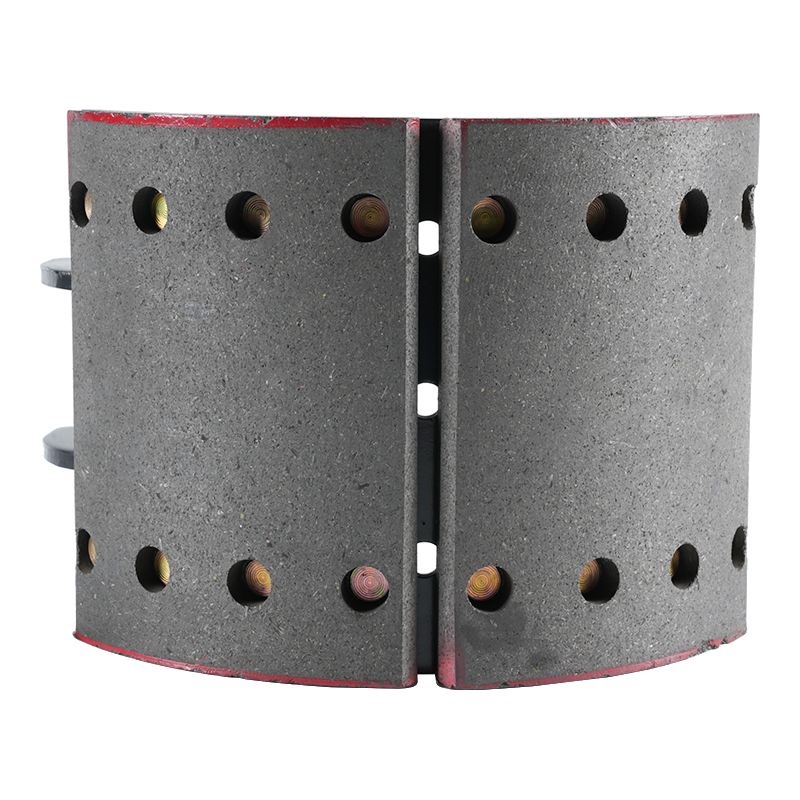 BPW 300x200 European Brake Shoe for Heavy-Duty VehiclesThis European brake shoe measures 300mm by 200mm, with high-strength welding and precise dimensions. It is engineered to withstand heavy stresses and ensure consistent braking performance across varied European road conditions.View Product →
When selecting a shoe for production or replacement, always verify the original part number, the drum internal diameter, and the braking surface width. If a supplier cannot confirm the exact fitment data, do not risk the order. An incorrect shoe will not just cause noise; it can cause a brake pull that makes the vehicle unsafe to operate.
How to Choose the Right Heavy-Duty Brake Shoe
The selection process should follow a clear sequence. Before you send an inquiry, collect the basic vehicle data. This helps the supplier recommend the correct platform and avoids the need for multiple samples or rework.
- Confirm the axle and brake drum dimensions. Measure the drum internal diameter and the shoe width. Never assume that similar-looking shoe models are interchangeable.
- Determine the attachment method. If your workshop intends to reline used shoes, order a riveted bare shoe. For a fast replacement, choose a riveted or bonded finished assembly.
- Check the friction material specification. Select a lining that matches the truck's load profile, road conditions, and typical brake temperature. For demanding routes, a high-fade-resistant lining reduces the risk of brake fade on long descents.
- Evaluate the total cost of ownership. A cheaper shoe may last fewer miles and cause more drum wear. Compare lining life, drum condition, and replacement labor, not just the purchase price.
- Verify supplier quality control. Confirm that the manufacturer runs bench tests according to recognized standards and uses non-asbestos materials. This directly affects brake performance and avoidable downtime.
If you are responsible for fleet maintenance, it helps to review a concise explanation of the foundation of commercial vehicle stopping power before you place a replacement order. The technical background makes it easier to ask the right questions.
Maintenance and Replacement Considerations
Heavy-duty brake shoes need to be checked during every scheduled brake inspection. The key is to measure the useful lining thickness, inspect the shoe web for cracks, and look at the drum surface for scoring, glazing, or hard spots. A common rule is to replace the shoe when the lining reaches approximately 1/8 inch at its thinnest point, but always consult the axle manufacturer's recommendation for the specific platform.
What A Repair Kit Includes
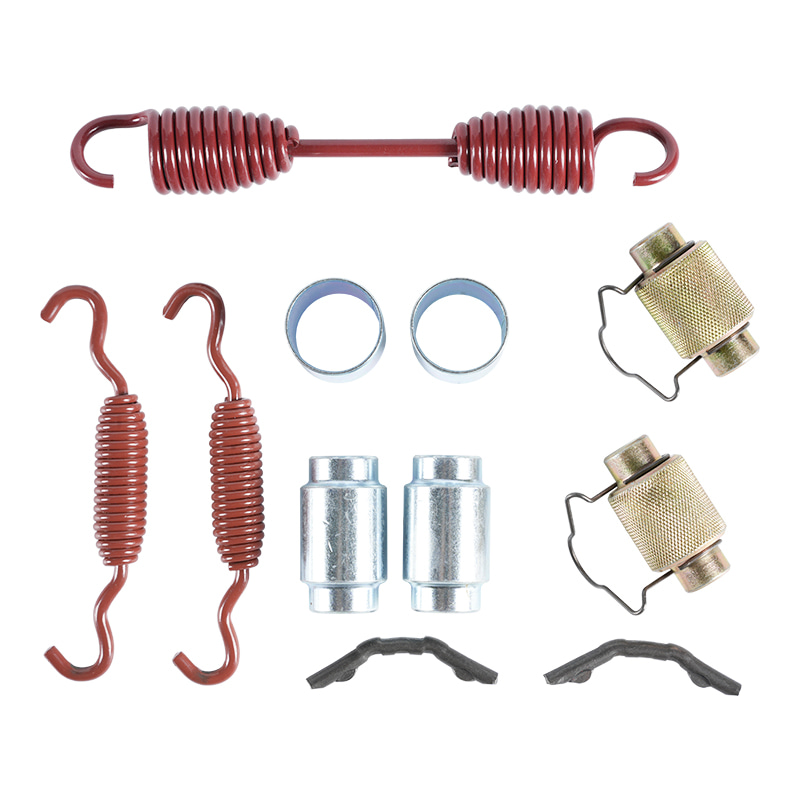
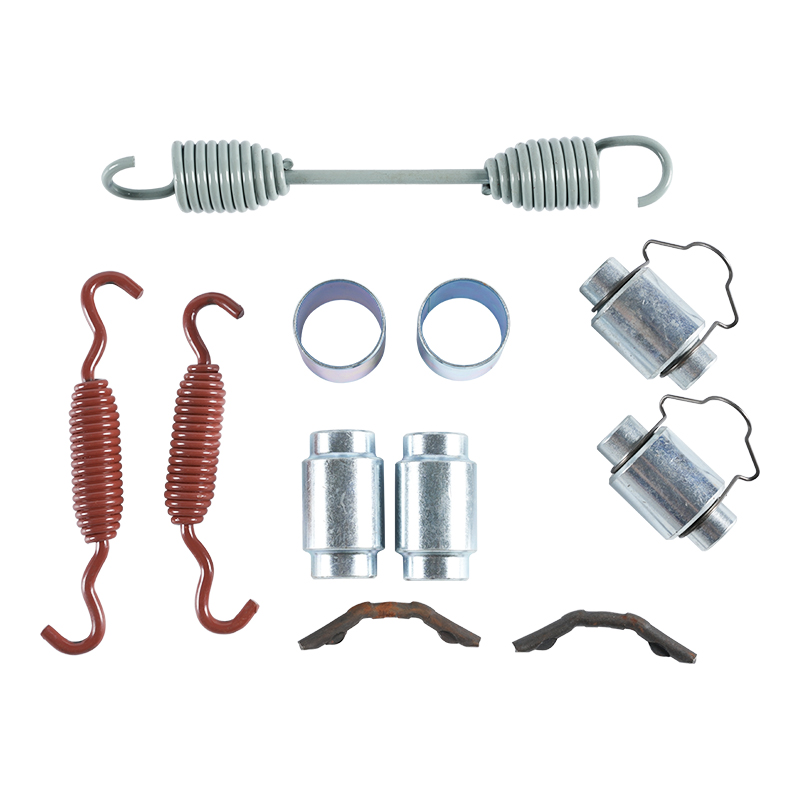
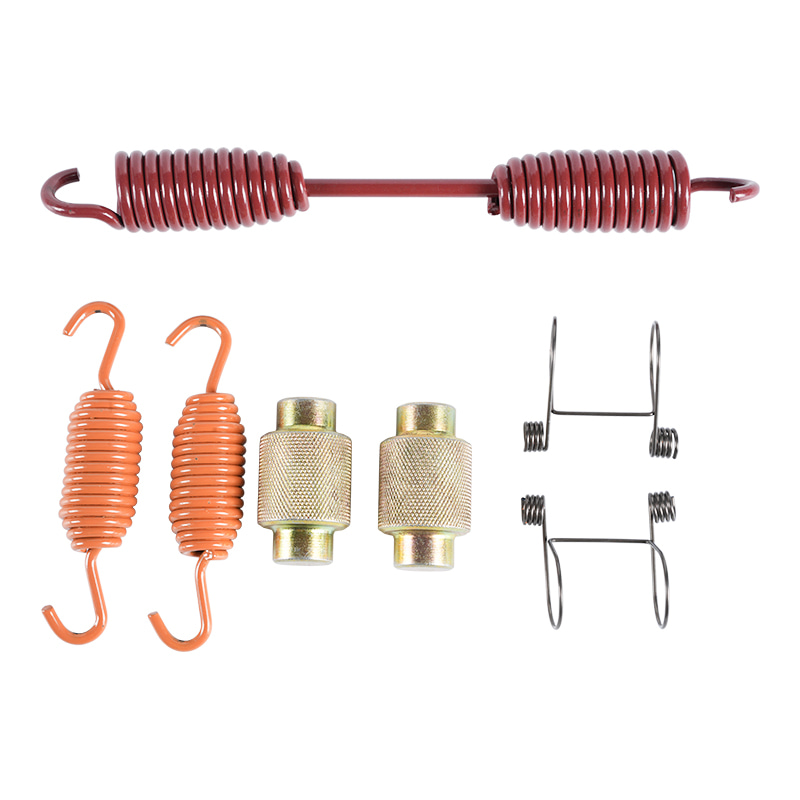
When the shoe web and lining are still mechanically sound, a brake shoe repair kit can extend service life. A typical kit includes return springs, rollers, pins, and other hardware needed to put the brake adjustment back into the correct operating range. This is a practical choice for trailer fleets that want to keep existing shoes in service for another maintenance cycle.
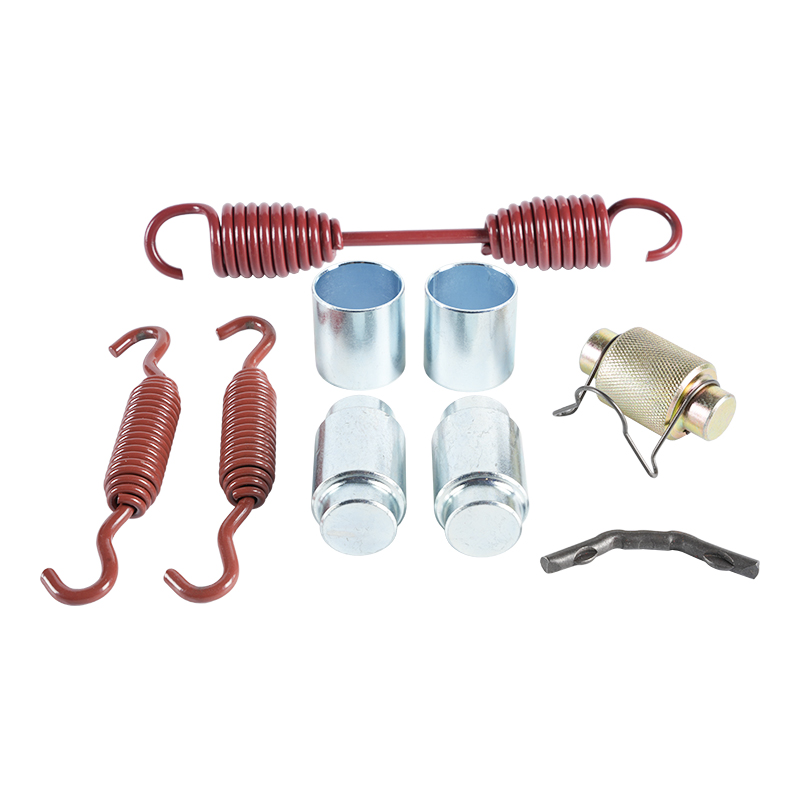 4707 American Brake Shoe Repair Kit with Springs and HardwareThe 4707 repair kit contains necessary components to rebuild brake shoe assemblies, including springs and rollers. It allows fleets to extend service life of existing shoes while maintaining balanced braking.View Product →
Do not reuse old springs or hardware. Even if the shoe is within specification, a weakened spring can cause uneven braking and reduce lining contact. Replace the complete kit as a set so that the braking torque remains balanced across the axle. Neglecting this step often results in a brake that pulls to one side, at which point the driver loses confidence in the vehicle.
Why a Specialist Manufacturer Makes a Difference
The best supplier in this market is not the one with the longest product list. It is the one that knows the axle platforms it serves. A manufacturer focused solely on brake shoes can control the details that matter most: stamping accuracy, weld integrity, lining bonding quality, and batch consistency. That focus is especially important for stamped and welded brake shoes because any deviation in hole spacing can make the new shoe incompatible with the existing brake spider.
Zhejiang Langrun Auto Parts Co., Ltd. has concentrated on the development of stamped and welded brake shoes since 2010. The company supplies heavy-duty brake shoes, brake shoe assemblies, and brake shoe repair kits for heavy trucks, semi-trailers, and engineering vehicles. Its production capacity of 2 million sets per year and the adoption of American standard bench tests for validation make it a reliable partner for customers who need both original equipment and aftermarket supply.
Specialist manufacturers also offer the flexibility of ordering bare shoes or complete assemblies from the same production line. This avoids the risk of mismatched components that can happen when the shoe, lining, and hardware come from different sources. Explore our full range of heavy-duty brake shoes to see the platform options available for your fleet.

 Home
Home +86-158-6900-2386 / +86-0571-61075636
 zjlrqp@163.com
 No. 518, Nanhu Road, Tianzihu Town, Anji County, Zhejiang Province, China
Copyright © Zhejiang Langrun Auto Parts Co., Ltd. All rights reserved. Heavy-Duty Brake Shoe Manufacturer in China

