


 Eng
Eng 
 中文简体
中文简体
 Home / News / Industry News / How to Choose Industrial Brake Shoes: Types, Wear Signs, and Sourcing Tips
 How to Choose Industrial Brake Shoes: Types, Wear Signs, and Sourcing Tips
 2026.09.15
 Industry News
A fully loaded trailer on a 6% grade calls for consistent braking power. The driver presses the pedal, and the only response is a metallic grinding noise. In many fleets, the problem traces back to one component: the brake shoe. Industrial brake shoes for trucks, trailers, and heavy equipment are not interchangeable parts. They must match the axle beam standard, lining material, and operating environment. Getting that combination right is what separates a controlled stop from a roadside breakdown.
Content
What Makes an Industrial Brake Shoe Different?
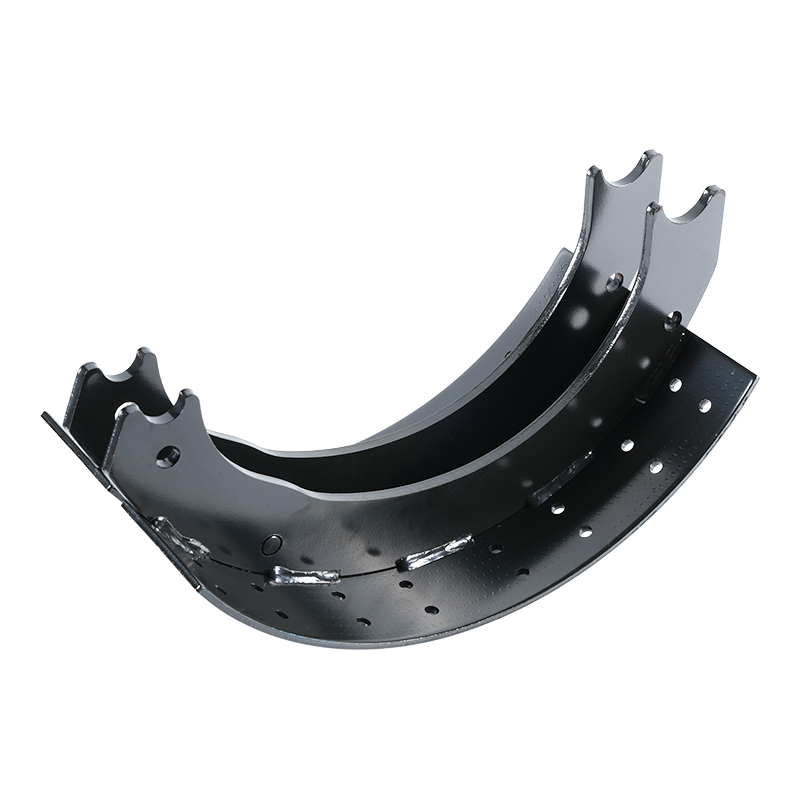
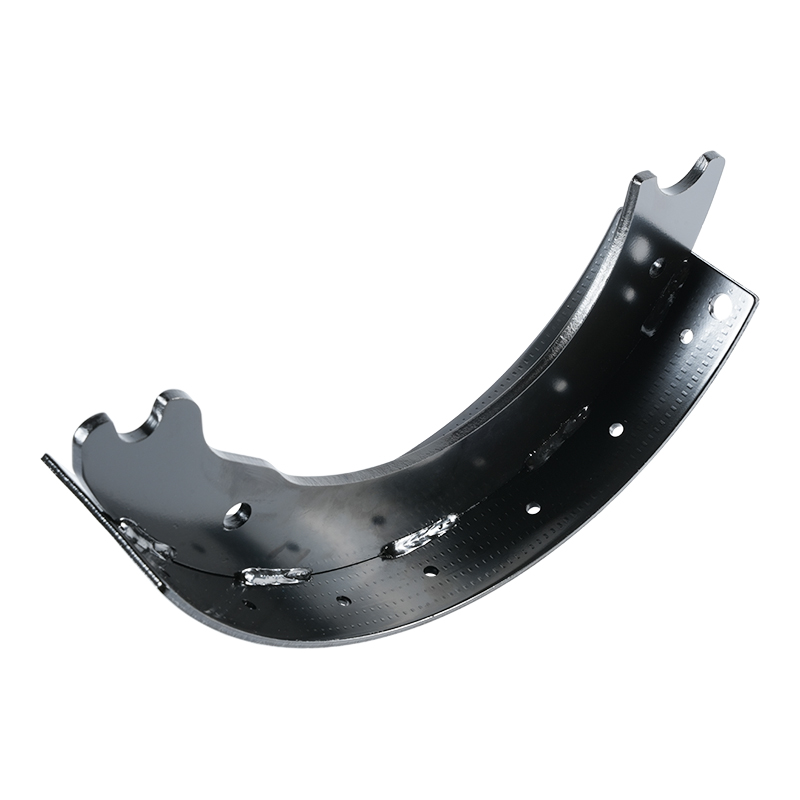
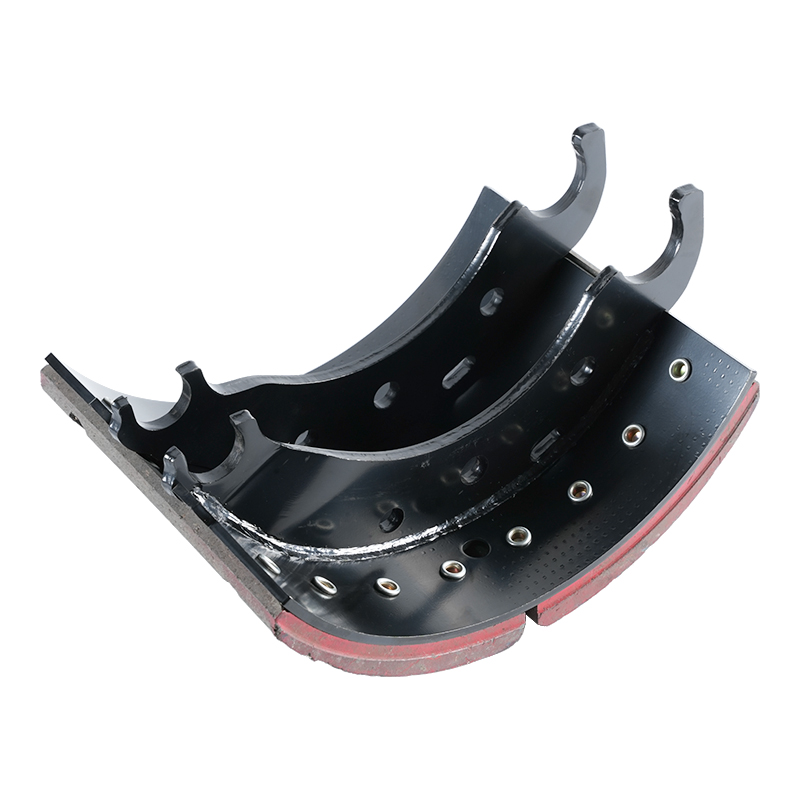
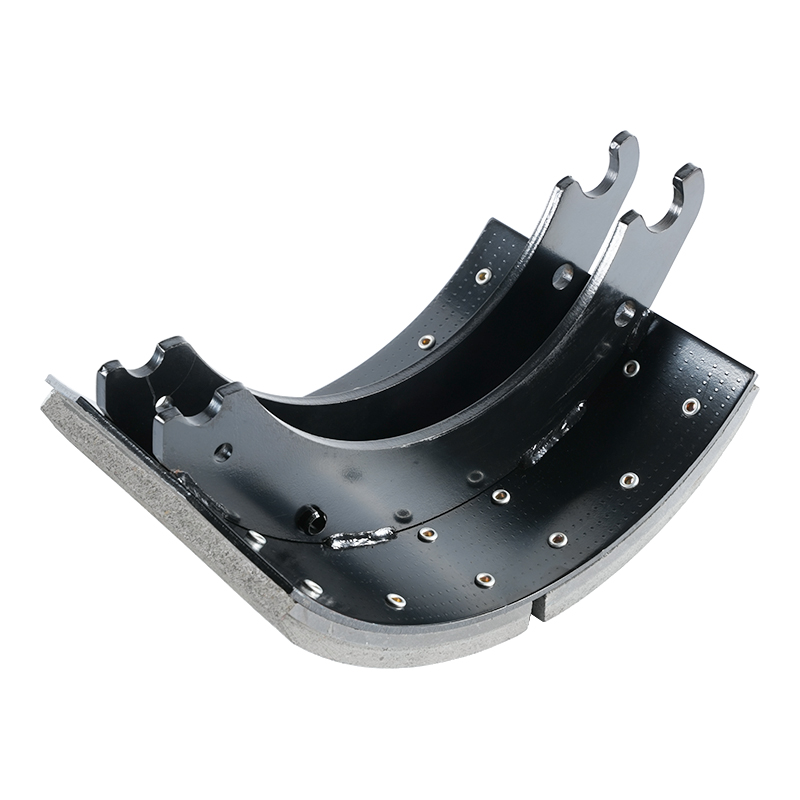
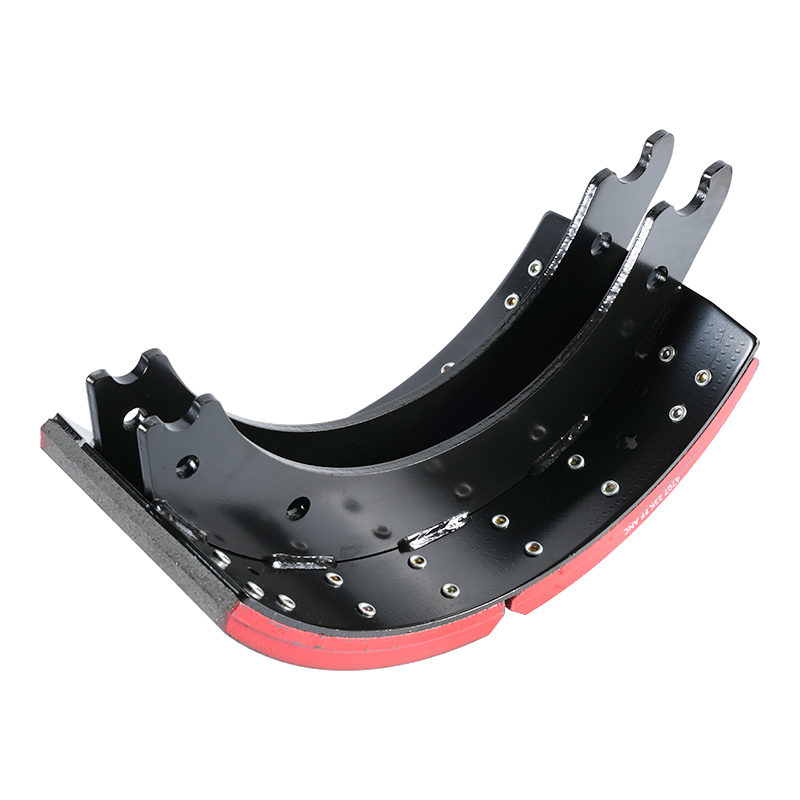
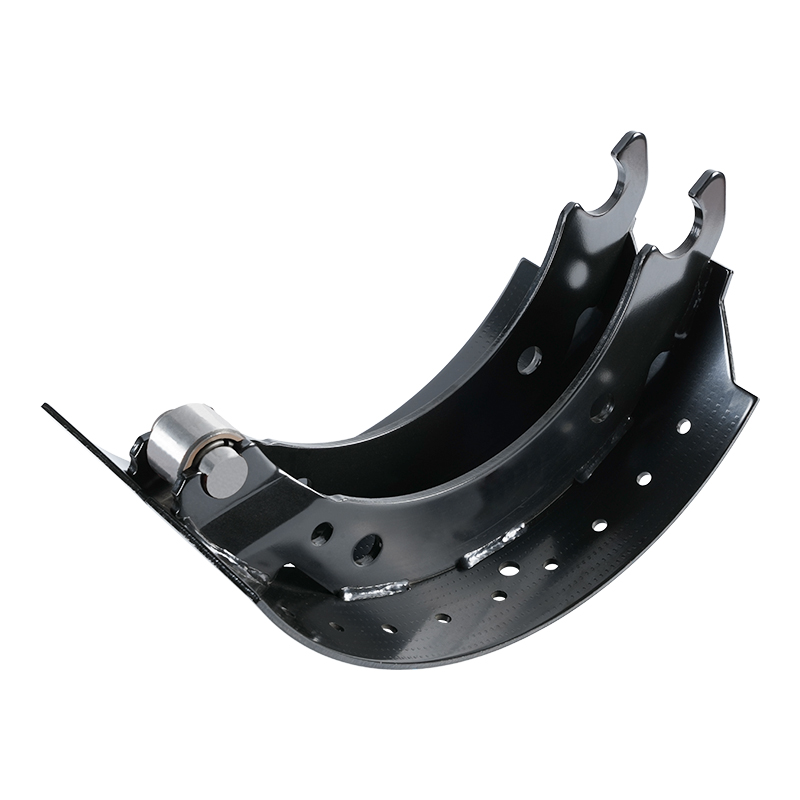
An industrial brake shoe is a curved metal base with friction material attached to its outer face. It presses against the inside of a brake drum to slow the wheel. Unlike light-vehicle brake shoes, industrial versions handle higher gross weights, frequent thermal cycling, and aggressive road contaminants. Their design must tolerate repeated heavy loads without warping or delaminating.
The base is typically a stamped steel web with a welded reinforcing table. The lining is either riveted or bonded to the table. For heavy-duty use, the shoe table thickness, rivet pattern, and material grade are designed around specific axle loads. This is why a brake shoe built for a 10-ton axle will not safely serve a 15-ton trailer. Overloading a shoe beyond its rated capacity can cause the web to flex, the lining to shear, and the drum to overheat.
Lining Materials and Their Trade-offs
The friction lining is where braking actually happens, and its material dictates the shoe's temperature range, wear rate, and noise level. Three categories dominate industrial use:
- Non-asbestos organic (NAO) materials are quiet and easy on brake drums. They are a good fit for medium duty and stop-and-go routes, but they lose friction torque at sustained high temperatures.
- Semi-metallic linings contain steel or iron fibers. They offer high heat capacity and consistent torque under heavy loads, which is why they appear frequently on long-haul trucks. The trade-off is more drum wear and a tendency to squeal under light application.
- Ceramic composites provide stable friction across a wide temperature range with low dust and minimal drum wear. They are often chosen for fleets that need predictable performance in hilly or mountainous terrain.
For extreme conditions like logging roads or mining haul roads, a semi-metallic or ceramic lining is safer than a generic organic. This is a key part of the selection process because the lining must survive the heat generated by continuous braking.
American vs. European: Sizing and Fitment
Brake shoes are often classified by the axle standard they are designed for. American-style shoes are common on heavy trucks and trailers in North America, while European-style shoes are tied to axle makers like BPW, SAF, and Volvo. The difference is not just the label. The web height, radius, slot position, and lining width are all specific to each standard.
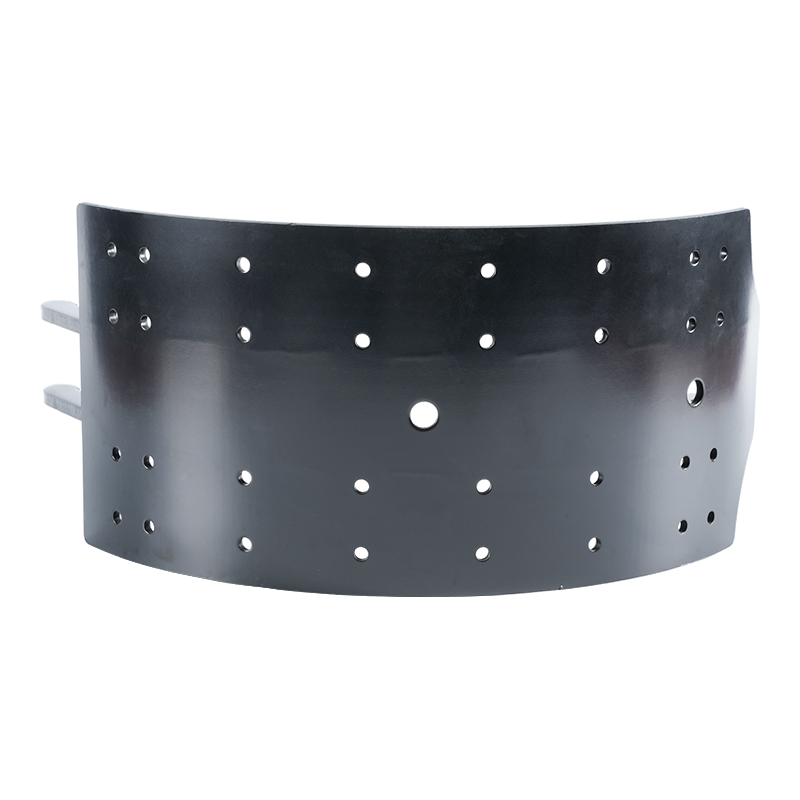 4515Q American Heavy Truck Brake Shoe for Standard Brake PlatformsDesigned for U.S. highway heavy trucks, this shoe matches American brake platforms with a 16.5-inch drum diameter and 7-inch width, ensuring proper fit and reliable braking performance without rework.View Product →
For an American heavy truck application, a shoe like the 4515Q is engineered for the higher gross weights and drum diameters used on U.S. highways. The hole spacing and contour match standard American brake platforms, making it easier to install without rework.
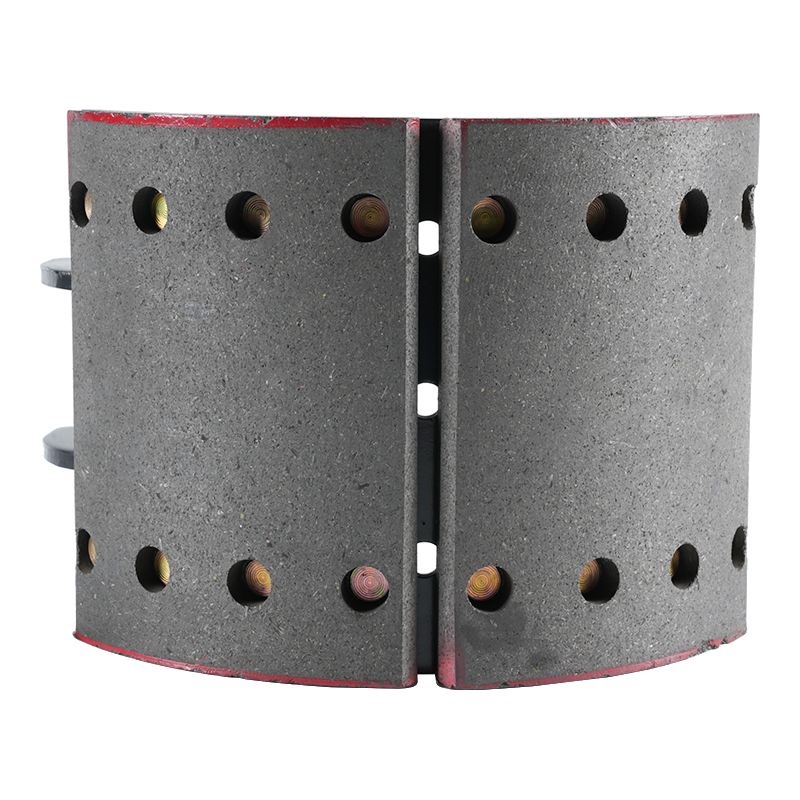 BPW 300×200 European Brake Shoe for Semi-Trailer SystemsBuilt to European axle specifications, this 300×200 mm shoe suits BPW systems with precise dimensions and high-strength welding, offering consistent braking and durability for challenging road conditions.View Product →
European semi-trailer systems, such as BPW 300-200, use different dimensions and a different eccentricity. Installing a European shoe designed for BPW 300-200 on an American axle will likely lead to poor contact, overheating, and uneven lining wear.
Key Differences at a Glance
| Characteristic | American | European |
|---|---|---|
| Primary market | North & South America | Europe |
| Axle association | Meritor, Dana, Fuhua | BPW, SAF, Volvo |
| Lining attachment | Rivet or bonded | Bonded or rivet |
| Typical application | Heavy truck, trailer | Semi-trailer, truck |
| Inspection focus | Slot wear, diameter | Web height, eccentricity |
Use the table above as a starting point, but always confirm the exact part number against your axle's technical manual. A close-looking shoe that does not match the radius will leave a narrow contact patch and reduce braking torque.
Wear Signs and Replacement Timing
Industrial brake shoes wear differently depending on load, route, and driving style. The most common failure point is the friction lining. When lining thickness drops below the manufacturer's minimum, the shoe metal can contact the drum, scoring both parts.
Inspect these signs at every PM interval:
- Lining thickness below 8 mm (or as specified for the drum size)
- Uneven wear at the center versus the edges of the shoe
- Heat cracking or glazing on the lining surface
- Signs of oil or grease contamination that cannot be cleaned
- Rivet heads or bonded adhesive exposed around the edges
For a step-by-step inspection and replacement procedure, see our guide on how to check and replace a worn trailer brake shoe.
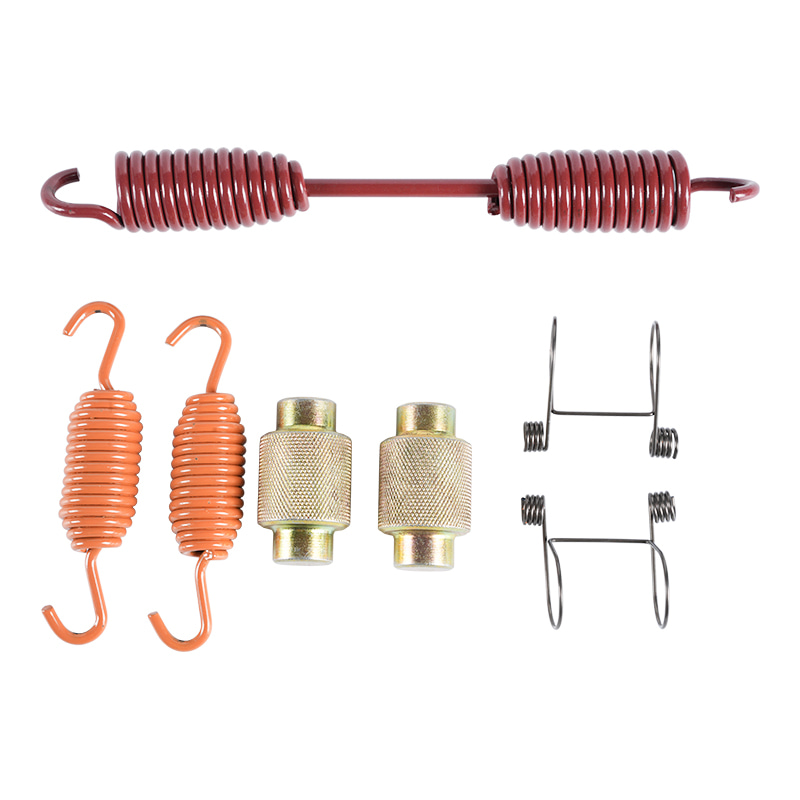
If the shoe body is still within spec but the lining is thin, a repair kit may be all you need. A typical kit includes new friction material, springs, and hardware for the same shoe base.
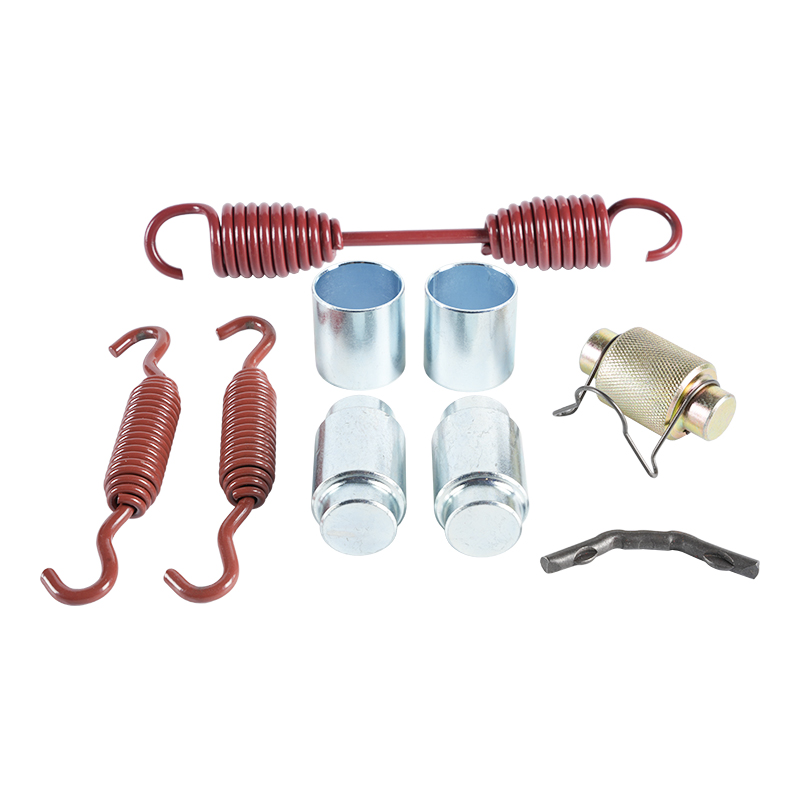 4707 American Brake Shoe Repair Kit for Lining ReplacementWhen the shoe body remains usable but the lining is thin, this repair kit provides new friction material and hardware for the 4707 American shoe, restoring proper adjustment and braking performance.View Product →
Sourcing Quality and Manufacturing Considerations
When ordering industrial brake shoes, the supplier's process matters as much as the final product. A dedicated brake shoe manufacturer will have a focused production line for stamping, welding, and assembly. Look for evidence of in-process inspection, such as checking web dimensions, rivet torque, and lining bond strength.
Documented bench testing is a strong signal. Products that meet American or European import standards usually have test data showing stopping torque, temperature rise, and lining wear rate. A manufacturer that cannot provide any test data is a risk.
For bulk sourcing, consider production capacity and consistency. A supplier that makes millions of units per year from a single plant is more likely to keep stable lead times than one that batches shoes with unrelated parts. Ask about minimum order quantities, packaging, and whether the same shoe can be supplied as a bare shoe, assembled shoe, or with repair kit hardware.
Maintenance and Longevity
Getting the longest service life out of industrial brake shoes comes down to a few habits:
- Adjust slack adjusters within the recommended stroke range
- Keep the brake drum surface free of hard glazing
- Use a lining material that matches your typical route profile
- Replace shoes in axle sets to keep braking balanced
- Store spare shoes horizontally in a dry area to avoid rusting
These practices reduce the risk of premature cracking and keep the friction interface even. Regular inspection also helps you catch a misaligned shoe before it damages the drum.
Industrial brake shoes are a small part of a large vehicle, but their failure stops everything. Start with the correct standard for your axle, confirm the lining material for your load, and source from a manufacturer that treats brake shoes as its core business. That approach will keep your fleet stopping smoothly and your maintenance costs predictable.

 Home
Home +86-158-6900-2386 / +86-0571-61075636
 zjlrqp@163.com
 No. 518, Nanhu Road, Tianzihu Town, Anji County, Zhejiang Province, China
Copyright © Zhejiang Langrun Auto Parts Co., Ltd. All rights reserved. Heavy-Duty Brake Shoe Manufacturer in China

