


 Eng
Eng 
 中文简体
中文简体
 Home / News / Industry News / Industrial Brake Shoes: How to Choose, Install, and Maintain Them for Maximum Safety and Service Life
 Industrial Brake Shoes: How to Choose, Install, and Maintain Them for Maximum Safety and Service Life
 2026.06.03
 Industry News
Content
- 1 What Are Industrial Brake Shoes and How Do They Work?
- 2 Types of Industrial Brake Shoes by Application
- 3 Friction Lining Materials Used in Heavy-Duty Brake Shoes
- 4 Key Specifications to Understand When Selecting Industrial Brake Shoes
- 5 Industrial Brake Shoe Applications Across Different Industries
- 6 Signs That Industrial Brake Shoes Need Replacement
- 7 How to Properly Install Industrial Drum Brake Shoes
- 8 Maintenance Schedule for Industrial Brake Shoe Systems
- 9 OEM vs. Aftermarket Industrial Brake Shoes: What to Consider
- 10 Top Manufacturers of Industrial Brake Shoes
- 11 Final Thoughts on Selecting and Managing Industrial Brake Shoes
What Are Industrial Brake Shoes and How Do They Work?
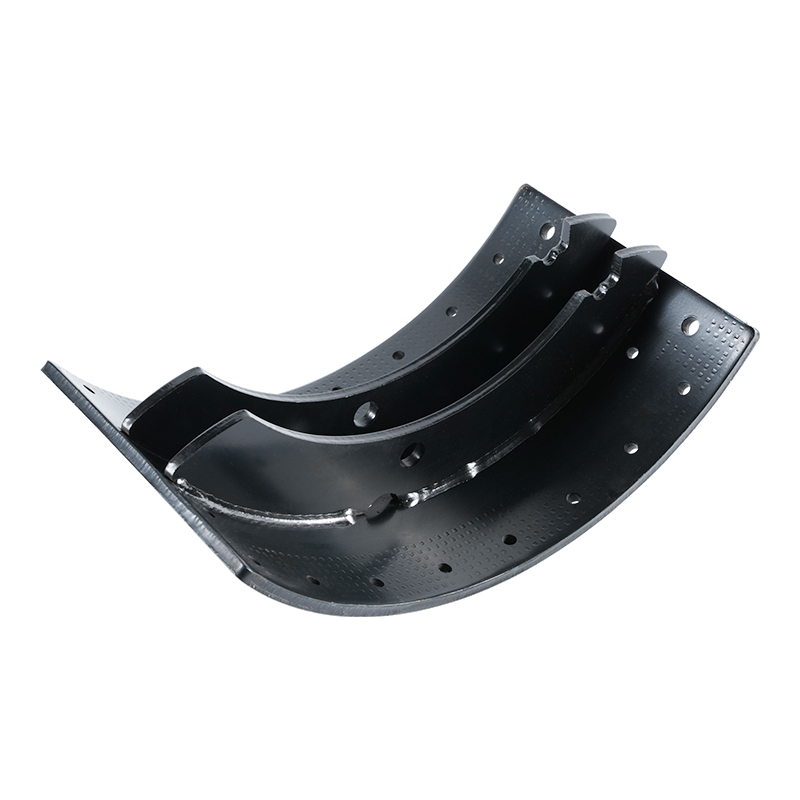
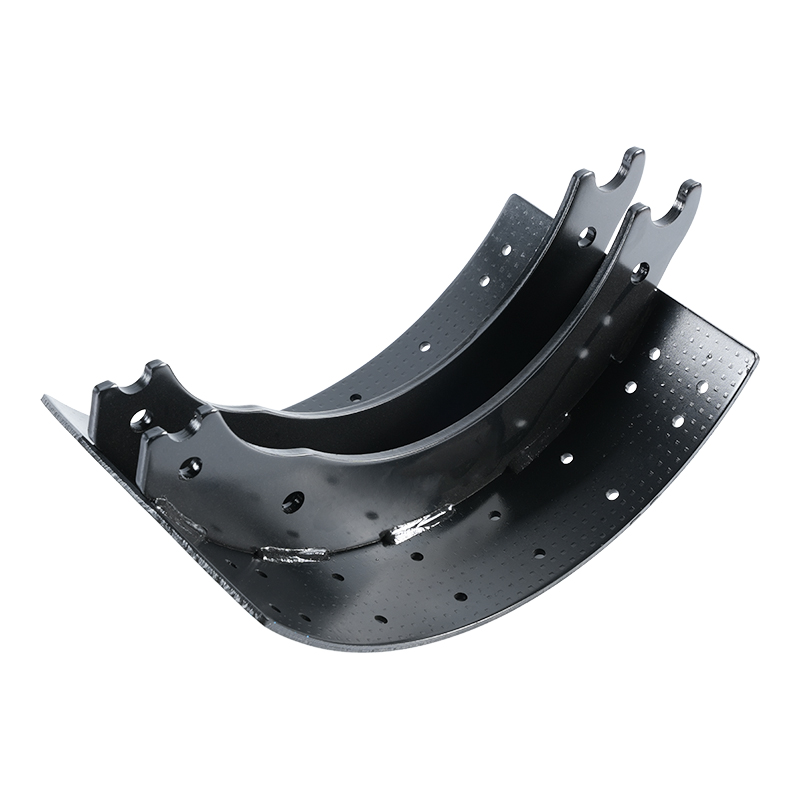
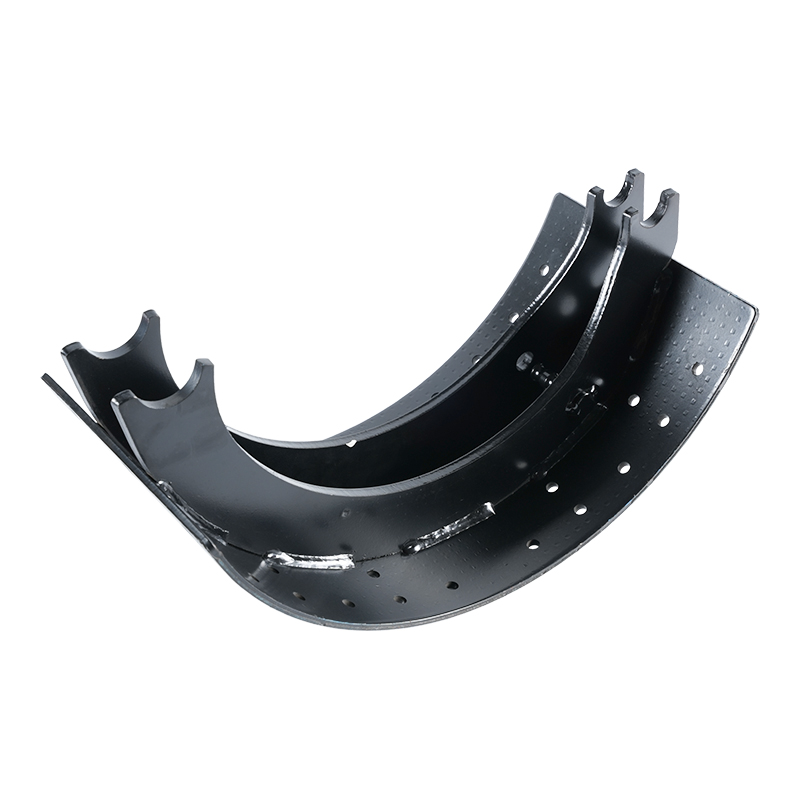
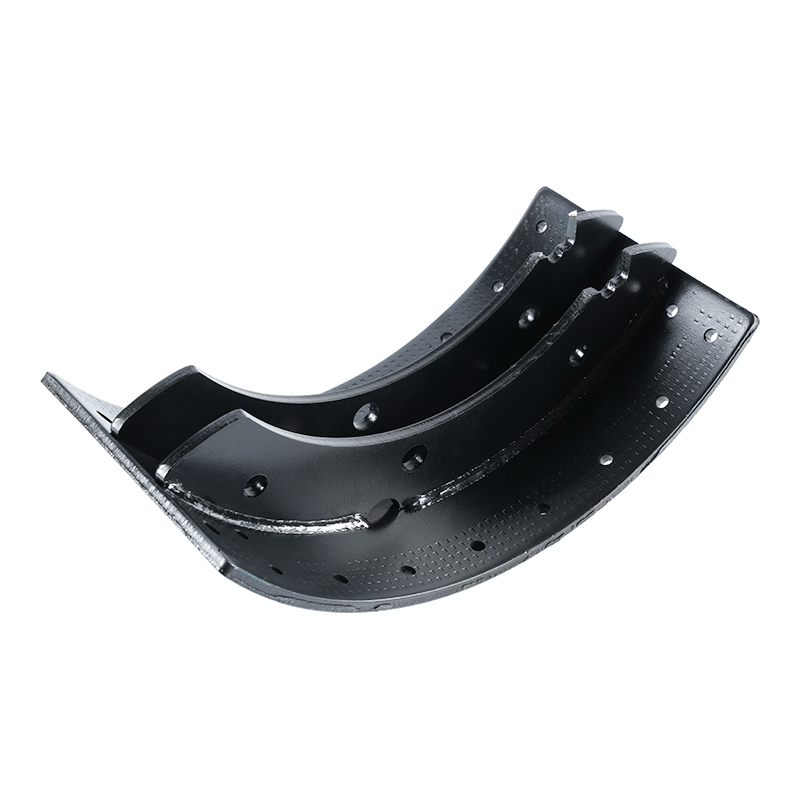
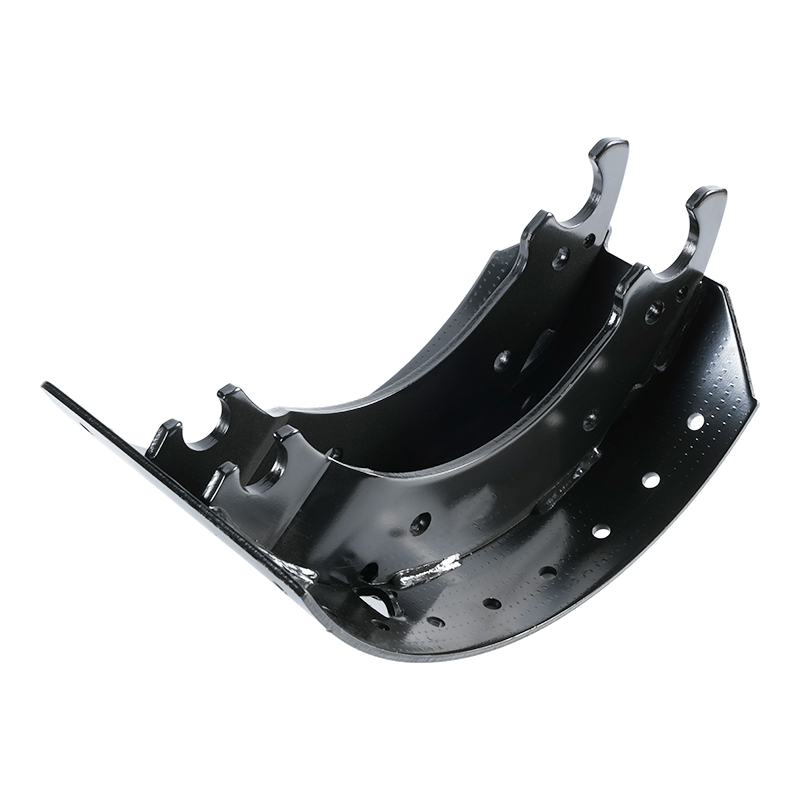
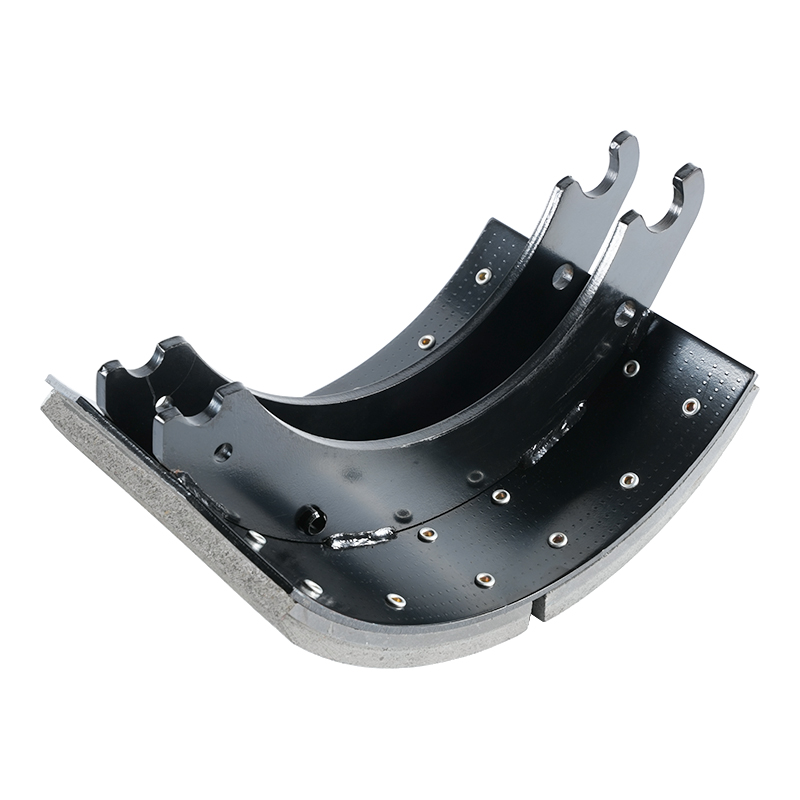
Industrial brake shoes are curved friction components used in drum brake systems across heavy-duty machinery, manufacturing equipment, cranes, hoists, conveyors, mining equipment, and commercial vehicles. Unlike the disc brake pads most people are familiar with from passenger cars, industrial brake shoes press outward or inward against the inner surface of a rotating drum to generate the friction force needed to slow, stop, or hold a load in position. The shoe itself is a curved metal platform — typically steel or cast iron — bonded or riveted with a friction lining material on its contact face.
In industrial applications, the stakes of brake performance are significantly higher than in automotive use. A crane holding a multi-ton load, a mine hoist carrying workers underground, or a conveyor system moving heavy aggregate material all depend on brake shoes that maintain consistent, reliable stopping force under demanding conditions — often at elevated temperatures, in contaminated environments, or under continuous duty cycles that would destroy a standard automotive brake component in hours. Understanding how industrial drum brake shoes are specified, selected, and maintained is essential for anyone responsible for maintaining industrial equipment.
Types of Industrial Brake Shoes by Application
Industrial brake shoes are not a one-size-fits-all component. They are engineered in different configurations depending on whether they are used in expanding or contracting drum brakes, the type of actuation system involved, and the specific demands of the application.
Internally Expanding Drum Brake Shoes
The most common industrial configuration, internally expanding brake shoes are mounted inside a drum and pushed outward by a cam, hydraulic cylinder, or pneumatic actuator to press the friction lining against the inner drum surface. This design is self-energizing in forward rotation — the leading shoe is pulled into the drum by rotation, amplifying braking force without additional actuator input. Internally expanding industrial brake shoes are widely used in heavy trucks, agricultural equipment, construction machinery, and industrial hoists where high holding torque in a compact package is required.
Externally Contracting Brake Shoes
In this configuration, the brake shoes are mounted outside the drum and pulled inward to grip the outer drum surface. Externally contracting industrial brake shoes are common in crane and winch applications, where the brake must hold a load against gravity and is typically spring-applied and power-released. The spring-applied design means the brake is on by default and requires active energy input (hydraulic, pneumatic, or electric) to release — a fail-safe arrangement critical in overhead lifting and vertical transport applications.
Pivot-Mounted and Sliding Shoe Designs
Industrial brake shoes are also classified by how they are anchored to the backing plate or caliper structure. Pivot-mounted shoes rotate around a fixed anchor pin at one end, while the other end is actuated — this is the standard automotive-derived design used in many industrial applications. Sliding or floating shoe designs allow the shoe to move radially as it contacts the drum, achieving more even lining contact across the full shoe width. Floating shoe designs are preferred in applications where drum eccentricity or thermal distortion is a concern, as they self-align to maintain consistent contact pressure.
Friction Lining Materials Used in Heavy-Duty Brake Shoes
The friction lining bonded or riveted to the face of an industrial brake shoe is the most performance-critical component in the assembly. Lining material selection directly determines the brake's coefficient of friction, heat tolerance, wear rate, fade resistance, and noise characteristics. The right lining material depends on the specific application, operating temperature range, and environmental conditions.
| Lining Material | Coefficient of Friction | Max Operating Temp | Best Application |
| Woven Asbestos-Free (NAO) | 0.35–0.45 | 250–300°C | General industrial, conveyors, light hoists |
| Sintered Metal | 0.30–0.40 | 500–700°C | Mining, steel mills, continuous duty brakes |
| Resin-Bonded Composite | 0.38–0.48 | 300–400°C | Cranes, hoists, heavy trucks |
| Carbon-Carbon Composite | 0.25–0.35 | 1000°C+ | Aerospace ground support, extreme duty |
| Ceramic Composite | 0.40–0.50 | 400–600°C | High-cycle industrial presses, packaging machinery |
| Rubber-Based Compound | 0.45–0.55 | 150–200°C | Light industrial, low-temperature applications |
Key Specifications to Understand When Selecting Industrial Brake Shoes
Selecting the correct industrial brake shoe for a specific application requires understanding a set of technical parameters that go well beyond simply matching the physical dimensions. Each specification affects how the brake performs under load, how long it lasts, and how safely it operates in the application environment.
Torque Capacity
Torque capacity is the maximum braking torque the shoe assembly can generate, expressed in Newton-meters (Nm) or foot-pounds (ft-lb). It is determined by the coefficient of friction of the lining material, the normal force applied by the actuator, and the drum radius. When specifying replacement industrial drum brake shoes, always verify that the torque capacity of the replacement meets or exceeds the original specification — undersized torque capacity in a crane or hoist brake is a life-safety issue, not merely a performance concern.
Lining Dimensions and Arc Length
The lining arc length — the angular span of the friction material on the shoe face — directly affects contact area and therefore braking force and heat dissipation. Longer arc linings distribute heat over a larger surface area, reducing peak temperatures and lining wear. Standard industrial brake shoe linings typically cover 90° to 120° of arc. Thickness is equally important — thicker linings provide longer service life but must be compatible with the drum clearance and actuator stroke of the specific brake assembly.
Drum Diameter Compatibility
Industrial brake shoes are manufactured to match specific drum diameters because the curved shoe must conform closely to the drum surface for effective contact. A shoe ground for a 400mm drum used with a 420mm drum will contact only at the center of the lining arc, dramatically reducing effective braking area and accelerating uneven lining wear. Always match the shoe's ground radius precisely to the drum diameter — or account for the intentional slight undersize allowance specified by the manufacturer for bed-in purposes.
Actuation Method Compatibility
Industrial brake shoes must be compatible with the specific actuation mechanism of the brake assembly — whether cam-actuated, hydraulic cylinder, pneumatic cylinder, electromagnetic, or spring-applied. The shoe's cam follower profile, pivot hole geometry, and anchor post configuration are all application-specific. Using a shoe with an incompatible cam follower profile in a cam-actuated brake results in point loading on the lining rather than distributed contact, causing rapid and uneven lining wear and reduced braking performance.
Industrial Brake Shoe Applications Across Different Industries
Heavy-duty brake shoes appear in an enormous range of industrial equipment, each with specific performance requirements shaped by the nature of the application. Understanding the demands of each industry helps clarify why material selection and specification precision matter so much.
- Mining and mineral processing: Mine hoists, draglines, and conveyor drives operate in environments with dust, moisture, and extreme temperatures. Industrial brake shoes in mining applications typically use sintered metal or high-temperature resin composite linings rated for continuous high-energy braking cycles. Emergency stop capability is a regulatory requirement, meaning brake shoes must maintain full torque capacity even after repeated emergency applications.
- Overhead cranes and hoists: Spring-applied, power-released brake shoes are standard in crane and hoist applications. The brake must hold rated load plus safety factor against gravity with zero energy input — a power failure must not result in load drop. Crane brake shoes are typically specified to hold 150–200% of rated load torque. Lining wear monitoring is critical because worn linings reduce holding torque directly.
- Steel and metals manufacturing: Rolling mills, coilers, and furnace drives experience extreme thermal environments and heavy shock loads. Industrial brake shoes in steel mill applications need very high heat resistance combined with consistent friction coefficients across wide temperature ranges. Sintered metal linings are common in these environments because their friction characteristics are relatively stable from cold to extreme operating temperatures.
- Marine and port equipment: Ship winches, anchor windlasses, and port crane slewing rings require brake shoes that perform reliably in salt air and wet conditions. Corrosion-resistant shoe platforms and moisture-resistant lining materials are essential. Marine-grade industrial drum brake shoes often use stainless steel or zinc-coated shoe bodies with specially compounded lining materials that maintain consistent performance when wet.
- Construction machinery: Excavators, mobile cranes, concrete mixers, and drilling rigs all rely on industrial brake shoe assemblies in swing drives, travel brakes, and winch systems. Dust and contamination resistance is a primary concern, along with the ability to handle high actuation frequency during normal operation cycles.
- Paper and printing industry: Web tension control on paper machines and printing presses uses precisely controlled brake torque to maintain consistent material tension. Industrial brake shoes in these applications prioritize consistent, controllable friction coefficients over maximum torque capacity — too much variation in braking torque causes web breaks and print registration errors.
Signs That Industrial Brake Shoes Need Replacement
Knowing when to replace industrial brake shoes before they cause equipment damage or a safety incident is one of the most important aspects of brake system maintenance. Unlike automotive brakes where a squealing noise is the common warning, industrial brake systems are often enclosed and not easily observable during operation. A structured inspection program is essential.
Lining Thickness Below Minimum
Most industrial brake shoe manufacturers specify a minimum lining thickness — typically 3–6mm depending on the original thickness and application. Below this threshold, the lining's ability to absorb heat degrades rapidly, the risk of rivets or bond material contacting the drum increases, and the change in shoe geometry alters the brake's torque characteristics. Lining thickness should be measured at the thinnest point (usually the edges) and recorded at each inspection to track wear rate and predict replacement intervals.
Glazing or Surface Hardening
Brake shoe lining that has been overheated or subjected to prolonged light contact (dragging) can develop a glazed, shiny surface that has a significantly lower coefficient of friction than fresh lining material. A glazed industrial brake shoe will produce reduced braking torque even though the lining appears to have adequate thickness remaining. Glazing is identified visually during inspection — the lining surface appears polished and reflective rather than dull and slightly rough as it should be. Mild glazing can sometimes be corrected by light sanding, but severely glazed linings should be replaced.
Cracking, Delamination, or Contamination
Any visible cracking of the lining material, separation of the lining from the shoe platform (delamination), or oil and grease contamination of the lining surface requires immediate replacement. Contaminated brake shoe linings cannot be reliably cleaned — oil penetrates into the lining matrix and permanently reduces friction performance. Even a small amount of hydraulic fluid or gear oil contamination can reduce braking torque by 40–60%, which is a critical failure in any safety-rated brake application.
Increased Stopping Distance or Brake Travel
If an industrial machine takes noticeably longer to stop, or if a crane brake requires more actuator travel to generate holding torque, worn or degraded brake shoes are a primary cause. Documenting baseline brake performance during commissioning — stopping distance from a defined speed, or actuator travel at rated load — creates a reference point that makes performance degradation measurable rather than subjective. Any significant deviation from baseline warrants immediate inspection.
How to Properly Install Industrial Drum Brake Shoes
Correct installation of replacement industrial brake shoes is just as important as selecting the right component. Improper installation causes premature lining wear, reduced braking performance, and in worst cases, brake failure. These steps apply to the most common internally expanding industrial drum brake configurations.
- Inspect and measure the drum before installing new shoes: Check the drum bore diameter for wear beyond the discard limit (typically 1.5–2mm over nominal diameter). Measure for out-of-round (runout) — drums with more than 0.1–0.15mm runout should be machined before new shoes are installed, or the new lining will wear unevenly within hours of service.
- Clean all mounting hardware and pivot points: Remove rust, scale, and old lubricant from anchor pins, cam shafts, and shoe platforms. Apply a thin film of high-temperature brake lubricant to all pivot and sliding contact points — never on the lining or drum surface. Dry, corroded pivot points cause the shoe to bind rather than release cleanly, leading to dragging and rapid lining wear.
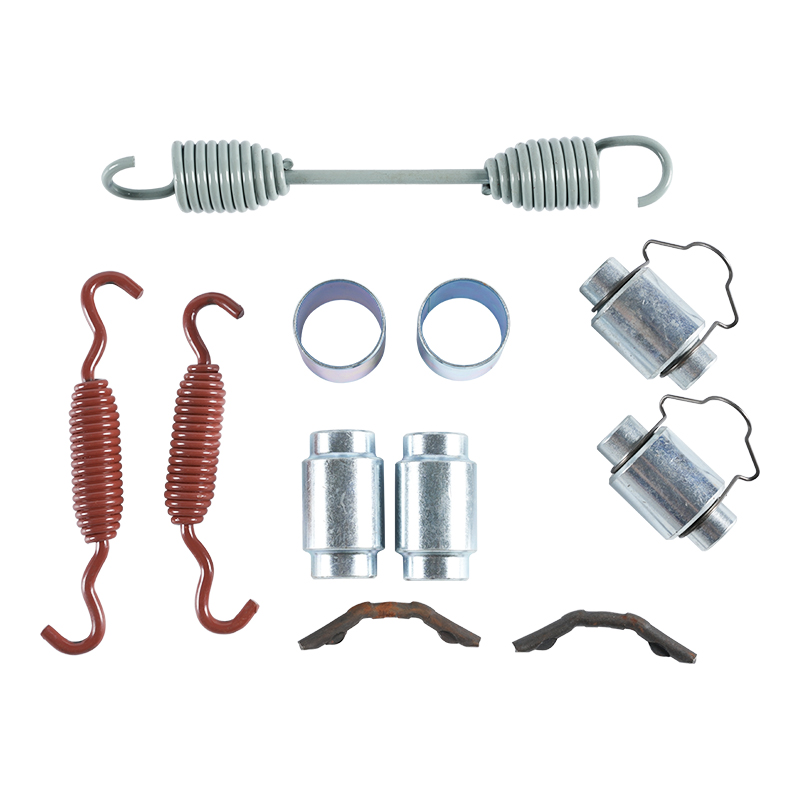
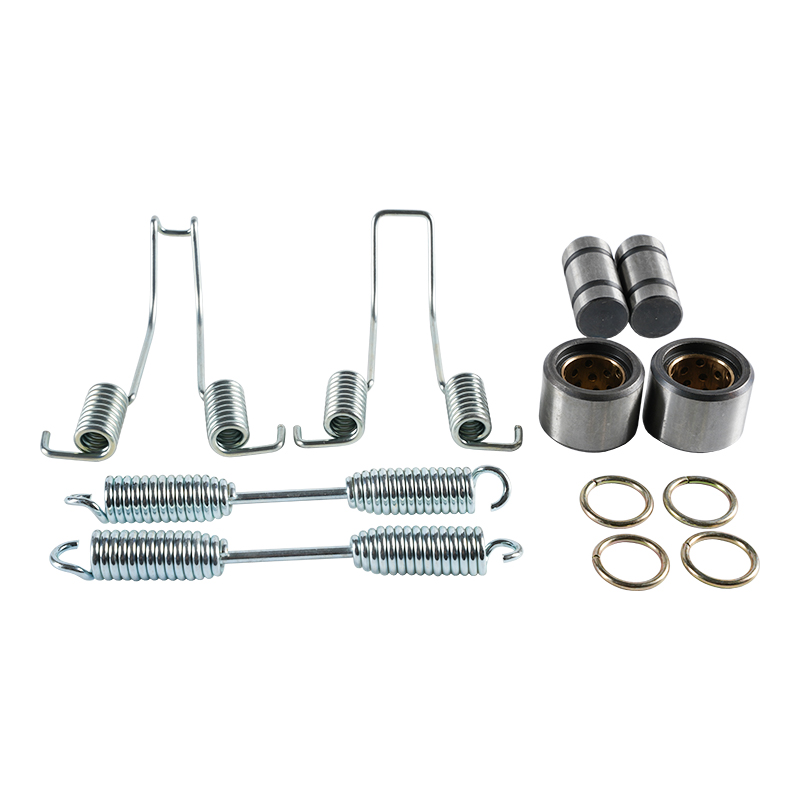
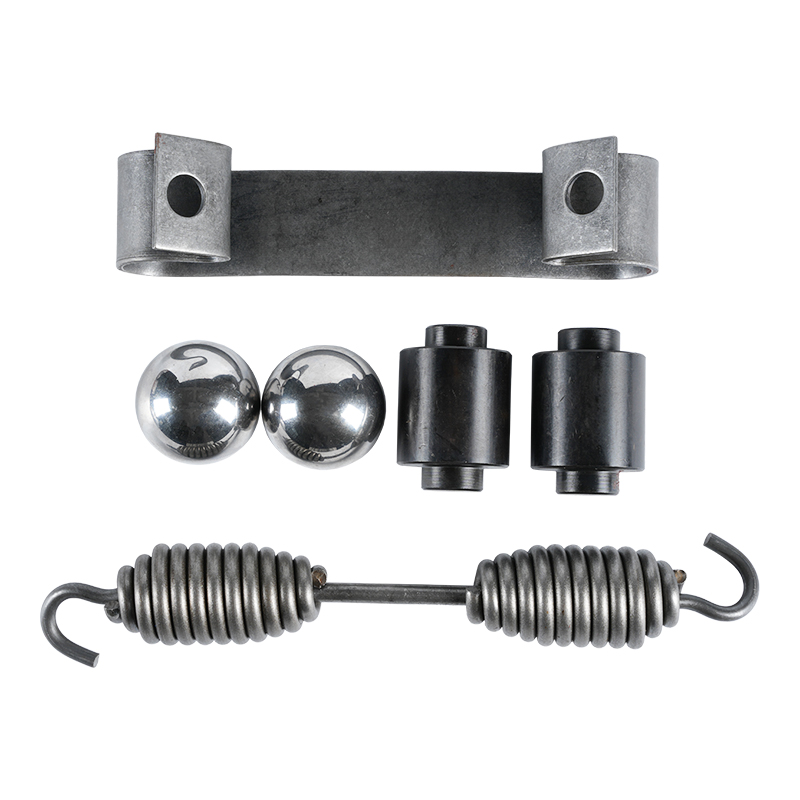
- Install new return springs and hardware: Always replace return springs and any other hardware included with the brake shoe kit. Fatigued return springs fail to fully retract the shoes after actuation, causing constant light contact and glazing. The cost of the hardware kit is negligible compared to the damage caused by reusing worn springs.
- Adjust shoe-to-drum clearance correctly: Set the shoe-to-drum clearance within the manufacturer's specified range — typically 0.3–0.8mm depending on the application. Too little clearance causes dragging; too much increases actuator travel and response time. On cam-actuated brakes, verify that the S-cam or wedge is in the correct position relative to the shoe roller before adjusting clearance.
- Perform a controlled bed-in procedure: New industrial brake shoe linings need to be bedded in to achieve full contact area with the drum surface. A standard bed-in cycle involves a series of controlled applications at progressively increasing load — typically 10–15 applications at 25%, 50%, and 75% of rated brake torque — allowing cooling between each cycle. Attempting full-load operation immediately on new shoes results in uneven lining contact and premature wear.
Maintenance Schedule for Industrial Brake Shoe Systems
A structured maintenance program is the most effective way to maximize brake shoe service life, maintain consistent braking performance, and avoid unexpected failures. The specific intervals depend on application duty cycle, operating environment, and regulatory requirements, but the following framework provides a practical baseline for most industrial drum brake systems.
| Maintenance Task | Recommended Interval | Key Check Points |
| Visual inspection | Weekly or every 40 operating hours | Oil contamination, visible cracks, unusual wear patterns |
| Lining thickness measurement | Monthly or every 200 operating hours | Measure at edges and center, record and trend |
| Pivot and cam lubrication | Every 250–500 operating hours | High-temp grease on all moving contact points |
| Drum diameter and runout check | Every brake shoe replacement | Verify within discard and runout limits |
| Actuator stroke and clearance adjustment | Every 500 operating hours or as wear dictates | Confirm clearance within spec, full release on de-actuation |
| Full brake performance test | Annually or after any major repair | Load test to rated torque, verify holding and stopping |
OEM vs. Aftermarket Industrial Brake Shoes: What to Consider
The decision between OEM (original equipment manufacturer) and aftermarket industrial brake shoe replacements is more nuanced in industrial applications than in automotive use. In safety-critical applications — mine hoists, overhead cranes, passenger lifts — the regulatory and liability implications of using non-OEM components must be carefully evaluated against the cost savings.
OEM brake shoes guarantee dimensional and material compatibility with the original brake assembly, and their performance is covered by the equipment manufacturer's safety certification. For equipment operating under regulatory frameworks like OSHA, ASME B30, or equivalent international standards, using non-OEM components may require additional engineering validation and documentation to maintain compliance. The cost premium for OEM components in safety-critical applications is almost always justified by this regulatory certainty alone.
For non-safety-critical industrial applications — conveyor drives, packaging machinery, non-lifting industrial equipment — high-quality aftermarket industrial brake shoes from reputable friction material manufacturers can offer equivalent performance at lower cost. The key is verifying that the aftermarket supplier can provide documented friction coefficient data, temperature rating, and dimensional certification to confirm the replacement matches the original specification. Buying solely on price in this market is a false economy — cheap lining materials wear faster, fade at lower temperatures, and ultimately cost more in replacement frequency and downtime.
Top Manufacturers of Industrial Brake Shoes
The industrial brake shoe market is served by a number of well-established friction material specialists and brake system manufacturers whose products meet the demanding requirements of heavy industrial applications.
- Carlisle Brake & Friction: A leading global manufacturer of friction materials for industrial, construction, and mining applications. Their sintered metal and resin composite brake shoe linings are widely used in mining hoists and heavy construction equipment where extreme duty performance is required.
- Twiflex (Altra Industrial Motion): Specializes in heavy industrial braking systems for crane, hoist, wind energy, and marine applications. Twiflex industrial drum brake assemblies and replacement shoes are specified by major crane OEMs globally and are known for their reliability in continuous-duty applications.
- Svendborg Brakes (Altra Industrial Motion): A Danish manufacturer with a strong presence in wind turbine, crane, and offshore applications. Their drum brake shoes are engineered for high cyclic duty and are available in both standard and customized configurations for specific equipment.
- Rexnord: Manufactures industrial clutch and brake assemblies including drum brake shoe kits for a wide range of industrial machinery. Rexnord replacement brake shoes are commonly specified for their compatibility with standard industrial gear drive and conveyor drive applications.
- Akebono: While primarily known for automotive brake components, Akebono's industrial division manufactures heavy-duty brake shoe assemblies for rail, construction, and industrial machinery applications, with particular strength in Asian and European markets.
Final Thoughts on Selecting and Managing Industrial Brake Shoes
Industrial brake shoes are a deceptively simple-looking component that carries enormous responsibility in the applications where it operates. Getting the specification right — matching friction material, torque capacity, geometry, and actuator compatibility to the specific application — is the foundation of reliable brake performance. But specification is only half the equation. A correctly specified industrial drum brake shoe that is poorly installed, inadequately maintained, or run past its service life is just as dangerous as the wrong component in the first place.
For maintenance engineers and procurement teams, the most important habits are measuring and documenting lining thickness at regular intervals, replacing shoes as a set rather than individually, always inspecting the drum condition before installing new linings, and using suppliers who can provide documented friction and dimensional data for their products. In safety-critical applications, consult the brake system manufacturer's engineering team when there is any uncertainty about replacement specification — the consequences of brake failure in a mine hoist or overhead crane application make this consultation not just advisable but essential.

 Home
Home +86-158-6900-2386 / +86-0571-61075636
 zjlrqp@163.com
 No. 518, Nanhu Road, Tianzihu Town, Anji County, Zhejiang Province, China
Copyright © Zhejiang Langrun Auto Parts Co., Ltd. All rights reserved. Heavy-Duty Brake Shoe Manufacturer in China

