


 Eng
Eng 
 中文简体
中文简体
 Home / News / Industry News / Rear and Front Brake Shoes Explained: When to Replace Them and What It Costs
 Rear and Front Brake Shoes Explained: When to Replace Them and What It Costs
 2026.06.24
 Industry News
Content
Front vs Rear Brake Shoes: What's the Real Difference
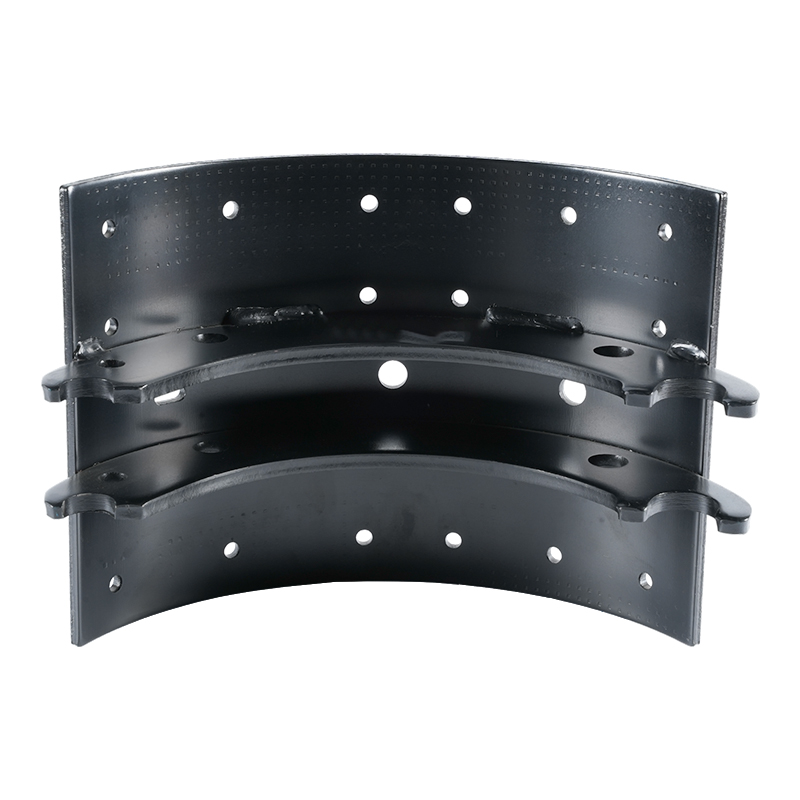
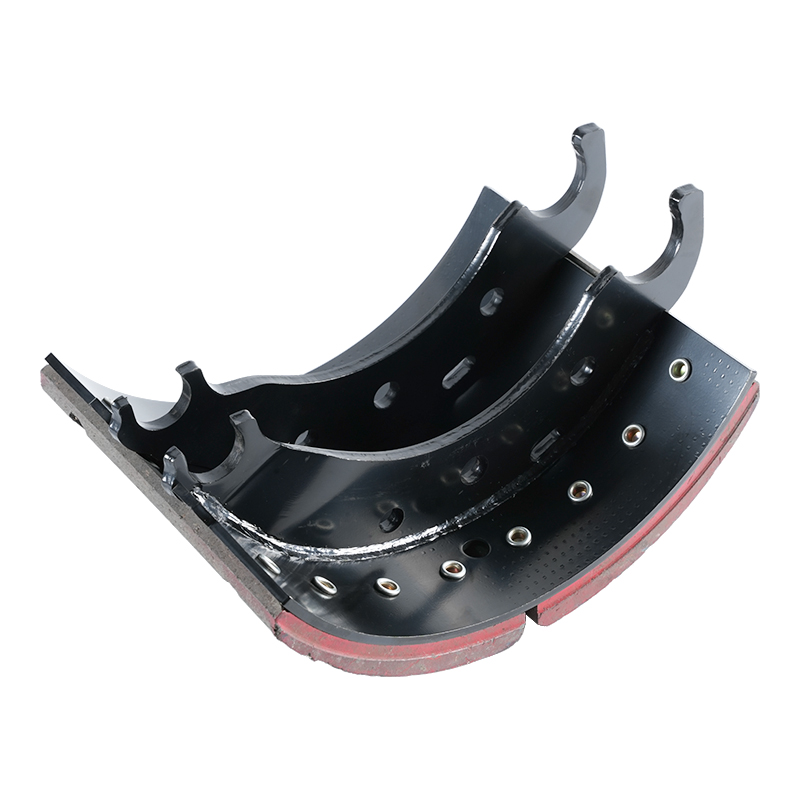
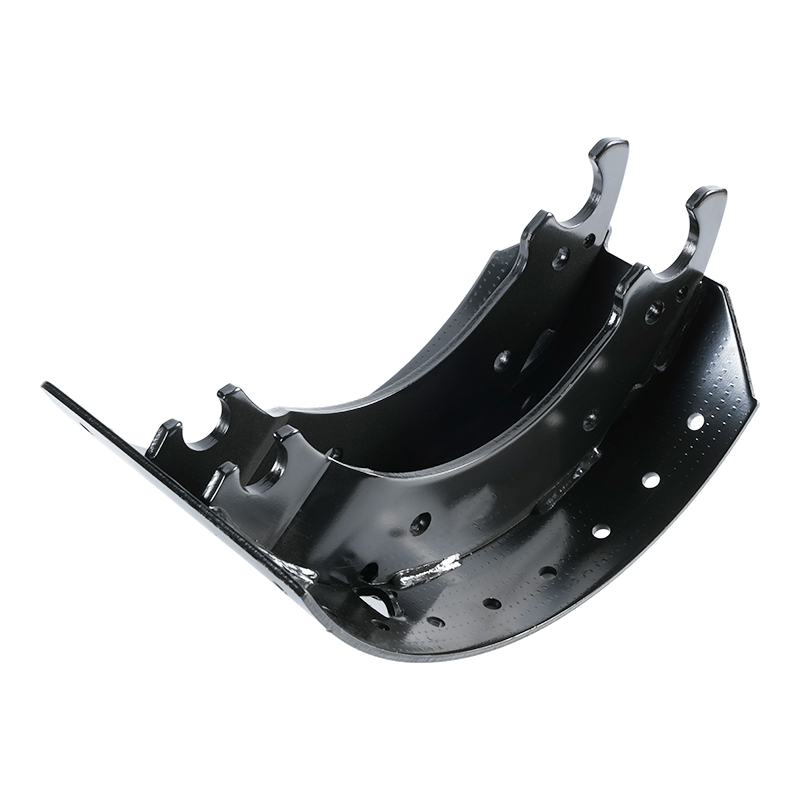
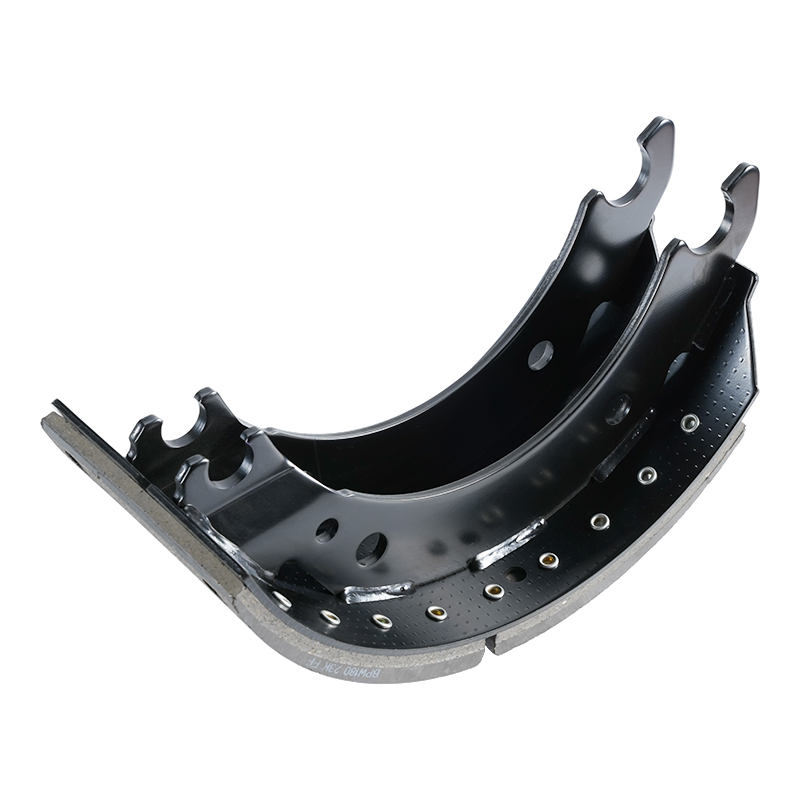
Brake shoes are a core part of drum brake systems, and understanding the difference between rear and front brake shoes starts with knowing which end of your vehicle actually uses them. On the vast majority of modern cars, trucks, and SUVs, the front wheels use disc brakes with brake pads, while only the rear wheels still use drum brakes with brake shoes. This is because the front brakes handle the bulk of stopping power and heat dissipation, which disc brakes manage more effectively, while the rear wheels need less stopping force and can rely on the simpler, more affordable drum brake design.
That said, some older vehicles, certain trucks, and a handful of budget-oriented models still use brake shoes on both the front and rear, which is why the term "rear front brake shoes" comes up when people are trying to figure out exactly which shoes their vehicle needs. Checking your owner's manual or having a parts specialist look up your VIN is the most reliable way to confirm whether your vehicle uses shoes on one axle or both.
How Brake Shoes Work Inside a Drum Brake System
Brake shoes function differently than the brake pads used in disc brake systems, and understanding this mechanism helps explain why they wear and fail in their own particular way. Inside a drum brake assembly, two curved brake shoes sit inside a metal drum that spins along with the wheel. When you press the brake pedal, hydraulic pressure pushes a wheel cylinder that forces the shoes outward against the inside of the spinning drum, creating the friction needed to slow the vehicle down.
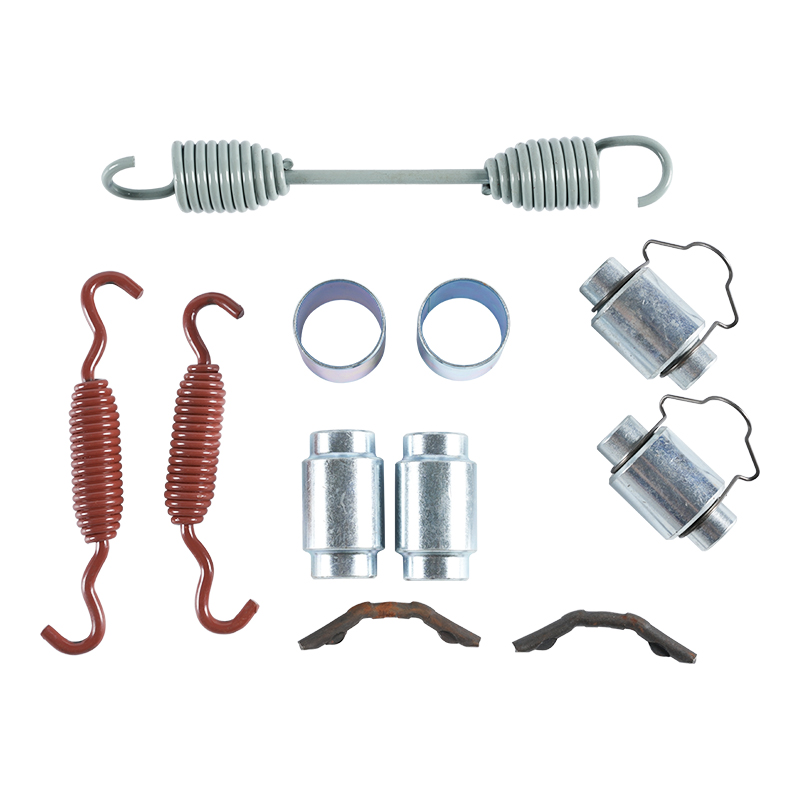
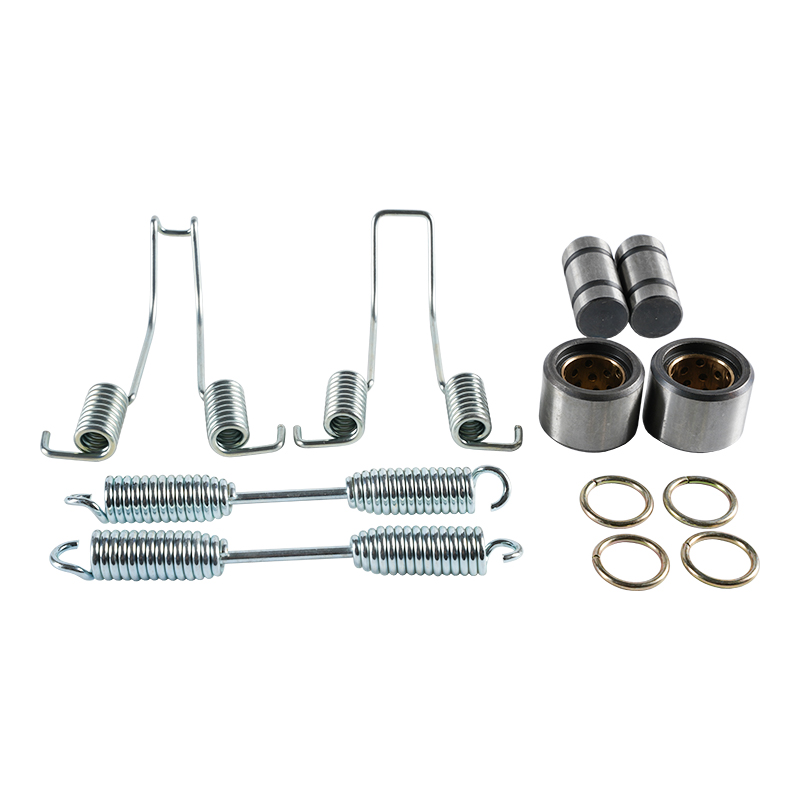
This design includes several supporting parts that work together with the shoes, including return springs that pull the shoes back after braking, an adjuster mechanism that compensates for wear over time, and sometimes a self-adjusting lever connected to the parking brake. Because there are more moving parts than in a disc brake setup, drum brakes using rear or front brake shoes can sometimes feel less responsive and require more frequent adjustment to maintain proper stopping performance.
Warning Signs Your Brake Shoes Need Attention
Brake shoes wear down gradually, and most vehicles will give you several warning signs before a complete failure occurs. Recognizing these symptoms early can prevent a minor repair from turning into a more expensive one.
- A grinding or scraping noise when braking, which usually means the friction material has worn down to the metal backing.
- A high-pitched squeal coming from the rear wheels, often caused by a wear indicator built into the shoe or by glazing on the friction surface.
- Reduced braking performance or a pedal that needs to be pressed further to the floor than usual.
- A pulling sensation to one side when braking, which can indicate uneven wear between the rear or front brake shoes on opposite wheels.
- A burning smell after repeated stops, suggesting the shoes are overheating due to excessive wear or a stuck adjuster.
- The parking brake feeling looser than normal or failing to hold the vehicle in place on an incline.
If you notice any combination of these signs, it's worth having the drums removed and the shoes inspected as soon as possible, since driving on worn-out brake shoes significantly increases stopping distance and the risk of brake failure.
How Often Rear and Front Brake Shoes Need Replacement
Brake shoe lifespan depends heavily on driving habits, vehicle weight, and terrain, but there are some general benchmarks that can help you plan ahead for replacement.
| Driving Condition | Typical Brake Shoe Lifespan |
| Highway driving, light braking | 70,000 - 100,000 miles |
| Mixed city and highway driving | 40,000 - 70,000 miles |
| Heavy city driving, frequent stops | 25,000 - 40,000 miles |
| Towing or carrying heavy loads | 20,000 - 35,000 miles |
Vehicles used primarily for stop-and-go city driving or regular towing will wear through rear or front brake shoes much faster than those driven mostly on the highway, since constant braking generates more friction and heat. Having your brakes inspected during routine oil changes or tire rotations is a simple way to catch wear before it becomes a problem.
What It Costs to Replace Brake Shoes
Replacing brake shoes is generally less expensive than replacing brake pads and rotors, since the parts themselves tend to cost less and the drum often doesn't need replacement unless it's been damaged or worn beyond specification.
Parts Costs
A set of replacement brake shoes typically costs between $30 and $90 per axle, depending on the vehicle and whether you choose an economy or premium friction material. If the brake drums themselves need to be resurfaced or replaced, expect to add another $40 to $100 per drum.
Labor Costs
Professional labor for replacing rear or front brake shoes generally runs between $80 and $150 per axle, since the job involves removing the drum, disassembling the spring and adjuster hardware, and properly reinstalling everything with correct spring tension. Total cost for a full brake shoe service, including parts and labor, usually falls between $150 and $300 per axle.
DIY Replacement Tips for Confident Home Mechanics
Replacing brake shoes yourself is possible for those comfortable working with spring-loaded hardware, but it's a job that rewards patience and the right approach.
- Work on one wheel at a time and use the opposite, still-assembled side as a reference for spring and hardware placement.
- Take a photo of the assembly before disassembling it, since spring positions can be confusing to remember later.
- Use a dedicated brake spring tool to safely remove and install return springs without injury, since they're under significant tension.
- Clean all brake dust using a designated brake cleaner spray rather than compressed air, since brake dust on older vehicles may contain asbestos.
- Adjust the self-adjuster mechanism properly after installation, and test the parking brake before driving to confirm everything engages correctly.
If at any point the job feels overwhelming or a part doesn't match what you expected based on your research, it's better to pause and consult a professional than risk an improperly assembled brake system. Brake shoes are one of the few parts on a vehicle where a small mistake during installation can have serious safety consequences.

 Home
Home +86-158-6900-2386 / +86-0571-61075636
 zjlrqp@163.com
 No. 518, Nanhu Road, Tianzihu Town, Anji County, Zhejiang Province, China
Copyright © Zhejiang Langrun Auto Parts Co., Ltd. All rights reserved. Heavy-Duty Brake Shoe Manufacturer in China

