


 Eng
Eng 
 中文简体
中文简体
 Home / News / Industry News / The European Car Brake Shoe: A Cornerstone of Passenger Vehicle Safety and Performance
 The European Car Brake Shoe: A Cornerstone of Passenger Vehicle Safety and Performance
 2026.07.21
 Industry News
In the landscape of modern passenger vehicle braking systems, disc brakes often capture the spotlight, particularly on front axles where superior heat dissipation and stopping power are paramount. Yet the brake shoe—the curved friction component that presses against the inner surface of a drum—remains an indispensable element of European car engineering. Far from being a relic of automotive history, the brake shoe continues to serve critical roles in rear-axle braking, parking brake functions, and compact vehicle architectures. Its evolution reflects decades of material science, manufacturing precision, and regulatory pressure, all shaped by the unique demands of European driving conditions. This article examines the brake shoe specifically within the context of European passenger cars, exploring its design, materials, market dynamics, and the innovations that secure its future in an era of electrification and automation.
Content
- 1 The Enduring Role of Brake Shoes in Passenger Cars
- 2 Design and Structural Engineering
- 3 Friction Material Development for European Cars
- 4 Manufacturing Excellence and Quality Control
- 5 Regulatory Framework and Compliance
- 6 The Aftermarket Landscape for Passenger Car Brake Shoes
- 7 Maintenance and Service Considerations
- 8 Impact of Electrification and Future Trends
- 9 Conclusion
The Enduring Role of Brake Shoes in Passenger Cars
While front disc brakes have become nearly universal across European car segments, rear axle configurations vary considerably. Compact and subcompact vehicles—which constitute a significant portion of European sales—frequently employ drum brakes on the rear axle. The reasons are practical and economic: drum brakes are less expensive to manufacture, lighter in many designs, and their enclosed structure protects friction surfaces from water, dirt, and road debris. Moreover, the self-energising characteristic of drum brakes reduces the required actuation force, allowing smaller and lighter hydraulic or mechanical components.
Beyond full drum systems, a large proportion of European passenger cars with rear disc brakes incorporate a separate, smaller drum brake inside the disc hub. This “drum-in-hat” design serves exclusively as the parking brake. In this configuration, a miniature pair of brake shoes expands against the inner circumference of the disc’s top hat section, providing reliable holding force on inclines without placing extra wear on the main disc pads. This clever integration ensures that even premium sedans and SUVs rely on brake shoe technology for their parking brake function, guaranteeing the continued relevance of the component across all price points.
Design and Structural Engineering
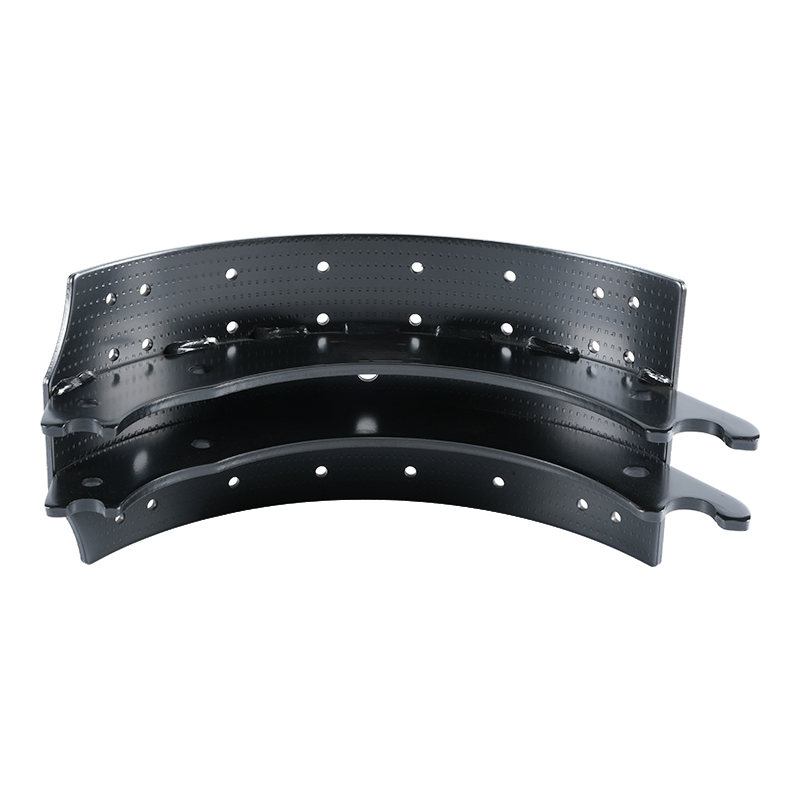
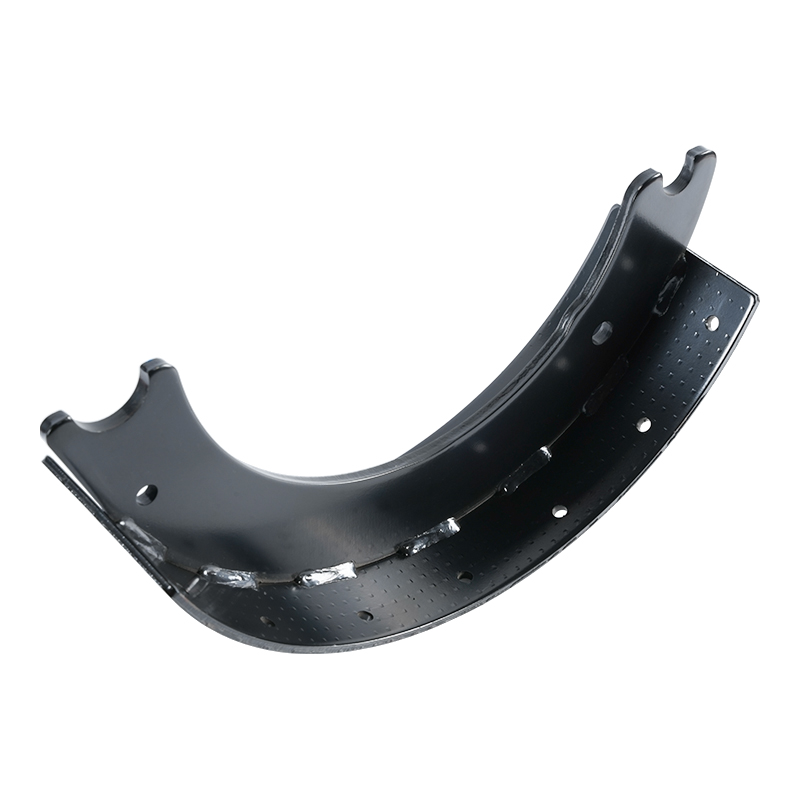
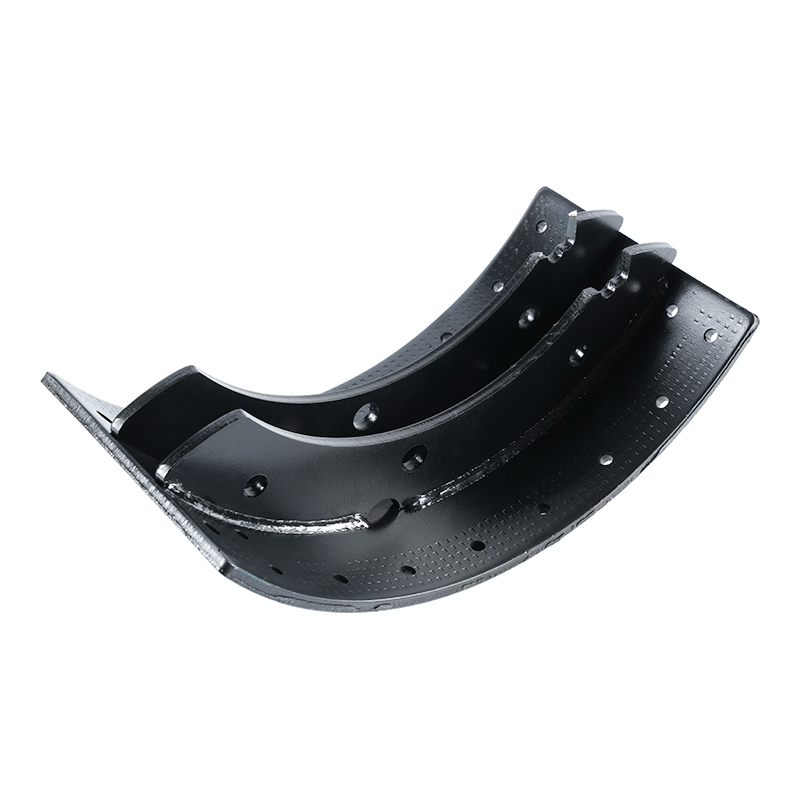
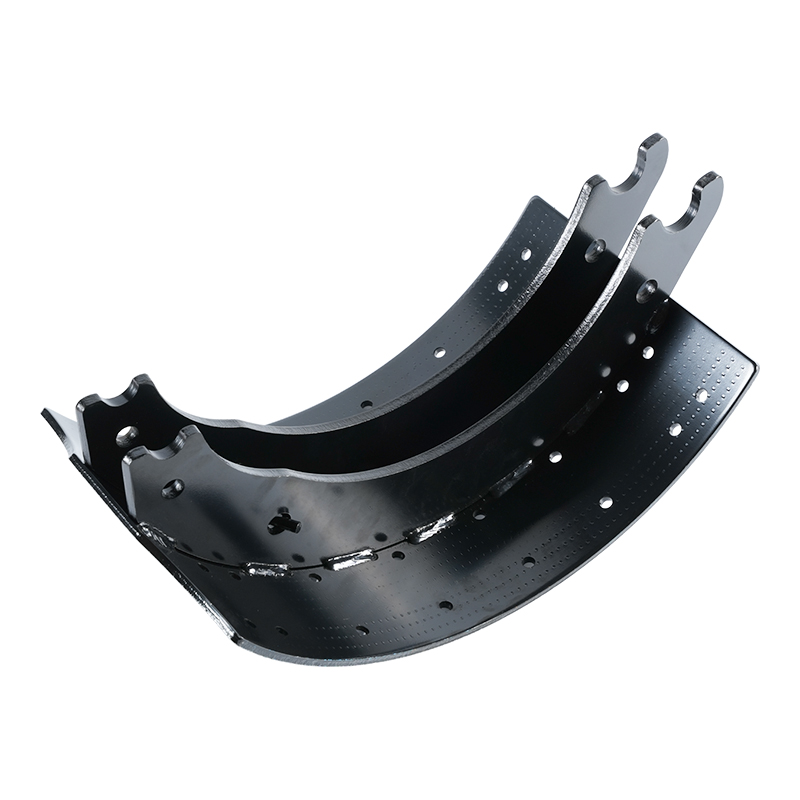
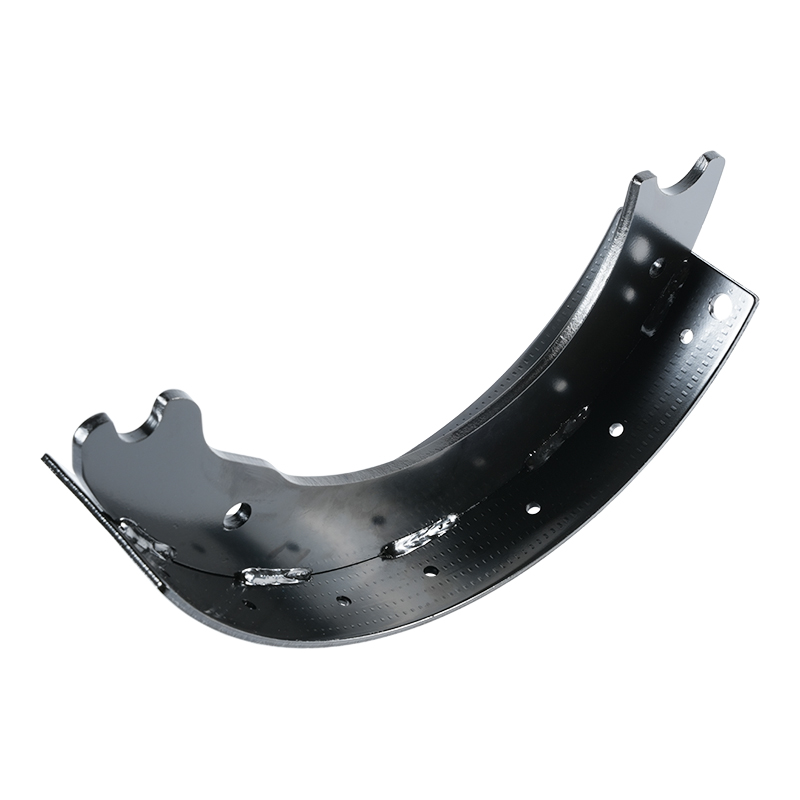
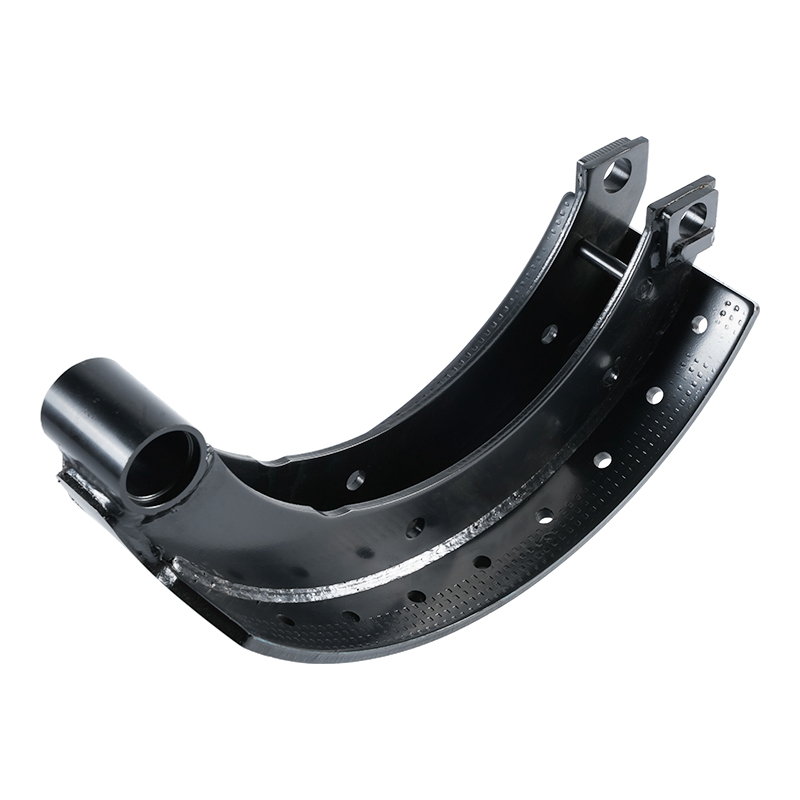
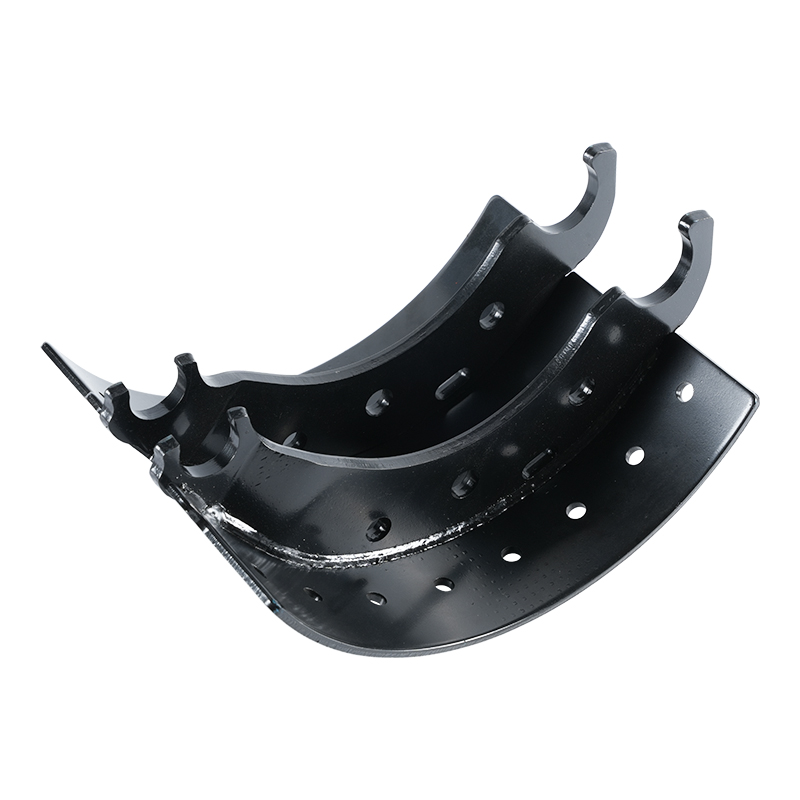
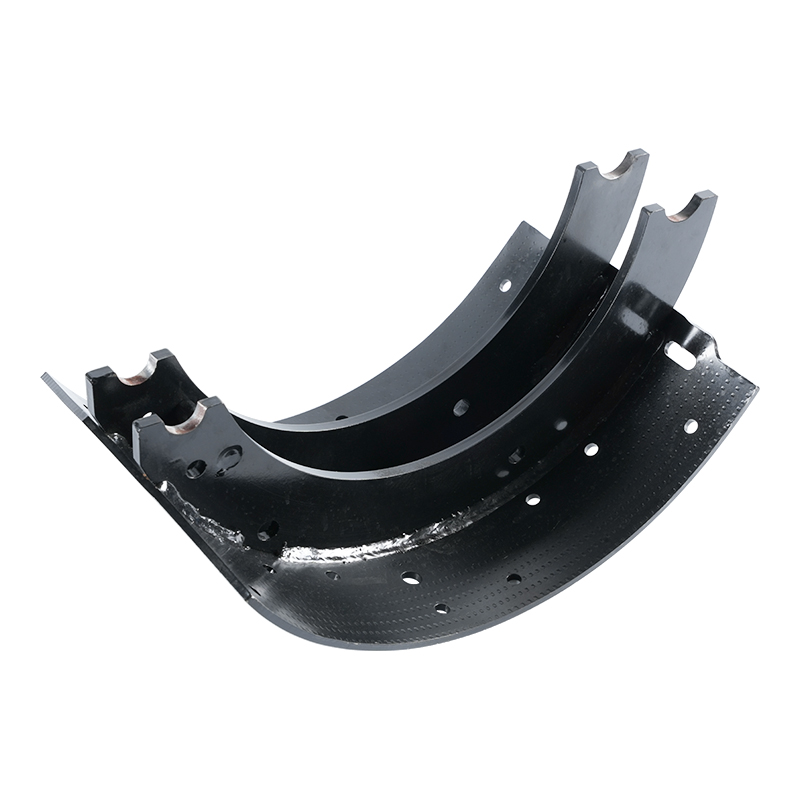
The fundamental architecture of a passenger car brake shoe is deceptively simple: a rigid metal carrier, typically stamped from high-strength steel, supports a friction lining bonded to its outer arc. However, the engineering behind this assembly is highly refined. The carrier must exhibit sufficient stiffness to resist bending under hydraulic or mechanical actuation forces, yet its geometry must match the drum’s internal radius precisely. European manufacturers employ advanced finite element analysis to optimise the carrier’s shape, ensuring uniform pressure distribution across the lining surface. This uniformity is critical to prevent localised overheating, uneven wear, and judder.
Surface treatments play a vital role in durability. The carrier undergoes phosphating, zinc-flake coating, or high-temperature varnishing to resist corrosion—a particular concern in European regions where winter road salt accelerates rust formation. Corrosion not only weakens the metal but can also cause the friction lining to delaminate, leading to brake failure. Therefore, modern European brake shoes feature multi-layer protective systems that have been validated through extensive salt-spray and cyclic corrosion tests.
The bonding interface between the lining and the carrier is another area of sophisticated engineering. Phenolic-based adhesives are applied under controlled heat and pressure, creating a bond that often exceeds the shear strength of the lining itself. Some designs incorporate perforations or mechanical keys in the carrier to provide additional interlocking, ensuring that even under extreme thermal cycling—from sub-zero winter starts to repeated high-speed stops—the lining remains firmly attached.
Friction Material Development for European Cars
The friction material of a car brake shoe is a carefully balanced composite, tailored to meet the conflicting demands of stopping performance, comfort, durability, and environmental compatibility. European regulations have driven a complete transformation in formulation. Asbestos was phased out decades ago, and the subsequent shift toward semi-metallic materials gave way to non-asbestos organic (NAO) compounds, which now dominate the passenger car segment.
Modern European brake shoe linings are complex mixtures containing aramid fibres for structural integrity, glass fibres for heat resistance, ceramic particles for stable friction, and various organic binders and friction modifiers. The proportion of metal content has been significantly reduced, not only to lower wear on the drum but also to minimise brake noise—a critical comfort factor for discerning European drivers. Low-metallic and ceramic-based formulations generate less dust, which is particularly valued in the premium car segment where wheel cleanliness is a mark of quality.
Friction stability across a wide temperature range is paramount. European driving encompasses alpine descents, autobahn high-speed cruising, and stop-and-go urban traffic. The friction coefficient must remain consistent from ambient temperatures up to several hundred degrees Celsius, with minimal fade. Advanced materials achieve this through the inclusion of thermally stable fillers and specialised lubricating phases that activate at high temperatures to prevent excessive wear and maintain a predictable deceleration feel.
Noise, vibration, and harshness (NVH) performance is another key design criterion. Drum brakes naturally attenuate high-frequency squeal better than open disc systems, but European car manufacturers still impose stringent noise limits. Friction material formulations are optimised to dampen vibrations at the shoe-drum interface, and the shoe’s geometry may include chamfers, slots, or shims to further disrupt resonant frequencies.
Manufacturing Excellence and Quality Control
The production of brake shoes for European passenger cars is a highly automated and precision-driven process. Steel coils are blanked and formed into carriers using progressive dies, with dimensional tolerances measured in hundredths of a millimetre. The friction compound is mixed in high-intensity mixers, with exacting control over temperature, humidity, and batch consistency. The lining is either moulded directly onto the carrier under heat and pressure or pre-formed and bonded in a subsequent curing step.
Curing cycles are carefully monitored to achieve the optimal cross-linking of the phenolic resin, which directly affects the lining’s hardness, wear resistance, and fade characteristics. After curing, each shoe undergoes inspection—often using laser triangulation or machine vision—to verify the arc profile, lining thickness, and bond integrity. Some European facilities employ eddy-current testing to detect micro-cracks in the carrier, ensuring that only flawless components reach the assembly line.
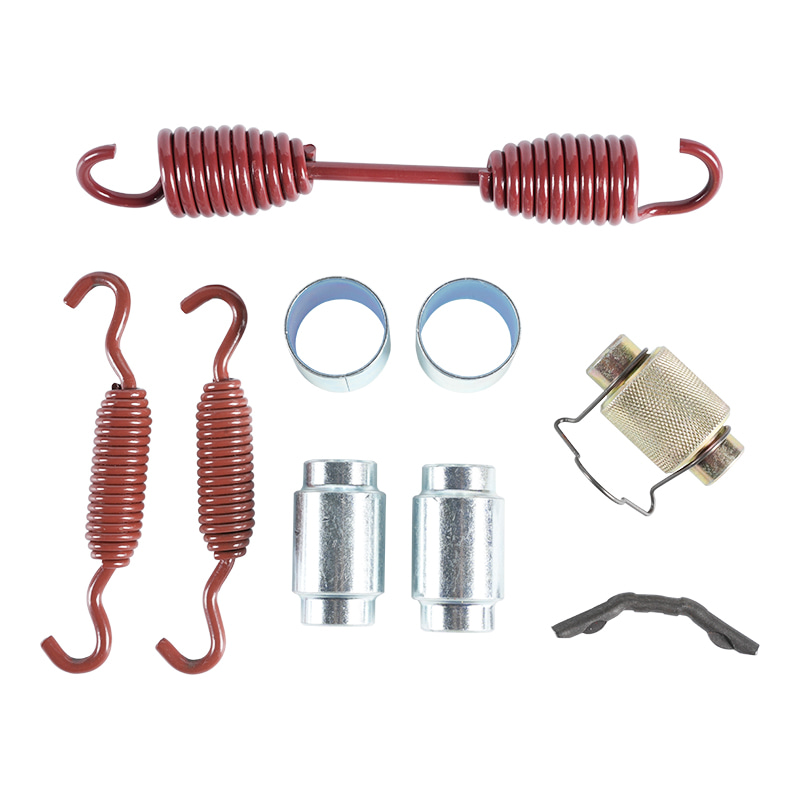
For the aftermarket, many European brake shoes are supplied as complete kits, including the return springs, hold-down pins, and adjuster mechanisms. This pre-assembly reduces installation errors in independent garages and ensures that the entire braking system’s mechanical components are refreshed together, restoring original equipment performance. The kits are packaged with clear fitting instructions and, in some cases, colour-coded components to simplify the replacement process.
Regulatory Framework and Compliance
Europe’s regulatory environment for brake components is among the most rigorous globally. Replacement brake shoes for passenger cars must demonstrate performance equivalent to the original parts, verified through standardised testing protocols that simulate repeated high-energy stops, fade resistance, and cold effectiveness. The approval process also covers shear strength, thermal stability, and dimensional compatibility with a wide range of drum designs.
Environmental regulations have had a profound impact. Restrictions on hazardous substances, including lead, chromium, and certain aromatic oils, have forced manufacturers to reformulate not only the friction material but also the adhesives and surface coatings. The ongoing focus on particulate matter emissions from brake wear has accelerated the development of low-dust, copper-free compositions. These new materials must maintain the same high level of friction performance while generating significantly fewer airborne particles—a challenge that European material scientists are actively addressing through the use of alternative fibre types and binding systems.
In addition to environmental directives, Europe’s periodic vehicle inspection regimes enforce strict limits on brake efficiency and imbalance. Brake shoes that fail to deliver balanced deceleration across the axle will result in a failed inspection, driving the aftermarket demand for high-quality, certified replacement parts.
The Aftermarket Landscape for Passenger Car Brake Shoes
Europe’s independent aftermarket is a major channel for brake shoe sales, fuelled by the region’s large and ageing vehicle parc. Car owners in Europe tend to keep their vehicles longer than those in many other developed markets, leading to multiple brake replacements over a car’s lifetime. The aftermarket is characterised by intense competition among suppliers, who compete on coverage, quality, price, and technical support.
Product coverage is a critical differentiator. Leading aftermarket brands offer brake shoe references that cover nearly every European, Asian, and American passenger car model sold on the continent over the past 25 years. This extensive coverage is achieved through a combination of common backing plate designs and modular friction attachments, allowing a relatively small number of base components to serve a wide array of applications.
Technical support to workshops is another pillar of the European aftermarket. Suppliers provide detailed catalogues, online fitment guides, and training programmes to ensure that even independent garages can perform brake shoe replacements to the same standard as dealer networks. The availability of pre-assembled kits, which include all necessary hardware, simplifies the process and reduces the risk of missing parts or incorrect assembly.
Maintenance and Service Considerations
Replacing brake shoes on a European passenger car is a routine but exacting task. The drum must be removed, and the old shoes, springs, and adjusters are inspected and replaced. The drum’s internal surface is checked for scoring, out-of-roundness, and excessive taper. If the drum is worn beyond specified limits, it must be machined or replaced to ensure proper shoe contact. The new shoes are fitted with care, ensuring that the leading and trailing shoes (if they are of different lengths) are positioned correctly.
The automatic adjuster mechanism, which compensates for lining wear, must be properly reset and lubricated. In many European cars, the handbrake cable adjustment is also performed during shoe replacement, as the parking brake uses the same shoes in a drum system. For drum-in-hat parking brakes, replacement requires removing the rear disc, accessing the small shoes inside, and adjusting the star-wheel adjuster to achieve the correct clearance.
European workshops are trained to follow torque specifications for wheel hub nuts and drum retaining screws, and they apply anti-seize compounds to prevent corrosion-induced seizing between the drum and hub. These meticulous procedures ensure that the new brake shoes provide optimal performance and longevity.
Impact of Electrification and Future Trends
The advent of electric vehicles (EVs) and hybrids is reshaping the duty cycle of car brake shoes. Regenerative braking handles the majority of deceleration, meaning that friction brakes are applied less frequently and at lower temperatures. While this reduces wear, it introduces new challenges: infrequent use can lead to corrosion build-up on the drum surface and glazing of the friction lining, potentially resulting in reduced effectiveness when the friction brakes are finally called upon during emergency stops or low-speed parking manoeuvres.
European engineers are responding with several innovations. Friction materials are being reformulated to perform optimally at lower operating temperatures, with improved anti-corrosion properties and reduced sensitivity to moisture. Brake control software is also being programmed to periodically apply the friction brakes in a subtle, almost imperceptible manner—often during regenerative deceleration—to clean the drum surface and maintain the lining’s friction characteristics.
Another trend is lightweighting. Reducing the mass of brake shoes contributes to lower unsprung weight, improving ride comfort and handling, which are highly valued in European car design. Experiments with aluminium carriers, high-strength steel grades, and even composite materials are underway, though cost and durability remain constraints. Additionally, the push for circular economy principles encourages the use of recycled materials in carriers and the recovery of friction material waste during manufacturing.
Autonomous driving technologies also place new demands on braking systems. In fully automated driving, brake actuation is managed by electronic control units without human pedal input. Brake shoes must deliver predictable, low-hysteresis response under all environmental conditions, with precise actuation forces that can be modulated by the brake-by-wire system. This requires tighter tolerances in shoe geometry and friction coefficient consistency than ever before, driving further refinements in manufacturing and material selection.
Conclusion
The European car brake shoe, often overshadowed by disc brake technology, is a testament to the enduring value of well-engineered, cost-effective, and reliable solutions. Its continued presence on rear axles and within parking brake mechanisms of millions of passenger cars across the continent reflects a pragmatic balance between performance, economy, and packaging constraints. The component has evolved remarkably: from simple asbestos-lined carriers to sophisticated, environmentally conscious friction systems that meet the highest safety and comfort standards.
As the automotive industry undergoes unprecedented transformation—driven by electrification, automation, and stricter emissions targets—the brake shoe is adapting rather than retreating. New materials, lightweight designs, and software integration are ensuring that this classic component remains fit for purpose in a new era of mobility. For European car owners, workshops, and manufacturers alike, the brake shoe continues to represent a quiet but essential pillar of road safety, embodying the engineering excellence and attention to detail that define the region’s automotive heritage. Its future, far from being written off, is being reinvented with the same innovative spirit that has guided its progress for over a century.

 Home
Home +86-158-6900-2386 / +86-0571-61075636
 zjlrqp@163.com
 No. 518, Nanhu Road, Tianzihu Town, Anji County, Zhejiang Province, China
Copyright © Zhejiang Langrun Auto Parts Co., Ltd. All rights reserved. Heavy-Duty Brake Shoe Manufacturer in China

