


 Eng

 中文简体

 Home / News / Industry News / Truck Brake Shoe Guide: Fitment, Wear, Assembly and Repair Kits for Heavy Trucks
Truck Brake Shoe Guide: Fitment, Wear, Assembly and Repair Kits for Heavy Trucks
 2026.11.24
 Industry News
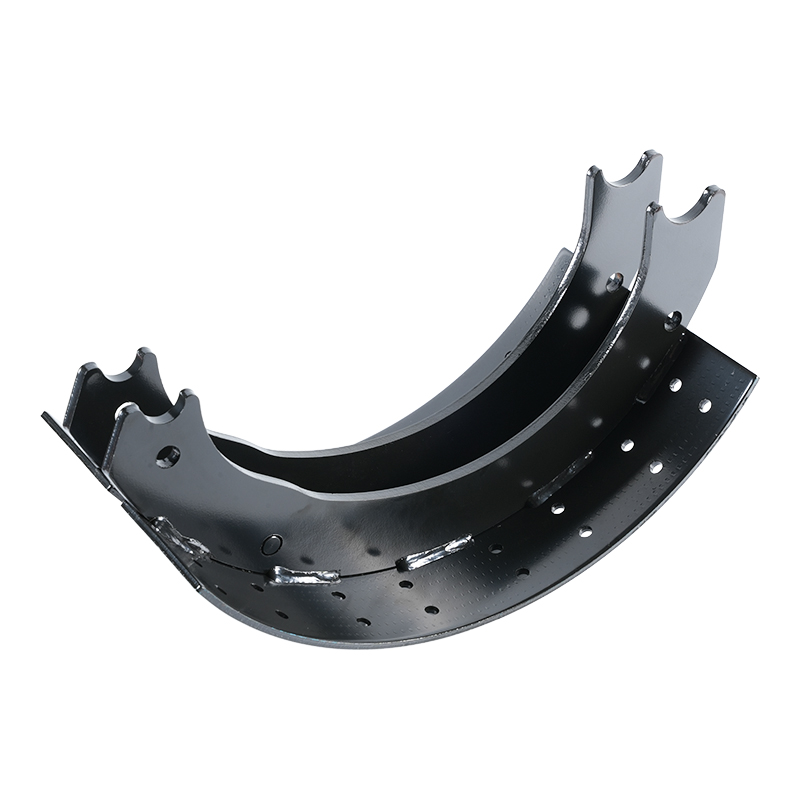
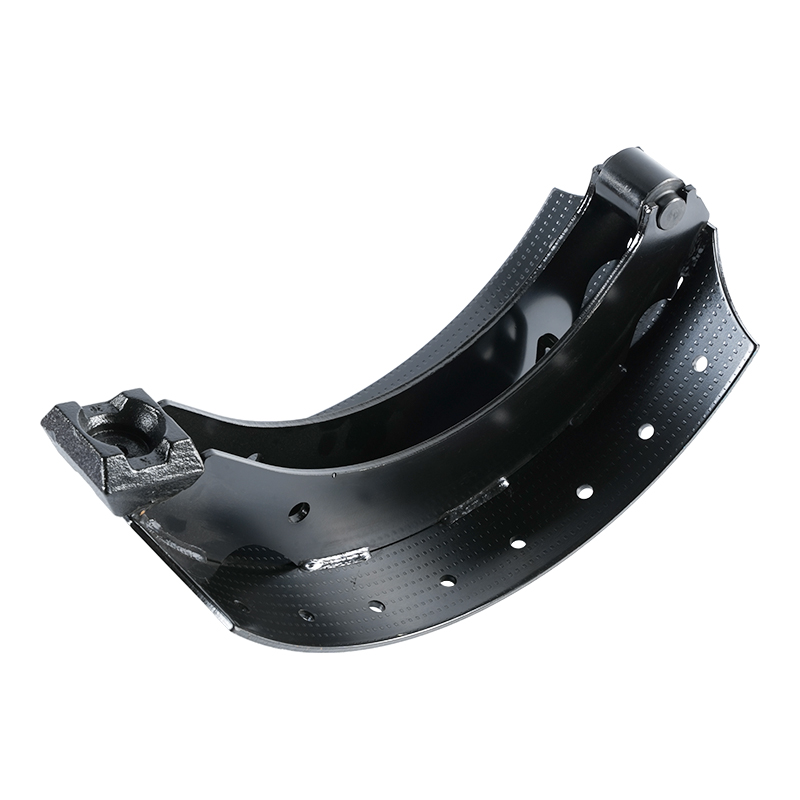
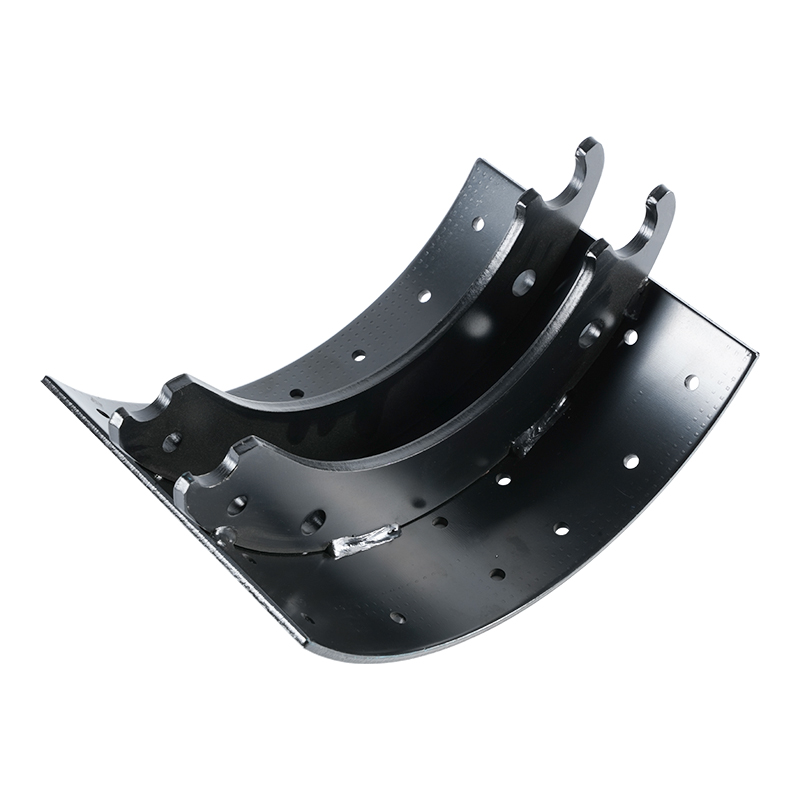
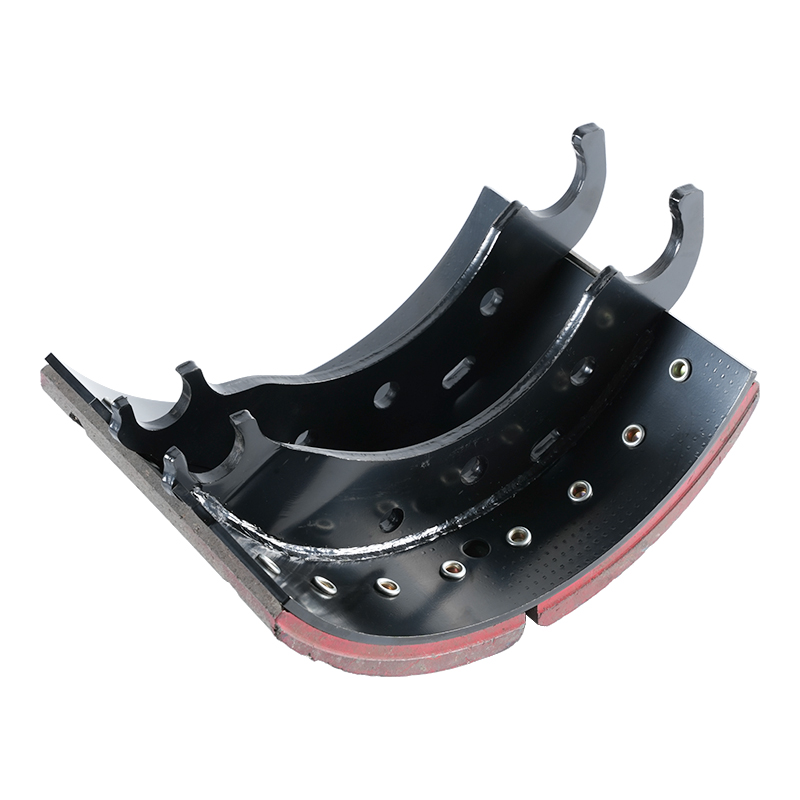
A truck brake shoe is a small-looking part with a very large job. In a drum brake, the shoe is the curved metal carrier that presses the friction lining against the inside of the rotating drum. When the driver applies the brake, air pressure or hydraulic force moves the mechanism, the shoe expands, and friction turns motion into heat. For fleets, owner-operators and repair shops, the quality of that simple action affects stopping distance, drum life, downtime and cost per mile. It also explains why buying a truck brake shoe is rarely just a price comparison; fit, lining compound and hardware condition all matter.
Content
What a Truck Brake Shoe Does
The brake shoe provides the stable platform for the friction lining. If the shoe is twisted, poorly formed or fitted with the wrong lining, the result can be uneven contact, hot spots, noise, rapid wear or a brake that pulls to one side. The drum may look like the main wear part, but the shoe and lining team determine how evenly the drum is used.
For heavy trucks and trailers, the shoe also has to cope with high load, long descents and frequent stop-start duty. A well-made truck brake shoe keeps its shape under repeated heat cycles, holds the lining firmly and works with the return springs, rollers and anchor points to release cleanly. That release matters as much as the apply. A shoe that drags will overheat, waste fuel and shorten lining life.
Fitment Comes Before Price
Catalogues often separate American-style and European-style brake shoes, but the label alone is not enough. Width, radius, lining thickness, mounting details and hardware can vary between axle platforms and applications. A common mistake is to match only the model name and then discover that the shoe profile, drum contact pattern or spring arrangement is wrong.
A quick fitment check
| What to confirm | Why it matters | Practical check |
|---|---|---|
| Shoe profile and radius | Controls contact with the drum | Compare the old shoe, drum wear and contact pattern |
| Width and lining thickness | Affects heat capacity and stopping feel | Measure both, not just overall length |
| Mounting details | Keeps the shoe aligned and retracting properly | Match pins, rollers, springs and anchor points |
| Application | Load, route and axle position change the duty | Record truck, trailer, axle and operating conditions |
| Brake type | Confirms shoe and drum compatibility | Note drum size and adjustment style before ordering |
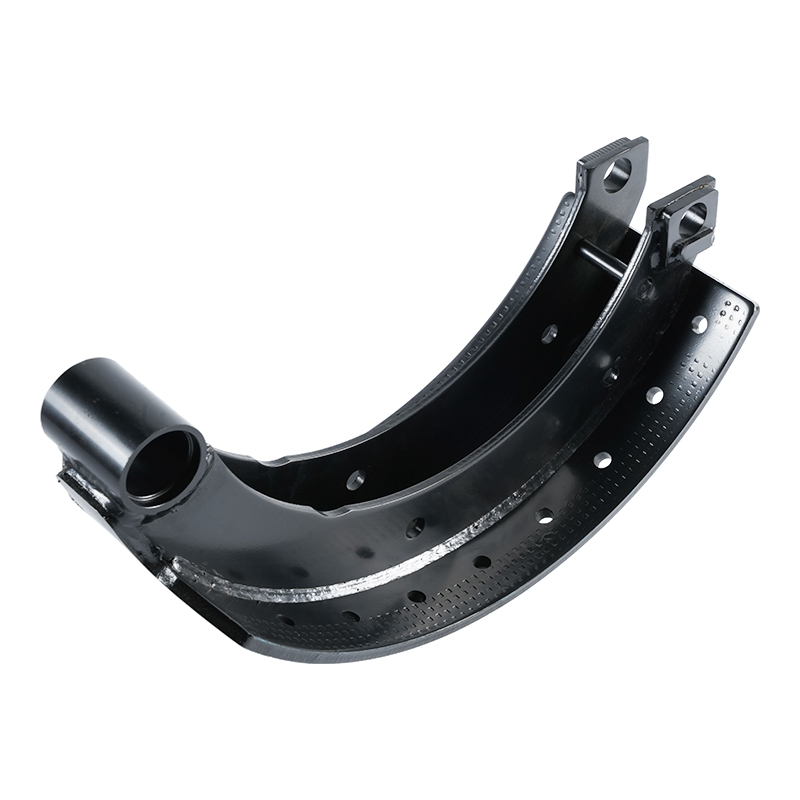
For a heavy-truck American application, a stable stamped-welded shoe can make installation and adjustment more predictable. In our range, the 4515Q heavy-truck American brake shoe is one example of this approach, designed around the needs of demanding road and load cycles rather than a single specification sheet.
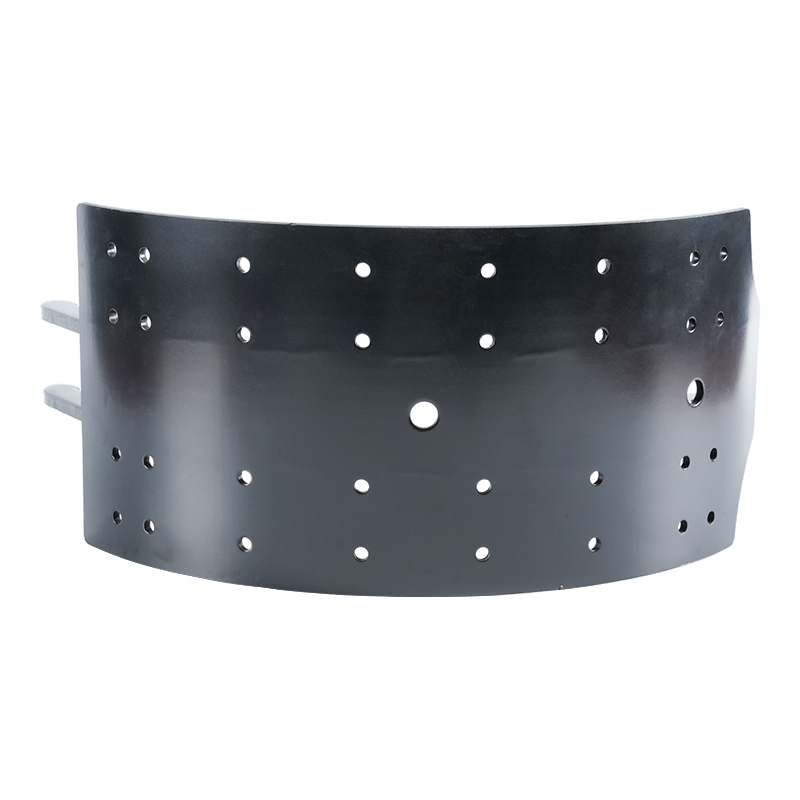 OEM 4515Q Heavy Truck American Brake ShoeOEM American-type heavy-truck brake shoe with high-strength welding and stable dimensions, commonly used in South America and suited to demanding road and load cycles.View Product →
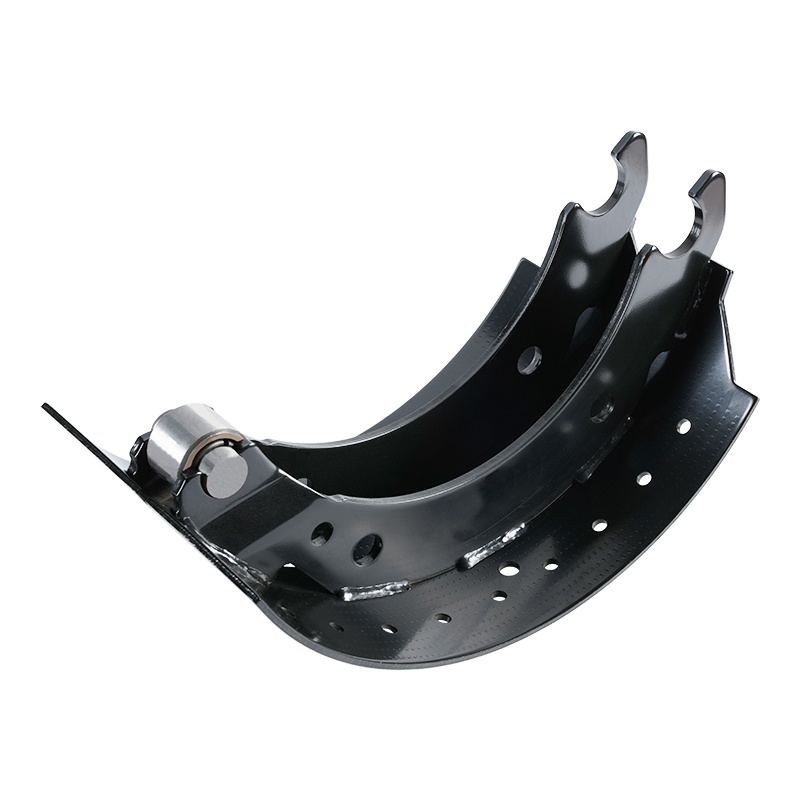
European semi-trailer and truck applications have their own dimensional habits and hardware expectations. A shoe that fits the drum but ignores the lever, roller or spring arrangement can feel acceptable on the bench and still behave poorly on the road. Our European 300-200 brake shoe is the kind of part that should be checked against the complete brake layout, not just the old shoe's outside shape.
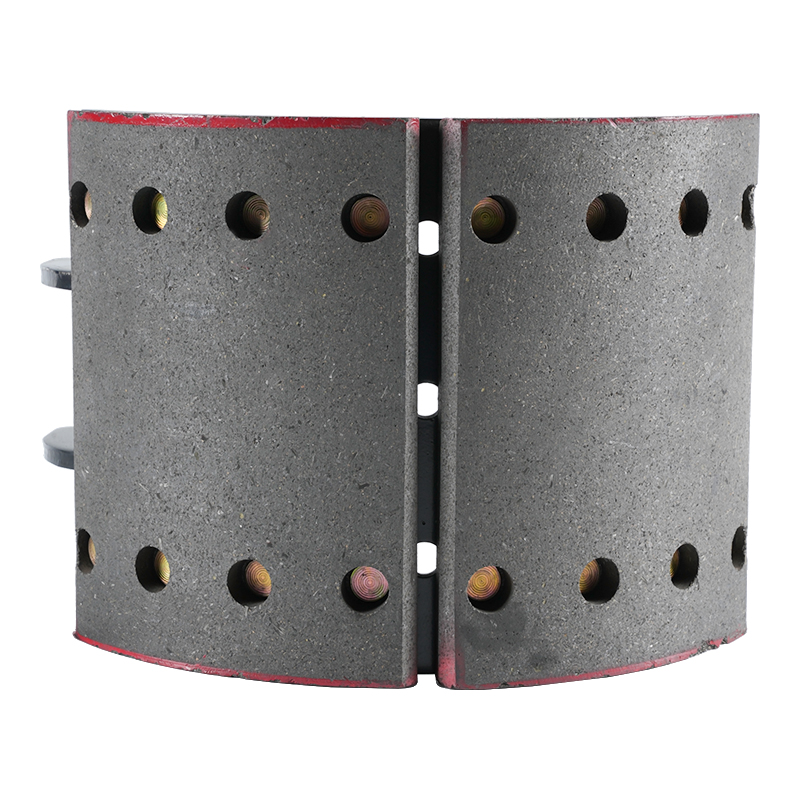 OEM BPW 300×200 European Brake ShoeEuropean brake shoe for BPW axles with high-strength welding and stable dimensions, worth checking against the complete brake layout for commercial vehicle applications.View Product →
Wear Signs That Deserve Attention
Brake shoes rarely fail without warning. Drivers may report a longer pedal or slower air-brake response, a pull under braking, squealing, grinding or a hot smell after a short run. Inspectors may find cracked or glazed lining, oil contamination, loose rivets, bent webs, stretched springs or drums with deep scoring. Any of these signs deserves more than a quick visual check.
Lining thickness is important, but it is not the whole story. A lining that is thick but glazed, contaminated or separating from the shoe can be more dangerous than a worn but evenly used part. Drum condition matters too. A new truck brake shoe fitted against a scored or out-of-round drum will wear quickly and may never bed in properly. For a closer look at replacement timing, see this guide to when a truck brake shoe should be replaced.
Shoe, Assembly, or Repair Kit?
These three forms solve different problems. A bare shoe or shoe with lining suits a repair where the core, hardware and drum are in good condition. A brake shoe assembly combines the shoe and lining as a matched unit, which can reduce bench time and help standardise a fleet replacement programme. A repair kit is the practical choice when springs, rollers, pins or other small parts are tired and would undermine the life of a new shoe.
The decision should come from inspection, not habit. If the old shoe is sound but the lining is worn, a shoe-only replacement may be enough. If the lining is bonded, the assembly is worn as a unit and the workshop wants a controlled swap, an assembly can be cleaner. If corrosion or stretched hardware is present, fitting a new shoe without renewing the kit is often false economy.
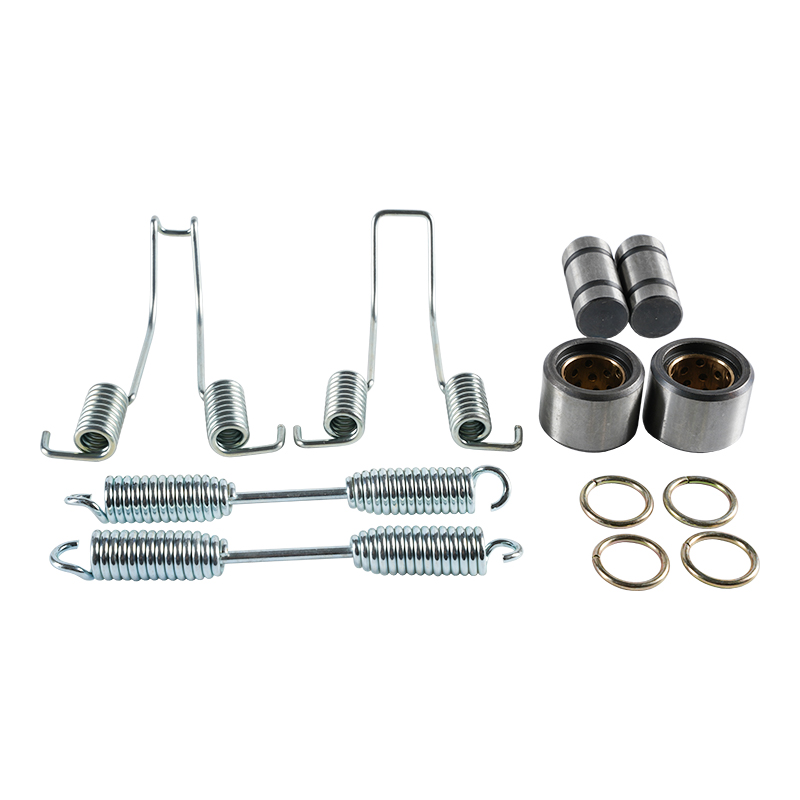
For maintenance teams that want to restore the full contact and release behaviour, a repair kit can be a sensible companion to a shoe order. Our 4707 American brake shoe repair kit is intended for that kind of planned renewal, where the small parts are treated as part of the brake job rather than an afterthought.
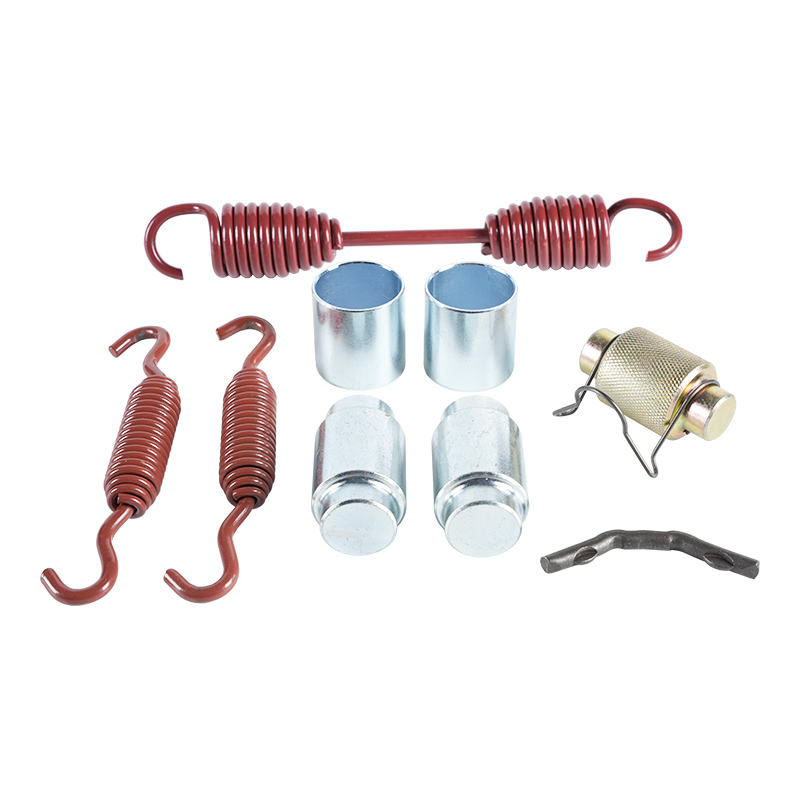 OEM 4707 American Brake Shoe Repair KitBrake shoe repair kit with asbestos-free linings, springs, adjustment screws and positioning plates for planned renewal on Meritor, BPW, Fuhua and EATON axle applications.View Product →
Installation and Maintenance Habits That Pay Back
Good installation starts with a clean, measured brake. Check the drum, replace or machine it only within the manufacturer's limits, and confirm that the shoe fits the anchor points and hardware without force. Lubricate the correct pivot and contact points with the specified grease, keep grease away from the lining, and replace springs that have lost tension. Torque fasteners to the workshop specification and adjust the brake as required for the system.
- Record the old shoe, lining and drum condition before cleaning.
- Inspect springs, rollers, pins, S-cam or wedge parts and replace worn items.
- Check drum diameter, roundness and surface condition.
- Fit the new truck brake shoe and lining without forcing the hardware.
- Adjust, test and bed in the brake according to the vehicle and fleet procedure.
After installation, a short road test and a follow-up inspection can catch drag, uneven contact or loose hardware before they become costly. Fleet records should note the part number, lining grade, axle position and odometer so that repeat purchases are based on evidence rather than memory.
Sourcing Truck Brake Shoes with Fewer Surprises
A good supplier should make fitment and consistency easier, not harder. Ask for clear dimensional data, lining grade information, batch traceability and packaging that protects the shoe and lining in transit. For export markets, confirm that the product is intended for the relevant American or European application and that the hardware and repair kit references match the shoe.
Our work at Zhejiang Langrun Auto Parts has focused on stamped-welded brake shoes since 2010, with product ranges for heavy trucks, trailers and engineering vehicle applications. We keep American-market and European-market families separate because the details matter, and we support customers who need a practical match between shoe, assembly and repair kit rather than a one-size-fits-all catalogue answer.
If you are comparing suppliers, send the old part details, drum size, axle application and duty cycle. A few clear measurements at the start can prevent a container of parts from becoming a workshop problem later. To discuss a specific truck brake shoe requirement, contact our team with the application details and we will help you narrow the options.

 Home
 +86-158-6900-2386 / +86-0571-61075636
 zjlrqp@163.com
 No. 518, Nanhu Road, Tianzihu Town, Anji County, Zhejiang Province, China

Copyright © Zhejiang Langrun Auto Parts Co., Ltd. All rights reserved. Heavy-Duty Brake Shoe Manufacturer in China

