


 Eng
Eng 
 中文简体
中文简体
 Home / News / Industry News / Truck Brake Shoe Guide: Choosing, Fitting and Maintaining Heavy-Duty Shoes
 Truck Brake Shoe Guide: Choosing, Fitting and Maintaining Heavy-Duty Shoes
 2026.10.09
 Industry News
If you drive, repair or spec heavy trucks for a living, the truck brake shoe is one of those parts you learn to respect. It is small next to the vehicle and hidden inside a drum, yet everything about how a loaded tractor-trailer comes to a stop depends on it. We have been building brake shoes in Anji, Zhejiang since 2010, and in that time we have had thousands of conversations with fleets, repair shops and axle builders about what actually goes wrong and what actually lasts. This guide puts that experience into plain language: what a truck brake shoe does, how American and European designs differ, how to read wear before it becomes a breakdown, and how to choose the right set the first time.
Content
- 1 What a Truck Brake Shoe Does Every Time You Touch the Pedal
- 2 American and European Brake Shoes: Two Traditions, One Job
- 3 How to Tell Your Truck Brake Shoes Are Tired
- 4 Choosing the Right Truck Brake Shoe for Your Fleet
- 5 Fitting and Maintenance Habits That Add Thousands of Miles
- 6 What We Have Learned From Building Brake Shoes Since 2010
- 7 Keeping Trucks Stopping, Mile After Mile
What a Truck Brake Shoe Does Every Time You Touch the Pedal
On most heavy trucks and on almost every commercial trailer, braking still happens inside a drum. Compressed air pushes a piston in the brake chamber, which turns a slack adjuster and an S-cam shaft. The S-cam spreads two curved brake shoes outward until the friction lining attached to them presses against the inside of the turning drum. Friction converts momentum into heat, and the vehicle slows down.
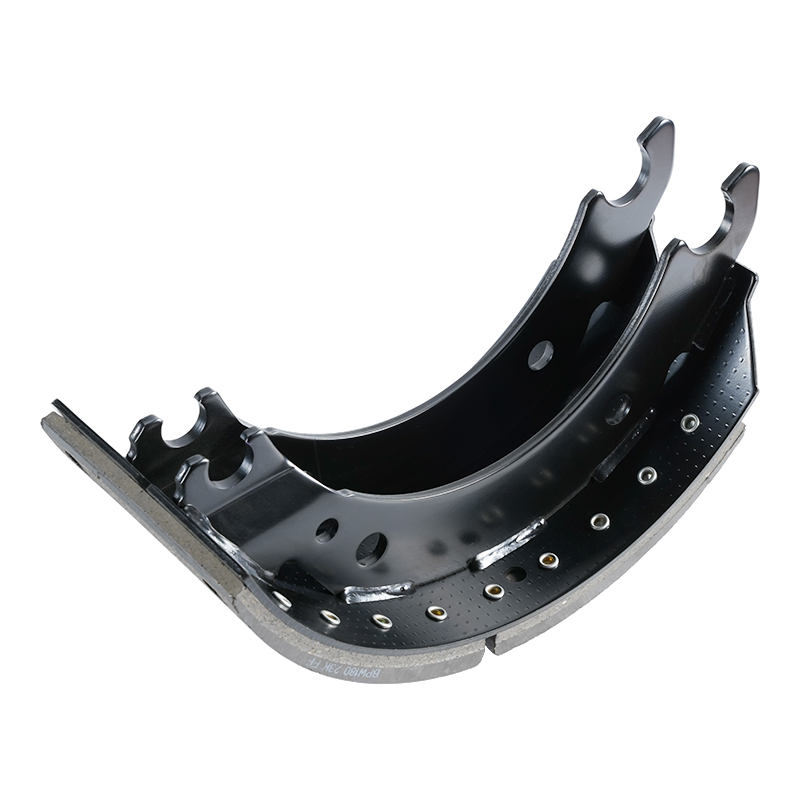
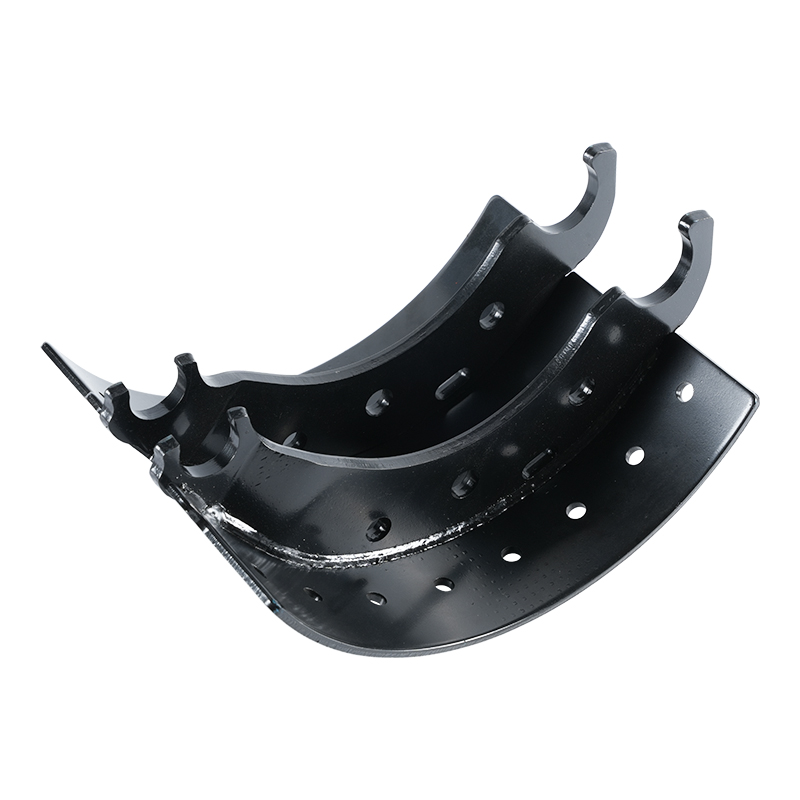
The shoe is the steel backbone of that process. It has to hold the lining firmly, keep its shape under heat and load, and pivot cleanly on its anchor pin and roller so it can return to rest when the driver releases the pedal. A shoe that flexes, cracks or drags will wear its lining unevenly, overheat the drum and shorten the life of everything around it. That is why we treat a brake shoe as an engineered component rather than a bent piece of plate.
American and European Brake Shoes: Two Traditions, One Job
Anyone buying shoes for a mixed fleet learns quickly that there is no universal truck brake shoe. The two large families in the aftermarket are American-style and European-style shoes, and the difference is not a marketing label. It comes from the axle platforms themselves: the width and thickness of the shoe table, the radius, the lining thickness, and the way the shoe locates on the cam and anchor pin all follow the original axle design.
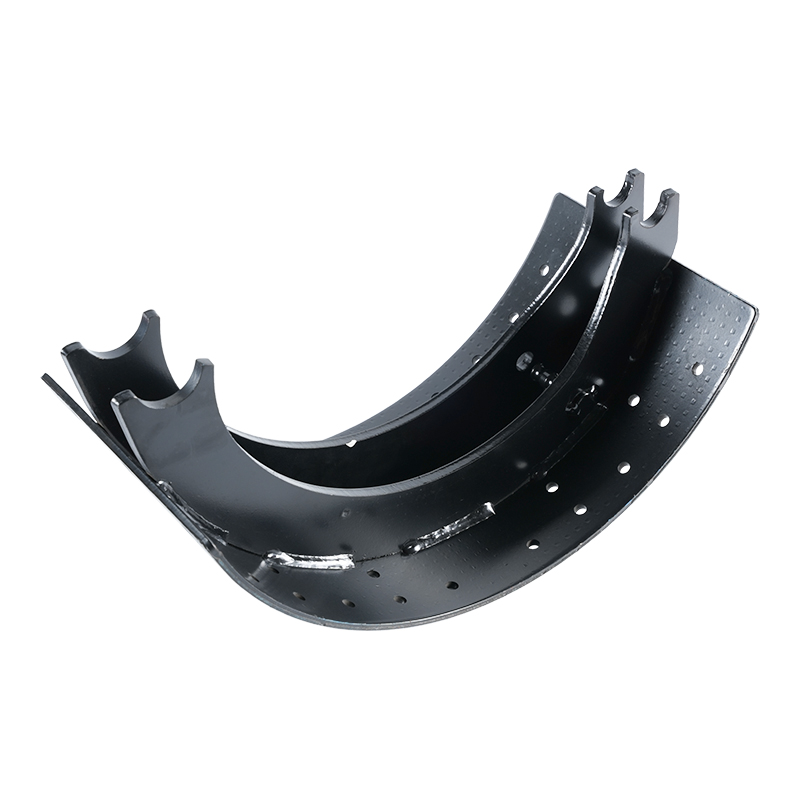
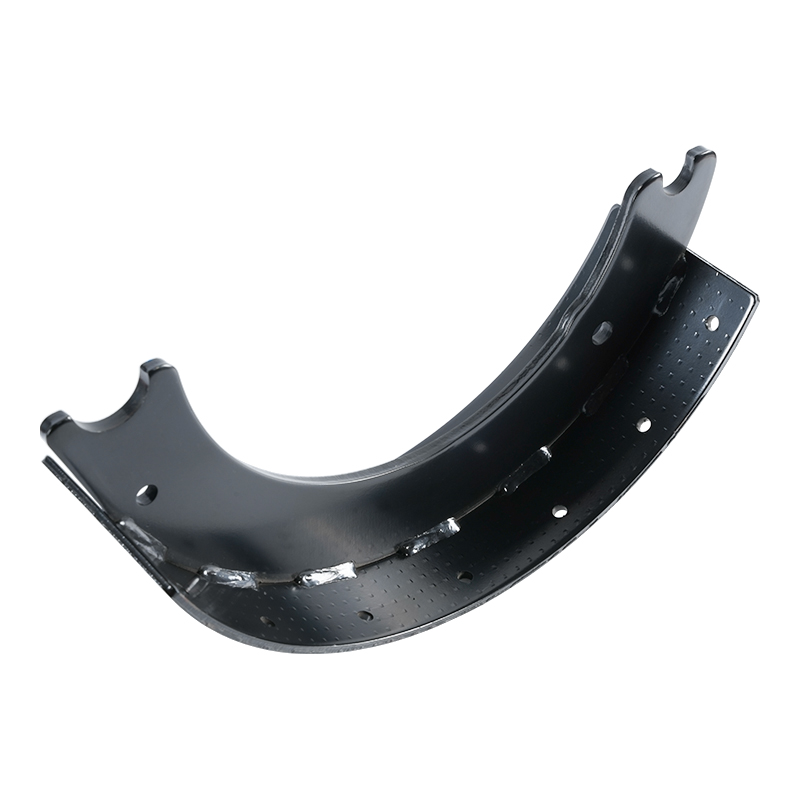
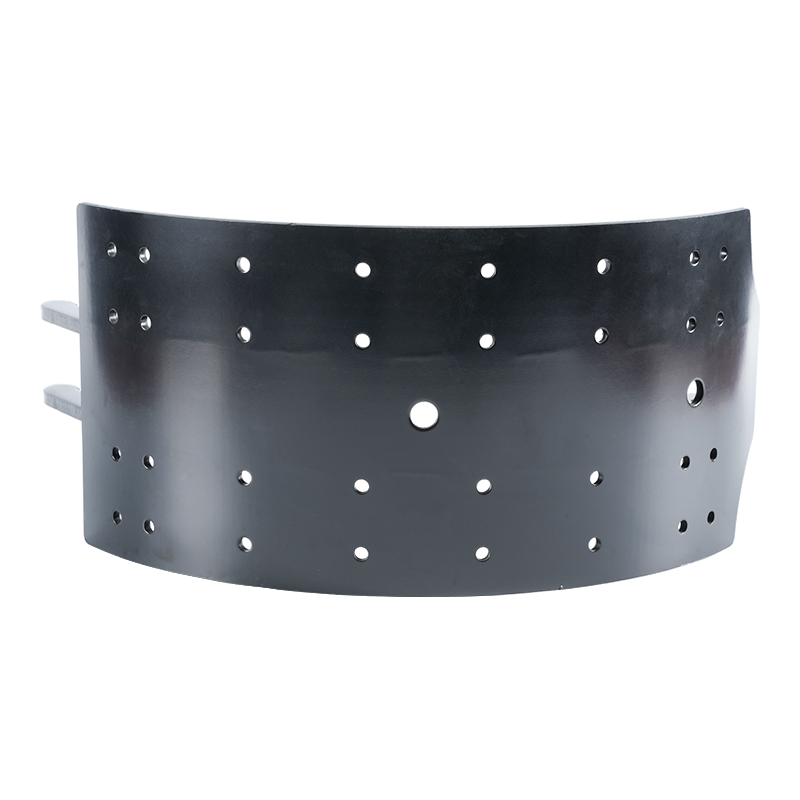 OEM 4515Q Heavy Truck American Brake ShoeAmerican-style brake shoe for heavy trucks, commonly used in South America and shown in American versus European brake shoe comparisons.View Product →
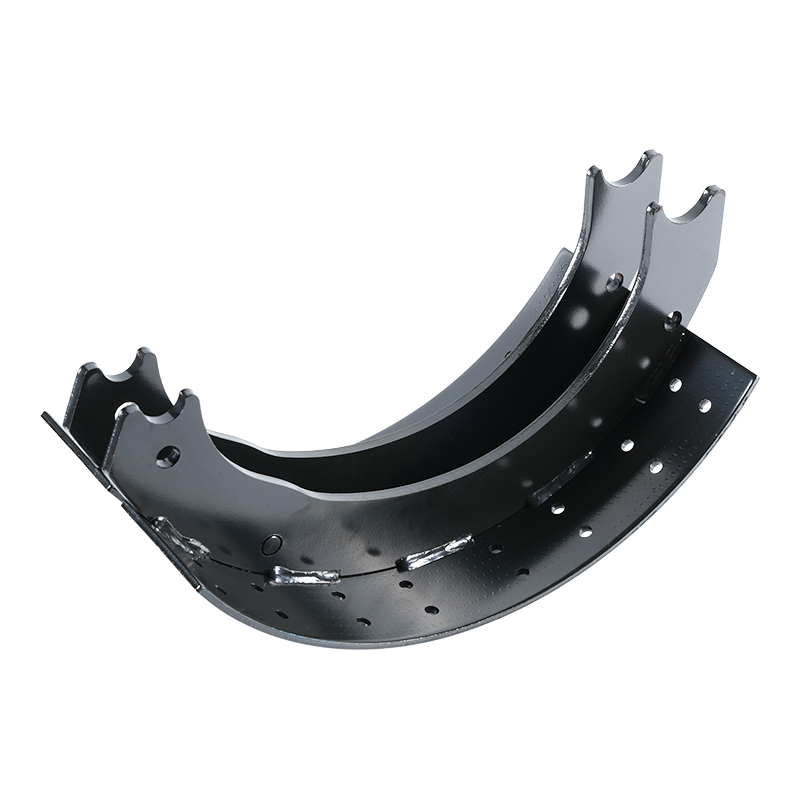
 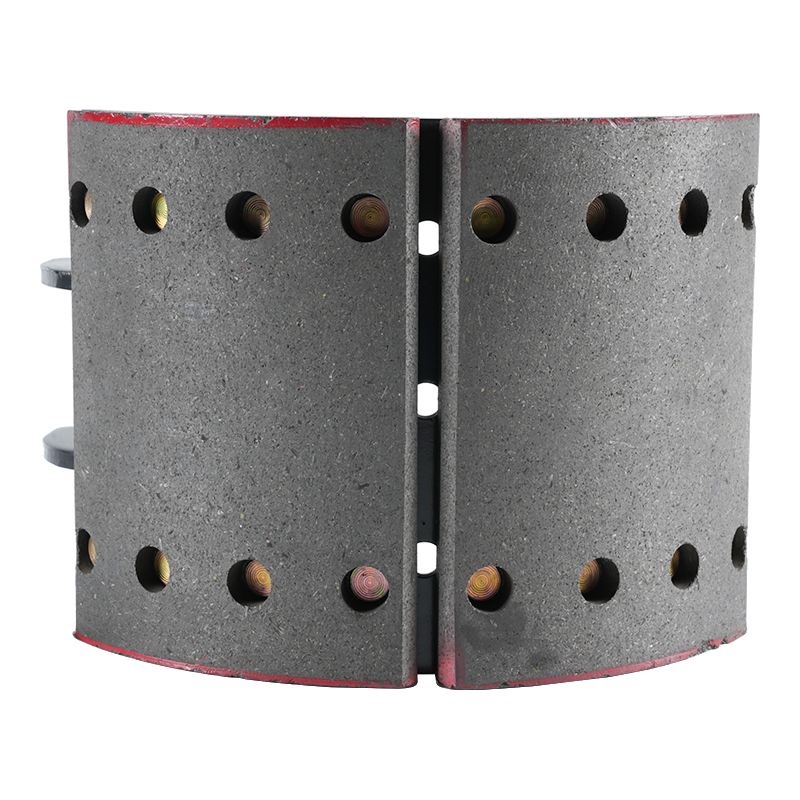 OEM BPW 300*200 European Commercial Vehicle Brake ShoeEuropean-style brake shoe for commercial vehicle braking, placed with comparisons of American and European families and mixed-fleet maintenance considerations.View Product →
The table below summarises the practical differences our customers notice most often when they compare the two families side by side.
| What differs | American-style brake shoe | European-style brake shoe |
|---|---|---|
| Main markets | North American heavy trucks and trailers, plus some South American applications | European trucks and semi-trailers, with a strong trailer focus |
| Typical platform references | Series or reference numbers tied to the original shoe design | Named after the axle or vehicle platform they fit |
| How they are sold | Bare shoes, assemblies with lining, and repair kits | Bare shoes, assemblies with lining, and repair kits |
| Common applications | Line-haul tractors, tippers, flatbeds and trailers | Semi-trailers, tractor units and mixed European fleets |
| Service pattern | Frequent relining in high-mileage fleets | Longer intervals, often handled as a complete kit job |
Both families do the same job under the same laws of physics. What matters is that the shoe you fit matches the drum, the cam and the hardware it has to work with.
How to Tell Your Truck Brake Shoes Are Tired
Brake shoes rarely fail without warning. They give you clues for weeks before a problem becomes a roadside breakdown, and reading those clues is the cheapest maintenance you will ever do.
- Stopping distance has grown longer, or the pedal feels lower and softer than usual.
- Squealing, grinding or a metallic scrape that changes with wheel speed.
- Cracks, chips or lining that has lifted away from the shoe table.
- Oil, grease or brake fluid on the lining, which ruins friction and glazes the surface.
- Uneven wear between the two shoes on the same wheel, often a sticking cam or a weak return spring.
- Deep scoring or heat cracks in the drum, which will destroy a new set of shoes if it is ignored.
If any of these appear, inspect the whole wheel end rather than the shoe alone. A worn shoe is often the visible symptom of a worn cam bushing, a tired spring or a scored drum. For a closer look at the timing of a replacement, our quick guide on when to replace a truck brake shoe walks through the same checks step by step.
Choosing the Right Truck Brake Shoe for Your Fleet
Match the platform, not just the measurement
The safest way to buy is by axle or vehicle platform, not by a rough tape measurement. Shoes that look similar can differ in table thickness, radius and lining width, and a mismatch shows up as uneven contact, hot spots and short lining life. Keep a record of the platforms in your fleet and buy against those references.
Bare shoe, assembly or repair kit?
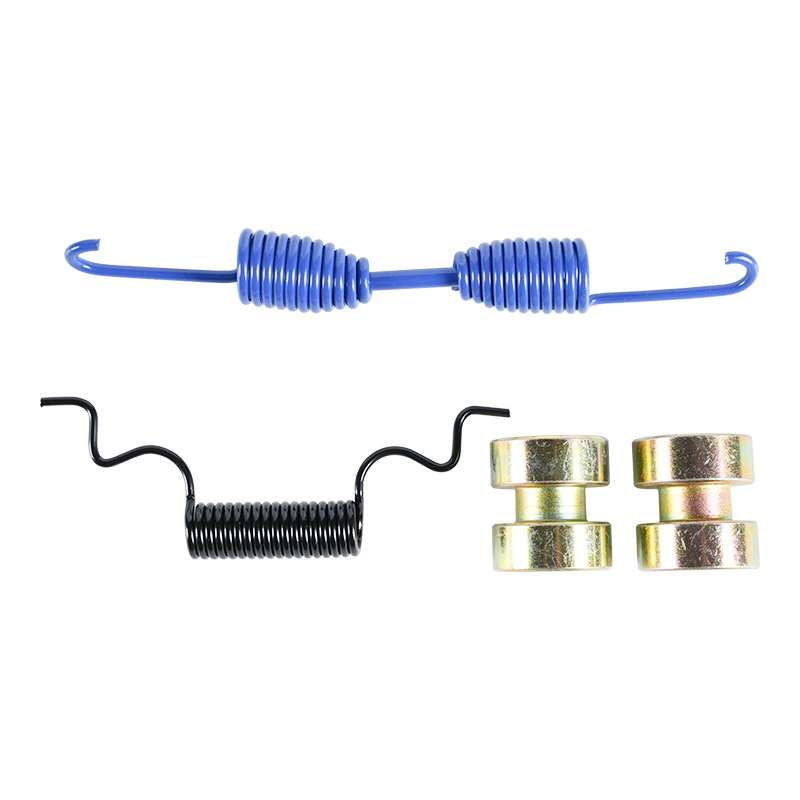
If your workshop rivets or bonds its own lining, a bare shoe is the economical choice. If you want consistent friction performance and less fitting time, an assembled shoe is usually better. When the springs, rollers and hardware are due as well, a repair kit gives you everything in one box and removes the risk of reusing tired parts.
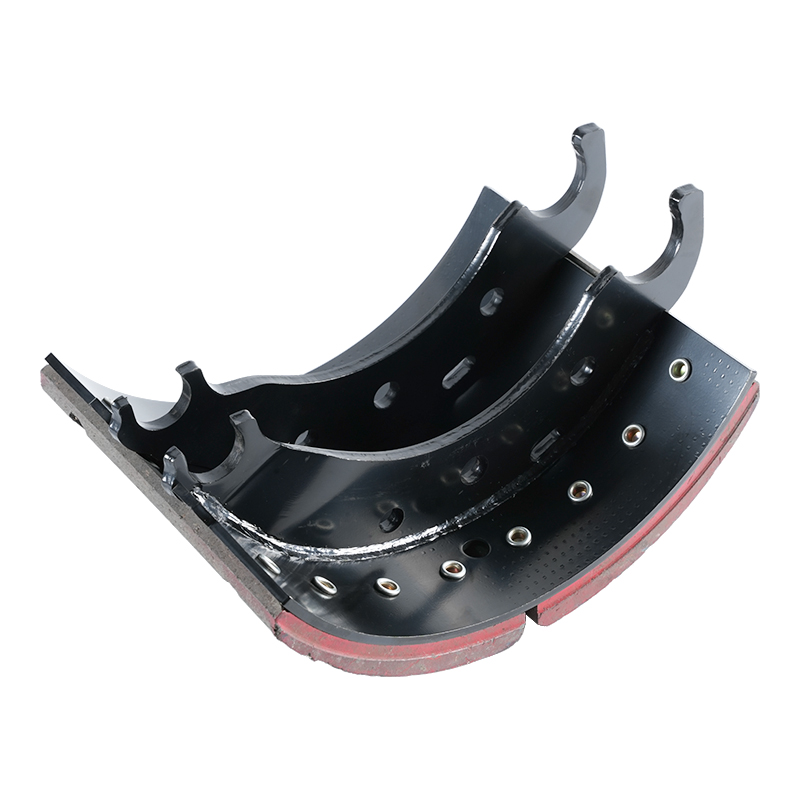
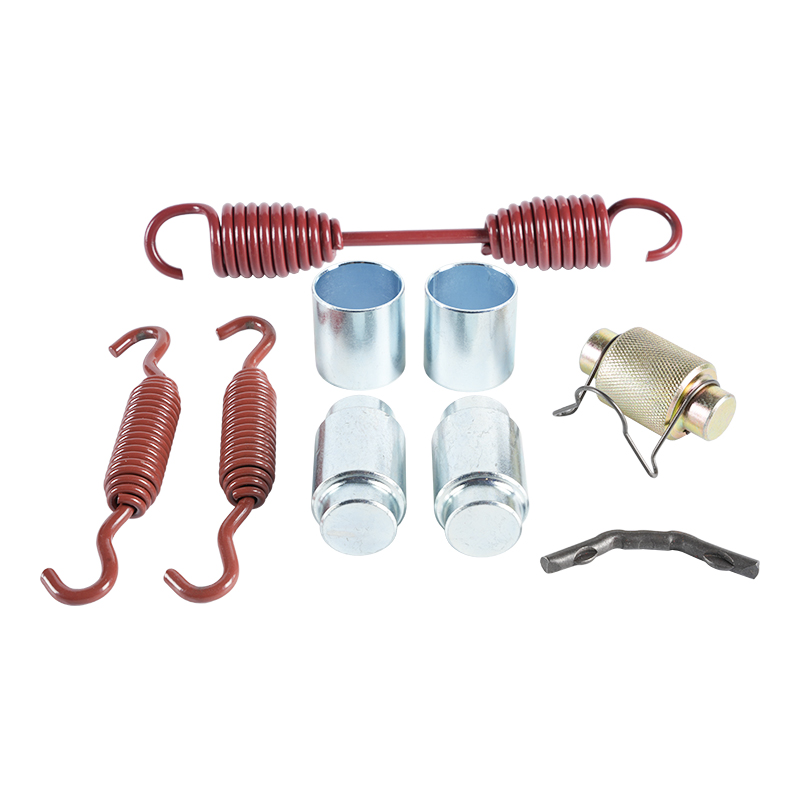 OEM 4707 American Brake Shoe Repair KitAmerican-style repair kit for heavy trucks and construction vehicles, useful when renewing springs and related hardware in one set.View Product →
Lining choice matters as much as the shoe
The steel shoe carries the load, but the lining does the stopping. Asbestos-free friction material has to balance friction level, heat resistance, wear life and noise. For long-haul work on steep routes, a lining that holds its friction when hot will outperform a cheaper compound that fades on the first long descent.
Fitting and Maintenance Habits That Add Thousands of Miles
Good parts still need a careful installation. The routine below is the one we recommend to the workshops and fleet engineers we work with.
- Clean the backing plate and drum, and measure the drum for diameter, taper and scoring before refitting anything.
- Inspect anchor pins, rollers, S-cam bushings and return springs, and renew every worn item rather than reusing it.
- Fit matched shoes on both sides of the axle and keep friction pairs consistent across the vehicle.
- Set the adjustment correctly and confirm the full stroke of the slack adjuster after the job is finished.
- Bed the new lining in with light, progressive braking over the first few hundred kilometres.
After the first long trip, pull the drums once and look at the contact pattern. Even seating across the full width of the lining, with no glazing or edge loading, tells you the job was done right.
What We Have Learned From Building Brake Shoes Since 2010
Zhejiang Langrun Auto Parts was founded around one product family, and we have stayed with it. Our heavy-duty brake shoe range covers both American and European platforms, and it is supported by brake shoe assemblies and repair kits, so a customer can buy the same brake in the form that suits a production line or a workshop. Our customers are mainly heavy vehicle builders and axle manufacturers in Europe and the Americas, which keeps our tolerances honest: a shoe that does not fit the platform simply does not leave the plant. Every batch is checked on bench tests that follow American standards and the relevant domestic automotive tests, and our friction materials are asbestos-free.
Keeping Trucks Stopping, Mile After Mile
A truck brake shoe is a simple-looking part doing a hard job in a hostile place. Choose it by platform rather than by price alone, fit it with the same care you would give a wheel bearing, and check it before it asks for attention. Do that, and the brakes will quietly do their part for hundreds of thousands of kilometres. If you are sourcing shoes for a fleet or a production line and want to talk through fitment, we are always happy to compare notes.

 Home
Home +86-158-6900-2386 / +86-0571-61075636
 zjlrqp@163.com
 No. 518, Nanhu Road, Tianzihu Town, Anji County, Zhejiang Province, China
Copyright © Zhejiang Langrun Auto Parts Co., Ltd. All rights reserved. Heavy-Duty Brake Shoe Manufacturer in China

